Key Takeaways
-
L-Citrulline enhances mental focus by increasing nitric oxide production, which supports cerebral blood flow and nutrient delivery to the brain.1
-
It aids ammonia detoxification through the urea cycle and can reduce mental fatigue during intense cognitive or physical demands.1
-
L-Citrulline often outperforms L-Arginine for focus support because it has better bioavailability, more sustained nitric oxide production, and fewer GI side effects.1
-
Research links L-Citrulline to reduced post-exercise fatigue, potential neuroprotection, and improved concentration in several studies.1
-
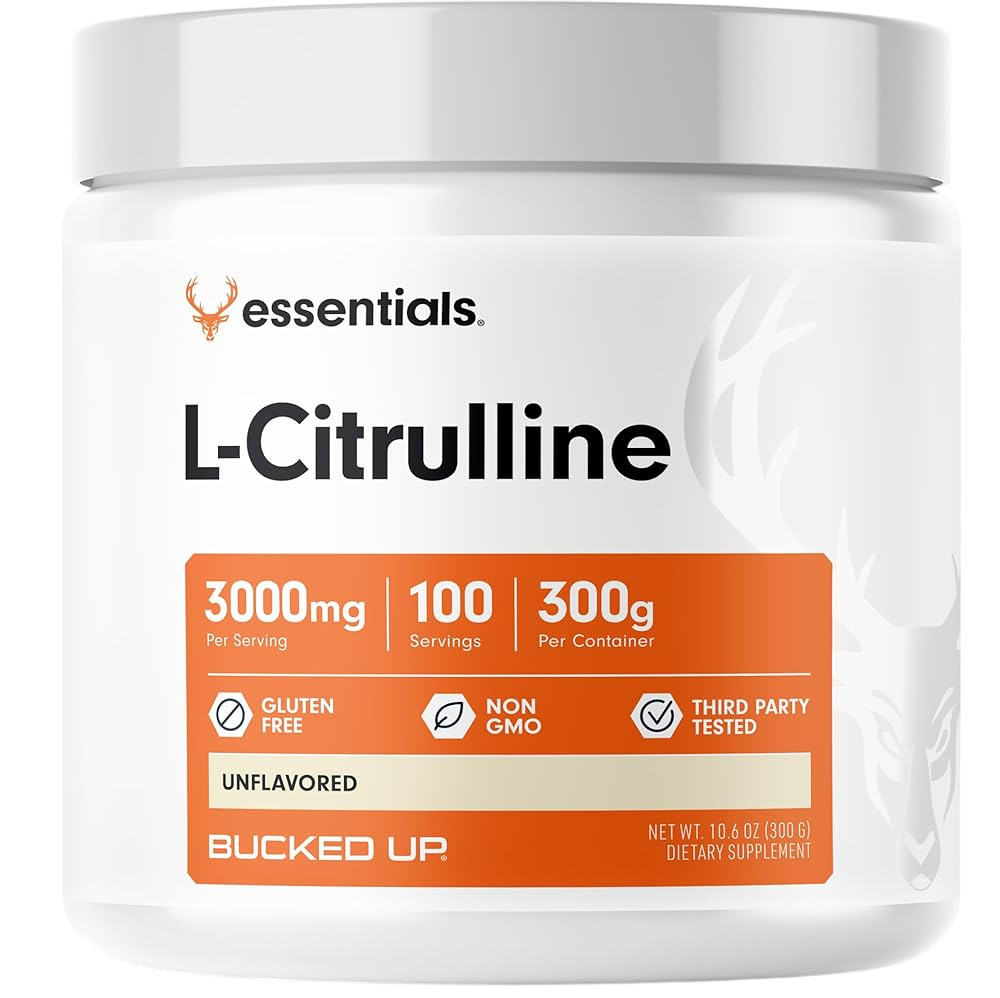
For practical use, many people choose Bucked Up’s pure L-Citrulline at 3–6 g daily to support both mental and physical performance.1
How L-Citrulline Supports Focus at a Glance
L-Citrulline supports mental focus through three main pathways. It increases nitric oxide production, which enhances cerebral substrate delivery. It supports ammonia detoxification, which can reduce mental fatigue. It may also provide neuroprotective effects under stress conditions.1 Current research suggests these benefits occur through improved oxygen and nutrient delivery to brain tissue rather than direct action inside brain cells. Effective daily dosing often ranges from 3–8 grams, depending on the goal, and timing protocols vary based on whether the focus is cognitive tasks or training.1
What L-Citrulline Is and How the Body Uses It
L-Citrulline is a non-essential amino acid that the intestines and liver naturally synthesize. Unlike direct L-Arginine supplementation, L-Citrulline bypasses first-pass liver metabolism. The kidneys convert it to L-Arginine, which provides a more sustained supply of substrate for nitric oxide production.
L-Citrulline vs L-Arginine for Mental Focus
L-Citrulline often provides more reliable support for focus than direct L-Arginine supplementation.1
-
It has better intestinal absorption without significant breakdown in the liver.1
-
Oral L-Citrulline can produce higher plasma arginine concentrations than equivalent doses of L-Arginine.1
-
It supports more sustained nitric oxide production over time.1
-
It tends to cause fewer gastrointestinal side effects than L-Arginine.1
How L-Citrulline Supports Mental Focus and Concentration
L-Citrulline supports cognitive function through several connected mechanisms.1
-
Nitric Oxide Production: Increased nitric oxide supports oxygen and nutrient transport to brain tissue.1
-
Ammonia Detoxification: Participation in the urea cycle helps reduce toxic ammonia buildup that can contribute to mental fatigue.1
-
Cerebral Perfusion: Nitric oxide-mediated vasodilation supports cerebral blood flow.
Regarding blood-brain barrier penetration, L-Citrulline does not directly cross this protective barrier. Because of this limitation, cognitive benefits occur through peripheral endothelial nitric oxide production rather than direct interaction with brain tissue.
These theoretical mechanisms align with research that examines how L-Citrulline affects cognitive performance and neuroprotection.
Scientific Evidence on Cognitive Benefits
Current research on L-Citrulline and cognition highlights several key findings.
-
Exercise-Related Focus: A study in the Journal of the International Society of Sports Nutrition reported that L-Citrulline supplementation improved feelings of fatigue and concentration immediately after exercise in cyclists.1
-
Neuroprotective Properties: In vitro research suggests potential neuroprotective effects under stress conditions such as glutamate toxicity.
-
Endothelial Function: Studies indicate that L-Citrulline can work with L-Arginine to support nitric oxide production, which may help with brain fog and fatigue symptoms.
Overall, these findings point to potential cognitive benefits that stem from enhanced oxygen and nutrient delivery to active brain regions.
Given this evidence, readers can now connect these mechanisms and findings to everyday brain function and performance.
How L-Citrulline Supports Everyday Brain Function
L-Citrulline supports brain function primarily through nitric oxide-mediated improvements in cerebral perfusion. Nitric oxide signaling supports neurovascular coupling, which links cognitive brain activity to local substrate delivery. This improved delivery of oxygen and nutrients can reduce brain fog and mental fatigue during demanding physical or cognitive tasks.
This mechanism targets a core requirement of cognitive performance. Active brain regions need steady oxygen and glucose during periods of increased demand, and nitric oxide helps support that supply.
Practical L-Citrulline Dosing Strategies for Concentration
Effective L-Citrulline dosing depends on the form used and the primary goal. The following table compares common dosing protocols across different forms. It can help you choose an approach that fits your cognitive or performance needs.
|
Form |
Dose (Daily/Pre-Workout) |
Timing |
Primary Use Case |
|---|---|---|---|
|
Pure L-Citrulline |
3–6 g |
60 minutes pre-activity |
Nootropic stacking, daily cognitive support |
|
Citrulline Malate 2:1 |
6–8 g |
30–60 minutes pre-workout |
Exercise-related focus and endurance |
|
Combined Formulas |
Per product specifications |
As directed |
Comprehensive pre-workout support |
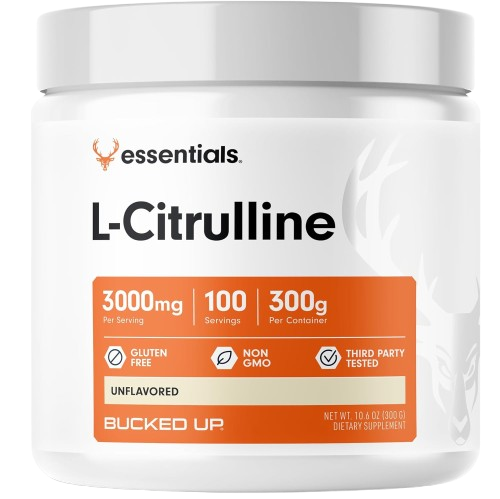
For cognitive applications, L-Citrulline often pairs well with compounds like Alpha-GPC, which appear in several Bucked Up formulations. You can explore Bucked Up’s pure L-Citrulline and citrulline malate options to find a dosing protocol that matches your focus and performance goals.
Bucked Up L-Citrulline Formulas for Focus and Training
Bucked Up designs its L-Citrulline products with an emphasis on transparent labeling and absorption support.
-
Transparent Dosing: 6 g citrulline malate in Bucked Up and Woke AF pre-workouts, and 4 g pure L-Citrulline in Mother Bucker.
-
Absorption Support: Astragin® appears across all pre-workout formulas to support L-Citrulline bioavailability.1
-
Stacking for Focus: Formulas combine L-Citrulline with focus-supporting ingredients such as AlphaSize® Alpha-GPC.1
-
Manufacturing Standards: GMP-compliant facilities help maintain consistent quality and potency.
These formulation choices align with research-backed dosing strategies that support both cognitive performance and physical training.
L-Citrulline Safety and Use Considerations
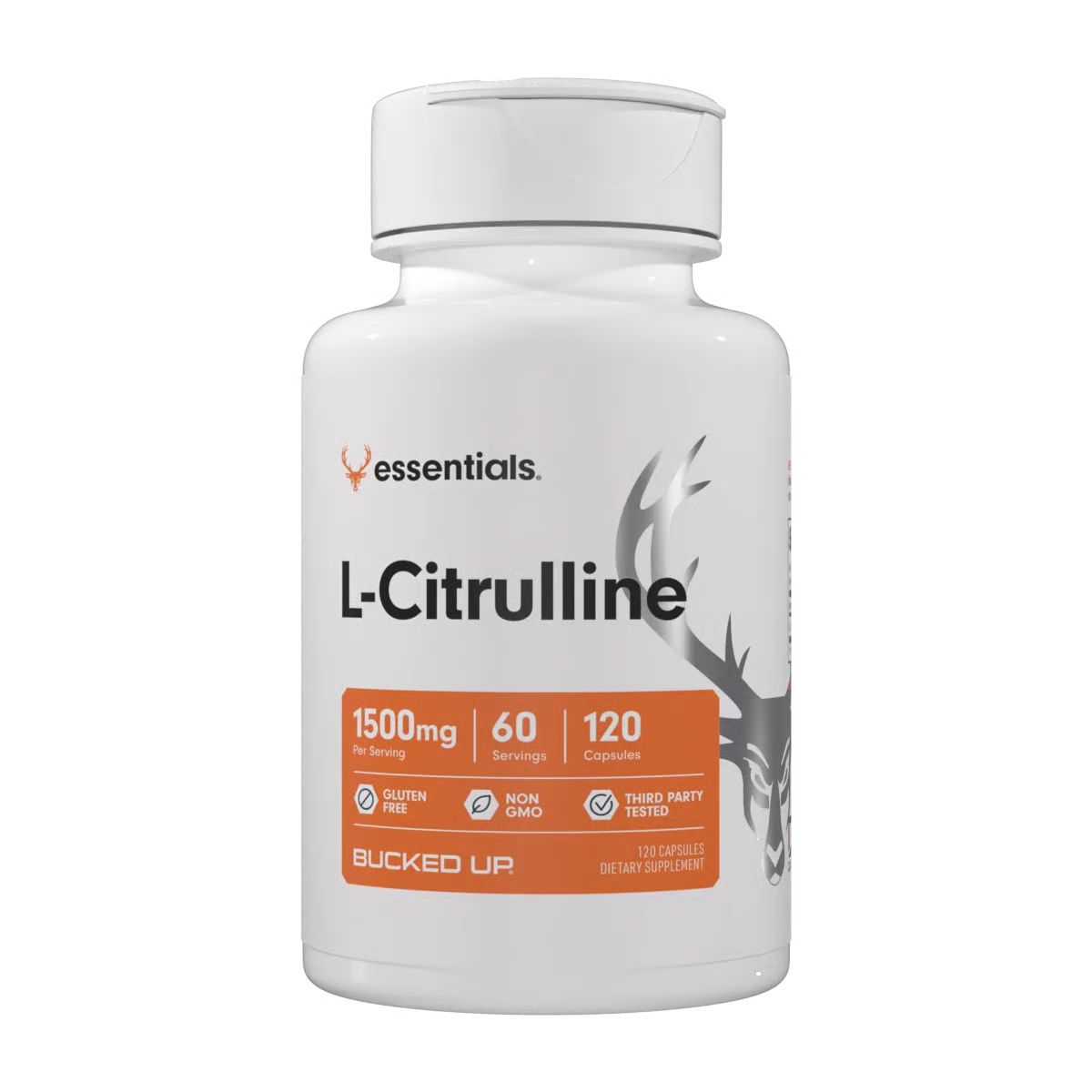
L-Citrulline shows a favorable safety profile in both research and real-world use. Trials have used L-Citrulline safely for up to 9 months at doses of 1.5 to 9 grams daily, with single doses up to 15 grams in adults.1
Common considerations include the following points.
-
Mild gastrointestinal effects: Occasional nausea or bloating can occur with higher single doses.1
-
Blood pressure interactions: Vasodilatory effects may interact with antihypertensive medications.1
-
Contraindications: Strong interactions can occur with PDE5 inhibitors and nitrate medications.
Bucked Up includes Astragin® to support absorption, which may help some users tolerate higher functional doses more comfortably.
Conclusion: How to Use L-Citrulline for Focus
L-Citrulline supports mental focus and concentration through nitric oxide-mediated improvements in cerebral substrate delivery and through ammonia detoxification.1 It does not cross the blood-brain barrier directly, yet research points to cognitive benefits through better cerebral perfusion and reduced mental fatigue. Effective daily dosing often falls between 3–8 grams, with timing adjusted to match either cognitive tasks or training sessions.
Bucked Up uses transparent L-Citrulline dosing and includes absorption-supporting ingredients like Astragin® to provide consistent delivery for both cognitive and physical performance goals.
You can start with Bucked Up’s pure L-Citrulline and adjust dose and timing based on how your focus, energy, and training sessions respond.
Frequently Asked Questions
Does L-Citrulline Help Brain Function?
L-Citrulline supports brain function primarily through enhanced nitric oxide production, which improves cerebral blood flow and oxygen delivery to brain tissue. This mechanism can help reduce brain fog and mental fatigue, especially during periods of higher cognitive or physical demand. The benefits appear to come from improved substrate delivery rather than direct action within brain cells.
What Is the Optimal L-Citrulline Dosage for Concentration?
For cognitive support, many protocols use 3–6 grams of pure L-Citrulline or 6–8 grams of citrulline malate per day. Timing usually depends on the goal. Pure L-Citrulline often works well about 60 minutes before demanding cognitive tasks. Citrulline malate is commonly taken 30–60 minutes before exercise for focus and endurance. Individual responses vary, so starting at the lower end and increasing gradually is a practical approach.
Does L-Citrulline Cross the Blood-Brain Barrier?
L-Citrulline does not directly cross the blood-brain barrier. Instead, it supports cognitive function through peripheral mechanisms. The kidneys convert it to L-Arginine, which increases nitric oxide production and supports cerebral blood flow. This indirect pathway can provide cognitive benefits through better oxygen and nutrient delivery to brain tissue.
How Does L-Citrulline Compare to L-Arginine for Focus?
L-Citrulline often outperforms direct L-Arginine supplementation for focus-related goals. It bypasses first-pass liver metabolism, converts efficiently to L-Arginine in the kidneys, and provides a more sustained supply of nitric oxide substrate. These features support higher plasma arginine concentrations and more consistent effects, with fewer gastrointestinal side effects for many users.
Can L-Citrulline Be Safely Combined with Other Nootropics?
L-Citrulline generally stacks well with other cognitive enhancers such as Alpha-GPC, which appears in many pre-workout formulas. People who take blood pressure medications, PDE5 inhibitors, or nitrate-based drugs should speak with a healthcare provider before combining L-Citrulline with other supplements. Its vasodilatory effects can interact with medications or conditions that influence blood pressure regulation.
1 The content provided in this article is for informational purposes only and is not medical advice. Consult with a medical professional before implementing any changes to your diet, health, or exercise routines. Individual results will vary and are based on a combination of each individual’s diet, exercise, age, and health circumstances. These statements have not been evaluated by the Food and Drug Administration. This product is not intended to diagnose, treat, cure or prevent any disease.
This article was written by Ryan Gardner, CEO of Bucked Up. As the maker of Bucked Up Protein Soda, we have a financial interest in this information. The views expressed are our own and should be read with that context in mind.