Key Takeaways
-
Arugula ranks as a nitrate powerhouse, giving your body high concentrations for rapid nitric oxide conversion through oral bacteria.
-
Beetroot juice delivers a fast natural nitric oxide boost, with blood pressure changes appearing within about 3 hours for pre-exercise support.
-
Watermelon supplies L-citrulline for steady nitric oxide production and often outperforms arginine because of superior bioavailability, though it requires large servings.
-
Antioxidant-rich foods such as pomegranate, dark chocolate, and citrus help protect nitric oxide from oxidative stress, which keeps it active longer.
-
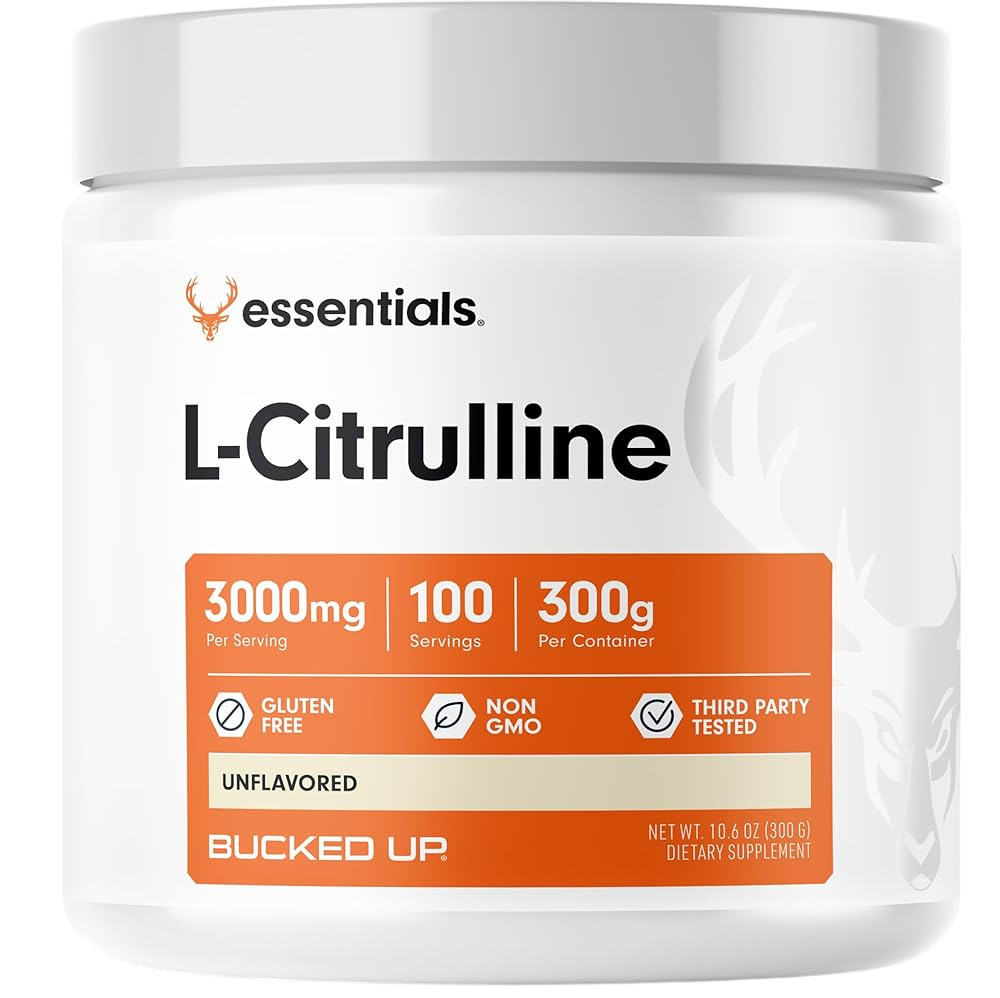
Foods alone rarely deliver research-level doses, so you can pair them with Bucked Up’s pure L-Citrulline to support performance and pumps.1
Top 10 Foods Ranked by Nitric Oxide Boosting Effectiveness
1. Arugula: The Nitrate Powerhouse
Arugula leads most vegetables in nitrate content and supplies dense dietary nitrates that oral bacteria rapidly convert to nitric oxide. Leafy greens such as spinach, arugula, beets, celery, and bok choy provide natural dietary nitrates that oral bacteria convert to nitrite and then nitric oxide during chewing, which supports oxygen delivery and endurance. A 100 g serving of arugula supplies substantial nitrate content for near-immediate nitric oxide production.
2. Beets and Beetroot Juice: The Fast-Acting Option
Beetroot supports rapid nitric oxide elevation. Studies show that high-nitrate beetroot juice can reduce blood pressure within 3 hours post-consumption, with effects that may persist for up to 24 hours. Beetroot juice creates a quick natural nitric oxide spike, so many people use it before exercise.
3. Watermelon: A Key Citrulline Source
Watermelon contains high natural concentrations of L-citrulline. L-citrulline often outperforms L-arginine as a nitric oxide precursor because it bypasses first-pass metabolism in the gut and liver, which produces sustained elevations in plasma arginine and nitric oxide levels.1 A typical 300 g serving of watermelon provides approximately 630 mg L-citrulline, so reaching the 2.4 g doses used in some L-citrulline studies from watermelon alone would require very large portions.
4. Garlic: The NOS Activator
Garlic appears among foods that may support nitric oxide production. Its sulfur compounds may work with other nitric-oxide-supporting foods to help maintain elevated levels for longer periods.
5. Pomegranate: The Polyphenol Shield
Pomegranate supplies polyphenols that help defend nitric oxide from oxidative damage. These antioxidants do not create nitric oxide directly, yet they support the nitric oxide you already produce by slowing its breakdown and helping preserve vascular function.
6. Dark Chocolate: The Cocoa-Based NO Protector
Antioxidant-rich foods including berries, dark chocolate with 70% cocoa or higher, green tea, and citrus fruits help protect nitric oxide from oxidative stress and enhance its availability. Dark chocolate supports nitric oxide indirectly by extending its bioavailability, although it also adds calories, so portions matter.
|
Food |
Nitrate/Citrulline Content (mg/100g) |
Study Effect |
Pros/Cons |
|---|---|---|---|
|
Arugula |
Highest nitrates among leafy greens |
Fast-acting, requires fresh consumption |
|
|
Beetroot |
High nitrates, varies by variety |
Rapid effect, earthy taste |
|
|
Watermelon |
Superior bioavailability vs arginine |
Sustained effect, large servings needed |
|
|
Spinach |
High nitrates |
Versatile, heat-sensitive nitrates |
|
|
Dark Chocolate |
Antioxidants (not direct NO precursor) |
NO protection, calorie-dense |
7. Citrus Fruits: The Vitamin C Synergists
Pairing nitrate-rich vegetables with antioxidant-rich foods like citrus or berries helps protect nitric oxide molecules from breaking down too quickly and enhances bioavailability. Citrus fruits supply vitamin C, which supports nitric oxide function and stability.
8. Nuts and Seeds: The Arginine Sources
L-arginine-rich foods that the body uses as a precursor to produce nitric oxide include turkey, chicken, pumpkin seeds, peanuts, soybeans, and lentils. These foods contribute arginine naturally, yet direct arginine supplementation often shows limited bioavailability compared with citrulline pathways, which helps explain why citrulline-focused options can provide more consistent nitric oxide support.1
9. Celery and Radishes: The Consistent Contributors
Celery provides moderate nitrate levels with useful bioavailability. Regular intake of celery and radishes supports nitric oxide as part of a broader, vegetable-rich diet.
10. Lettuce and Spinach: The Accessible Options
Lettuce and spinach offer common leafy greens with reliable nitrate content that fit easily into most meals. Regular consumption of nitrate-rich vegetables, rather than one large dose, helps maintain nitric oxide levels over time and supports endurance and cardiovascular function.
Cucumbers and Squash: Mild Citrulline Support
Top food sources of L-citrulline include watermelon, bitter gourd, onions, garlic, nuts, chickpeas, liver, peanuts, salmon, pumpkin, cucumbers, gourds, squash, and melons. Cucumbers and squash provide modest citrulline content and work well as part of a varied eating pattern.
Arugula leads this list for nitrate density, and watermelon’s citrulline content often edges out arginine-rich foods because of superior bioavailability. Nitrates rely on oral bacteria for fast conversion, while citrulline supports sustained, efficient arginine and nitric oxide production through kidney conversion.
How to Maximize Nitric Oxide from These Foods and Natural Methods
Beetroot juice offers one of the fastest natural nitric oxide elevations, with a spike appearing within about 45 minutes and reaching the peak blood pressure effects mentioned earlier. You can combine watermelon with beets for dual-pathway support and add citrus fruits for vitamin C protection of nitric oxide.
Avoid common nitric oxide blockers. Antibacterial mouthwashes, poor oral hygiene, or disrupted microbiota can impair the conversion of nitrates to nitrite. High-heat cooking also reduces nitrate content in vegetables, so lighter cooking methods or raw options often work better.
Here is a simple daily plan that supports nitric oxide. Start with breakfast that includes beetroot juice and citrus, choose lunch with an arugula-based salad, and add an afternoon watermelon snack. Dietary nitrate intakes from vegetables and water equivalent to about one 80 g portion of beetroot or spinach are associated with clinically relevant systolic blood pressure reductions.
Why Foods Alone Often Fall Short for Performance
These foods support natural nitric oxide production, yet reaching therapeutic doses through diet alone usually proves difficult. A single slice of watermelon delivers only a few hundred milligrams of citrulline, which equals a fraction of the several grams of pure L-citrulline used in studies that measure nitric oxide boosting effects. You would need roughly 2.2–3.3 lbs of watermelon per day to reach just 3 g of citrulline.
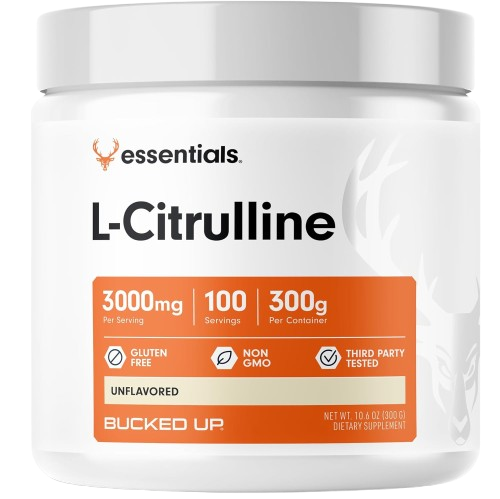
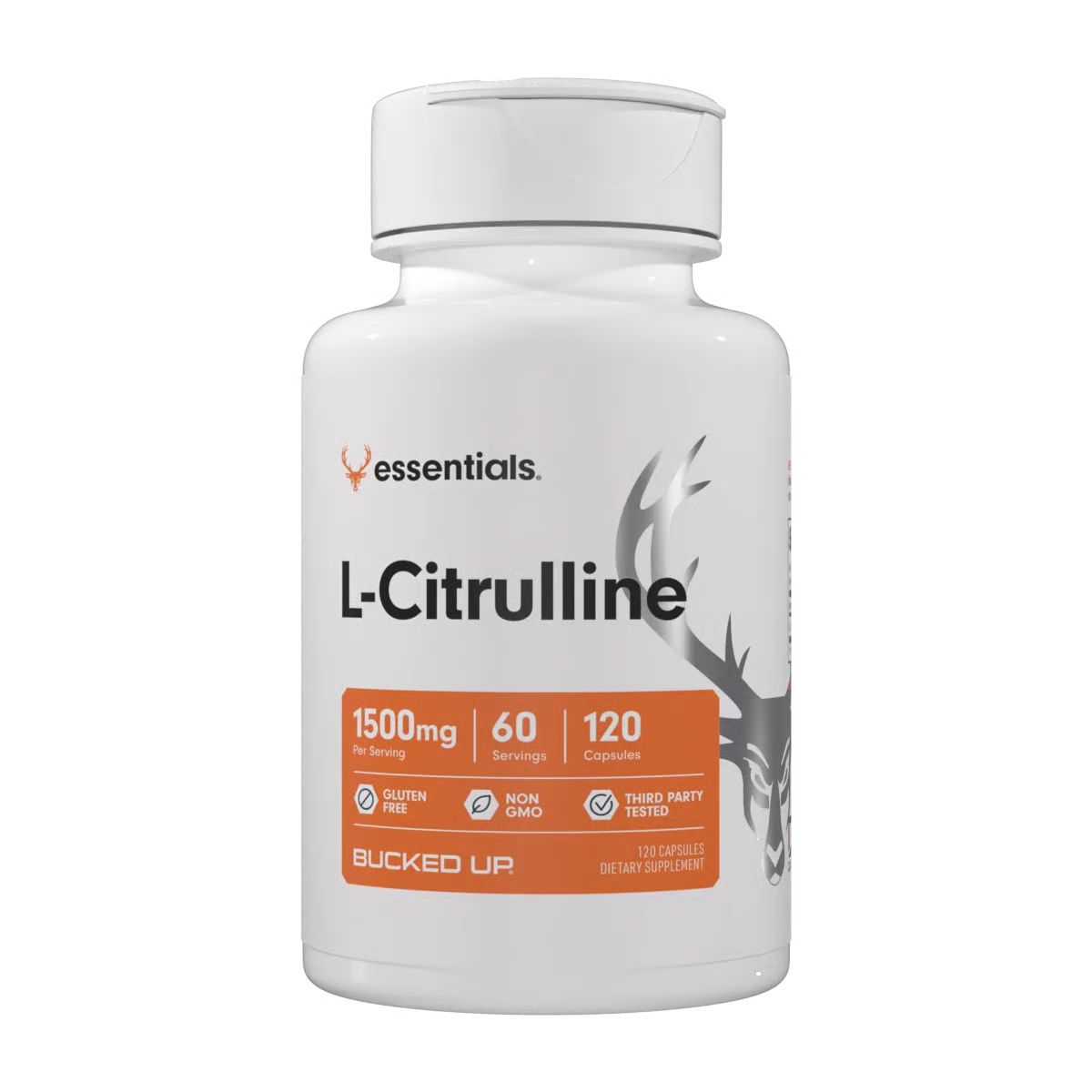
Bucked Up L-Citrulline offers a more practical way to reach those ranges. The pure powder provides 3 g per scoop, capsules supply 750 mg each, and Bucked Up and Woke AF pre-workouts feature 6 g Citrulline Malate 2:1. Mother Bucker includes 4 g pure L-Citrulline plus Nitrosigine® and AstraGin®. Research uses L-citrulline doses of roughly 3–10 g per serving to support increases in plasma arginine, nitric oxide metabolites, vasodilation, muscular endurance, and reduced exercise soreness.1
Studies suggest that L-citrulline may support up to 53% more repetitions, about 12% longer endurance, and less post-exercise soreness.1 Many protocols use 6–8 g of L-citrulline taken 30–60 minutes before exercise. Bucked Up focuses on science-backed dosing of ingredients such as Citrulline Malate and pure L-Citrulline, so you can choose a format that fits your training style.1
Frequently Asked Questions
What food has the highest nitric oxide support?
Arugula contains some of the highest nitrate concentrations among vegetables and works well for immediate nitric oxide support. The nitrates in arugula convert quickly through oral bacteria into nitrites and then nitric oxide in the stomach, which can promote fast-acting vasodilation.
Is watermelon better than beets for nitric oxide?
Watermelon and beets support nitric oxide through different pathways. Watermelon provides L-citrulline for sustained nitric oxide production through kidney conversion to arginine, while beets supply nitrates for rapid conversion through oral bacteria. Using both together can create complementary effects that provide immediate and longer-lasting nitric oxide support.
What is the fastest way to increase nitric oxide naturally?
Beetroot juice appears among the fastest natural ways to increase nitric oxide, with measurable effects within about 45 minutes and peak blood pressure changes within roughly 3 hours. Concentrated nitrates in the juice move quickly through the oral bacteria pathway and into active nitric oxide.
What blocks nitric oxide production?
Antibacterial mouthwashes can kill beneficial oral bacteria that convert dietary nitrates into nitrites, which reduces nitric oxide production. Overcooking vegetables at high temperatures also destroys heat-sensitive nitrates, and poor oral hygiene disrupts the bacterial balance needed for the nitrate–nitrite–nitric oxide pathway.
Are these foods safe for daily consumption?
Nitrate-rich vegetables and citrulline-containing foods generally appear safe for daily use as part of a balanced diet. Unlike nitrates in processed meats, plant-based nitrates come with antioxidants and polyphenols that help prevent harmful nitrosamine formation. People taking blood pressure medications should speak with a healthcare provider before making large increases in nitrate intake.
Conclusion
Top nitric-oxide-supporting foods such as arugula for nitrates and watermelon for citrulline provide natural benefits for performance and cardiovascular health. Dietary nitrate intakes equivalent to one 80 g portion of beetroot or spinach can support blood pressure reductions, yet reaching the 3–8 g citrulline ranges used in performance research would require impractical food volumes.
1 The content provided in this article is for informational purposes only and is not medical advice. Consult with a medical professional before implementing any changes to your diet, health, or exercise routines. Individual results will vary and are based on a combination of each individual’s diet, exercise, age, and health circumstances. These statements have not been evaluated by the Food and Drug Administration. This product is not intended to diagnose, treat, cure or prevent any disease.
This article was written by Ryan Gardner, CEO of Bucked Up. As the maker of Bucked Up Protein Soda, we have a financial interest in this information. The views expressed are our own and should be read with that context in mind.