Written by: Ryan Gardner, Owner, Managing Partner, CEO, Bucked Up
Key Takeaways for Pump-Focused Lifters
-
L-citrulline bypasses first-pass metabolism and converts to L-arginine in the kidneys, which supports higher and more sustained plasma arginine levels than direct L-arginine supplementation.*1
-
Pharmacokinetic studies show L-citrulline raises plasma arginine more efficiently and for longer, which supports consistent nitric oxide production and pumps throughout training.*1
-
Research demonstrates that 3–6 g of pure L-citrulline or 6–8 g of citrulline malate taken 40–60 minutes pre-workout aligns with studied protocols for exercise performance and vasodilation.*1
-
Transparent labeling, fully disclosed doses, and absorption-support ingredients like Astragin® matter when you evaluate any pre-workout for pump support.*1
-
For a science-backed L-citrulline option that meets these criteria, explore Bucked Up’s fully disclosed L-Citrulline formulas that match studied dosing ranges.*
The Problem: Stimulant Energy Without a Real Pump
You take your pre-workout, feel the caffeine, and still never get the pump you expected. Vascularity stays flat. Muscles do not feel full or engorged. This frustration shows up across the pre-workout category, and the issue often sits with the pump ingredient, not the stimulant stack.
Many pre-workout formulas have historically relied on L-arginine as the primary nitric oxide precursor. On paper, that logic seems straightforward. Arginine is the direct substrate for nitric oxide synthase (NOS), so more arginine should mean more nitric oxide. In practice, a substantial portion of oral L-arginine is extracted by splanchnic tissues before it reaches systemic circulation. The remaining fraction produces a rapid but short-lived spike in plasma arginine, followed by a drop. The label looks strong, yet the workout feels flat.
Why Different Lifters Feel This Problem
Beginners chasing their first real pump often feel discouraged when a pre-workout delivers energy but no noticeable fullness. High-stim veterans who stack caffeine on caffeine can experience vasoconstriction from stimulants without a strong vasodilatory ingredient to balance that effect, which makes the energy feel jittery and unproductive. Science-focused bodybuilders who read labels and understand pharmacokinetics see an L-arginine-forward formula as poor value.
All of these lifters share the same need. They want an ingredient that reaches systemic circulation in meaningful amounts, sustains plasma arginine long enough to support nitric oxide production through the entire session, and avoids the gastrointestinal distress linked with high-dose L-arginine.* L-citrulline fits those requirements through a well-characterized metabolic pathway.1
How L-Citrulline Works in the Nitric Oxide and Urea Cycles
L-citrulline is a non-essential alpha-amino acid that participates in nitric oxide synthesis and the urea cycle. These two roles explain why it often outperforms direct L-arginine supplementation for pump support.*1
In the nitric oxide pathway, L-arginine serves as the substrate for NOS enzymes, which convert arginine to nitric oxide and L-citrulline. Nitric oxide signals vascular smooth muscle cells to relax, which produces vasodilation and supports blood flow to active tissues, including skeletal muscle.* The challenge lies in delivering enough arginine into systemic circulation to fuel this process. L-citrulline’s pharmacokinetic profile becomes the deciding factor here.
L-citrulline is absorbed intact in the small intestine and converted to L-arginine primarily in the kidneys via the sequential action of argininosuccitate synthetase and argininosuccitate lyase, a pathway known as the citrulline-NO cycle. Because citrulline is not a substrate for arginase, it avoids the intestinal and hepatic degradation that limits oral L-arginine. The kidneys continuously convert circulating L-citrulline into L-arginine, which creates a slow-release reservoir that helps sustain plasma arginine levels throughout the day.*
In the urea cycle, L-citrulline functions as a key intermediate in the conversion of ammonia, a byproduct of intense exercise and protein metabolism, into urea for excretion.* Supporting ammonia clearance may help reduce fatigue accumulation in skeletal muscle during hard training.*1
Research Comparing Citrulline and Arginine for Pumps
A study of 10 healthy recreationally active young men found that 6 g per day of L-citrulline for seven days supported improvements in exercise tolerance and greater total work during severe-intensity cycling compared to placebo, while the same dose of L-arginine did not produce these outcomes (Bailey et al., Journal of Applied Physiology, 2015). Both supplements raised blood arginine, yet citrulline did so more efficiently and for a longer duration.1
A single 3 g dose of L-citrulline raised plasma L-arginine levels within one to two hours in pharmacokinetic data from Schwedhelm et al. (British Journal of Clinical Pharmacology, 2008). That study also showed that oral L-citrulline avoids the presystemic metabolism that limits L-arginine availability.
A 2026 preclinical study in Scientific Reports examined liposomal encapsulation of a 1:1 combination of L-arginine and L-citrulline in a rat model. Improved systemic delivery produced a more than 120-fold increase in plasma L-arginine exposure compared to free amino acids, with half-life extending from 10 minutes to 440 minutes. The authors also noted that L-citrulline may bypass regulatory pathways that limit L-arginine availability when the endogenous NOS inhibitor asymmetric dimethylarginine (ADMA) is elevated, which supports a rationale for favoring citrulline in nitric-oxide-focused formulas.*
A systematic review and meta-analysis of eight randomized controlled trials reported that L-citrulline supplementation significantly supported flow-mediated dilation by a weighted mean difference of 1.81% in middle-aged and older adults, along with measurable reductions in arterial stiffness.*
See how Bucked Up’s formulas apply these pharmacokinetic findings with disclosed citrulline doses and ingredients selected to support absorption.*
How to Get L-Citrulline: Food, Standalone Powders, and Blends
L-citrulline occurs naturally in watermelon (Citrullus lanatus), cucumbers, squash, and related gourds. Reaching 3 g of citrulline from food alone would require roughly 2.2 to 3.3 lbs of watermelon per day, which makes dietary sourcing unrealistic for performance-focused dosing. Supplementation offers a practical route to ergogenic amounts.
Two primary supplement forms appear on labels. Pure L-citrulline delivers 100% citrulline by weight, which keeps dose calculation simple. Citrulline malate (CM) combines L-citrulline with malic acid, typically in a 2:1 ratio. Citrulline malate 2:1 is approximately 66.7% citrulline by weight, so 1 g provides roughly 667 mg citrulline versus 1,000 mg from 1 g of pure L-citrulline. The malate component is a Krebs Cycle intermediate theorized to support oxidative ATP production and phosphocreatine recovery, which may support endurance alongside the vasodilatory effects of citrulline.*1
Label accuracy matters here. Some commercially available citrulline malate products have been found to vary in their actual citrulline content due to differences in labeling. Transparent, fully disclosed labels give you the only reliable way to know what is in each serving.
L-Citrulline Dosage for Pumps: Quick Evaluation Checklist
Before you buy any pre-workout for pump support, use this checklist to see whether the formula aligns with the pharmacokinetic advantages described above and avoids the common pitfalls that cause flat workouts:
-
Is the citrulline dose fully disclosed on the label, rather than hidden in a proprietary blend?
-
Does the label specify whether the form is pure L-citrulline or citrulline malate, and list the ratio?
-
Does the total citrulline amount fall within the studied ranges discussed earlier?
-
Does the formula include an absorption-support ingredient such as Astragin® to support bioavailability?*
-
Does the timing recommendation match the 40 to 60 minute pre-exercise window used in research?
Safety, Tolerability, and Common Myths
Studies providing citrulline supplements to nonathletes at up to 6 g per day for four weeks reported no adverse effects. Gastrointestinal discomfort such as nausea, bloating, or cramps may occur at very high single doses above 10 g. Some users occasionally report headaches, likely related to vasodilatory effects in sensitive individuals.*
The most persistent myth in this category claims that L-arginine should be the superior choice because it is the direct NOS substrate. The pharmacokinetic data point in a different direction. The advantage described earlier, where citrulline avoids extensive first-pass metabolism, explains why it often outperforms arginine despite not being the direct NOS substrate. Being the immediate precursor does not help if the ingredient fails to reach systemic circulation in meaningful amounts.
Individuals with naturally low blood pressure, kidney conditions, or those taking blood pressure medications, nitrate medications, or phosphodiesterase-5 inhibitors should talk with a healthcare provider before using L-citrulline, because its vasodilatory effects may interact with these conditions and medications. Discontinue use at least two weeks before any scheduled surgery and follow your healthcare provider’s guidance.
Real-World Lifter Scenarios: How Citrulline Feels in Practice
Scenario 1: The Pump Chaser. A recreational lifter in their late 20s switches from a pre-workout that uses L-arginine as the primary pump ingredient to one with 6,000 mg of Citrulline Malate 2:1. After a week of consistent use at a multi-day protocol, they report a noticeably fuller feeling during training and better vascularity in the mirror post-workout. The caffeine stayed the same. The difference came from an ingredient that reached their bloodstream in effective amounts.*
Scenario 2: The High-Stim Veteran. A lifter with a high stimulant tolerance notices that a 333 mg caffeine pre-workout produces jittery energy without the pump they want. Adding or switching to a formula that pairs high caffeine with 6,000 mg Citrulline Malate supports vasodilation alongside the stimulant load, which helps address the vasoconstriction that high-stim formulas can create when pump ingredients fall short.*
Scenario 3: The Science-Based Bodybuilder. An experienced athlete who understands the citrulline-NO cycle wants more than standard Citrulline Malate. They build a stack of pure L-citrulline alongside Nitrosigine® and a glycerol-based hydration ingredient, which targets vasodilation through multiple biological pathways and supports intramuscular water uptake for a fuller pump.*
Scenario 4: The Stim-Sensitive Lifter. Someone who trains in the evening or reacts strongly to caffeine evaluates a stimulant-free pre-workout. They use 6,000 mg Citrulline Malate in a non-stimulant formula and still experience support for blood flow and nutrient delivery to working muscles, which shows that the pump ingredient can perform independently of the stimulant stack.*
Frequently Asked Questions
Is L-citrulline or L-arginine better for pumps?
L-citrulline is generally the preferred choice for pump support because of its pharmacokinetic advantage. Oral L-arginine undergoes substantial first-pass metabolism in the gut and liver, which degrades a large portion before it reaches systemic circulation. L-citrulline bypasses much of this process, converts to L-arginine in the kidneys, and produces a more sustained elevation in plasma arginine levels.* Higher circulating arginine supports nitric oxide production, which in turn supports vasodilation and blood flow to working muscles.*
What is the recommended L-citrulline dosage for pumps?
The studied dose ranges discussed earlier, 3–6 g for pure L-citrulline and 6–8 g for citrulline malate, represent protocols that produced measurable outcomes in exercise performance research. Timing matters, so take your dose 40–60 minutes before training to align with peak plasma concentrations. Multi-day supplementation protocols, such as 6 g per day for seven or more days, have shown more consistent outcomes than single pre-exercise doses alone. There is no universally standardized dose, and individual responses vary, so consult a healthcare provider before starting any new supplementation plan.
What is the difference between citrulline malate and pure L-citrulline?
Pure L-citrulline delivers 100% citrulline by weight and offers a direct way to support nitric oxide production and vasodilation.* Citrulline malate combines L-citrulline with malic acid in a 2:1 ratio, as detailed earlier, and delivers roughly two-thirds the citrulline content per gram compared to the pure form. The malate component may support endurance through its role in energy metabolism, which makes it a dual-purpose ingredient for pump and performance. Neither form has been definitively shown to outperform the other in head-to-head resistance training studies, so the choice often reflects training goals.
How long does it take for L-citrulline to support a pump?
Peak plasma concentrations of L-citrulline typically occur within 0.7 to 2 hours after ingestion, with plasma arginine levels rising meaningfully within one to two hours of a single dose. For acute pre-workout use, taking L-citrulline about 60 minutes before training aligns with this window. For sustained support across a training block, multi-day supplementation helps plasma arginine remain elevated more consistently than single-dose approaches alone.* Timing and consistency both influence how well a citrulline-containing formula performs.
Bucked Up Transparent Formulas: Applying the Science on the Label
The science above outlines what to look for in a pump-focused pre-workout: a disclosed citrulline dose in a studied range, a clearly labeled form and ratio, and ideally an absorption-support ingredient. Bucked Up’s pre-workout line follows those criteria, with every gram of citrulline disclosed on the label.
The foundational Bucked Up Pre-Workout and Woke AF formulas each contain 6,000 mg of Citrulline Malate 2:1, which sits at the threshold studied for supporting nitric oxide and pump.*1 The 2:1 ratio means the citrulline component supports vasodilation while the malic acid component supports ammonia and lactic acid clearance.* Both formulas also include Astragin®, which has been studied for its ability to support citrulline absorption.* Woke AF adds 333 mg of caffeine alongside the full citrulline load to address the vasoconstriction concern that can appear in high-stim formulas without strong pump support.*
For advanced athletes who want a more specialized stack, Mother Bucker combines 4,000 mg of pure L-citrulline with Nitrosigine® and Hydroprime® Glycerol, which targets vasodilation and cellular hydration through multiple biological pathways.* This “Pump Trifecta” removes the malate component to make room for pure L-citrulline alongside one of the most studied blood flow ingredients in modern sports nutrition. Astragin® appears here as well to support bioavailability of each disclosed gram.*
A stimulant-free option is also available for lifters who train at night or prefer to avoid caffeine. This formula delivers 6,000 mg Citrulline Malate 2:1 without any stimulant load, which shows that the pump ingredient can stand on its own apart from the energy stack.*
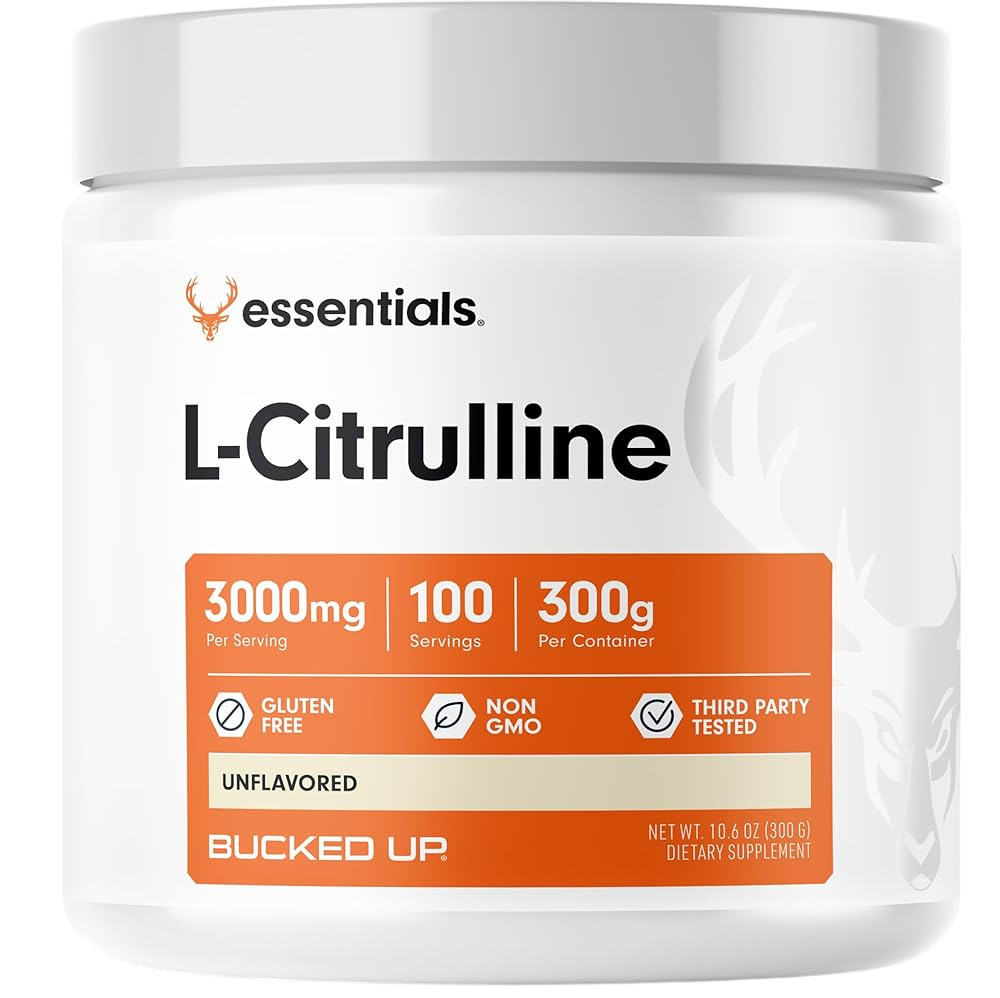
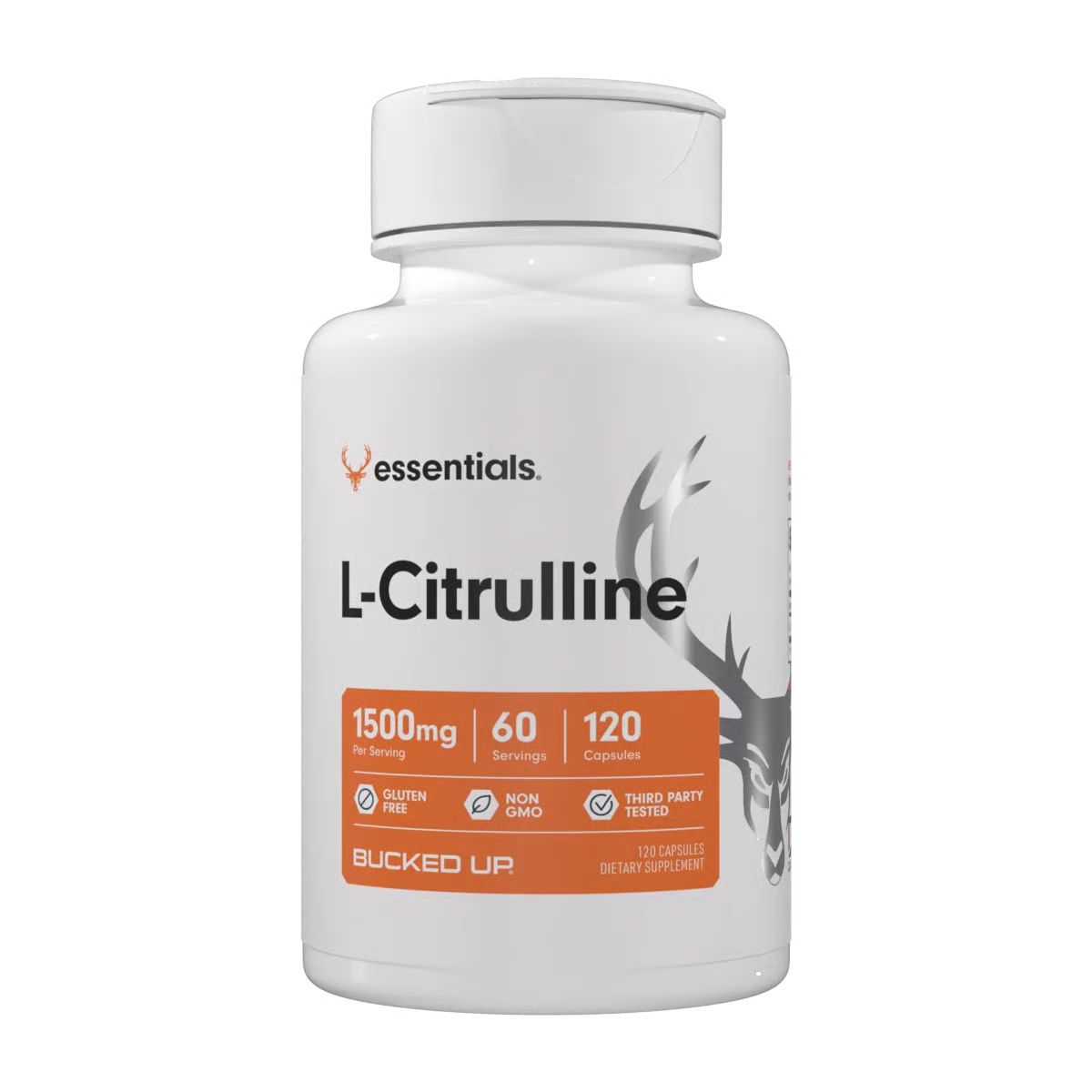
For lifters who want full control over dosing or prefer to stack citrulline with an existing pre-workout, Bucked Up offers standalone L-Citrulline in both pure and malate forms for custom stacking and precise dosing control.*
Conclusion: What the Citrulline vs Arginine Data Really Says
The citrulline vs arginine question resolves at the pharmacokinetic level. Being the direct NOS substrate does not help if the ingredient cannot survive the journey to systemic circulation. Citrulline’s renal conversion pathway solves the bioavailability problem that limits arginine, which explains its stronger rationale for pump-focused supplementation at studied doses.*
When you evaluate any pre-workout, look for a fully disclosed citrulline dose in the 3 to 6 g range for pure L-citrulline or 6 to 8 g for citrulline malate, a clearly labeled form and ratio, and an ingredient that supports absorption. Flat workouts often trace back to missing or underdosed pump support. Choosing the right ingredient at the right dose on a transparent label gives you a practical way to address that problem.*
Start with a fully disclosed citrulline formula that delivers studied doses and the transparent labeling that evidence-based formulation requires.*
*These statements have not been evaluated by the Food and Drug Administration. This product is not intended to diagnose, treat, cure, or prevent any disease.
References
Scientific Reports. (2026). Liposomal encapsulation of L-arginine and L-citrulline in a rat model of placental insufficiency. Scientific Reports. https://nature.com/articles/s41598-026-43958-y
1 The content provided in this article is for informational purposes only and is not medical advice. Consult with a medical professional before implementing any changes to your diet, health, or exercise routines. Individual results will vary and are based on a combination of each individual’s diet, exercise, age, and health circumstances. These statements have not been evaluated by the Food and Drug Administration. This product is not intended to diagnose, treat, cure or prevent any disease.
This article was written by Ryan Gardner, CEO of Bucked Up. As the maker of Bucked Up Protein Soda, we have a financial interest in this information. The views expressed are our own and should be read with that context in mind.