Written by: Ryan Gardner, Owner, Managing Partner, CEO, Bucked Up
Key Takeaways on L-Citrulline and Belly Fat
-
Human trials, including a 2024 study in adolescents with abdominal obesity, do not show L-citrulline directly burning belly fat.
-
L-citrulline mainly supports nitric oxide production, blood flow, nutrient delivery, and workout endurance.1
-
Any body-composition changes are indirect and come from harder training sessions that burn more calories when paired with a solid diet.
-
Effective performance doses range from 3 to 6 g of pure L-citrulline or 6 to 8 g of Citrulline Malate, taken 30 to 60 minutes before exercise.
-
Shop Bucked Up L-Citrulline to support training performance and pursue better results in the gym.
Quick Answer From Human Trials
L-citrulline does not directly burn belly fat. A 2024 randomized controlled trial in 42 adolescents with abdominal obesity found that 6 g/day of L-citrulline for eight weeks improved liver fat accumulation and dyslipidemia compared to placebo (Tovar-Villegas et al., Gastroenterol Insights, 2024).
No controlled human trial has shown that L-citrulline supplementation produces greater fat loss than placebo under matched dietary conditions. The L-citrulline belly fat question has a clear answer in the human literature: direct fat-burning is not what this ingredient does.
Why Lifters Link L-Citrulline to Belly Fat
L-citrulline is a non-essential alpha-amino acid produced naturally in the intestines and liver and found in foods like watermelon, cucumbers, and squash. In sports nutrition, it is known for supporting nitric oxide production and blood flow, which translates to the pump, nutrient delivery, and training endurance.1
Lifters often connect L-citrulline to belly fat because the logic feels straightforward. If L-citrulline supports harder training sessions, and harder sessions burn more calories, fat loss seems like the next step. That indirect pathway is worth examining. The direct pathway, however, is not supported by human evidence.
How L-Citrulline Works: Nitric Oxide and the Urea Cycle
L-citrulline is converted in the kidneys to L-arginine, which serves as the substrate for nitric oxide synthase to produce nitric oxide. This pathway bypasses significant first-pass intestinal and hepatic arginase metabolism that limits oral arginine bioavailability. The result is higher and more sustained plasma L-arginine than direct L-arginine supplementation provides.
Nitric oxide signals vascular smooth muscle cells to relax, which supports vasodilation and blood flow. That improved blood flow supports the delivery of oxygen, glucose, and other metabolic substrates to active skeletal muscle during exercise. The pump you feel during a well-fueled training session is a visible sign of that nutrient delivery at work.
On the fatigue side, L-citrulline participates in the urea cycle to facilitate ammonia detoxification, which may reduce exercise-induced ammonia accumulation that contributes to central fatigue. Less ammonia buildup means you can push further before the wheels come off.1 That is the urea cycle doing its job, and L-citrulline is a key intermediate in that process.
Does L-Citrulline Help Burn Fat? Direct vs. Indirect Effects
The direct fat-loss case is not present in human data. Proposed mechanisms by which L-citrulline could directly influence fat oxidation remain mechanistically plausible but lack confirmation in human trials.
The indirect case is more relevant for lifters. Any contribution of L-citrulline to weight management in humans appears limited to small indirect effects from greater training volume or intensity, which may increase cumulative caloric expenditure.1 Train harder, train longer, recover faster, and repeat. That sequence connects L-citrulline to body composition, and it runs through workout performance, not through a direct metabolic action on fat tissue.
L-citrulline supports training capacity, which is the first link in the chain.1 That improved training capacity, when combined with sound nutrition, drives body composition changes, which is the second link. Conflating these two separate links is how supplement marketing can become misleading.
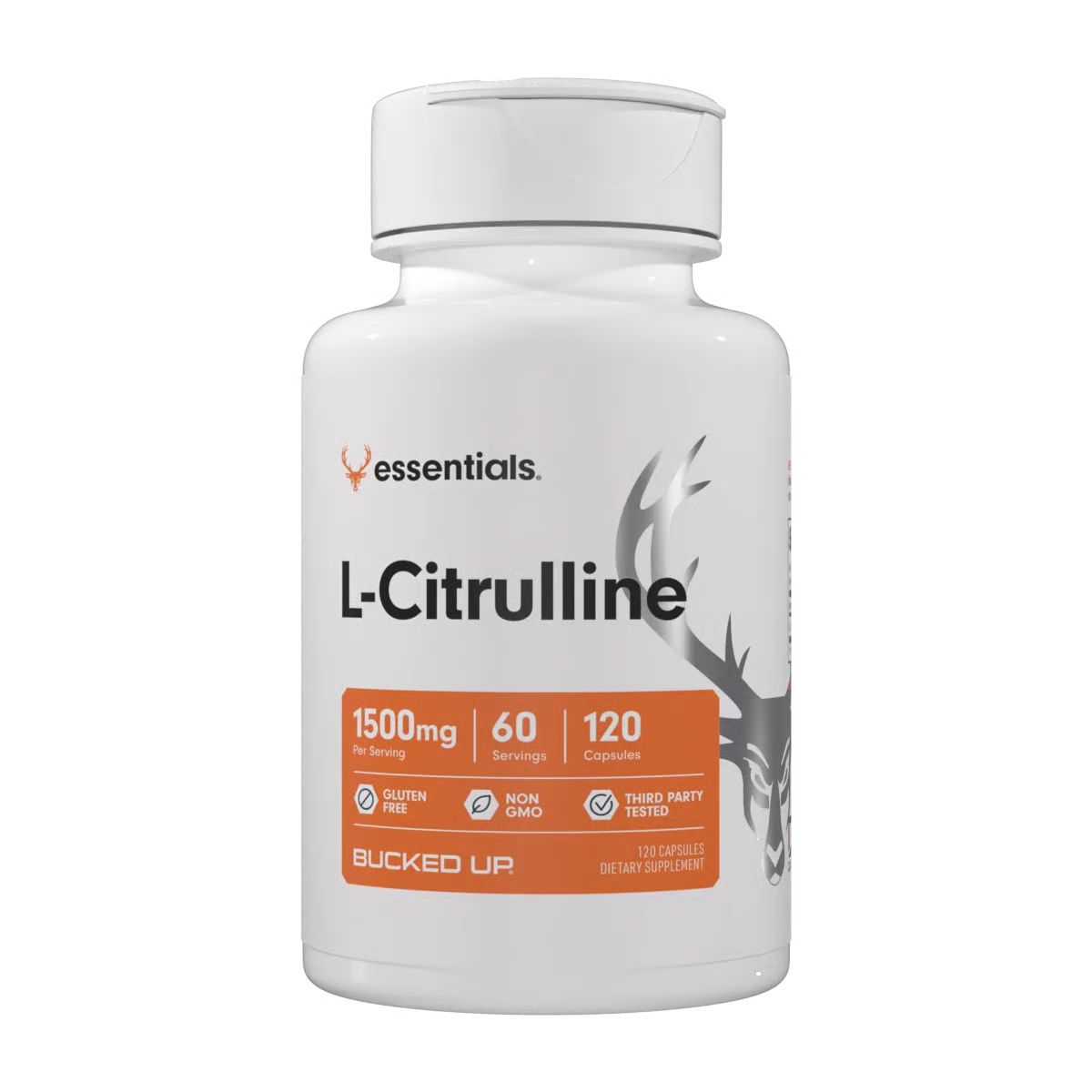
If you want L-citrulline products that respect this evidence-based distinction, Bucked Up promotes a science-backed approach to supplementation, including Citrulline Malate and Pure L-Citrulline at disclosed doses. Explore Bucked Up L-Citrulline options that align with the research-backed ranges discussed here.
How Long It Takes to Feel L-Citrulline in Your Training
For performance support, timing depends on whether you use an acute single dose or a multi-day protocol. Both single-dose and multi-day L-citrulline protocols have been associated with performance benefits in human exercise trials.1
In a trial of 10 healthy young men, 6 g/day of pure L-citrulline for 7 days supported exercise tolerance and total work completed during severe-intensity cycling compared to placebo (Bailey et al., J Appl Physiol, 2015). Peak plasma concentrations of L-citrulline typically occur within 0.7 to 2 hours after ingestion, which supports the common recommendation to take it about 60 minutes before training.
Body composition changes take longer. Expect better sessions within the first week of consistent use, then let those better sessions compound over time.
Practical Dosing Ranges and Timing for Performance Support
Human trials on resistance and endurance performance have used 3 to 8 g of L-citrulline or its equivalent in Citrulline Malate. For weight training, 6 to 8 g of Citrulline Malate (2:1 ratio, providing approximately 3.4 to 4.5 g of pure L-citrulline) taken 30 to 60 minutes before exercise is the range most commonly studied. For general performance support, 3 to 6 g of pure L-citrulline daily, sometimes divided into two servings, appears in the literature.
The form you choose matters. Citrulline Malate (2:1) pairs L-citrulline with malic acid, a Krebs Cycle intermediate theorized to support aerobic ATP production alongside the nitric oxide pathway.
Pure L-citrulline delivers 100% of the amino acid without the malate component, which some advanced athletes prefer when stacking with other performance ingredients. Note that 1.76 g of Citrulline Malate (2:1) provides approximately 1 g of pure L-citrulline, so dose comparisons between forms require that conversion.
Safety, Side Effects, and Who Should Be Cautious
L-citrulline supplementation has been studied at performance doses with no serious side effects reported in healthy individuals.1 Side effects from L-citrulline are generally mild and primarily include gastrointestinal upset such as nausea or diarrhea, heartburn (especially with the malate form), and potential tooth enamel effects when consumed as a drink.
L-citrulline should be used with caution in individuals with severe kidney impairment, significant liver disease, or low blood pressure, as well as in those taking PDE5 inhibitors or nitrates due to potential additive blood-pressure-lowering effects. Consult your healthcare provider before use if any of those conditions apply to you, if you are pregnant or breastfeeding, or if you are scheduled for surgery within two weeks.
*These statements have not been evaluated by the Food and Drug Administration. This product is not intended to diagnose, treat, cure, or prevent any disease.
How L-Citrulline Fits With Training and Nutrition Fundamentals
L-citrulline supports workout capacity, but that support does not replace the fundamentals required for body composition changes. You still need a caloric deficit, a structured training program, and adequate sleep. Body composition changes, including reductions in belly fat, are driven by those fundamentals: consistent resistance and cardiovascular training, a diet aligned with your goals, and recovery that allows adaptation to occur.
L-citrulline fits by supporting the quality of the training sessions that make those fundamentals work. Better blood flow supports nutrient delivery to working muscle.* Ammonia clearance supports endurance within a session.* More productive sessions, repeated consistently, can compound into meaningful progress over time. That is the straightforward case for L-citrulline in a body-composition context.
Bucked Up formulates with disclosed doses of Citrulline Malate and Pure L-Citrulline so you know exactly what you are getting in every scoop. See how Bucked Up’s transparent L-Citrulline options can support a fundamentals-first approach.
Bucked Up L-Citrulline Formulas for Transparent Performance Support
Bucked Up discloses every gram on the label, with no proprietary blends and no dusting. The foundational pre-workout and Woke AF both use 6,000 mg of Citrulline Malate (2:1), which sits at the threshold studied for supporting nitric oxide and the pump.1*
Woke AF pairs that dose with 333 mg of caffeine, supporting vasodilation alongside a higher stimulant load. Mother Bucker takes a different route, using 4,000 mg of pure L-citrulline stacked with Nitrosigine® and Hydroprime® Glycerol for a multi-pathway approach to blood flow and cellular hydration support.*
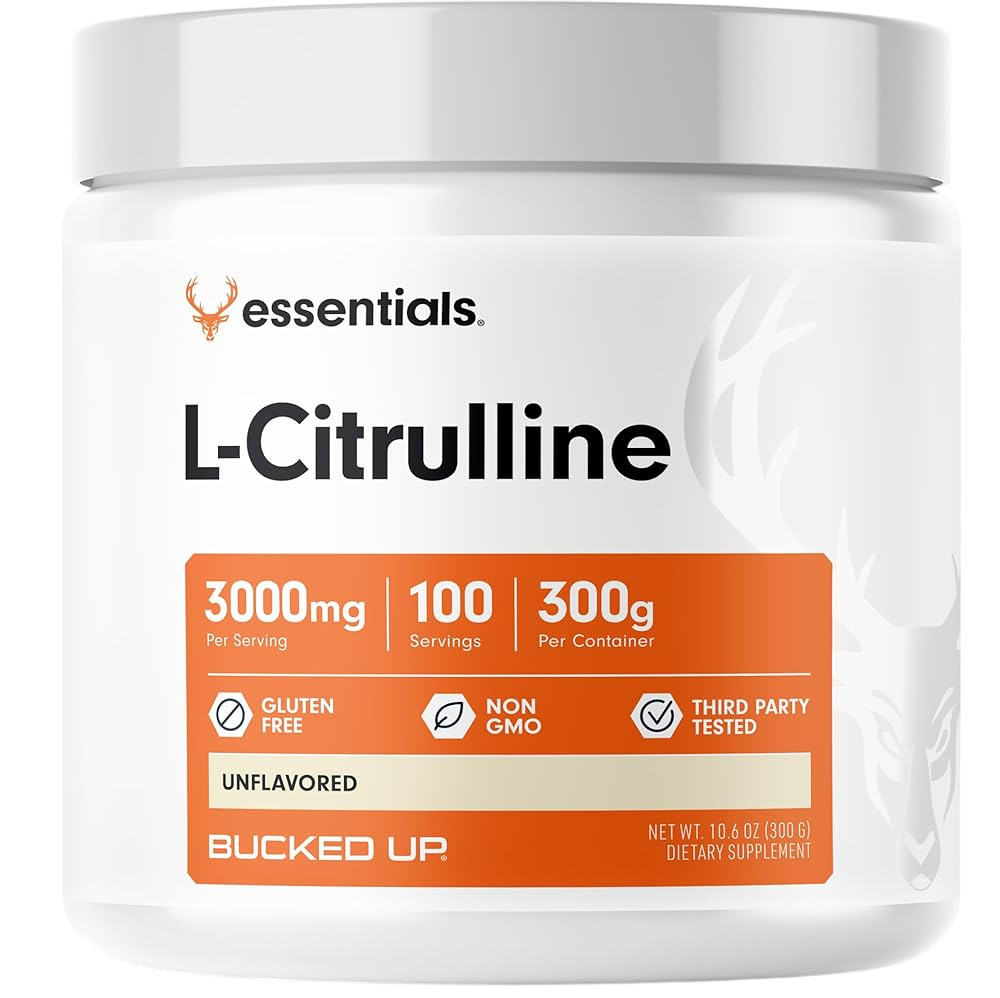
Every formula in the line includes Astragin®, which is studied to support citrulline absorption and bioavailability.1 For athletes who want standalone flexibility, the Pure L-Citrulline Powder (300 g) delivers 3,000 mg per scoop in an unflavored format that stacks with anything.
*These statements have not been evaluated by the Food and Drug Administration. This product is not intended to diagnose, treat, cure, or prevent any disease.
Frequently Asked Questions
Does L-citrulline help burn fat every day if taken consistently?
No human trial has demonstrated that daily L-citrulline supplementation directly burns fat or produces greater fat loss than placebo under controlled dietary conditions. Consistent daily use may support training performance over time, and more productive training sessions can contribute to caloric expenditure.
That effect runs through exercise output, not through a direct metabolic action on fat tissue. Body fat reduction requires a sustained caloric deficit driven by diet and exercise fundamentals.
How long does it take L-citrulline to kick in for performance support?
Based on the plasma concentration timing discussed earlier, taking L-citrulline approximately 60 minutes before training aligns with when blood levels peak. For more consistent performance benefits, multi-day protocols using around 6 g/day of pure L-citrulline for 7 or more days appear more reliably effective in human exercise trials than single acute doses taken only on training days.
Is Citrulline Malate or pure L-citrulline better for performance?
Both forms have been studied for performance support. Citrulline Malate (2:1) pairs L-citrulline with malic acid, a Krebs Cycle intermediate theorized to support aerobic energy production alongside the nitric oxide pathway, which makes it a common choice for endurance-focused training.
Pure L-citrulline delivers 100% of the amino acid and is often preferred by athletes running high-dose stacking protocols or combining it with other nitric-oxide-supporting ingredients. Use the conversion ratio mentioned in the dosing section when comparing products: roughly 1.76 g of Citrulline Malate equals 1 g of pure L-citrulline.
Are there any side effects from taking L-citrulline at performance doses?
L-citrulline is generally well tolerated at performance-relevant doses of 3 to 8 g. Side effects are usually mild and infrequent, primarily involving gastrointestinal discomfort such as nausea, bloating, or heartburn, particularly at higher single doses or with the malate form.
Headache and flushing are reported rarely. Individuals with low blood pressure, severe kidney impairment, or significant liver disease should consult a healthcare provider before use, as should anyone taking blood pressure medications, nitrates, or PDE5 inhibitors due to potential additive vasodilatory effects.
Does L-citrulline work without exercise for body composition?
The human evidence does not support L-citrulline as a standalone body-composition tool independent of exercise. Its studied benefits center on supporting workout performance, blood flow, and ammonia clearance during physical activity.
Without the training stimulus, the performance-support mechanisms have no context to operate in, and there is no human trial evidence suggesting meaningful body composition changes from L-citrulline supplementation alone.
Conclusion: L-Citrulline Supports Training, Not Direct Fat Loss
The human evidence is consistent. L-citrulline does not directly burn belly fat. Controlled trials, including a 2024 randomized study in individuals with abdominal obesity, have not shown meaningful metabolic or fat-loss effects compared to placebo.
What L-citrulline does support, at appropriate doses and with consistent use, is nitric oxide production, blood flow, ammonia clearance, and training endurance.1 Those factors support the quality of the sessions that drive body composition changes over time.*
L-citrulline is a performance ingredient. Performance, paired with sound nutrition and consistent training, is what moves body composition. Claims that L-citrulline alone melts belly fat go beyond what the human data supports.
Bucked Up promotes a science-backed approach to supplementation, including Citrulline Malate and Pure L-Citrulline at disclosed doses. Start with Bucked Up’s science-backed L-Citrulline options to elevate training quality.
*These statements have not been evaluated by the Food and Drug Administration. This product is not intended to diagnose, treat, cure, or prevent any disease.
1 The content provided in this article is for informational purposes only and is not medical advice. Consult with a medical professional before implementing any changes to your diet, health, or exercise routines. Individual results will vary and are based on a combination of each individual’s diet, exercise, age, and health circumstances. These statements have not been evaluated by the Food and Drug Administration. This product is not intended to diagnose, treat, cure or prevent any disease.
This article was written by Ryan Gardner, CEO of Bucked Up. As the maker of Bucked Up Protein Soda, we have a financial interest in this information. The views expressed are our own and should be read with that context in mind.