Written by: Ryan Gardner, Owner, Managing Partner, CEO, Bucked Up
Key Takeaways
- Most nitric oxide pre workout supplements side effects and risks stem from L-arginine’s poor oral bioavailability rather than from nitric oxide precursor supplements as a category.
- L-citrulline bypasses first-pass metabolism and supports a more sustained rise in plasma L-arginine at lower oral doses with a generally milder gastrointestinal profile.1
- Performance-support doses of 6 to 8 grams of Citrulline Malate or 3 to 6 grams of pure L-citrulline are the ranges most studied in healthy adults, while mild side effects become more likely above 10 grams.
- Medication interactions with blood pressure drugs, nitrates, and PDE5 inhibitors are documented and require a healthcare provider consultation before use.
- Label transparency with disclosed gram amounts for every active ingredient is the most practical tool for deciding whether a formula is worth taking, and Bucked Up supports that decision with full disclosure and absorption support agents.
Why Pre-Workout Hesitation Is Common
Hesitation around pre-workout use makes sense. Beginners worry about taking something they do not fully understand. High-stim users already have a lot going on physiologically and do not want to add an unknown variable. Stackers combining multiple supplements face compounding interactions that no single product label fully addresses. The result is inconsistent training, skipped sessions, and a lot of money spent on products that never get finished.
The solution is not to avoid nitric oxide precursors. The solution is to understand which ingredient is causing the problems, what dose thresholds matter, and what interactions require a conversation with a healthcare provider. That information exists, but it rarely appears in one place. Most side effects attributed to “nitric oxide supplements” actually trace to one specific ingredient: L-arginine.
Nitric Oxide Side Effects: L-Citrulline vs. L-Arginine in Your Body
The pharmacokinetic difference between these two ingredients is the foundation of everything that follows. L-arginine, when taken orally, is significantly degraded by arginase enzymes in the gut and liver before it reaches systemic circulation. This first-pass metabolism limits how much L-arginine actually makes it into the bloodstream to support nitric oxide production. High oral doses are often required to compensate, and those higher doses are associated with gastrointestinal discomfort including nausea, bloating, and diarrhea.
L-citrulline takes a different route. It is well absorbed from the small intestine and largely bypasses first-pass metabolism. The kidneys then convert it into L-arginine through the enzymes argininosuccinate synthase and argininosuccinate lyase. This process creates a more sustained rise in plasma L-arginine, which supports nitric oxide synthesis without the large oral doses that often cause digestive issues with direct L-arginine supplementation. Peak plasma concentrations of L-citrulline typically occur within 0.7 to 2 hours after ingestion, which supports the common recommendation to take it about 60 minutes before training.
This difference explains why the form of nitric oxide precursor in a pre-workout formula matters as much as the dose. Bucked Up uses disclosed doses of L-Citrulline and Citrulline Malate across its pre-workout line, so you can see exactly how much you are getting in every scoop.
L-Citrulline Research: Performance Support and Safety
The research base for L-citrulline in exercise contexts is substantial. Studies using Citrulline Malate have examined its role in supporting the total number of repetitions performed during resistance training, supporting oxygen content in muscle tissue during endurance exercise, and supporting recovery from delayed onset muscle soreness in the days following training.1 A 2026 review published in Frontiers in Endocrinology notes that long-term L-citrulline supplementation has been examined in clinical populations beyond short-term use. The same review also notes that optimal human dosing still needs more rigorous dose-finding research.
On the interaction side, a Verywell Health overview of nitric oxide supplements documents several medication interactions relevant to anyone evaluating a pre-workout formula. These include compounding effects with blood pressure medications, diabetes medications, and vasodilatory drugs. These interactions apply broadly to nitric oxide precursor supplements and are addressed in the safety section below. Always consult your healthcare provider before combining any supplement with prescription medications.
Three Ways Lifters Add L-Citrulline
Most lifters add L-citrulline through one of three routes: food sources, standalone L-citrulline supplements, or blended pre-workouts.
Food sources include watermelon, cucumbers, squash, and pumpkin. The challenge is dose precision. Reaching 3 grams of citrulline from watermelon alone would require roughly 2.2 to 3.3 lbs of watermelon per day. That is a lot of watermelon and not a practical pre-workout strategy.
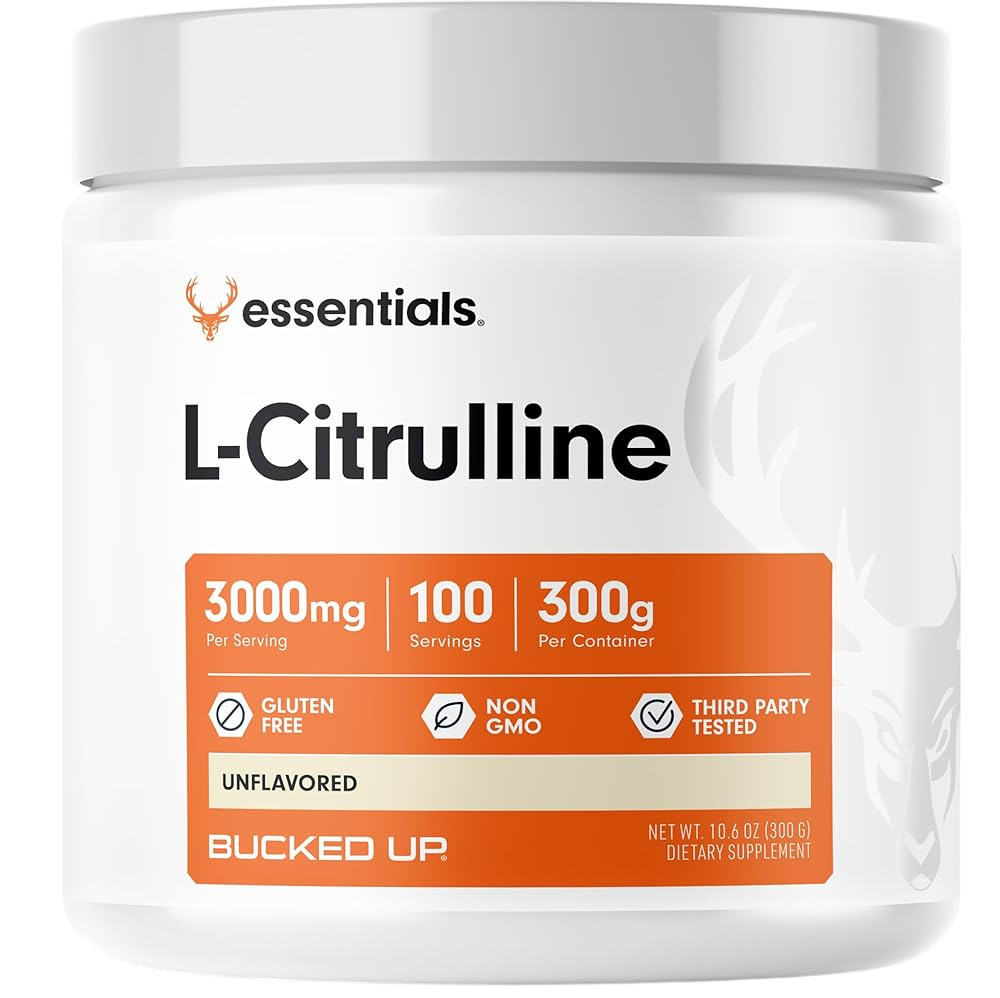
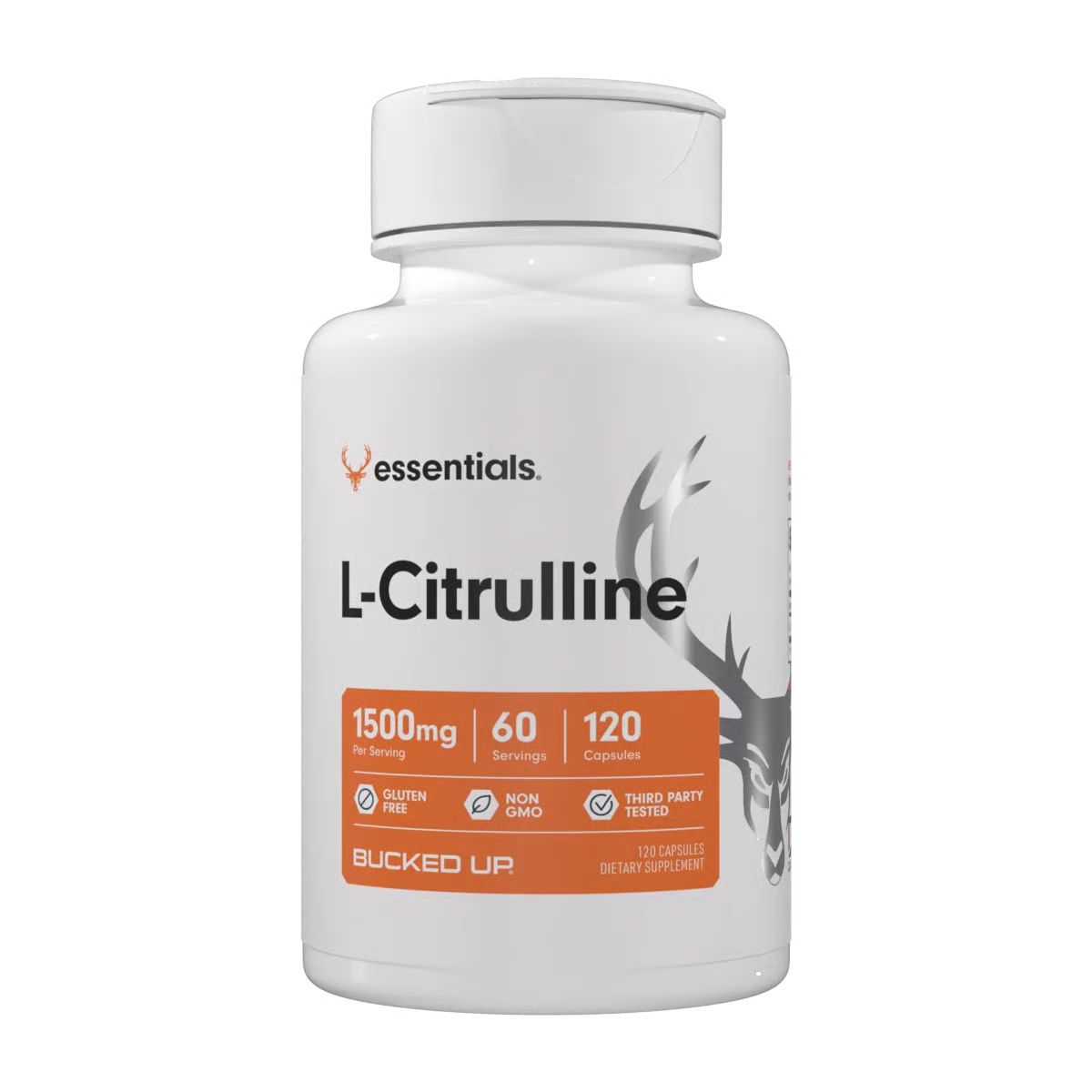
Standalone L-citrulline supplements, such as an unflavored powder or capsule, offer exact dosing flexibility. You can mix them into any beverage and stack them with other ingredients at precise amounts. This approach fits athletes running higher-dose protocols or anyone who wants to control every variable in their stack independently.
Blended pre-workouts combine L-citrulline with energy, focus, and endurance ingredients in a single serving. The tradeoff is convenience versus control. The key evaluation criterion is whether the formula discloses the gram amount of each ingredient or hides them behind a proprietary blend. A label that lists “Pump Matrix 4,000mg” without breaking out individual ingredients makes it impossible to know whether the citrulline dose is meaningful or a token inclusion.
How to Read a Pre-Workout Label for Nitric Oxide Support
When evaluating any nitric oxide pre-workout formula, four criteria are worth checking before purchase. First, check whether the label discloses the gram amount of every active ingredient individually. Without disclosed amounts, you cannot verify whether the dose falls within the ranges studied for performance support, which makes the second criterion essential.
Next, look at the form of citrulline used. Pure L-citrulline and Citrulline Malate (2:1) have different dose equivalencies. For example, 1.76 grams of Citrulline Malate (2:1) provides approximately 1 gram of pure L-citrulline, so a “6,000mg Citrulline Malate” label and a “3,400mg Pure L-Citrulline” label deliver a similar amount of actual citrulline.
Even with the right dose and form, absorption determines whether the ingredient reaches your bloodstream. This is why the third criterion asks whether the formula includes an absorption-support agent. Citrulline that is not absorbed does not contribute to the intended effect.
Finally, match the formula to your intended use. A high-stim formula with 333mg or 400mg of caffeine is not the right starting point for someone new to pre-workouts, regardless of how strong the citrulline dose looks on the label.
Nitric Oxide Side Effects, Dose Thresholds, and Medication Risks
L-citrulline is generally well tolerated at doses studied for performance support. Mild gastrointestinal discomfort, including nausea, bloating, or cramps, is possible, particularly at single doses of 10 grams or more.1 Headaches can occur in sensitive individuals due to vasodilatory effects. These side effects are infrequent at typical performance doses of 6 to 8 grams of Citrulline Malate or 3 to 6 grams of pure L-citrulline taken about 60 minutes before exercise.*
Medication interactions are a more serious consideration. Nitric oxide precursor supplements can compound the effects of blood pressure medications such as lisinopril, ACE inhibitors, and beta-blockers, potentially causing blood pressure to drop to unsafe levels, resulting in dizziness or fainting.1 Concurrent use with nitrate medications such as nitroglycerin can result in excessive vasodilation and a severe drop in blood pressure. Combining nitric oxide precursors with PDE5 inhibitors can produce additive vasodilatory effects and dangerously low blood pressure. Nitric oxide supplements may also amplify the blood-sugar-lowering effects of diabetes medications including insulin.
Individuals with naturally low blood pressure, serious kidney conditions, or who are pregnant or breastfeeding should consult a healthcare provider before using L-citrulline supplements. If you are scheduled for surgery, discontinue use at least two weeks prior and follow your healthcare provider’s guidance. Always consult your healthcare provider before combining any nitric oxide precursor supplement with prescription medications.
Real-World Lifter Scenarios and How They Decide
The beginner evaluating their first pre-workout. This lifter wants energy and a noticeable pump but feels cautious about side effects. Relevant criteria include a moderate caffeine level around 200mg, a disclosed citrulline dose at or near the 6,000mg Citrulline Malate threshold studied for performance support, and no history of blood pressure medication use. A formula with Astragin® to support absorption can be a practical differentiator at this stage.*
The high-stim user experiencing vasoconstriction. This lifter takes a high-caffeine formula and feels jittery energy without the accompanying pump. High stimulant intake can cause vasoconstriction. The key check is whether their current formula includes a meaningful citrulline dose alongside the caffeine or whether the citrulline appears in a trace amount inside a proprietary blend. Checking the label for disclosed gram amounts answers this directly.
The science-focused bodybuilder who has plateaued on standard Citrulline Malate. This lifter understands the pharmacokinetics and wants to explore stacking pure L-citrulline with additional nitric oxide support ingredients. Evaluation criteria shift to the specific combination of ingredients, the disclosed doses of each, and whether an absorption agent is included to support bioavailability.*
The lifter on blood pressure medication. This scenario requires a healthcare provider conversation before any nitric oxide precursor supplement is added to the routine. The interaction risk is documented, and the decision is not one a product label can make for them.
Frequently Asked Questions
Is it safe to take L-citrulline every day?
L-citrulline has been studied in both short-term and longer-term contexts in healthy adults. At doses in the range of 3 to 6 grams of pure L-citrulline per day, it is generally well tolerated. Optimal long-term dosing in healthy adults is still an area of ongoing research. If you have any underlying health conditions or take prescription medications, consult your healthcare provider before beginning daily supplementation.
Can L-citrulline be mixed with other pre-workout ingredients?
L-citrulline is commonly combined with beta-alanine, caffeine, Alpha GPC, and other performance-support ingredients in blended pre-workout formulas. The key consideration when stacking is whether the total formula interacts with any medications you take. The interaction risks documented for nitric oxide precursors, particularly with blood pressure medications, nitrates, and PDE5 inhibitors, apply regardless of whether the citrulline is taken as a standalone supplement or as part of a blend. Always consult your healthcare provider if you are on prescription medications.
Who should avoid nitric oxide pre-workout supplements?
Individuals currently taking nitrate medications, PDE5 inhibitors, or blood pressure medications should consult a healthcare provider before use, as the combination can produce additive vasodilatory effects and unsafe drops in blood pressure. People with naturally low blood pressure, serious kidney conditions, or those who are pregnant or breastfeeding should also consult a healthcare provider before use. Anyone scheduled for surgery should discontinue use at least two weeks before the procedure.
What is the difference between L-citrulline and Citrulline Malate?
Pure L-citrulline delivers 100% L-citrulline per gram. Citrulline Malate is a compound of L-citrulline and malic acid, typically in a 2:1 ratio, meaning 1.76 grams of Citrulline Malate (2:1) provides approximately 1 gram of pure L-citrulline. The malic acid component is a Krebs Cycle intermediate studied for its role in supporting aerobic energy production. Citrulline Malate is the form most commonly studied in resistance training research. Pure L-citrulline is often preferred in stacking protocols where the citrulline dose needs to be maximized without adding malic acid.
Why does the form of nitric oxide precursor in a pre-workout matter?
L-arginine, when taken orally, is substantially degraded before it reaches systemic circulation due to first-pass metabolism in the gut and liver. L-citrulline bypasses this process, is converted to L-arginine in the kidneys, and supports a more sustained rise in plasma L-arginine. This pharmacokinetic difference means that the same intended outcome, supporting nitric oxide production, is pursued more efficiently through L-citrulline than through direct L-arginine supplementation at comparable oral doses. It also helps explain why the side-effect profile of L-citrulline at performance doses tends to be milder than that of high-dose L-arginine.*
Key Takeaways for Safe Pre-Workout Decisions
The practical path forward is straightforward. Verify the citrulline form and dose on the label, check for absorption-support agents, and talk with your healthcare provider if you take blood pressure medications, nitrates, diabetes medications, or PDE5 inhibitors. The side-effect profile of L-citrulline at performance doses is generally mild in healthy adults, but the medication interactions are real and require professional guidance.
Choose formulas that disclose every ingredient in grams instead of proprietary blends that hide actual doses. Bucked Up combines disclosed citrulline doses with Astragin® for absorption support, so you can line up your scoop with the research and your own training goals.
*These statements have not been evaluated by the Food and Drug Administration. This product is not intended to diagnose, treat, cure, or prevent any disease.
References
Frontiers in Endocrinology. (2026). Long-term L-citrulline supplementation and vascular endothelial function. Frontiers in Endocrinology, 17. https://www.frontiersin.org/journals/endocrinology/articles/10.3389/fendo.2026.1800681/full
Verywell Health. (n.d.). Nitric oxide: Everything you need to know. https://www.verywellhealth.com/nitric-oxide-everything-you-need-to-know-7499807
1 The content provided in this article is for informational purposes only and is not medical advice. Consult with a medical professional before implementing any changes to your diet, health, or exercise routines.
Individual results will vary and are based on a combination of each individual’s diet, exercise, age, and health circumstances.
These statements have not been evaluated by the Food and Drug Administration. This product is not intended to diagnose, treat, cure or prevent any disease.
This article was written by Ryan Gardner, CEO of Bucked Up. As the maker of Bucked Up Protein Soda, we have a financial interest in this information. The views expressed are our own and should be read with that context in mind.