Written by: Ryan Gardner, Owner, Managing Partner, CEO, Bucked Up
Key Takeaways
-
Beet-root products like Human SuperBeets rely on the dietary nitrate pathway, which depends on oral bacteria for nitric oxide conversion and can produce inconsistent results.
-
L-Citrulline follows a more direct enzymatic route that bypasses oral bacteria and gut microbiome variables, which can offer more consistent nitric oxide support.
-
Research shows L-Citrulline, especially Citrulline Malate at 6–8 g, is effective for increasing repetitions completed and reducing soreness in resistance training.1
-
Beet-root nitrate products usually require 2–3 hours pre-exercise and precise nitrate dosing, while L-Citrulline is typically used about 60 minutes before training with disclosed gram amounts on labels.
-
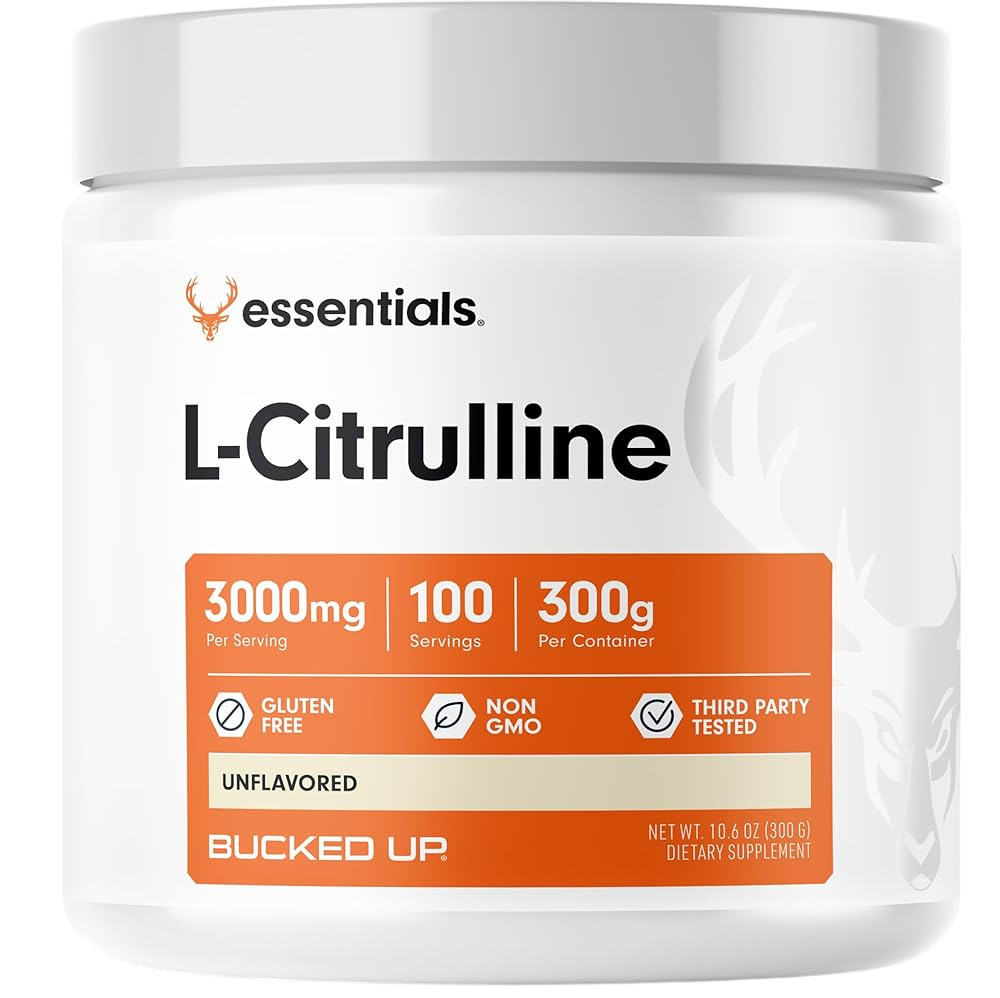
For reliable, research-aligned nitric oxide support, consider Bucked Up L-Citrulline as one option to support performance.1
The Problem: Why Beet-Root Pre-Workouts Can Feel Hit or Miss
Strength-focused lifters who experience flat sessions and caffeine-sensitive endurance athletes who want steady support without stimulants often turn to beet-root products. The appeal is straightforward. Beet-root is a concentrated source of dietary nitrates, and dietary nitrates are linked to nitric oxide production, which supports oxygen delivery to working muscle.
Frustration builds when results from beet-root products change from person to person and even session to session. Part of that variability traces back to how the dietary nitrate pathway works and how many steps must line up for it to deliver.
Why Nitric Oxide Pathway Choice Changes Your Results
The dietary nitrate pathway follows a multi-step route. Nitrates from beet-root are absorbed in the small intestine, circulated in the blood, and then concentrated in saliva. Oral bacteria convert those salivary nitrates into nitrite, which is then reduced to nitric oxide in the stomach and tissues. The critical dependency here is oral bacteria. Research published in the journal Nitric Oxide (2021) notes that the oral microbiome composition varies substantially between individuals, and that use of antibacterial mouthwash can significantly reduce nitrite conversion and blunt the ergogenic response from dietary nitrate supplementation. That variable sits directly between you and the outcome you expect.
L-Citrulline follows a different route. As a non-essential alpha-amino acid, L-Citrulline is absorbed in the small intestine and largely bypasses first-pass metabolism in the liver. That step degrades a significant portion of direct L-Arginine supplementation before it reaches systemic circulation. Once absorbed, L-Citrulline is transported to the kidneys, where it is converted into L-Arginine through the enzymes argininosuccinate synthase and argininosuccinate lyase. That L-Arginine then serves as the substrate for Nitric Oxide Synthase (NOS) enzymes, which produce nitric oxide. The result is a more sustained elevation in plasma L-Arginine compared to supplementing L-Arginine directly. A 2022 review in the Journal of the International Society of Sports Nutrition confirmed that oral L-Citrulline supplementation produces a more substantial and prolonged increase in circulating L-Arginine than equimolar L-Arginine doses, with peak plasma concentrations of L-Citrulline typically occurring within 0.7 to 2 hours after ingestion.
This enzymatic conversion process creates a practical difference. The L-Citrulline pathway does not depend on oral bacteria, mouthwash habits, or gut microbiome composition. The conversion steps are enzymatic and renal, which tend to be more consistent across individuals.
What the Research Shows on Endurance and Repetitions
Both pathways have controlled-trial support, and outcomes depend heavily on dose, form, timing, and training status.
For dietary nitrates, the 2021 Nitric Oxide review noted that ergogenic effects from beet-root nitrate supplementation are more consistently observed in recreationally active individuals than in highly trained athletes. The effective dose range in studied trials typically falls between 300 mg and 600 mg of inorganic nitrate, consumed about 2 to 3 hours before exercise. Beet-root juice and powder products vary in their actual nitrate content depending on growing conditions, processing, and storage. That variation contributes to the inconsistency some users report.
For L-Citrulline, the most-cited resistance training data involves Citrulline Malate at 8 g, a compound of L-Citrulline and Malic Acid in a 2:1 ratio. The 2022 JISSN review reported that studies using 8 g of Citrulline Malate observed significant increases in total repetitions completed to muscular failure across multiple sets during resistance exercise compared to placebo. Participants also reported reductions in muscle soreness in the days following training.1 Endurance outcomes, including time to exhaustion and power output during cycling, have also been studied with L-Citrulline, with results shaped by dose and training status. The timing window for acute performance support is approximately 60 minutes before exercise.
No pathway produces guaranteed outcomes at any dose. Each one requires the right form, the right amount, and the right timing to match what the research describes.
Comparing Formats: Beet-Root Powders, L-Citrulline, and Blends
Standalone beet-root products like Human SuperBeets are convenient and stimulant-free, which suits caffeine-sensitive users. The limitation is dose precision. The actual nitrate content per serving can vary, and the label may not disclose exact milligrams of inorganic nitrate. Without that number, matching the doses used in controlled trials becomes difficult. The pathway also requires the oral bacteria conversion step described earlier, and the recommended timing window of 2 to 3 hours pre-exercise runs longer than most pre-workout routines.
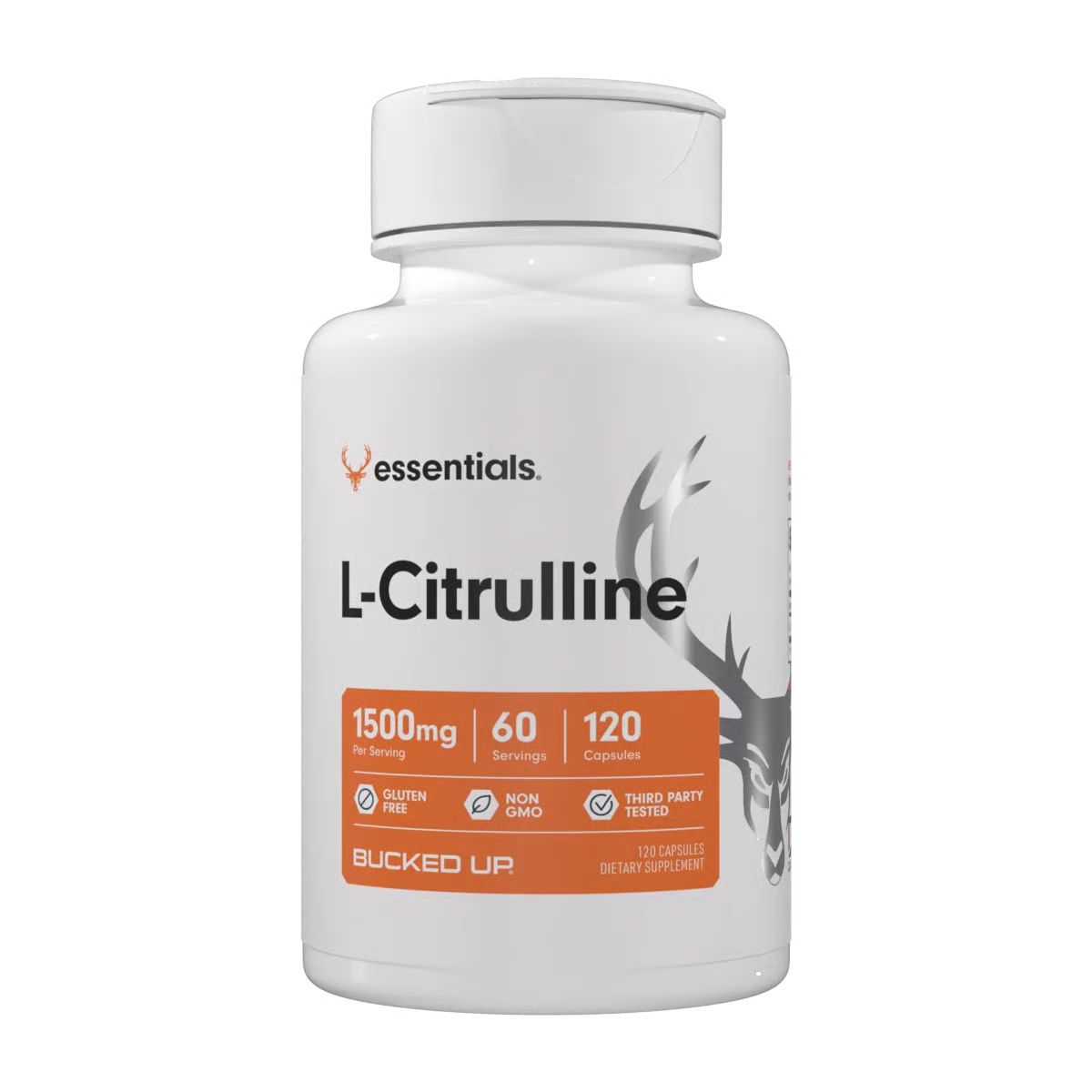
Standalone L-Citrulline powders and capsules provide exact gram dosing with no additional active ingredients. That structure makes stacking straightforward. An unflavored powder can be added to any beverage or existing pre-workout formula without changing the stimulant or focus profile. Capsules offer portability and precise per-serving amounts. The typical timing window is about 60 minutes pre-exercise.
Blended pre-workouts that disclose L-Citrulline grams on the label combine the pump and endurance support of L-Citrulline with energy, focus, and endurance ingredients in a single serving. Label transparency becomes the key evaluator. A blend that lists “Citrulline Malate” without disclosing the gram amount does not allow you to confirm whether the dose aligns with what studied trials used.
Bucked Up can stand out in a science-backed dosing approach, including Citrulline Malate and Pure L-Citrulline with disclosed gram amounts on every label.1 See the exact gram amounts in Bucked Up’s L-Citrulline formulas.
Checklist: How to Choose Your Nitric Oxide Support
Label transparency: Confirm that the product discloses exact grams of the active compound, such as inorganic nitrate in milligrams for beet-root or L-Citrulline in grams for citrulline products. If the amount is hidden in a proprietary blend, you cannot confirm alignment with studied doses.
Once you have verified the dose, consider timing fit. Timing fit: Beet-root nitrate products are typically studied at 2 to 3 hours pre-exercise, while L-Citrulline is typically studied at 60 minutes pre-exercise. Match the timing to your actual schedule so that the correct dose is active when you train.
Oral hygiene variables: Regular use of antibacterial mouthwash can reduce the reliability of the dietary nitrate pathway. L-Citrulline does not share this dependency on oral bacteria.
Stacking flexibility: Pure L-Citrulline powder is unflavored and mixes with most beverages, which makes it easy to add to an existing pre-workout stack. Beet-root powders have a distinct flavor profile that may not blend as cleanly.
Training goal alignment: Beet-root nitrate research focuses more on endurance and oxygen efficiency. L-Citrulline and Citrulline Malate research covers both endurance and resistance training repetitions. If your primary goal is supporting pump and repetitions completed, the Citrulline Malate data aligns more directly.
Stimulant preference: Both options appear in stimulant-free formats, which matters for evening training or caffeine-sensitive individuals.
Clearing Up Common Nitric Oxide Myths
Many athletes assume all nitric oxide pathways are interchangeable and that any product with “nitric oxide support” on the label will produce the same result. The pharmacokinetics covered earlier show a different picture. The dietary nitrate pathway and the L-Citrulline pathway involve different conversion steps, timing windows, dependencies, and research populations.
Another assumption is that higher nitrate content automatically delivers better results. Nitrate content is only one variable. Conversion efficiency, timing, and the individual’s training status all interact with that number. A product with a high nitrate figure on the label does not guarantee that the full amount converts to nitric oxide in your physiology.
A third assumption is that L-Arginine supplementation equals L-Citrulline supplementation because L-Citrulline converts to L-Arginine anyway. The pharmacokinetic difference is significant. Oral L-Arginine is substantially degraded by arginase enzymes in the gut and liver before reaching systemic circulation. L-Citrulline bypasses that degradation step and produces a more sustained plasma L-Arginine elevation. The conversion route matters as much as the destination.
Real-World Scenarios: How Different Athletes Decide
Beginner lifter, 3 months of consistent training: This person is still dialing in their pre-workout routine and may not have a strong baseline for comparing pump or endurance outcomes. A foundational pre-workout with a disclosed Citrulline Malate dose, such as 6,000 mg in a 2:1 ratio, alongside 200 mg of caffeine gives them a transparent starting point with both energy and nitric oxide support in one serving. Beet-root products remain a reasonable stimulant-free option if caffeine sensitivity is a concern and the nitrate content is disclosed.
High-volume strength athlete, training 5 to 6 days per week: This person has likely already cycled through several pre-workouts and is starting to care about the science behind the label. Citrulline Malate at the studied dose for resistance training, 6 to 8 g, is the more directly applicable choice for supporting repetitions completed and recovery from soreness. Stacking Pure L-Citrulline with Nitrosigine® and a glycerol compound represents an advanced option for those who want to support multiple nitric oxide pathways at the same time.
Caffeine-sensitive endurance runner: This person trains in the evening or has a low stimulant tolerance and needs nitric oxide support without caffeine. Both beet-root products and stimulant-free L-Citrulline options are relevant here. The decision comes down to the oral bacteria variable and timing preference. If the runner uses antibacterial mouthwash or has had inconsistent results with beet-root products, a stimulant-free pre-workout with disclosed L-Citrulline grams is worth evaluating. Bucked Up’s Non-Stimulant Pre-Workout includes 6,000 mg of Citrulline Malate (2:1) with no caffeine, which fits this profile directly.1
Match your training profile to the right L-Citrulline format.
Frequently Asked Questions
When should I take L-Citrulline before a workout?
For acute performance support, L-Citrulline is typically taken about 60 minutes before intense physical activity. As discussed earlier, this 60-minute pre-workout window aligns with L-Citrulline’s pharmacokinetic profile so that conversion to L-Arginine is underway when you begin training. If you are using a Citrulline Malate blend in a pre-workout formula, the same 60-minute window applies. Beet-root nitrate products are usually studied at a longer lead time of 2 to 3 hours before exercise, so the timing protocols differ.
What serving size of L-Citrulline is typically used in research on resistance training?
The 6 to 8 g Citrulline Malate range mentioned earlier, using a 2:1 ratio, provides about 3.4 to 4.5 g of pure L-Citrulline and represents the studied dose for resistance training benefits. For pure L-Citrulline without the malate component, studied doses for performance support generally fall in the 3 to 6 g range per day. A serving of 1.76 g of Citrulline Malate (2:1) provides about 1 g of pure L-Citrulline, so the two forms are not dosed identically. When evaluating a product label, confirm which form is listed and what the gram amount is per serving to assess alignment with the studied dose range.
Can beet-root products and L-Citrulline be taken together?
Current evidence does not show an established contraindication to combining dietary nitrate sources with L-Citrulline supplementation, because they operate through distinct pathways. Stacking two vasodilatory compounds does mean paying attention to total dose and individual response. Anyone with naturally low blood pressure, or anyone taking blood pressure medications or nitrate medications, should consult a healthcare provider before combining vasodilatory supplements, because additive effects on blood pressure are possible.
Are there digestive considerations with high-dose L-Citrulline?
L-Citrulline is generally well-tolerated at doses studied for performance support and often has a milder gastrointestinal profile than L-Arginine. At very high single doses, such as 10 g or more, some individuals report nausea, bloating, or cramping. Starting at a lower dose and assessing individual tolerance before moving to higher amounts is a reasonable approach. If you are sensitive to large powder volumes, capsule formats allow for more controlled dose escalation. As with any supplement, consult your healthcare provider if you experience persistent gastrointestinal discomfort.
Who should consult a healthcare provider before using L-Citrulline?
Individuals with naturally low blood pressure, serious kidney conditions, or those who are pregnant or breastfeeding should consult a healthcare provider before using L-Citrulline supplements. L-Citrulline’s vasodilatory effects may compound with blood-pressure-lowering medications, nitrate medications, or PDE5 inhibitors, which could result in an excessive drop in blood pressure. Anyone scheduled for surgery should discontinue L-Citrulline at least 2 weeks before the procedure and follow the guidance of their healthcare provider. These precautions apply regardless of the dose or product format.
Conclusion: Use Labels and Goals to Guide Your Choice
Human SuperBeets and similar beet-root products offer a legitimate stimulant-free option for supporting nitric oxide production. They can suit endurance-focused athletes who are not using antibacterial mouthwash and who can accommodate the longer pre-exercise timing window. The pathway works, and the variables are real, so understanding them helps you interpret a flat session more accurately.
L-Citrulline provides a more direct enzymatic route that does not depend on oral bacteria conversion. The studied dose range is easier to match from label to label when grams are disclosed. For resistance training, the Citrulline Malate research base aligns closely with outcomes many lifters care about, including repetitions completed, pump, and recovery from soreness.
A simple decision framework keeps the process clear. Check the label for disclosed gram amounts. Match the form and dose to the studied range for your training goal. Confirm that the timing fits your schedule. If you are caffeine-sensitive, verify that a stimulant-free option with the same disclosed dose is available.
This transparent dosing approach, with exact gram amounts disclosed for both Citrulline Malate and Pure L-Citrulline, separates science-aligned formulations from proprietary blends. Start with transparent dosing and explore Bucked Up’s L-Citrulline options.
*These statements have not been evaluated by the Food and Drug Administration. This product is not intended to diagnose, treat, cure, or prevent any disease.
References
Gough, L. A., Sparks, S. A., McNaughton, L. R., Higgins, M. F., Newbury, J. W., Trexler, E., Faghy, M. A., & Bridge, C. A. (2022). A critical review of citrulline malate supplementation and exercise performance. Journal of the International Society of Sports Nutrition, 19(1), 1-17. https://pubmed.ncbi.nlm.nih.gov/34417881/
1 The content provided in this article is for informational purposes only and is not medical advice. Consult with a medical professional before implementing any changes to your diet, health, or exercise routines. Individual results will vary and are based on a combination of each individual’s diet, exercise, age, and health circumstances. These statements have not been evaluated by the Food and Drug Administration. This product is not intended to diagnose, treat, cure or prevent any disease.
This article was written by Ryan Gardner, CEO of Bucked Up. As the maker of Bucked Up Protein Soda, we have a financial interest in this information. The views expressed are our own and should be read with that context in mind.