Written by: Ryan Gardner, Owner, Managing Partner, CEO, Bucked Up
Key Takeaways
-
Many nitric oxide boosters underperform because they hide L-citrulline doses inside proprietary blends, which often leaves lifters with flat pumps and weak endurance despite consistent training.
-
L-citrulline often supports nitric oxide production more effectively than L-arginine because it bypasses first-pass metabolism and maintains higher plasma arginine levels for vasodilation.1
-
Research-backed ranges for pure L-citrulline and citrulline malate (2:1) support measurable improvements in oxygen delivery, waste removal, and muscle pumps during pre-workout sessions.1
-
Transparent label evaluation that checks disclosed grams, ingredient form, ratio, and absorption support like Astragin® is the most reliable way to find a nitric oxide booster that actually delivers.
-
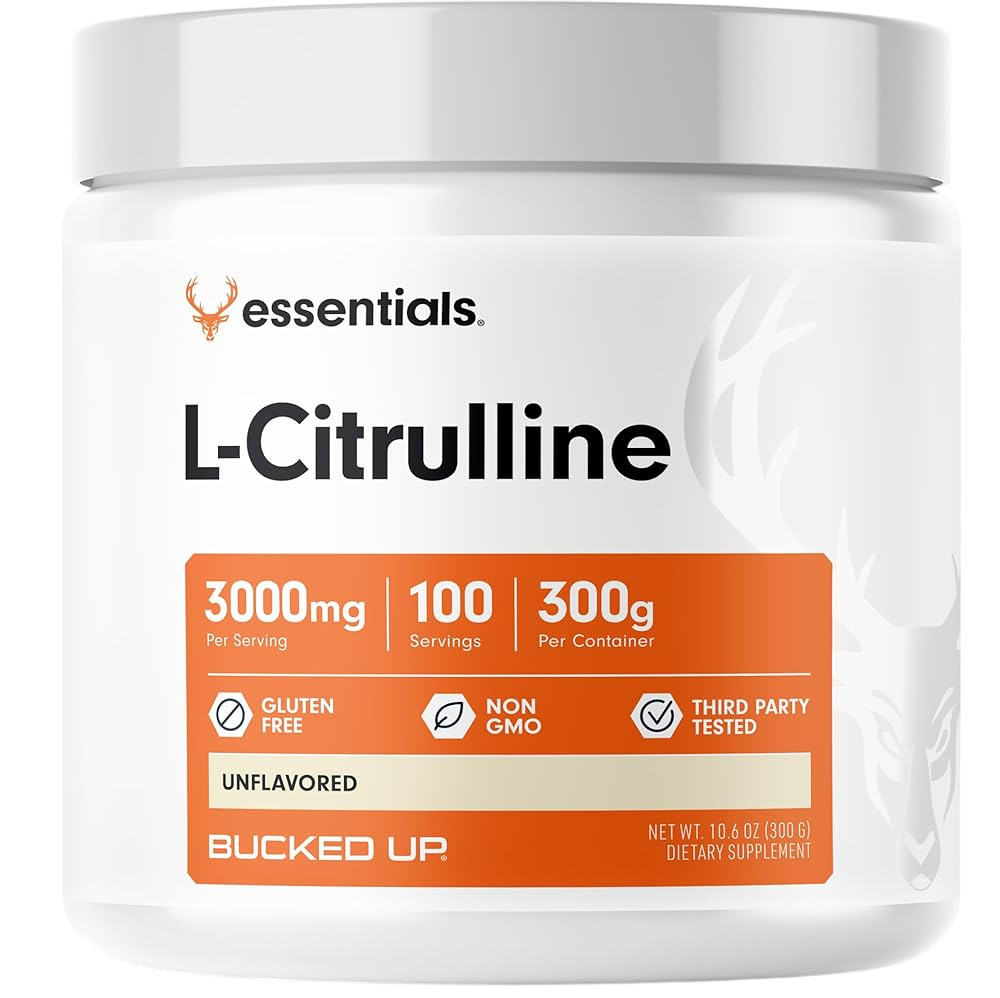
For a science-focused nitric oxide option with disclosed, performance-relevant doses, explore Bucked Up L-Citrulline and align your dose with your training goals.
The Problem: Flat Workouts from Under-Dosed Nitric Oxide Boosters
Most intermediate lifters who read labels already know that L-citrulline is the pump ingredient. Knowing an ingredient is present and getting a dose that truly supports nitric oxide production are two different outcomes. Many pre-workout formulas list L-citrulline or citrulline malate on the label but hide the actual gram count inside a proprietary blend. When the dose is not disclosed, you cannot tell whether you are getting a performance-relevant amount or a trace quantity added for label appeal.
This situation often creates a pre-workout that delivers caffeine-driven energy without enough blood flow support to make that energy productive at the muscle level. You feel wired, yet the nutrient delivery side of the equation falls short. That experience of a flat workout despite consistent training reflects a dosing problem, not a training problem.
Why Under-Dosed Formulas Affect Different Lifters Differently
This dosing problem does not affect all lifters in the same way. The consequences of under-dosed nitric oxide precursors show up differently depending on where a lifter is in their training. Beginners may not notice right away because novelty and progressive overload drive early gains even when supplement quality is average. High-stimulant veterans often feel the gap most: high caffeine intake can cause vasoconstriction, and without a meaningful citrulline dose to support vasodilation, the net effect becomes jittery energy without matching blood flow.
Science-focused bodybuilders who understand nitric oxide synthesis are more likely to recognize when a formula underdelivers and to feel frustrated by wasted spend. Across all three profiles, the outcome stays the same. Money goes toward a product that lists a credible ingredient without delivering a credible dose, and progress stalls because the amount used never reaches a level that can support performance.
L-Citrulline and L-Arginine: How They Really Support Nitric Oxide
L-citrulline is a non-essential alpha-amino acid that the body converts into L-arginine in the kidneys. L-arginine then serves as a substrate for nitric oxide synthase (NOS) enzymes, which produce nitric oxide, a gaseous signaling molecule that supports relaxation of vascular smooth muscle and vasodilation. The reason L-citrulline often outperforms direct L-arginine supplementation for this purpose comes down to pharmacokinetics.
Oral L-arginine is significantly degraded by arginase enzymes in the gut and liver before it reaches systemic circulation, a process called first-pass metabolism. A 2008 randomized controlled trial by Schwedhelm et al. (n=20) found that oral L-citrulline dose-dependently elevates plasma arginine and nitric oxide-dependent signaling more effectively than L-arginine, because L-citrulline bypasses that intestinal and hepatic first-pass extraction. L-citrulline is absorbed from the small intestine, transported to the kidneys, and converted into L-arginine there, which creates a more sustained elevation of circulating L-arginine available for nitric oxide synthesis. L-citrulline is efficiently absorbed after oral ingestion, so it functions as a reliable nitric oxide precursor at typical oral doses.
This distinction matters directly for pre-workout performance. It influences whether the nitric oxide pathway receives meaningful substrate or remains under-fueled.
How Nitric Oxide Support Translates to Pre-Workout Performance
Vasodilation from nitric oxide production supports the delivery of oxygen, glucose, and other metabolic substrates to active skeletal muscle. In a study of 10 healthy young men, 6 g/day of L-citrulline for seven days supported improvements in exercise tolerance and total work completed during severe-intensity cycling compared to placebo, while the same dose of L-arginine produced no such benefit (Bailey et al., Journal of Applied Physiology, 2015).1 The same study reported improved oxygen uptake kinetics, which reflects how efficiently working muscle accesses available oxygen during high-intensity effort.
In training terms, better oxygen and nutrient delivery to active muscle supports your ability to sustain output across sets and intervals. This effect becomes especially relevant in the later portions of a session when fatigue builds.
L-Citrulline, the Urea Cycle, and Waste Removal
L-citrulline is a key intermediate in the urea cycle, the metabolic process that converts ammonia into urea for excretion. Ammonia accumulates during intense exercise as a byproduct of protein metabolism and high-rate ATP turnover, and elevated ammonia in skeletal muscle is linked with central fatigue. L-citrulline facilitates ammonia detoxification during exercise through its role in the urea cycle, which may contribute to reduced fatigue through enhanced metabolic waste removal.1
When citrulline malate is used instead of pure L-citrulline, the malate component adds a theorized secondary mechanism. Malic acid is an intermediate in the Krebs cycle, which supports aerobic ATP production. The 2:1 ratio of citrulline to malic acid used in research-referenced formulas aims to address both vasodilation and energy metabolism fatigue at the same time. Always consult your healthcare provider before beginning any new supplementation protocol.
Enhanced Muscle Pumps and Why They Matter
The muscle pump goes beyond aesthetics. It reflects increased blood volume in working muscle tissue, which supports nutrient delivery and creates the intramuscular pressure associated with the training sensation many lifters associate with productive work. L-citrulline at studied doses of 3 to 8 g supports vasodilation, muscular endurance during resistance training, and reduced perceived muscle soreness post-exercise.1
The pump also acts as a signal. When blood flow to active muscle is supported, the delivery of everything else in a pre-workout formula, including energy substrates and focus compounds, has a better vehicle to reach the tissue where it is needed. Citrulline supports the pump, and the pump supports the session.
L-Citrulline Dosage and Timing for Pre-Workout Use
Dosing thresholds matter more than ingredient presence. For citrulline malate in a 2:1 ratio, the studied range for resistance training performance support typically falls between 6 and 8 g taken about 30 to 60 minutes before exercise. For pure L-citrulline, the studied range for performance support generally falls between 3 and 6 g per day, with acute pre-exercise doses often taken about 60 minutes before training. Because 1.76 g of citrulline malate (2:1) provides approximately 1 g of pure L-citrulline, the forms are not interchangeable gram-for-gram.
Multi-day supplementation at 6 g/day of L-citrulline shows more consistent support for exercise performance gains than acute single-dose protocols.1 This pattern suggests that sustained elevation of plasma arginine over time may matter more than a single pre-workout spike. For lifters who use a daily pre-workout, consistent use often covers both acute and chronic support. Many lifters also stack L-citrulline with nitric oxide-supporting compounds like Nitrosigine® and cellular hydration agents like glycerol, which address vasodilation and fluid balance through complementary pathways.
Comparing Food, Standalone Powders, and Pre-Workout Blends
Food sources of L-citrulline exist, mainly watermelon, cucumbers, and squash. Reaching a performance-relevant dose from food alone would require roughly 2.2 to 3.3 lbs of watermelon per day, which is not realistic as a pre-workout strategy.
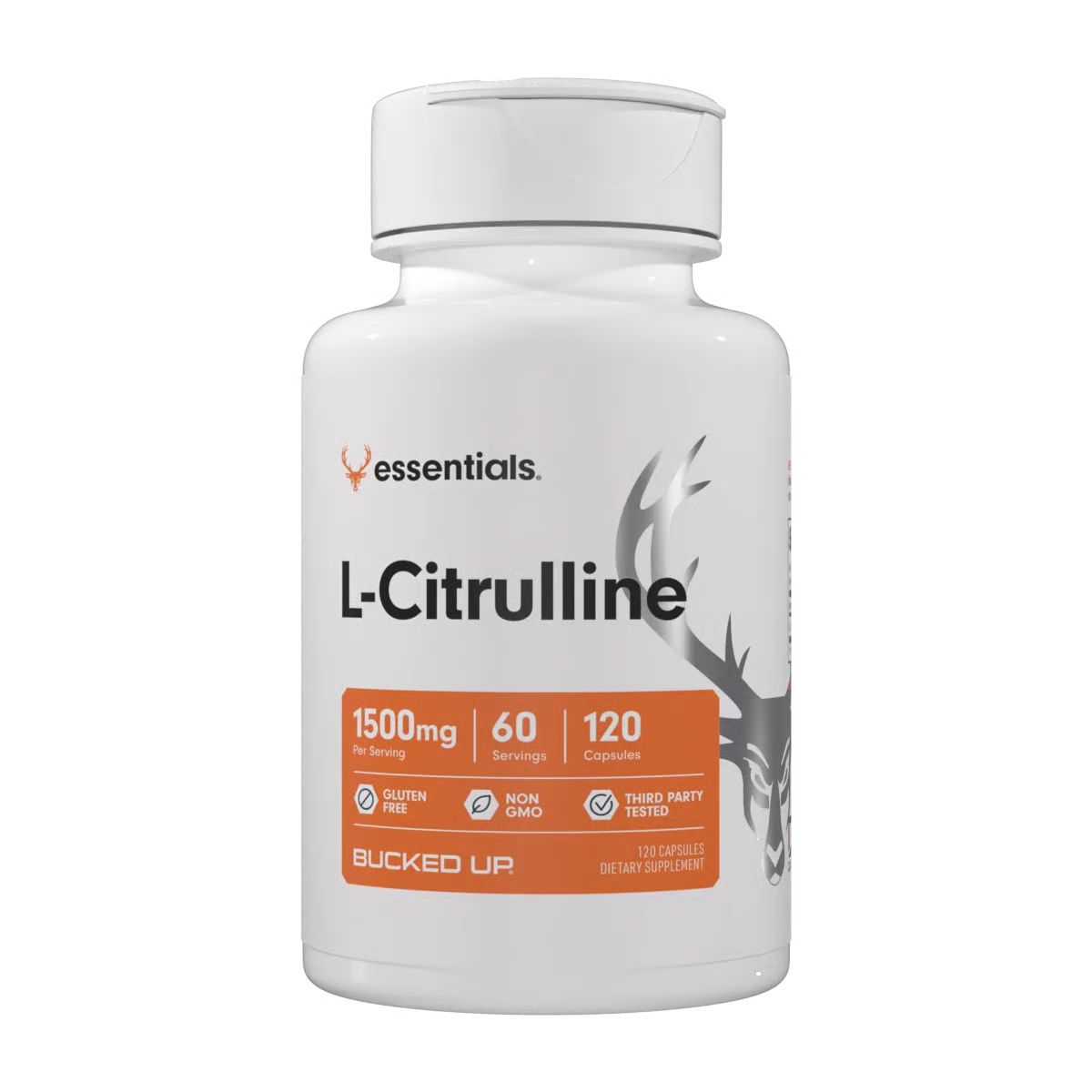
Standalone L-citrulline supplements, in powder or capsule form, allow precise dosing and flexible stacking. They work well for lifters who want to control their citrulline intake independently of a blended formula or who are running higher-dose stacking protocols with other pre-workout compounds.
Blended pre-workout formulas that disclose their citrulline content by gram on the label offer convenience and ingredient combinations, provided the disclosed dose reaches a studied threshold. Formulas that use proprietary blends without disclosing individual ingredient amounts make dose verification impossible. Label transparency becomes the deciding factor.
Step-by-Step Framework for Evaluating a Nitric Oxide Booster
Start with ingredient form and identify whether the product uses pure L-citrulline or citrulline malate. If it uses citrulline malate, confirm that the ratio is specified as 2:1, because this ratio affects how much actual citrulline you receive per gram. Next, check the disclosed serving size and look for the gram amount of citrulline listed per serving as its own figure, not hidden in a proprietary blend total. Without that disclosure, you cannot judge effectiveness.
After confirming disclosure, compare the serving size to the studied range described in the dosage section above. This step tells you whether the product reaches a performance-relevant threshold or stays in trace territory. Then review the label for absorption support and look for compounds like Astragin®, which are studied for their potential to support citrulline bioavailability. Finally, match the formula to your intended use case, such as endurance focus with citrulline malate 2:1, advanced pump support with pure L-citrulline stacked with Nitrosigine® and glycerol, or stimulant-free training that still includes a full citrulline dose.
Safety, Tolerance, and Common Misconceptions
L-citrulline is generally well-tolerated at doses studied for performance support. Pure L-citrulline at doses up to 10 g is generally well-tolerated with only mild and infrequent gastrointestinal side effects reported, unlike equivalent doses of L-arginine which commonly cause cramping and diarrhea. At very high single doses above 10 g, some individuals may experience nausea, bloating, or headaches from vasodilatory effects. These effects appear uncommon at the 6 to 8 g range often studied for training performance.
Individuals with naturally low blood pressure, kidney conditions, or scheduled surgery should consult a healthcare provider before using L-citrulline, because its vasodilatory effects may interact with those conditions. L-citrulline may compound the effects of blood pressure medications, nitrate medications, and PDE5 inhibitors. Always consult your healthcare provider before combining L-citrulline with any prescription medication. Pregnant or breastfeeding individuals should avoid use without guidance from a healthcare provider.
Many people assume that any citrulline dose produces a training effect. The research base suggests that both dose and duration matter. A trace amount listed on a label without a disclosed gram count does not match a studied performance-relevant dose.
How Different Lifters Can Match Citrulline to Their Goals
The pump-focused lifter who trains hard but feels flat between sets may prioritize a formula with 6,000 mg of citrulline malate (2:1) at a disclosed amount, which sits at the threshold studied for supporting nitric oxide production and the associated training pump.*
The high-stimulant veteran who takes high-caffeine pre-workouts but notices reduced vascularity may look for a formula that pairs a meaningful citrulline dose with high stimulant content, since caffeine at high doses can cause vasoconstriction that a sufficient citrulline load may help offset.*
The science-focused bodybuilder who wants advanced nitric oxide support may evaluate formulas that stack pure L-citrulline with Nitrosigine® and a glycerol compound, addressing vasodilation and cellular hydration through multiple pathways at once.*
The stimulant-sensitive lifter who trains at night or prefers a caffeine-free option may choose a stimulant-free pre-workout that still includes a full citrulline malate dose, because blood flow support remains relevant to training performance regardless of caffeine content.*
Frequently Asked Questions
What is the difference between citrulline malate and pure L-citrulline for pre-workout use?
Citrulline malate is a compound of L-citrulline and malic acid, typically in a 2:1 ratio. The L-citrulline component supports nitric oxide production and vasodilation, while the malic acid component is theorized to support aerobic energy production through its role as a Krebs cycle intermediate. Pure L-citrulline delivers 100% L-citrulline per gram, which makes it more concentrated for direct nitric oxide support. Because 1.76 g of citrulline malate (2:1) provides approximately 1 g of pure L-citrulline, the two forms require different gram amounts to deliver equivalent citrulline content. Neither form works better for every situation. The right choice depends on whether you prefer the dual energy-plus-pump support of citrulline malate or the concentrated nitric oxide focus of pure L-citrulline, potentially stacked with complementary compounds.
How long before a workout should I take L-citrulline?
For acute pre-workout use, many lifters take L-citrulline about 60 minutes before intense physical activity. This timing aligns with peak plasma concentrations, which occur roughly one hour after ingestion. Citrulline malate is often taken 30 to 60 minutes pre-exercise in resistance training protocols. Consistent daily use over multiple days may provide more sustained support for plasma arginine levels than relying only on a single pre-workout dose.
Why does L-citrulline often support nitric oxide production better than L-arginine?
L-arginine is significantly degraded by arginase enzymes in the gut and liver during first-pass metabolism, which limits how much reaches systemic circulation to support nitric oxide synthesis. L-citrulline bypasses this degradation, is absorbed efficiently from the small intestine, and is converted into L-arginine in the kidneys. This pathway results in a more sustained elevation of circulating L-arginine available for nitric oxide production. In practice, oral L-citrulline supports plasma arginine levels more reliably than equivalent oral doses of L-arginine itself.
Are there any side effects or contraindications I should know about?
L-citrulline is generally well-tolerated at doses studied for performance support. At very high single doses above 10 g, some individuals may experience nausea, bloating, or headaches. Individuals with naturally low blood pressure, kidney conditions, or upcoming surgery should consult a healthcare provider before use. L-citrulline may compound the effects of blood pressure medications, nitrate medications, and PDE5 inhibitors. Pregnant or breastfeeding individuals should avoid use without healthcare provider guidance. Always consult your healthcare provider before adding any new supplement to your routine, especially if you take prescription medications.
What should I look for on a pre-workout label to verify the citrulline dose is effective?
Look for the gram amount of citrulline or citrulline malate listed per serving as a standalone disclosed figure, not buried inside a proprietary blend total. For citrulline malate, confirm the ratio is specified as 2:1 and that the total serving meets the studied range for resistance training support. For pure L-citrulline, look for a performance-relevant dose threshold that aligns with the ranges discussed earlier. Also check whether the formula includes an absorption-supporting compound like Astragin®, which is studied to support citrulline bioavailability. If the label does not disclose individual ingredient amounts, you cannot verify that the dose reaches any studied threshold.
Conclusion: Using Transparent Formulas That Follow the Research
The nitric oxide booster benefits for pre-workout performance that lifters actually feel, including supported blood flow, ammonia clearance, and the training pump, depend on one factor above all others. The citrulline dose on the label must be real, disclosed, and aligned with what research supports. An ingredient listed without a gram count does not qualify as a dose. A dose below a studied threshold does not function as a reliable performance tool. L-arginine, even when highlighted on a label, does not survive first-pass metabolism well enough to consistently support nitric oxide production at the systemic level.
The evaluation framework stays simple. Check the form, check the disclosed grams, verify that the dose reaches a studied range, and confirm that the formula includes absorption support. Bucked Up discloses every gram of citrulline across the pre-workout line, from 6,000 mg of Citrulline Malate (2:1) in foundational and high-stim formulas to the advanced Pump Trifecta of 4,000 mg Pure L-Citrulline stacked with Nitrosigine® and Hydroprime® Glycerol in Mother Bucker, with Astragin® included across the line to support citrulline absorption.*
*These statements have not been evaluated by the Food and Drug Administration. This product is not intended to diagnose, treat, cure, or prevent any disease.
References
Bailey, S. J., Blackwell, J. R., Lord, T., Vanhatalo, A., Winyard, P. G., & Jones, A. M. (2015). L-citrulline supplementation improves O2 uptake kinetics and high-intensity exercise performance in humans. Journal of Applied Physiology, 119(4), 385–395.https://pubmed.ncbi.nlm.nih.gov/26023227/
1 The content provided in this article is for informational purposes only and is not medical advice. Consult with a medical professional before implementing any changes to your diet, health, or exercise routines. Individual results will vary and are based on a combination of each individual’s diet, exercise, age, and health circumstances. These statements have not been evaluated by the Food and Drug Administration. This product is not intended to diagnose, treat, cure or prevent any disease.
This article was written by Ryan Gardner, CEO of Bucked Up. As the maker of Bucked Up Protein Soda, we have a financial interest in this information. The views expressed are our own and should be read with that context in mind.