Written by: Ryan Gardner, Owner, Managing Partner, CEO, Bucked Up
Key Takeaways
-
L-citrulline at typical performance doses of 3 to 8 grams has a mild side-effect profile.1 Most reported discomfort comes from other pre-workout ingredients like high-dose caffeine or beta-alanine.
-
Common triggers for nausea, headaches, and lightheadedness include taking the stack on an empty stomach, dehydration, or poor timing rather than the citrulline itself.
-
Five same-day fixes can resolve most issues without changing products: eat a small snack beforehand, hydrate, start with a half serving, time your dose correctly, and isolate variables.
-
Standalone L-citrulline is generally well-tolerated. Combining it with blood-pressure medications or nitrates requires healthcare-provider guidance because of additive vasodilatory effects.
-
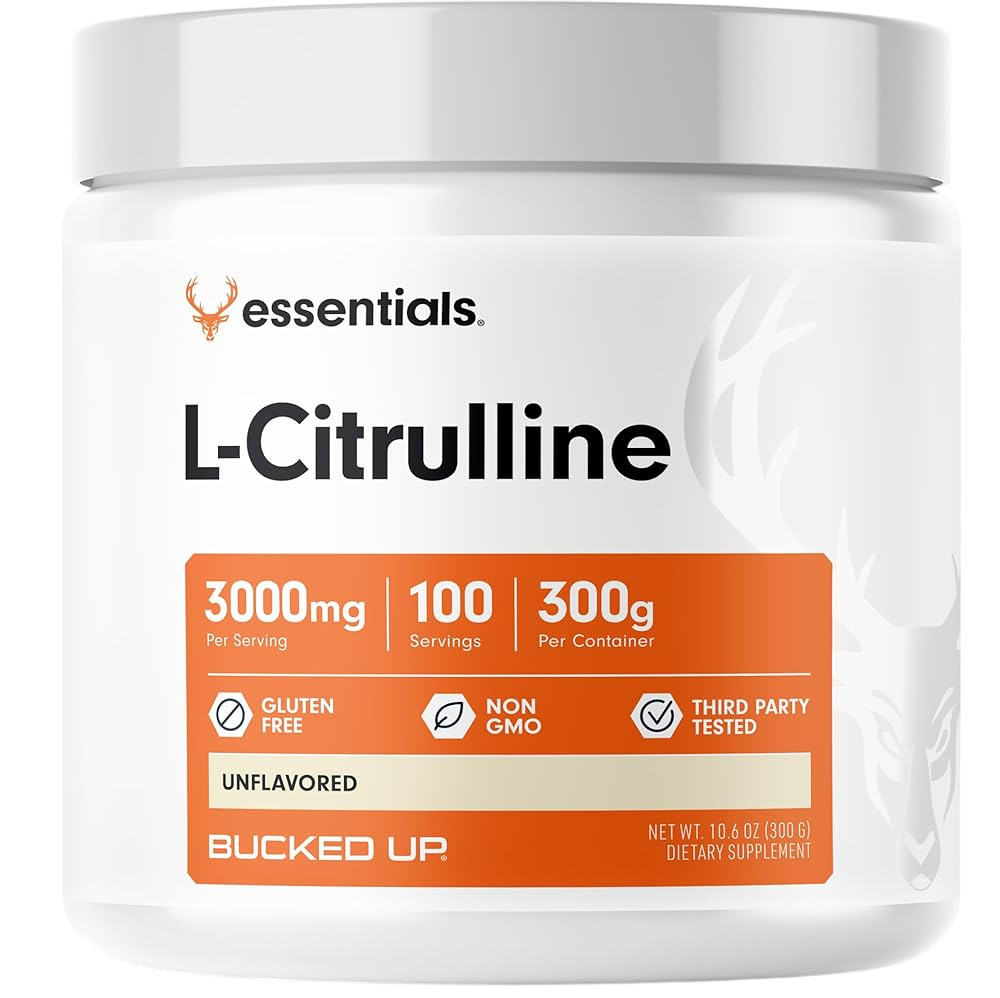
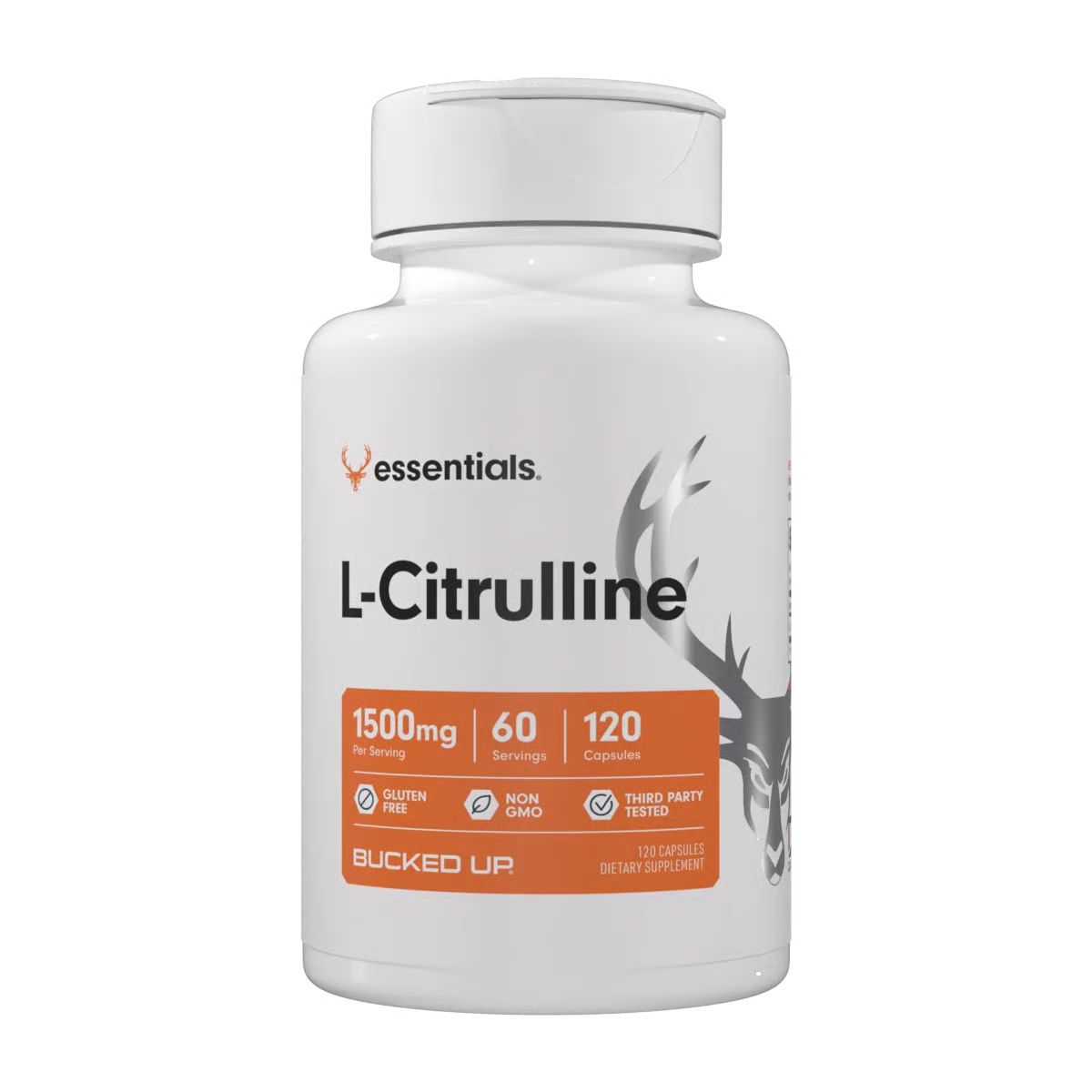
For a pure, science-backed L-citrulline option that supports absorption and performance, check out Bucked Up L-Citrulline.1
Why Your Pre-Workout Feels Rough When L-Citrulline Is Not the Main Problem
L-citrulline is a non-essential amino acid that the body converts into L-arginine in the kidneys. L-arginine then supports nitric oxide production and vasodilation.*1 Cleveland Clinic Health Essentials notes that L-citrulline is generally well-tolerated, with gastrointestinal discomfort appearing primarily at very high single doses, typically above 10 grams, rather than at the 3 to 8 gram range used in most performance contexts.
The symptoms pre-workout users most often report include nausea, headaches, stomach cramps, and lightheadedness. Several other ingredients or habits inside a full pre-workout stack more commonly drive those issues.
-
Caffeine: High-stim caffeine (300 mg or more per serving) in pre-workout formulas is a well-documented trigger for headaches, jitteriness, and nausea, especially when taken without food or water.
-
Beta-alanine: The tingling sensation, or paresthesia, from beta-alanine is harmless but can feel alarming. Some users blend that feeling into a general sense of physical discomfort.
-
Dehydration: Vasodilation from nitric oxide support* combined with low fluid intake can produce lightheadedness, particularly during heavy compound lifts.
-
Empty stomach dosing: Taking a concentrated pre-workout formula without any food speeds up absorption of all active compounds at once, which can overwhelm the GI tract.
Healthline’s overview of citrulline supplementation confirms that standalone L-citrulline is not commonly associated with serious adverse effects at doses studied for exercise performance. GI complaints tend to be dose-dependent rather than inherent to the ingredient.
*These statements have not been evaluated by the Food and Drug Administration. This product is not intended to diagnose, treat, cure, or prevent any disease.
Five Same-Day Fixes When Your Pre-Workout Makes You Feel Off
Most mild pre-workout side effects improve quickly with small changes to food, fluid, dose, and timing. These five adjustments can be applied at your very next session, without switching products.
-
Eat something small 30 to 45 minutes before dosing. A light meal or snack of 100 to 200 calories, kept low in fat, slows gastric emptying and reduces the GI load from a concentrated stack. This single change resolves many stomach complaints for users who were previously dosing fasted.
-
Hydrate before and during your workout. Aim for at least 16 oz of water with your pre-workout serving, then keep sipping throughout your session. Vasodilation without enough fluid volume can quickly lead to lightheadedness. Consult your healthcare provider if you follow a fluid restriction plan.
-
Start with half a serving when testing a new formula. New users or those returning after a break can run a half-dose assessment session. This approach helps you spot which compound feels problematic without committing to a full stack. Many GI and headache complaints ease at lower doses.
-
Time your dose 45 to 60 minutes before training. L-citrulline reaches peak plasma concentrations within roughly 0.7 to 2 hours after ingestion, so this timing window keeps the ingredient active when you need it most. Taking your pre-workout too close to training means caffeine and other fast-acting compounds hit before you are warmed up, which can amplify cardiovascular sensitivity.
-
Isolate the variable if problems continue. If discomfort persists after steps one through four, run a session with standalone L-citrulline powder only and skip the rest of the stack. This simple test shows whether L-citrulline is actually the issue or whether caffeine, beta-alanine, or another compound is driving the problem. Consult your healthcare provider before making significant changes to your supplement routine.
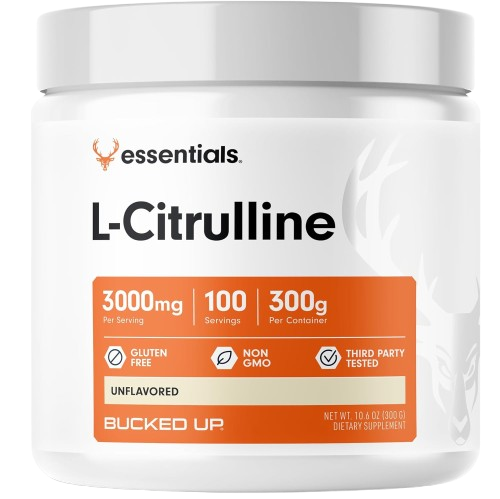
Bucked Up promotes a science-backed approach to dosing, including Citrulline Malate and Pure L-Citrulline.1 Explore L-Citrulline options that support your performance goals.
How Safe Is L-Citrulline Inside a Full Pre-Workout Stack?
Standalone L-citrulline is generally well-tolerated at studied performance doses. Cleveland Clinic Health Essentials notes that it is considered safe for healthy adults, with mild GI upset reported mainly at very high single doses.
The picture changes once L-citrulline sits inside a full pre-workout stack. A typical formula adds caffeine, often 200 mg to 400 mg per serving, along with beta-alanine, creatine, and various stimulant compounds, each with its own side-effect profile. More importantly, these ingredients interact in ways that can amplify discomfort.
High-dose caffeine can cause vasoconstriction that works against the vasodilatory effects of citrulline. That push and pull can feel like a tight, pressured sensation or a headache for some users. Beta-alanine’s paresthesia is harmless but can be misread as a sign that something is wrong.
The practical takeaway is straightforward. If you tolerate standalone L-citrulline without issues but feel off with a full stack, the stack is the variable to investigate, not the citrulline. Consult your healthcare provider if symptoms are persistent or severe.
Bucked Up’s pre-workout line uses transparent labeling, so every gram of every ingredient appears on the label. That clarity makes it easier to identify which compound to adjust if you experience discomfort, instead of guessing at what might be inside a proprietary blend.
Combinations and Medications to Avoid with L-Citrulline
L-citrulline supports nitric oxide production and vasodilation.* Combining it with other compounds that affect blood pressure or vascular tone can create additive effects that go beyond what either compound would do alone. Always consult your healthcare provider before combining L-citrulline with any prescription medication.
-
Blood pressure medications (ACE inhibitors, beta-blockers): L-citrulline may compound the effects of blood-pressure-lowering medications, which could drop blood pressure lower than intended. Consult your healthcare provider.
-
Nitrate medications (for example, nitroglycerin): Concurrent use can cause excessive vasodilation and a significant drop in blood pressure. Consult your healthcare provider.
-
Phosphodiesterase-5 (PDE5) inhibitors: Combining L-citrulline with PDE5 inhibitors can produce additive vasodilatory effects and a severe drop in blood pressure. Consult your healthcare provider.
-
Anticoagulants and antiplatelet drugs: A theoretical risk of additive effects exists with blood-thinning medications, although this is less well-established. Consult your healthcare provider.
-
Pre-surgery window: Because of potential effects on blood pressure, L-citrulline should be discontinued at least two weeks before any scheduled surgery. Follow the guidance of your healthcare provider.
*These statements have not been evaluated by the Food and Drug Administration. This product is not intended to diagnose, treat, cure, or prevent any disease.
L-Citrulline Dosage: Performance Range and GI Discomfort Threshold
Clear dosage ranges help you stay within studied performance levels while avoiding unnecessary GI stress. The figures below reflect ranges documented in performance and cardiovascular function research for healthy adults.
Performance range: 3 to 8 grams of pure L-citrulline per day, typically taken as a single pre-workout dose or split across the day for cardiovascular support.
GI discomfort threshold: Mild gastrointestinal discomfort has been reported at single doses above about 10 grams, although individual tolerance varies.
Note: 1.76 g of Citrulline Malate (2:1) provides approximately 1 g of pure L-citrulline. When you compare labels, confirm which form appears and calculate the true citrulline content. Consult your healthcare provider before exceeding studied dose ranges.
*These statements have not been evaluated by the Food and Drug Administration. This product is not intended to diagnose, treat, cure, or prevent any disease.
Absorption Support: Improving Tolerance Without Raising Your Dose
Incomplete absorption is a common and often overlooked reason some users experience GI discomfort. When L-citrulline is not fully absorbed in the small intestine, the unabsorbed portion reaches the large intestine, where it can cause fermentation-related bloating and cramping.
Lowering your dose will not fully solve this problem if your body is not absorbing citrulline efficiently. You would lose some performance benefit while still dealing with discomfort. The more effective approach focuses on better absorption of the dose you already take.
Two practical strategies can help.
Astragin® co-formulation: Astragin® is a patented compound studied to support the absorption and bioavailability of amino acids, including citrulline.*1 Bucked Up includes Astragin® across its pre-workout line, so every gram of citrulline on the label has built-in absorption support. Users who run standalone citrulline powder can pair it with an Astragin®-containing formula or choose a product that includes it to support absorption without raising the dose.
Food co-ingestion: Taking L-citrulline with a small meal slows gastric transit and supports absorption in the small intestine. This strategy matters most for users who train in the morning and usually dose fasted. A small carbohydrate-containing snack, such as a banana or a piece of toast, is enough. A full meal is not required.
Healthline’s review of citrulline supplementation notes that absorption strategies are a practical lever for users who experience GI sensitivity. That guidance aligns with citrulline’s favorable tolerability profile compared to direct L-arginine supplementation, which is more prone to GI upset because of its degradation pathway.
*These statements have not been evaluated by the Food and Drug Administration. This product is not intended to diagnose, treat, cure, or prevent any disease.
Frequently Asked Questions
How long before a workout should I take L-citrulline?
The 45 to 60 minute pre-training window aligns citrulline’s peak plasma concentration with the start of your working sets. This timing helps you feel the performance support when you actually train. If you use a full pre-workout stack, apply the same window to the entire serving.
Is Citrulline Malate or Pure L-Citrulline better for avoiding side effects?
Neither form shows a meaningful difference in side-effect profile at equivalent citrulline doses. Citrulline Malate (2:1) includes malic acid, a Krebs Cycle intermediate studied for its role in supporting energy metabolism.* Pure L-Citrulline delivers 100 percent citrulline per gram, which makes it easier to dial in a precise citrulline amount. If GI sensitivity concerns you, total dose and whether you take it with food matter more than the form.
Can I take L-citrulline every day, or should I cycle it?
Studied dosing protocols for cardiovascular function support use daily supplementation at 3 to 6 grams of pure L-citrulline without a specified cycling schedule. For performance, most research uses acute pre-exercise dosing. Current evidence does not show that healthy adults must cycle L-citrulline, but you should consult your healthcare provider if you have underlying health conditions or take medications that interact with vasodilatory compounds.
Why do I get a headache after my pre-workout even though I drink plenty of water?
Headaches after pre-workout are more often linked to high-dose caffeine than to L-citrulline. Caffeine causes vasoconstriction, and the rebound vasodilation as it clears can trigger headaches in sensitive individuals. If you are well-hydrated and still experience headaches, review whether the caffeine dose in your formula sits above your personal tolerance. Trying a half serving or a lower-caffeine formula is a practical first step. Consult your healthcare provider if headaches are frequent or severe.
Does L-citrulline cause the tingling feeling I get from pre-workout?
No. The tingling sensation, or paresthesia, that many pre-workout users feel comes from beta-alanine, not L-citrulline. Beta-alanine activates sensory nerve receptors in the skin, which produces a harmless flushing or prickling sensation that usually fades within 20 to 30 minutes. L-citrulline does not cause paresthesia. A session with standalone L-citrulline powder will confirm this, since it produces no tingling at all.
Conclusion: Keep the Pump and Lose the Upset
L-citrulline side effects for pre-workout users are real but manageable, and in many cases they do not come from L-citrulline itself.1 The five mitigation steps in this article, including eating before dosing, hydrating properly, starting with a half serving, timing your dose correctly, and isolating variables, target the true causes of discomfort while preserving an ingredient with a well-documented performance support profile.*
Users who have been cutting citrulline or skipping it because of stack-related discomfort often benefit more from adjusting the rest of the stack, their timing, or their absorption strategy. That approach keeps the pump while reducing the upset.1
*These statements have not been evaluated by the Food and Drug Administration. This product is not intended to diagnose, treat, cure, or prevent any disease.
References
Healthline. (2023). L-Citrulline: Benefits, Dosage, and Side Effects. Healthline Media.
1 The content provided in this article is for informational purposes only and is not medical advice. Consult with a medical professional before implementing any changes to your diet, health, or exercise routines. Individual results will vary and are based on a combination of each individual’s diet, exercise, age, and health circumstances. These statements have not been evaluated by the Food and Drug Administration. This product is not intended to diagnose, treat, cure or prevent any disease.
This article was written by Ryan Gardner, CEO of Bucked Up. As the maker of Bucked Up Protein Soda, we have a financial interest in this information. The views expressed are our own and should be read with that context in mind.