Last updated: April 22, 2026
Key Takeaways
- Citrulline malate supports workout performance by increasing total repetitions, improving endurance, and enhancing nitric oxide for stronger pumps.1
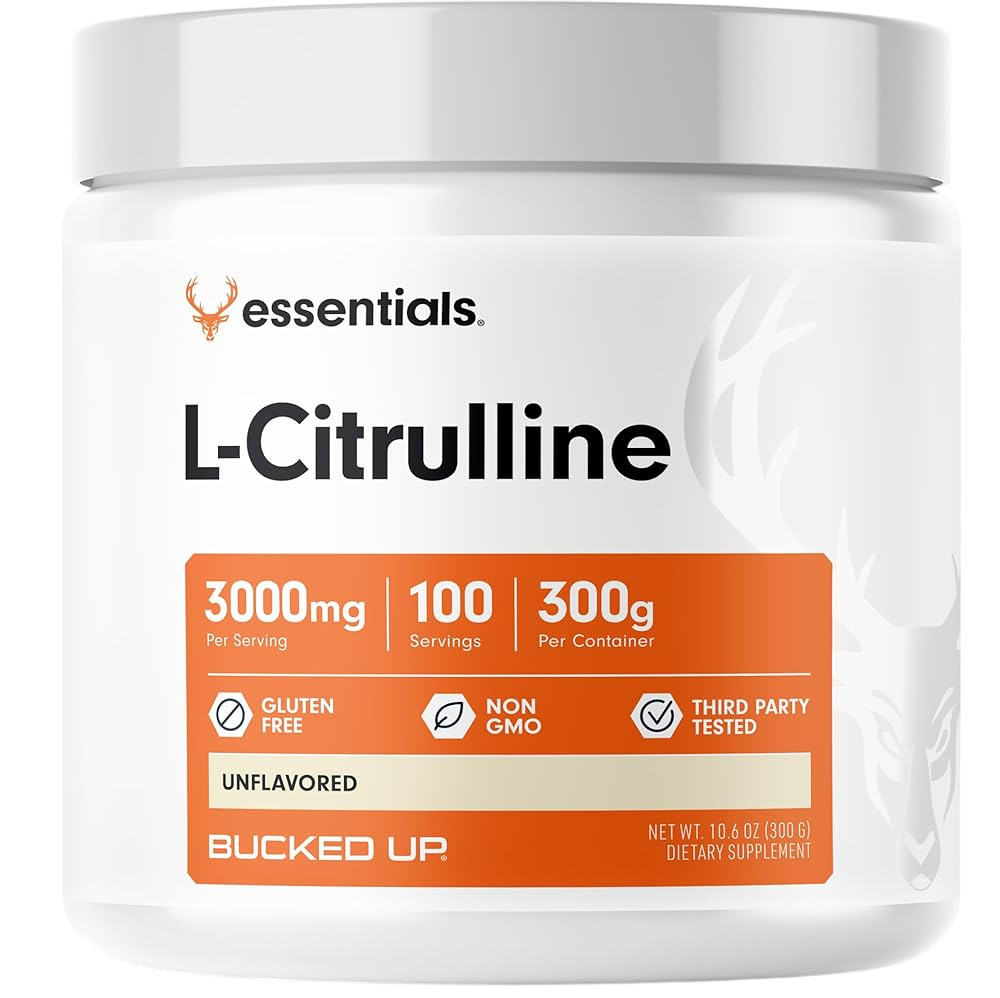
- Powder form supports single-scoop 6–8 gram dosing, reaches peak levels in about 0.7–2 hours, and often costs less per serving.1
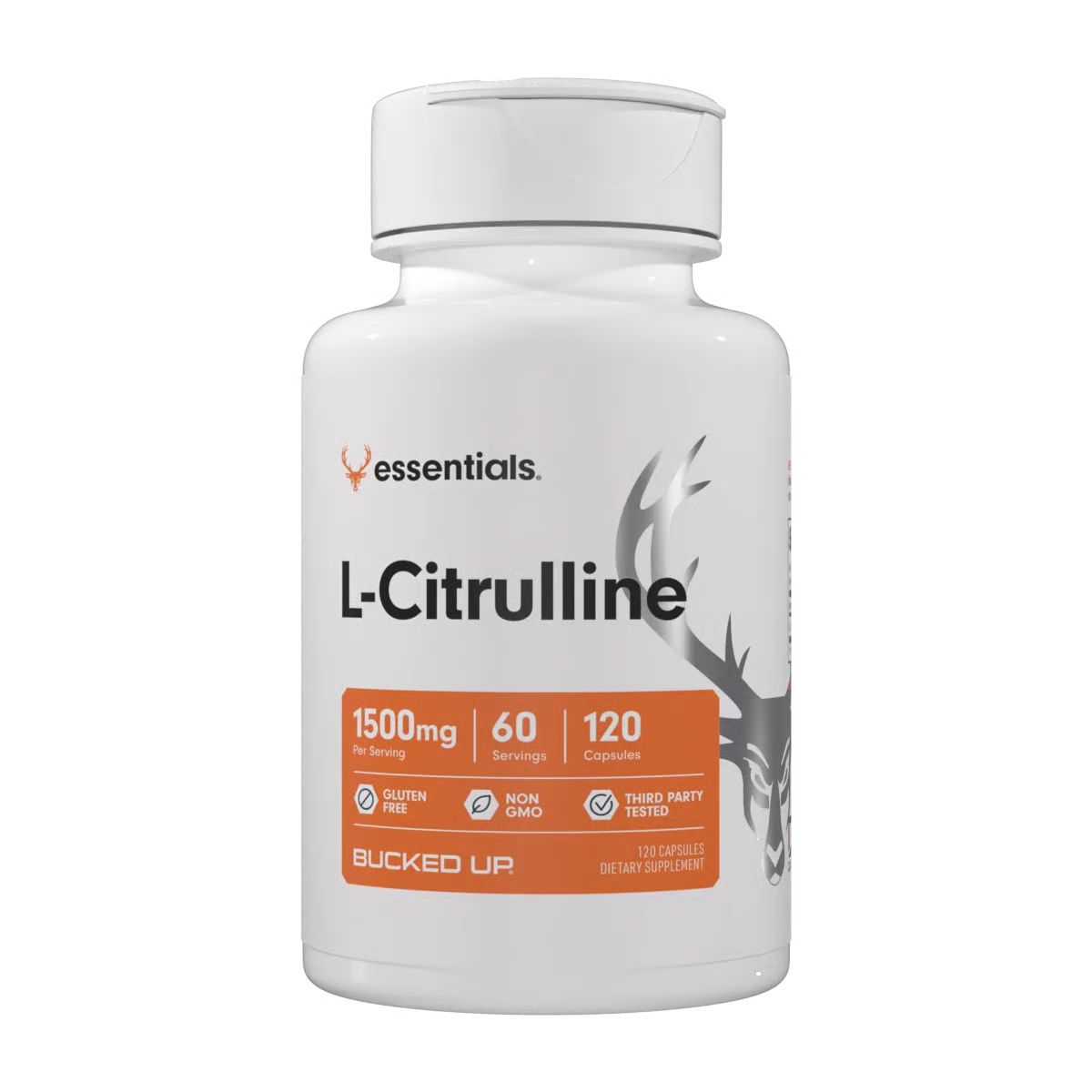
- Capsules provide convenience for travel and precise smaller adjustments but usually require 8–10 pills to reach research-level doses.
- Timing citrulline malate 30–60 minutes before training helps align ATP production and fatigue resistance with your workout.1
- Choose Bucked Up L-Citrulline powder or capsules with AstraGin for targeted absorption and performance-focused dosing.1
How Citrulline Malate Supports Workout Performance
Citrulline malate combines L-citrulline with malic acid to support two key metabolic pathways that influence exercise performance.1 L-citrulline bypasses liver metabolism and converts to L-arginine in the kidneys, which drives nitric oxide production for improved muscle pumps and nutrient delivery.1 The malic acid component supports ATP production through the Krebs cycle and can help reduce fatigue during high-intensity training.1 Research demonstrates significant performance benefits: one systematic review found 53% increases in total repetitions performed with citrulline malate supplementation.1 Additional studies show 12% improvements in cycling endurance when athletes consume 6–8 grams of citrulline malate 30–60 minutes before exercise.1 The optimal dose provides about 3.4–4.5 grams of actual L-citrulline, based on the 2:1 ratio where malic acid makes up one-third of the total weight.
Citrulline Malate Powder vs Capsules: Head-to-Head Comparison
The practical differences between powder and capsule forms become clear when you compare dosing, cost, and absorption. Powder tends to favor performance-focused users who want full research doses and lower cost per serving, while capsules favor convenience and portability for everyday use.
| Aspect | Powder | Capsules | Considerations |
|---|---|---|---|
| Dosage Ease | 1 scoop can deliver 6–8g | Multiple pills required (500–750mg each) | Evaluate based on pill burden tolerance (FastLifeHacks) |
| Cost/Serving | $0.22–0.62 per 6g dose | $0.50+ per equivalent dose | Compare per-serving costs (TrueServing) |
| Absorption Speed | Peaks 0.7–2 hours, rapid mixing | Slower capsule dissolution | Assess timing needs (Gonzalez 2023) |
| Convenience | Requires mixing, stackable | Travel-friendly, precise dosing | Weigh portability vs mixing |
Powder supports single-scoop dosing and strong cost efficiency for performance-oriented users.1 Analysis of 36 citrulline products shows powders in many of the lowest-cost positions, with monthly costs ranging from $6.12 to $14.00 compared to higher costs for capsules at equivalent 6 gram daily doses. Capsules offer portability and remove taste concerns but require multiple pills to match research-level amounts. The pill burden may make powder more practical for common 6–8 gram doses used in performance studies.
Which Citrulline Form Better Supports Workout Performance?
Powder form supports performance-focused training through precise dosing and faster onset of effects.1 Meta-analysis data from Vårvik et al. (2021) demonstrates 6.4% increases in total training repetitions when athletes consume 6–8 grams of citrulline malate, a dose easily achieved with one scoop of powder but often requiring 8–10 capsules.1 The absorption advantage matters for pre-workout timing, since powdered supplements often reach peak effectiveness within 20–30 minutes compared to 45–60 minutes for capsules.1
Capsules fit specific situations where convenience outweighs ideal dosing. Travel scenarios favor the capsule format because they remove the need to carry mixing equipment. Situations that require discrete supplementation, such as dosing at work or in public spaces, also benefit from capsule portability. The format can support precise micro-dosing for users who want to adjust intake in small increments. However, all these convenience advantages come with a trade-off, since the performance ceiling remains limited by practical dosing constraints. For users who need the convenience of capsules without giving up research-level doses, explore capsule options designed for serious athletes.
Dosing and Timing Guide for Pre-Workout Performance
Achieving the performance benefits described earlier requires consistent timing and dosing strategies.1 The 6–8 gram citrulline malate protocol mentioned above works best when timed about 60 minutes before training so peak plasma concentrations line up with workout demands. Performance Lab research indicates this timing supports nitric oxide production and reduces perceived exertion during resistance training.1 Powder users can reach this range with a single 3 gram scoop mixed in 6–10 ounces of water, repeated for higher doses. Capsule users typically need 8–10 pills of 750mg each to match research protocols.
Timing adjustments help match individual response differences. Citrulline malate peaks in blood levels about 60 minutes after consumption and declines within 15–30 minutes, so precise pre-workout scheduling matters. Users who feel effects quickly can shift timing closer to 30–45 minutes before training. Those who notice slower onset may move intake to 75–90 minutes before workouts.
Choosing Powder or Capsules for Your Training Style
Training goals and daily routine shape the ideal citrulline malate format. Bodybuilders and powerlifters who focus on maximum muscle pumps and high-volume training often benefit from powder, since it supports precise 6–8 gram dosing.1 Powder also stacks easily with other performance ingredients and can support cost-effective long-term use.
Endurance athletes and frequent travelers may find capsules more practical despite dosing limits. Capsules remove mixing requirements and provide consistent dosing without flavor concerns. Competitive athletes who need drug-tested supplements can sometimes verify third-party testing more easily with encapsulated products. Recreational gym users who value convenience over maximum performance may accept less dosing flexibility in exchange for capsule portability.
Bucked Up Citrulline Options for Different Training Needs
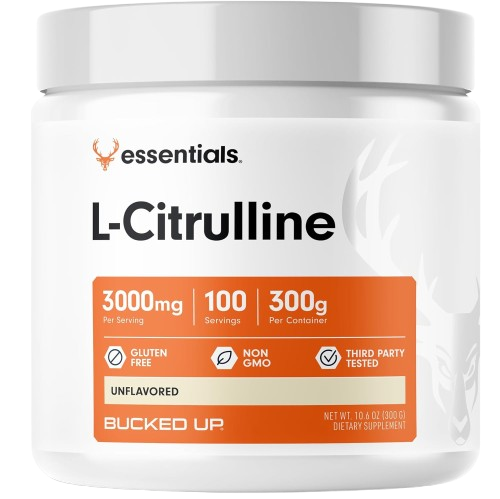
Bucked Up offers both powder and capsule formats with transparent labeling and ingredients that support absorption.1 The company’s pre-workout formulas such as Bucked Up, Woke AF, and Non-Stimulant Pre-Workout contain 6,000mg of citrulline malate in a 2:1 ratio, while Mother Bucker contains 4,000mg of pure L-Citrulline combined with AstraGin® to support bioavailability.1 Pure L-Citrulline powder provides 3,000mg per scoop for flexible dosing, while capsules deliver 750mg each for convenient supplementation.
Customer feedback often highlights pump quality and sustained performance.1 Users report “amazing pumps” and “crazy pump” experiences with both powder and capsule formats.1 The inclusion of AstraGin® in Bucked Up formulations addresses common absorption concerns.1 See how AstraGin® enhances citrulline absorption in Bucked Up formulas.
Frequently Asked Questions
Should I choose powder or capsules for maximum muscle pumps?
Powder form supports pump effects because it makes research-level 6–8 gram doses easier to reach.1 Capsules usually require 8–10 pills to match the single-scoop convenience of powder. Consider powder if you prioritize nitric oxide production and muscle fullness during training.1
What is the optimal citrulline malate dosage for pre-workout performance?
Research often supports 6–8 grams of citrulline malate in a 2:1 ratio taken 30–60 minutes before exercise for strong performance benefits.1 This amount provides about 3.4–4.5 grams of actual L-citrulline, which has been linked to higher repetition counts and improved endurance in controlled studies.1
Are there any safety concerns or side effects with citrulline malate?
Citrulline malate is generally well tolerated at recommended doses. Mild gastrointestinal discomfort can occur at higher intakes.1 Start with lower amounts to assess tolerance and consult a healthcare professional before use, especially if you take blood pressure medications or have kidney disorders.
Which form provides better value for long-term supplementation?
Powder format often provides better long-term value for users who take citrulline regularly. As noted in the cost comparison above, powder typically delivers lower per-serving prices at common performance doses than capsules. Powder products can also offer longer supply durations, with some citrulline powder options lasting 84 days versus 23 days for comparable capsule products at 6 gram daily intake per TrueServing data.
How much citrulline malate should I take before workouts?
Many athletes use 6–8 grams of citrulline malate about 60 minutes before training to support performance.1 This timing helps peak plasma concentrations align with workout demands and supports nitric oxide production while reducing perceived exertion during high-intensity exercise.1
How many capsules equal the research-level powder dose?
You typically need 8–10 capsules of 750mg each to match the 6–8 gram citrulline malate dose used in many performance studies. This pill count can make powder more practical for users who want doses similar to those in research, while capsules remain useful for convenience-focused supplementation.
1 The content provided in this article is for informational purposes only and is not medical advice. Consult with a medical professional before implementing any changes to your diet, health, or exercise routines.
Individual results will vary and are based on a combination of each individual’s diet, exercise, age, and health circumstances.
These statements have not been evaluated by the Food and Drug Administration. This product is not intended to diagnose, treat, cure or prevent any disease.
This article was written by Ryan Gardner, CEO of Bucked Up. As the maker of Bucked Up Protein Soda, we have a financial interest in this information. The views expressed are our own and should be read with that context in mind.