Last updated: April 22, 2026
Key Takeaways
- L-Citrulline outperforms L-Arginine by bypassing liver metabolism, which supports sustained nitric oxide production and stronger muscle pumps.1
- Research supports 6–8g Citrulline Malate before training or 3–6g Pure L-Citrulline daily for more reps and less soreness.1
- Bucked Up products such as Pre-Workout and Mother Bucker provide these research-supported doses along with Astragin® and Nitrosigine® for added support.1
- Match form to your sport: Citrulline Malate suits endurance and strength sessions, while Pure L-Citrulline works well for stacking and intense pump focus.
- Athletes benefit from transparent, high-dose L-Citrulline formulas; explore Bucked Up L-Citrulline options to support your performance goals.1
How Nitric Oxide Supplements Support Athletic Performance
Nitric oxide supplements support athletic performance by widening blood vessels and improving oxygen delivery to working muscles.1 L-Citrulline often outperforms L-Arginine because of its unique metabolic pathway. Research shows L-Citrulline produces significantly higher and more sustained plasma arginine levels compared to equal doses of L-Arginine.1
Two primary forms dominate the market: Pure L-Citrulline at 3–6g per day and Citrulline Malate 2:1 at 6–8g before training. Studies using 8g Citrulline Malate demonstrate increased bench press repetitions and a 40% reduction in muscle soreness.1 The malate component supports energy production through the Krebs cycle, while L-Citrulline helps manage ammonia produced during intense exercise.1
Performance-focused athletes often benefit from 6–8g Citrulline Malate protocols, especially for resistance training and endurance work that demand repeated muscle contractions.1 Given these dosing requirements, it helps to see how popular products compare on dose and ingredient transparency.
2026 Nitric Oxide Supplement Comparison for Training Styles
The table below compares leading nitric oxide products on key ingredients, dosing, and ideal athlete type. Use it to quickly spot which options align with your training intensity, dosing needs, and preference for transparent labels.
| Product | Key NO Ingredients & Dosage | Athlete Type | Reported Benefits |
|---|---|---|---|
| Bucked Up Pre-Workout | 6g Citrulline Malate 2:1 + Astragin® | Strength/Endurance | Enhanced pumps, endurance, recovery1 |
| Bucked Up Woke AF | 6g Citrulline Malate 2:1 + Astragin® | High-intensity training | Helps counter stimulant-related vasoconstriction1 |
| Bucked Up Mother Bucker | 4g Pure L-Citrulline + Nitrosigine® + Hydroprime® | Advanced athletes | Strong vasodilation support, cellular hydration1 |
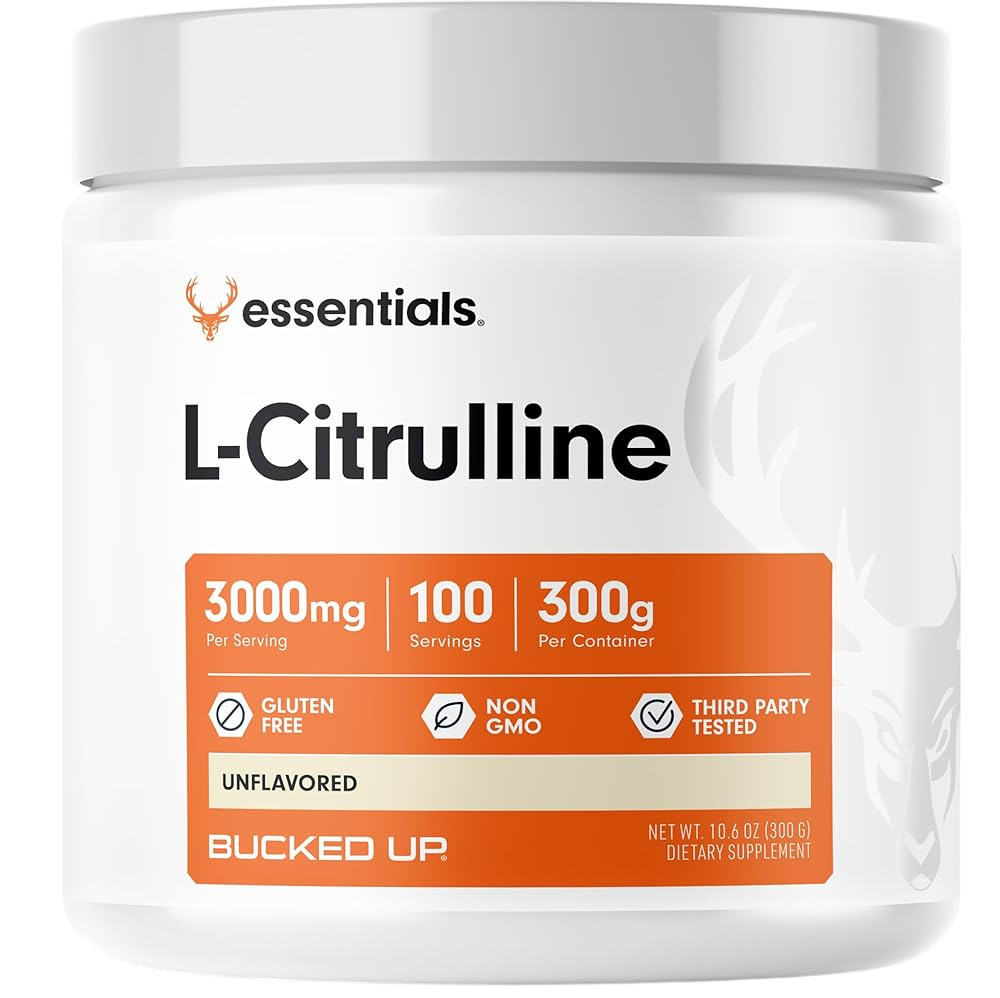
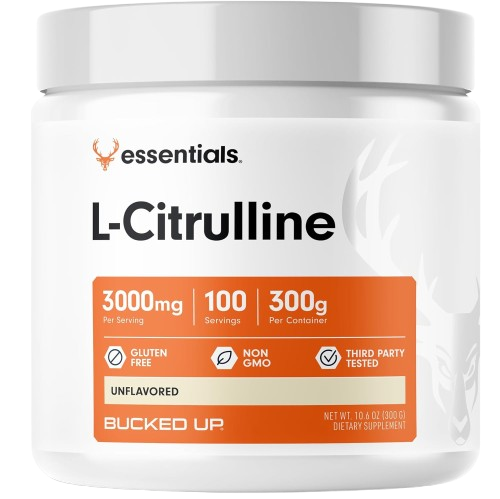
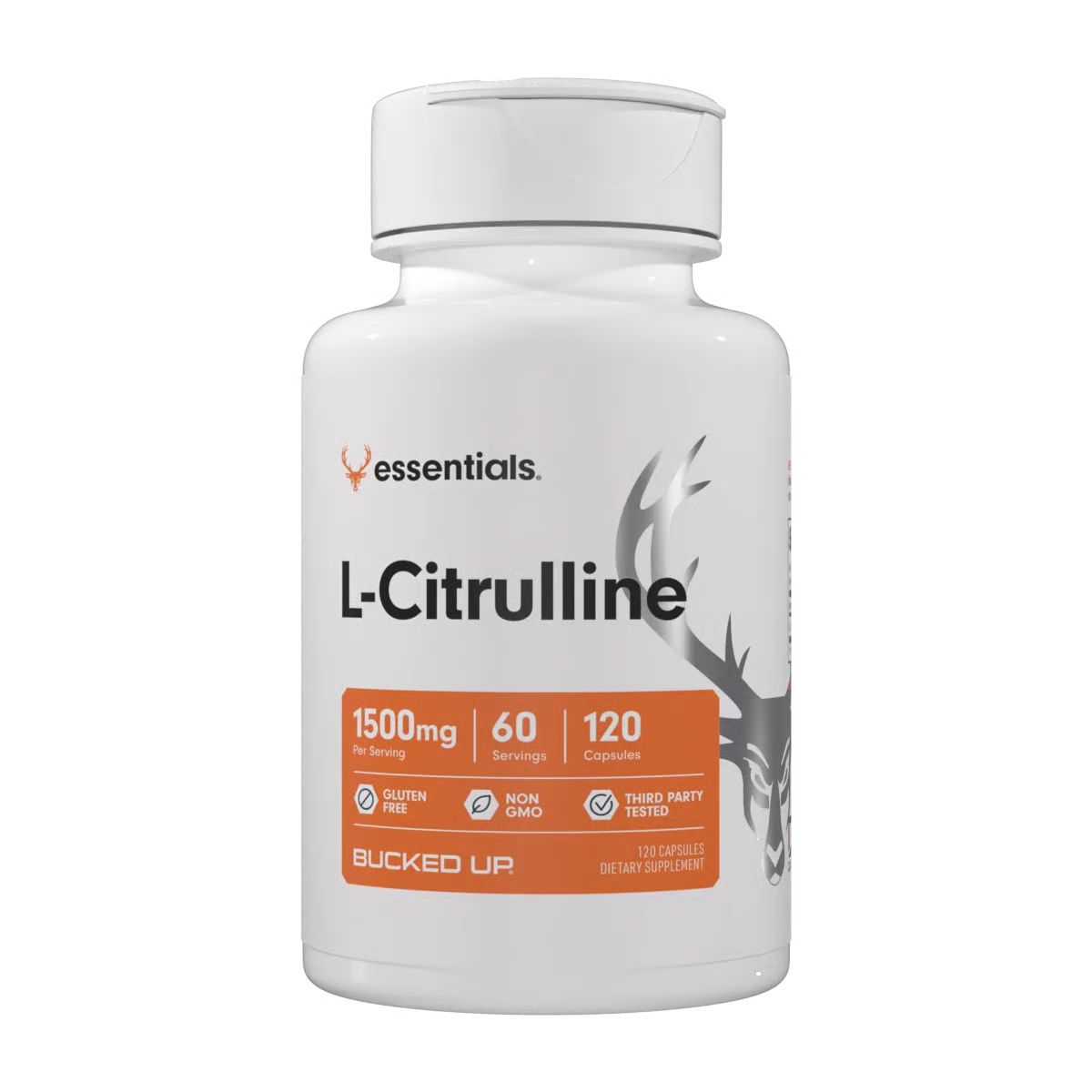
| Bucked Up L-Citrulline Powder | 3g Pure L-Citrulline per scoop | Customizable dosing | Flexible stacking, pump enhancement1 |
| Generic Arginine | 3–6g L-Arginine | General fitness | Users may want to evaluate absorption and consistency |
| Beetroot Powder | 300–600mg dietary nitrates per day, per most clinical studies | Endurance athletes | Modest endurance improvements |
| Generic Citrulline | 6g (standard) | Budget-conscious | Label checks help confirm consistent dosing |
The comparison highlights meaningful dosing differences and varying levels of ingredient support. Research indicates effective L-Citrulline doses often fall in the 6–8g range taken 30–60 minutes before exercise.1 Bucked Up formulations are designed to align with these research-backed ranges.1
Why L-Citrulline Often Outperforms Other Nitric Oxide Ingredients
L-Citrulline’s advantages come from its pharmacokinetic profile. A substantial portion of oral L-Arginine breaks down through arginase enzymes in the liver before it reaches systemic circulation, while L-Citrulline largely bypasses this breakdown and then converts to arginine in the body.
This bypass mechanism, combined with urea cycle ammonia detoxification and malate-supported Krebs cycle energy production, explains L-Citrulline’s strong performance profile.1 Many athletes use 6–8g Citrulline Malate about 60 minutes before exercise, or 3–6g Pure L-Citrulline as part of daily routines.
Beetroot nitrates support endurance through a different pathway, while Arginine supplementation can underperform because of absorption limits. Bucked Up’s Mother Bucker formula combines 4g Pure L-Citrulline with Nitrosigine® and Hydroprime® for complementary effects. Research demonstrates 1.5g Nitrosigine provides comparable vasodilation to 8g Citrulline Malate.1
Choosing a Nitric Oxide Supplement for Your Training and Schedule
Effective nitric oxide supplements share several traits: adequate dosing around 6g or more of active ingredients, absorption support such as Astragin®, and clear, non-proprietary labels. Applying these criteria reveals different ideal choices for different training styles.
Endurance athletes often benefit from Citrulline Malate’s combination of pump support and energy production, which appears in Bucked Up Pre-Workout and Woke AF.1 Strength-focused athletes who want intense vasodilation may gravitate toward Pure L-Citrulline stacks like Mother Bucker, which concentrate the base compound.1
Evening training sessions usually call for non-stimulant options that maintain L-Citrulline effectiveness without extra caffeine. Taste preferences and stimulant tolerance also help narrow choices once you confirm that a product meets effective dosing ranges.
Safety, Dosing, and Athlete Health Considerations
L-Citrulline shows strong safety profiles at performance-focused doses, and most healthy adults tolerate standard 6–8g servings well.1 These amounts sit comfortably below the upper range where side effects become more likely. Exceeding 10g in a single dose may cause gastrointestinal discomfort or arginine oversaturation, which marks a practical upper limit for many users.1
Contraindications include taking nitrates, PDE5 inhibitors, low blood pressure conditions, and significant kidney or liver impairment. Athletes should speak with a healthcare professional before starting supplementation, especially when using prescription medications.
Mild side effects can include headaches related to vasodilation or digestive upset at higher doses.1 These issues often improve with gradual dose increases, splitting servings, and staying within recommended ranges.
Frequently Asked Questions
What is the best nitric oxide beet supplement?
Beetroot supplements provide nitrates that convert to nitric oxide through a different pathway than L-Citrulline. Beetroot can support endurance, while L-Citrulline tends to provide more sustained and predictable nitric oxide elevation for many athletes.1 The two ingredients can work together for complementary benefits.
Nitric oxide vs creatine for athletes: which works better?
Nitric oxide boosters and creatine support different aspects of performance and can work well together. Nitric oxide ingredients such as L-Citrulline support blood flow, pumps, and fatigue resistance, while creatine supports power output and strength.1 Many athletes choose to use both rather than selecting only one.
When should I take nitric oxide supplements before workouts?
Take L-Citrulline supplements about 60 minutes before training to support absorption and peak plasma levels. This timing helps the conversion to L-Arginine and subsequent nitric oxide production line up with the hardest parts of your workout.
Can I stack L-Citrulline with other Bucked Up products?
L-Citrulline Powder can be stacked with pre-workouts that already contain Citrulline Malate for athletes who want higher total doses. Start with standard servings, monitor how you feel and perform, and adjust gradually within research-supported ranges.
What are the downsides to taking nitric oxide supplements?
Potential downsides include gastrointestinal discomfort at doses above about 10g, mild headaches from vasodilation, and interactions with blood pressure medications.1 These effects are usually mild, dose-dependent, and often manageable by adjusting serving size or timing under professional guidance.
Conclusion: Focusing on Dosing, Transparency, and Fit
The 2026 nitric oxide supplement landscape favors products with clear labels, adequate dosing, and thoughtful absorption support. L-Citrulline often outperforms alternatives because of its bioavailability and sustained effects. Athletes who want reliable performance support can focus on products that meet research-backed dosing ranges instead of proprietary blends with undisclosed quantities. Discover which Bucked Up L-Citrulline formula best matches your training schedule, stimulant preference, and performance goals.
1 The content provided in this article is for informational purposes only and is not medical advice. Consult with a medical professional before implementing any changes to your diet, health, or exercise routines.
Individual results will vary and are based on a combination of each individual’s diet, exercise, age, and health circumstances.
These statements have not been evaluated by the Food and Drug Administration. This product is not intended to diagnose, treat, cure or prevent any disease.
This article was written by Ryan Gardner, CEO of Bucked Up. As the maker of Bucked Up Protein Soda, we have a financial interest in this information. The views expressed are our own and should be read with that context in mind.