Last updated: April 22, 2026
Key Takeaways: Citrulline vs Arginine in the Gym
- Citrulline reaches your bloodstream more effectively than arginine because it bypasses gut and liver breakdown, which supports steadier plasma arginine levels.1
- Studies show citrulline can enable 53% more repetitions and cut muscle soreness by 40% compared to arginine’s more limited effects.1
- Citrulline supports longer-lasting muscle pumps through kidney conversion, while arginine often creates short spikes and more frequent GI side effects.1
- For performance, 6–8g citrulline malate taken 30–60 minutes before training works well. For general nitric oxide support, 3–6g pure L-citrulline is typically effective.1
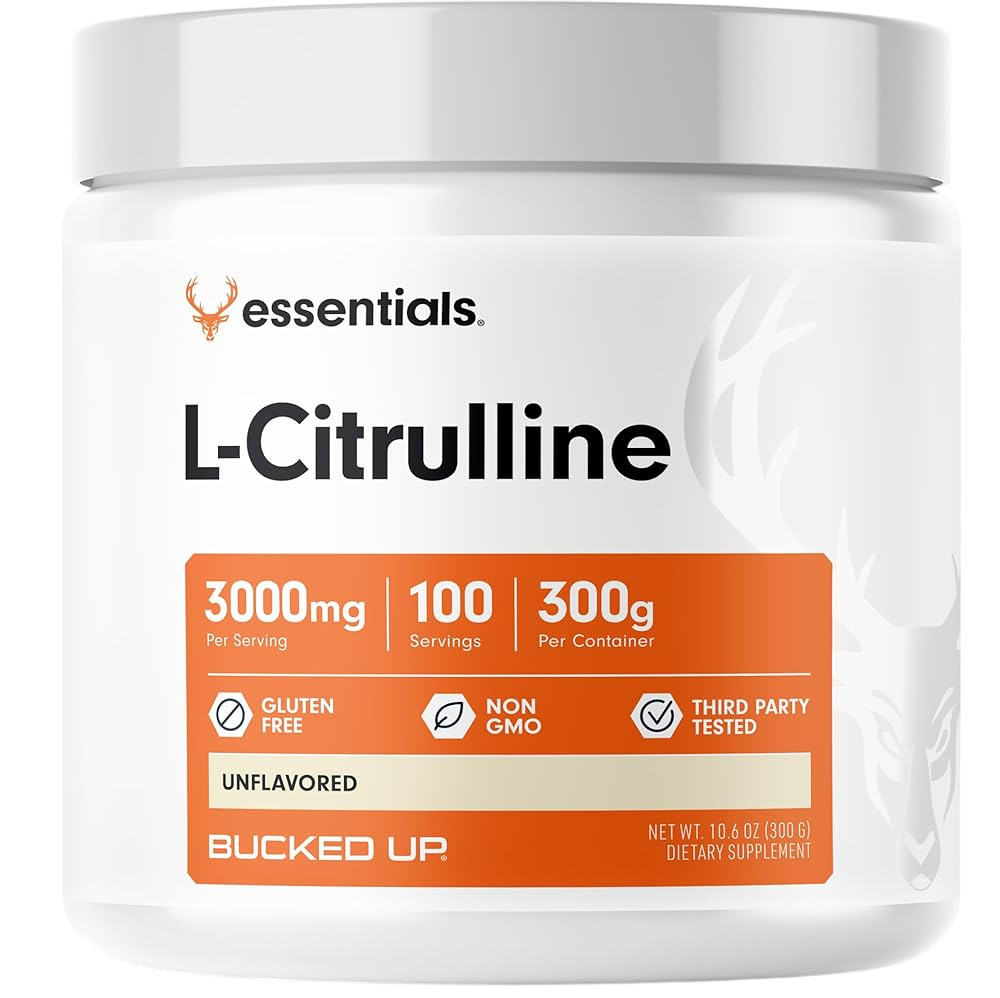
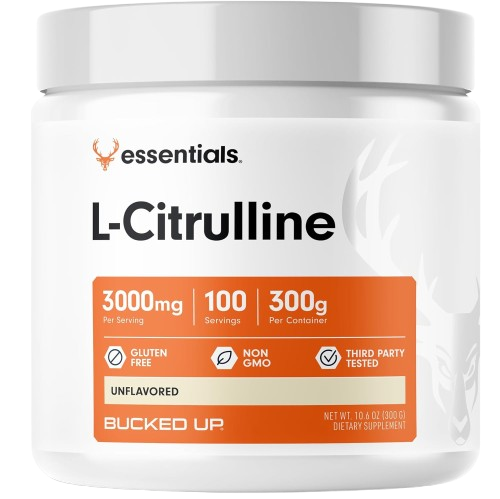
- Experience strong, sustained pumps and performance support with Bucked Up’s pure L-Citrulline, formulated at clinically effective doses.1
How Arginine and Citrulline Actually Boost Nitric Oxide
The way your body processes arginine and citrulline directly affects nitric oxide production. Arginine passes through the gut and liver first, where arginase enzymes break down a large portion of it, which limits how much reaches your bloodstream. Approximately 80% of a 10 g oral dose of L-arginine is degraded before reaching systemic circulation (average bioavailability 20–21%, range 50–95% degraded).
Citrulline avoids much of this early breakdown. It is absorbed intact from the intestines and then travels to the kidneys, where it converts to arginine. This pathway supports a more gradual and sustained rise in plasma arginine levels.
| Study | Dose | Outcome |
|---|---|---|
| Pérez-Guisado 2010 | 8g Citrulline Malate | 53% increase in repetitions |
| Pérez-Guisado 2010 | 8g Citrulline Malate | 40% reduction in muscle soreness |
| Coggan 2022 | 6g L-Citrulline | Improved cycling duration |
Citrulline malate adds another layer of support through its malate component. Malate feeds into the Krebs cycle, which can help ATP production and reduce ammonia buildup during hard training sessions.1
Head-to-Head Gym Results: Arginine vs Citrulline
Arginine and citrulline differ across dose requirements, pump duration, performance outcomes, and tolerability. Despite arginine’s poor bioavailability described above, both ingredients still appear in pre-workouts, so it helps to see how they compare in real training scenarios.
| Criteria | Arginine | Citrulline |
|---|---|---|
| Effective Dose | 0.15 g per lb body weight (≈10–11 g for a 150–160 lb person) taken 60–90 minutes before exercise, or 10–12 g/day for 8 weeks, to enhance anaerobic performance | 6–8g Citrulline Malate |
| Pump Duration | Short-lived spikes | Sustained elevation |
| Performance Benefits | Limited endurance improvements | Enhanced repetition performance |
| Tolerability | Nausea, cramping, diarrhea | Well-tolerated up to 15g |
Citrulline malate in a 2:1 ratio supports both pumps and endurance.1 Citrulline drives nitric oxide production, while malate supports energy metabolism through the Krebs cycle.1 Combining arginine and citrulline is generally unnecessary because citrulline alone raises plasma arginine more effectively through its kidney conversion pathway.
How to Dose and Time Citrulline for Max Results
Most people see solid nitric oxide support with 3–6g pure L-citrulline per day. For performance-focused training, citrulline malate usually works best at 6–8g taken 30–60 minutes before your workout.1 This higher citrulline malate dose reflects the added malate content, since the 2:1 ratio means an 8g serving delivers about 4.5g of pure citrulline.
Timing plays a key role for acute gym performance because citrulline’s peak plasma concentrations occur within roughly 0.7–2 hours after ingestion. This window makes pre-workout dosing especially useful when you want stronger pumps and better endurance in a specific session.1 For general cardiovascular or wellness support, citrulline can be split into smaller servings and taken throughout the day.
Most users tolerate citrulline well, although some sensitive individuals may notice mild gastrointestinal discomfort at doses above 10g.1 Anyone with low blood pressure, kidney issues, or who takes blood pressure medications should talk with a healthcare professional before starting citrulline or changing their supplement routine.
Bucked Up Citrulline Formulas for Pumps and Performance
Bucked Up uses transparent labeling and consistent dosing to deliver effective citrulline support across several products. The original Bucked Up Pre-Workout includes 6,000mg citrulline malate (2:1) plus Astragin, which supports ingredient absorption.1 This 6g citrulline malate dose aligns with research-supported ranges for performance benefits.1
Woke AF keeps the same 6,000mg citrulline malate while adding 333mg caffeine for lifters with higher stimulant tolerance. This setup lets you maintain strong pump support even during high-stim sessions.1
Mother Bucker focuses on advanced pump support with 4,000mg pure L-citrulline, Nitrosigine, and Hydroprime glycerol. This combination targets vasodilation through several pathways and supports intramuscular hydration for fuller, harder pumps.1
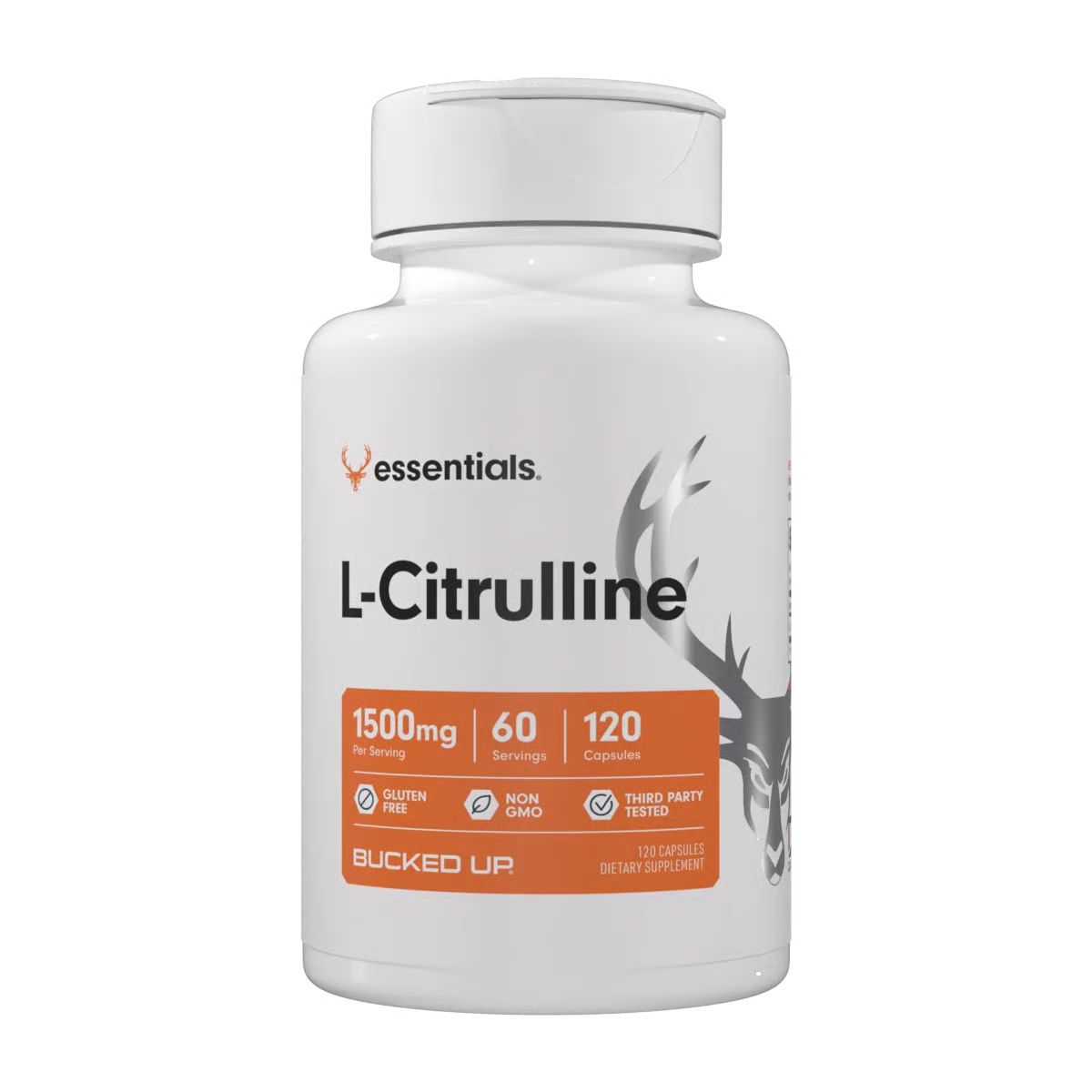
Bucked Up’s formulas use clearly stated amounts of citrulline malate and pure L-citrulline so you know exactly what you are getting. Shop citrulline products with verified ingredient amounts.
Choosing the Right Bucked Up Citrulline Product for Your Goals
Lifters who mainly want reliable pumps often start with the foundational Bucked Up Pre-Workout and its 6g citrulline malate dose. Athletes who also want a strong stimulant effect can move to Woke AF, which combines 333mg caffeine with the same citrulline content.
Advanced users chasing maximum vasodilation and pump density may prefer Mother Bucker’s multi-pathway formula that stacks pure L-citrulline with Nitrosigine and Hydroprime. Those who avoid stimulants can choose the Non-Stimulant Pre-Workout, which still provides 6g citrulline malate for pump support without added caffeine.
Your stimulant tolerance, training intensity, and pump preferences should guide your choice. Many beginners start with standard Bucked Up, then adjust to higher-stimulant or more pump-focused options as their training and preferences evolve.
Match your training style and recovery needs to the right citrulline formula using Bucked Up’s full lineup. Browse citrulline options by training style.
Frequently Asked Questions
Is L-citrulline or citrulline malate better for pumps?
Citrulline malate in the 2:1 ratio supports both pumps and endurance. The malate component contributes to energy metabolism through the Krebs cycle, while citrulline drives nitric oxide production. Research indicates that 6–8g citrulline malate can deliver noticeable performance benefits.1
Should I take L-arginine and L-citrulline together?
Combining arginine with citrulline is unnecessary and potentially counterproductive. Citrulline supplementation alone provides superior plasma arginine elevation compared to direct arginine supplementation.1 The kidney-mediated conversion of citrulline to arginine creates more sustained and effective nitric oxide production than taking both amino acids simultaneously.
Is citrulline malate or pure L-citrulline better for pumps?
Citrulline malate offers broad gym performance support because malate contributes to energy metabolism. Pure L-citrulline focuses more narrowly on nitric oxide production and blood flow.1 For pump-focused training without a strong emphasis on endurance, both forms can work well when dosed appropriately.
Does arginine give you a pump?
Arginine can produce a pump, but the effect often feels brief and inconsistent due to its lower bioavailability and faster metabolism. The pump from arginine usually peaks quickly and fades sooner than pumps supported by citrulline. Citrulline tends to provide more sustained and predictable pump effects through its absorption and conversion pathway.1
What’s the best supplement for muscle pumps?
Bucked Up’s citrulline-based formulations provide pump support through clearly labeled, research-aligned dosing. The 6g-plus citrulline malate in Bucked Up Pre-Workout and Woke AF, along with the pure L-citrulline stack in Mother Bucker, all focus on enhancing blood flow and pump quality.1 These products pair effective citrulline amounts with ingredients like Astragin that support absorption.
Across bioavailability, nitric oxide production, and tolerability, citrulline often shows advantages over arginine for gym performance and muscle pumps. Choosing a citrulline-focused Bucked Up formula can help you build more consistent pumps and support better training sessions.
1 The content provided in this article is for informational purposes only and is not medical advice. Consult with a medical professional before implementing any changes to your diet, health, or exercise routines.
Individual results will vary and are based on a combination of each individual’s diet, exercise, age, and health circumstances.
These statements have not been evaluated by the Food and Drug Administration. This product is not intended to diagnose, treat, cure or prevent any disease.
This article was written by Ryan Gardner, CEO of Bucked Up. As the maker of Bucked Up Protein Soda, we have a financial interest in this information. The views expressed are our own and should be read with that context in mind.