Last updated: April 22, 2026
Key Takeaways for Faster Muscle Recovery
- L-Citrulline can reduce DOMS by up to 40% and boost reps by 53% through higher nitric oxide and better ammonia clearance.1
- Creatine monohydrate (3-5g daily) supports ATP regeneration and helps limit exercise-induced muscle damage.1
- Whey protein or EAAs (20-40g post-workout) drive muscle protein synthesis so damaged muscle fibers repair and grow.1
- Omega-3s (2-3g EPA/DHA daily) help manage inflammation and soreness from heavy training blocks.1
- Stack these with Bucked Up L-Citrulline to build a structured recovery routine that supports performance gains over time.1
1. L-Citrulline: DOMS Reduction and Fatigue Buffering
How L-Citrulline Supports Recovery
L-Citrulline takes an efficient route in your body. It bypasses the liver and converts to L-Arginine in the kidneys, which sends more arginine into your bloodstream to increase nitric oxide availability. Higher nitric oxide levels improve blood flow and nutrient delivery to working muscles, which supports both performance and recovery.1
This amino acid also acts as a key intermediate in the urea cycle. It helps clear ammonia, a fatigue-causing byproduct of intense exercise, so you can recover faster between sets and sessions.1 When L-Citrulline combines with malic acid as Citrulline Malate, the malate portion supports the Krebs cycle and helps your body produce ATP more efficiently.1
Athlete Evidence and Practical Dosing
Several studies using 8g of Citrulline Malate show meaningful performance benefits. Lifters completed up to 53% more repetitions to muscular failure across multiple sets during resistance exercise.1 Research also reports a 40% reduction in muscle soreness two days after training, while cyclists rode 12% longer before exhaustion with improved power output.1
For most competitive athletes, 6-8g of Citrulline Malate taken 30-60 minutes before training supports acute performance and recovery.1 A daily intake of 3-6g of pure L-Citrulline can support cardiovascular health, blood pressure, and general recovery between sessions.1
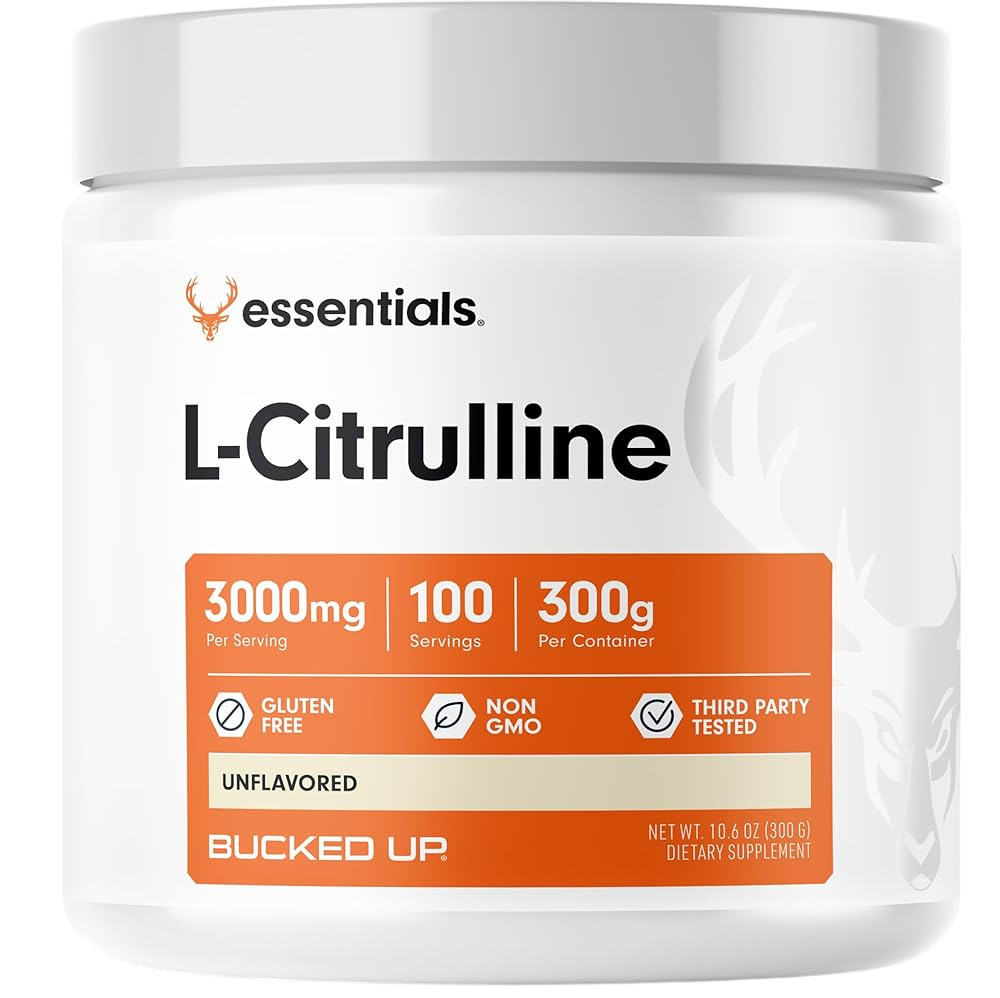
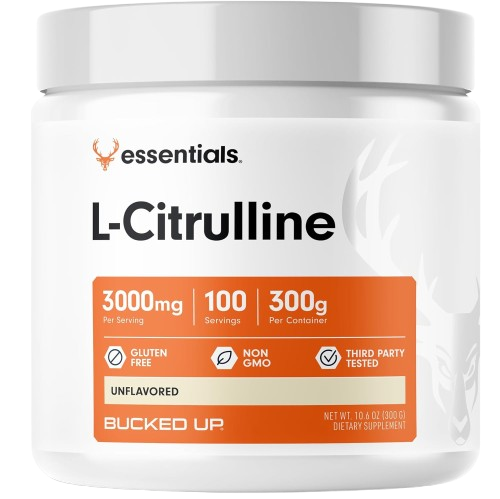
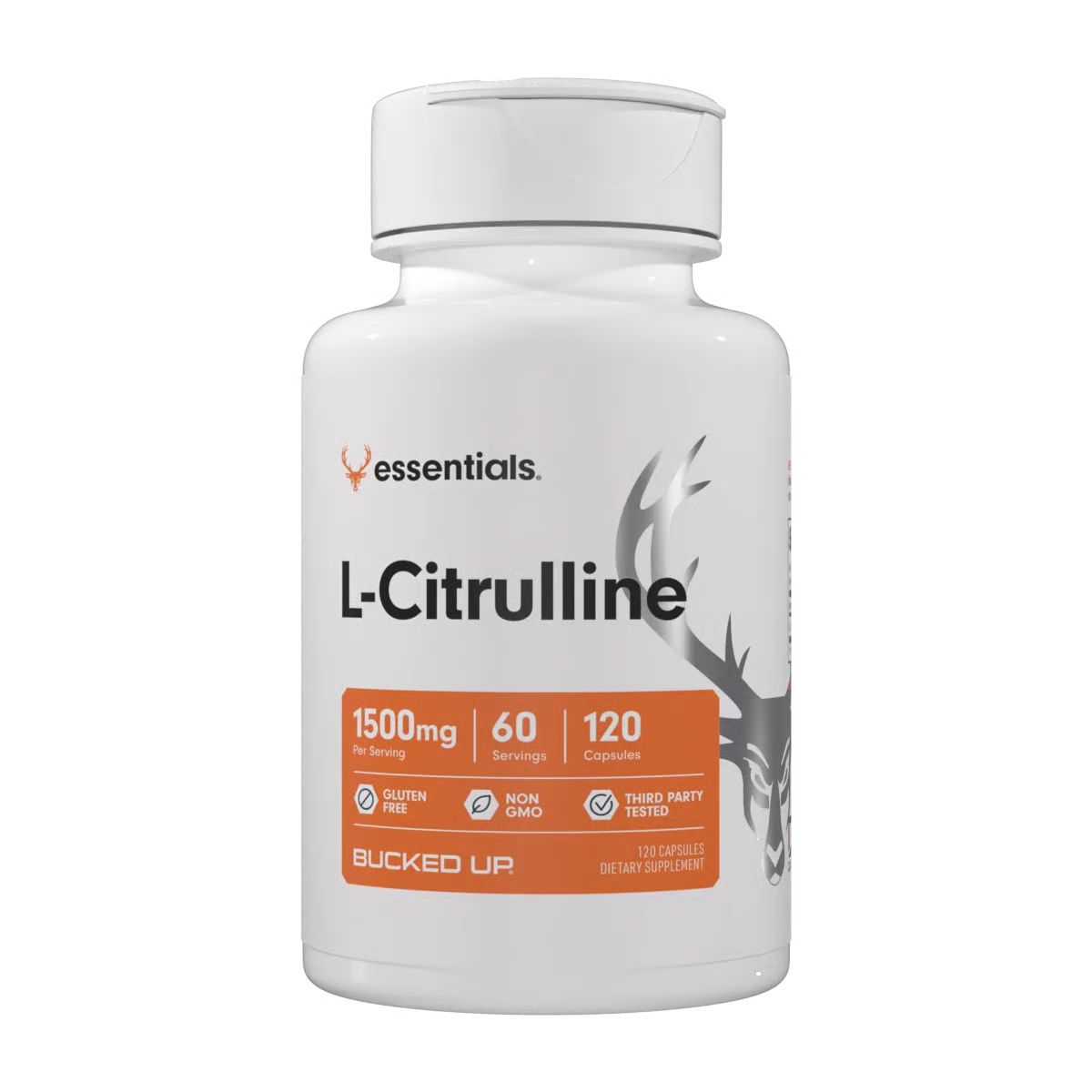
Bucked Up L-Citrulline Options
Bucked Up includes 6g of Citrulline Malate 2:1 in the foundational pre-workout, which aligns with research-backed dosing used for soreness and performance benefits.1
For advanced athletes who want even more nitric oxide support, Mother Bucker features 4g of pure L-Citrulline stacked with Nitrosigine®, a pairing that supports sustained vasodilation during longer or more intense sessions.1
Both formulations include Astragin® to support absorption, so more of each listed ingredient reaches your system instead of losing potency during digestion.1 The comparison table below also highlights how this 6g dose fits into strength and endurance recovery stacks.
2. Creatine: ATP Recovery Support
Creatine monohydrate helps your muscles regenerate ATP quickly during high-intensity efforts.1 This faster ATP turnover supports repeated sprints, heavy sets, and explosive movements. Over time, creatine can also support recovery by enhancing phosphocreatine resynthesis and reducing markers of exercise-induced muscle damage.1
The standard 3-5g daily dose of creatine monohydrate, taken post-workout, works well for most athletes.1 You can stack creatine with L-Citrulline to cover both energy system recovery and blood flow support in a single routine.
3. Whey Protein and EAAs: Post-Workout Protein Synthesis
Essential amino acids drive muscle protein synthesis after hard training.1 They provide the building blocks your body uses to repair damaged muscle fibers and build new tissue. A reasonable daily dose for BCAA supplementation is a mix providing approximately 2g leucine, 1g isoleucine, and 1g valine, or 2-3g leucine alone.
Most competitive athletes do well with 20-40g of whey protein or an equivalent EAA blend in the post-exercise window. This intake supports peak muscle protein synthesis and helps you bounce back for your next heavy session.1
4. Omega-3s: Inflammation and Soreness Support
Omega-3 fatty acids EPA and DHA help manage inflammation that builds up from repeated intense training.1 Lower inflammation can translate into less muscle soreness and better joint comfort across a long season.1
Recent 2026 research continues to support omega-3 supplementation for exercise recovery. Effective daily intakes usually fall between 2-3g of combined EPA and DHA for athletes who train hard several days per week.
5. Electrolytes: Replacing What You Sweat Out
Electrolyte balance plays a direct role in muscle function and recovery, especially after high-sweat training sessions. When you sweat heavily, you lose sodium, potassium, and magnesium, which are three key minerals for muscle contraction and cellular hydration.
This mineral loss becomes more serious during multi-day training blocks or tournaments. Depleted electrolytes can interfere with glycogen replenishment, so your muscles struggle to fully reload their energy stores between sessions. Replacing sodium, potassium, and magnesium after each workout helps maintain hydration, supports glycogen storage, and keeps your recovery on track.1
6. Beta-Alanine: Support for High-Intensity Efforts
Beta-alanine helps athletes who perform repeated high-intensity efforts, such as sprinters, CrossFit competitors, and many team sport players. These athletes often battle acid buildup in their muscles, which quickly drives fatigue during hard intervals or long sets.
Beta-alanine increases muscle carnosine concentrations, which buffer the hydrogen ions that contribute to muscular fatigue during intense efforts.1 To build up these carnosine stores, effective doses usually range from 3.2-6.4g per day, split into smaller servings to reduce the harmless tingling many people feel.1
Beta-alanine pairs well with L-Citrulline because they address fatigue through different pathways. Beta-alanine buffers acid inside muscle cells, while L-Citrulline helps clear ammonia from the bloodstream. Together they provide broader fatigue management across demanding training blocks.
7. Tart Cherry: Antioxidant and Sleep Support
Tart cherry extract supplies anthocyanins and other antioxidant compounds that can help manage inflammation and support sleep quality.1 Better sleep alone can improve recovery, especially during periods of heavy training or competition travel.
Timing still matters with tart cherry and other strong antioxidants. Very high antioxidant intake immediately after training may blunt some training adaptations, so many athletes use tart cherry later in the day or around bedtime instead of right after a workout.
8. Collagen: Tendon and Joint Recovery
Collagen peptides support connective tissue recovery, which matters for athletes who log a lot of impact or repetitive motions.1 Stronger tendons, ligaments, and joint structures can help you tolerate higher training volumes with less discomfort.
Effective doses of hydrolyzed collagen peptides range from 2.5-15 grams daily. Many athletes take collagen with vitamin C to support collagen synthesis and connective tissue repair.
9. Magnesium: Relaxation and Sleep for Better Recovery
Magnesium plays a role in muscle relaxation, nerve function, and sleep quality. Low magnesium intake can make it harder to unwind at night and may contribute to muscle tightness or cramping.
Supplementation with up to 350 mg daily from magnesium supplements (tolerable upper intake level for adults), especially in glycinate or citrate forms, can support muscle relaxation and overnight recovery.1 Many athletes take magnesium in the evening as part of a pre-sleep routine.
Sport-Specific Recovery Stacks for Strength and Endurance
Recovery needs shift based on your sport, training volume, and how often you compete. Strength athletes usually push heavier loads over shorter efforts, while endurance athletes manage longer sessions and higher sweat losses. The table below shows how to adjust three foundational supplements — L-Citrulline, creatine, and protein/EAAs — for strength versus endurance, along with suggested Bucked Up stacking ideas.
| Supplement | Strength Training | Endurance Sports | Bucked Up Stack |
|---|---|---|---|
| L-Citrulline | 6-8g pre-workout | 3-6g daily | Bucked Up Pre-Workout (6g Malate) |
| Creatine | 5g post-workout | For weight-bearing endurance athletes, a lower dose of creatine (3–5 g/day, avoiding loading) is sufficient to saturate muscle creatine stores over a 4-week period. | Stack with L-Citrulline powder |
| Protein/EAAs | 25-40g post | 20-30g post | Whey + L-Citrulline powder |
Shop Bucked Up L-Citrulline products to build your sport-specific recovery stack
Frequently Asked Questions
Which supplement is particularly effective for muscle recovery?
L-Citrulline can stand out for muscle recovery because it works through two key mechanisms. It supports nitric oxide production for better blood flow and nutrient delivery, and it helps clear ammonia through the urea cycle.1 As outlined in the L-Citrulline section above, research shows meaningful reductions in muscle soreness and notable increases in repetitions to failure when athletes use effective doses.
What do athletes commonly take for muscle recovery?
Many competitive athletes use a combination of supplements rather than relying on a single product. L-Citrulline supports vasodilation and fatigue buffering, creatine helps restore ATP, high-quality protein or essential amino acids drive muscle protein synthesis, and omega-3 fatty acids help manage inflammation. Individual stacks vary based on sport demands, training volume, and personal response.
How much L-Citrulline should competitive athletes take?
The optimal dose depends on your goal. Many athletes use 6-8g of Citrulline Malate before training for immediate performance and recovery support, while 3-6g of pure L-Citrulline daily can support ongoing recovery and cardiovascular benefits. See the L-Citrulline section above for full details on timing, ratios, and how to fit these doses into your routine.
Can recovery supplements be stacked together?
Many recovery supplements can work well together when you plan the timing. L-Citrulline often pairs with creatine, beta-alanine, and protein supplements to cover blood flow, energy systems, fatigue buffering, and muscle repair. Antioxidant-rich options like tart cherry may be better later in the day instead of immediately post-workout, especially if you want to protect training adaptations.
Are there any side effects from muscle recovery supplements?
Most recovery supplements are well tolerated at recommended doses. L-Citrulline can cause mild gastrointestinal discomfort at very high intakes above about 10g for some people, while beta-alanine often produces a harmless tingling sensation on the skin.1 Athletes with medical conditions or those taking medications should talk with a healthcare provider before starting or changing any supplement plan.
Conclusion: Build Your Recovery Stack with L-Citrulline at the Core
Competitive athletes usually see the best results from a structured combination of recovery supplements instead of a single ingredient. L-Citrulline, creatine, and protein or EAAs create a strong foundation by supporting blood flow, ATP regeneration, and muscle repair.1 From there, you can add omega-3s, electrolytes, beta-alanine, tart cherry, collagen, and magnesium based on your sport, schedule, and recovery challenges.
Bucked Up L-Citrulline products provide research-aligned dosing that can anchor this broader recovery approach. Explore Bucked Up’s research-backed L-Citrulline formulations and build a recovery stack that matches your training demands.
1 The content provided in this article is for informational purposes only and is not medical advice. Consult with a medical professional before implementing any changes to your diet, health, or exercise routines.
Individual results will vary and are based on a combination of each individual’s diet, exercise, age, and health circumstances.
These statements have not been evaluated by the Food and Drug Administration. This product is not intended to diagnose, treat, cure or prevent any disease.
This article was written by Ryan Gardner, CEO of Bucked Up. As the maker of Bucked Up Protein Soda, we have a financial interest in this information. The views expressed are our own and should be read with that context in mind.