Last updated: April 22, 2026
Key Takeaways
- L-Citrulline increases nitric oxide through kidney conversion, supporting more total reps and noticeably less post-workout soreness.1
- Creatine monohydrate helps regenerate ATP between sets, supporting power output in repeated efforts and explosive lifts.1
- Beta-alanine raises muscle carnosine, which buffers lactic acid and supports higher training volume at 3.2-6.4g per day.1
- Caffeine at 3-6 mg per lb of body weight (converted from kg-based research) can reduce perceived exertion and sharpen focus.1
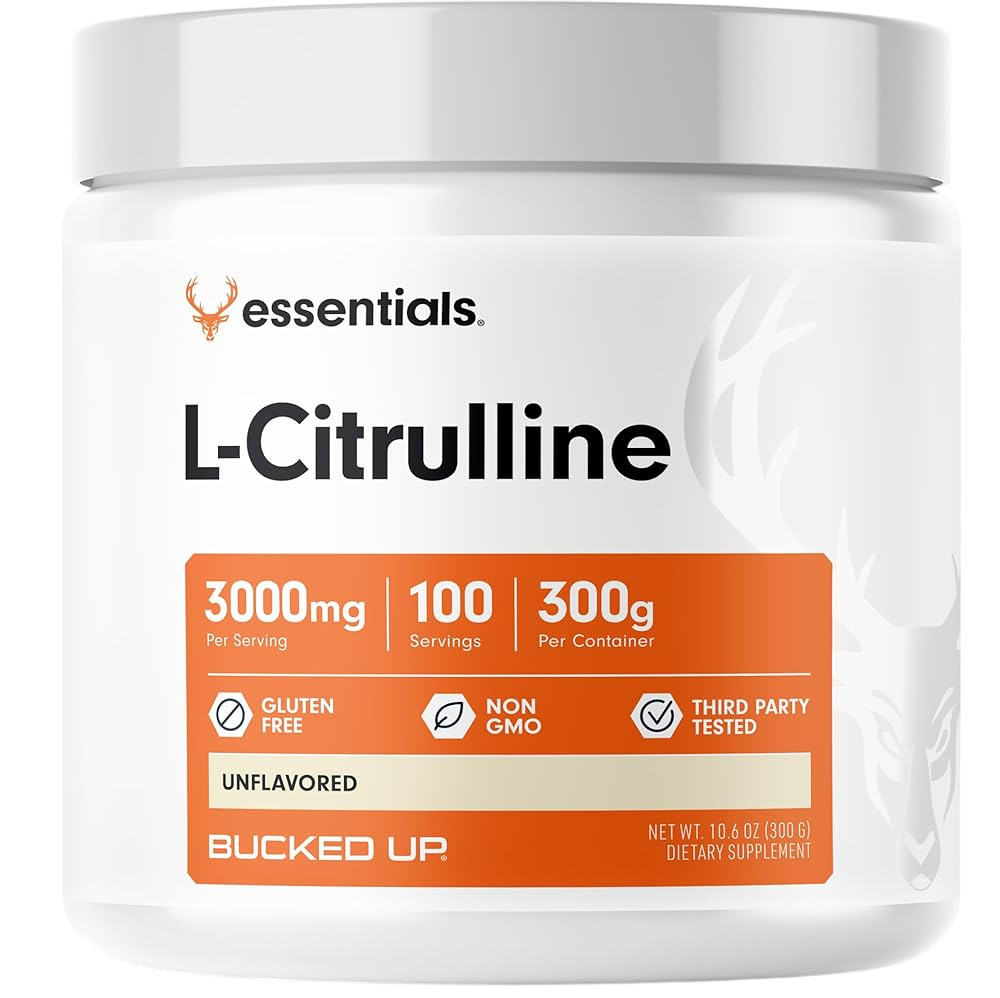
- Stack these core ingredients with Bucked Up L-Citrulline to build a simple, science-based plan for gym endurance.
9 Science-Backed Supplements for Gym Endurance & Performance in 2026
1. L-Citrulline: Nitric Oxide Support for More Reps
L-Citrulline acts as a nitric oxide booster through a kidney-based conversion pathway. Arginine breaks down heavily in the liver, while L-Citrulline bypasses this step and converts to arginine in the kidneys, which supports steadier nitric oxide levels for blood flow and nutrient delivery.1
Research demonstrates these benefits across multiple training contexts. The 53 percent repetition increase mentioned earlier appears across several sets to failure, while the 40 percent soreness reduction matters most during high-volume blocks when recovery often limits progress.1
Optimal dosing involves 6-8g of Citrulline Malate, which provides roughly 3.4-4.5g of pure L-Citrulline, taken 30-60 minutes before training so blood levels peak during your workout.1 Bucked Up’s foundational pre-workouts meet this threshold with 6g Citrulline Malate, while Mother Bucker uses 4g pure L-Citrulline stacked with Nitrosigine to reach similar nitric oxide support through complementary pathways.1
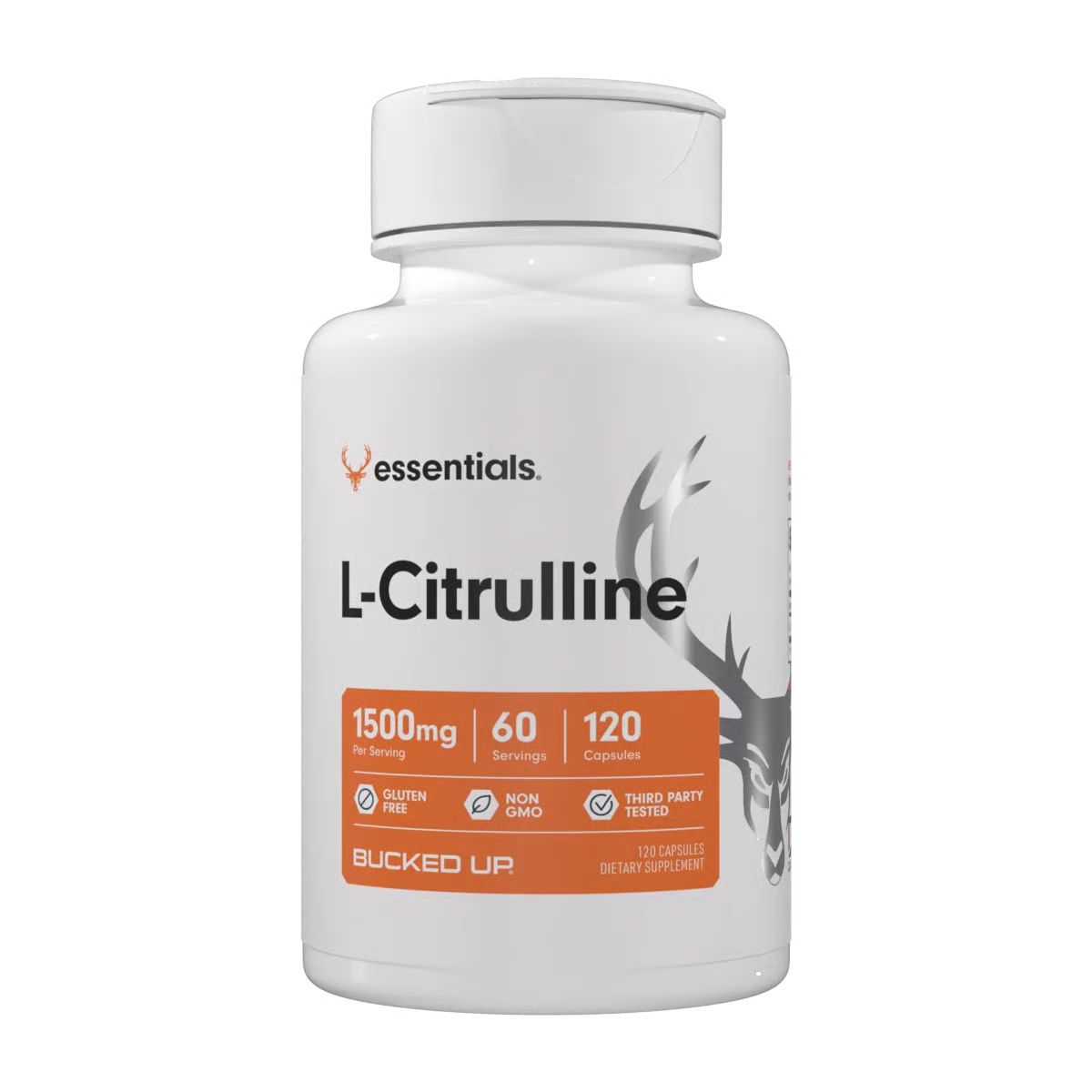
Deep Dive on L-Citrulline: Why It Can Anchor Your Stack
L-Citrulline’s advantages come from its pharmacokinetic profile compared to direct arginine. Arginine encounters arginase enzymes in the gut and liver that break it down before it reaches circulation. L-Citrulline avoids this first-pass breakdown and converts to arginine in the kidneys, which supports higher and longer-lasting plasma arginine levels.
Two primary forms appear in supplements. Pure L-Citrulline focuses on nitric oxide production, while Citrulline Malate combines L-Citrulline with malic acid to support vasodilation and energy production through the Krebs cycle. Malate can assist ATP production and may help manage ammonia buildup during hard training.
Bucked Up’s formulations address common dosing and absorption challenges. The 6g Citrulline Malate in foundational pre-workouts aligns with research-supported ranges, while Mother Bucker’s 4g pure L-Citrulline pairs with Nitrosigine and absorption support from Astragin to help more of each dose reach circulation.
2. Creatine Monohydrate: Support for ATP Regeneration
Creatine monohydrate supports rapid ATP regeneration during high-intensity exercise through the phosphocreatine system. This process helps maintain power output during repeated sets and explosive movements such as squats, deadlifts, and sprints.1
Creatine emerged as a widely used performance supplement in 2025 among pro cyclists, who reported benefits in short-burst power, memory, mood, focus, and recovery.1 The International Olympic Committee includes creatine in its “Big 5” list of performance supplements with strong evidence.
Standard dosing involves 3-5g daily of creatine monohydrate. A loading phase remains optional. Research highlights particular benefits for strength and power output, which makes creatine especially useful for compound lifts and progressive overload programs.
3. Beta-Alanine: Support Against Lactic Acid Burn
Beta-alanine raises muscle carnosine levels, which buffer hydrogen ions that contribute to the burning sensation during intense sets. This buffering effect can extend time to muscular failure and support higher total training volume.1
Doses of 3.2 to 6.4 grams per day for 4 to 12 weeks appear safe for healthy adults, and studies up to 24 weeks report no serious adverse effects. The familiar tingling sensation, called paresthesia, often eases when you split the total into 800-1,000mg servings.1
To apply this dosing range effectively, divide your daily total into smaller servings taken with meals. This approach helps limit tingling while still building the muscle carnosine saturation needed for performance benefits. Bucked Up’s Mother Bucker includes 6.4g to support a high level of buffering capacity.
4. Caffeine: Mental and Physical Drive
Caffeine supports exercise performance by blocking adenosine receptors, which can reduce perceived exertion and increase alertness. This effect often helps lifters stay locked in during longer sessions and complex movements.1
While beta-alanine focuses on muscular fatigue, caffeine targets central nervous system fatigue from a different angle. Pro cyclists often use 3-6 mg per kg of body weight about one hour before activity to lower perceived exertion and extend time to fatigue. In practice, this timing lines up with the 30-60 minute window when blood caffeine peaks.
Guidelines place effective exercise doses at 3–6 mg per kg of body weight. For a 154 lb athlete, that equals roughly 200-400 mg. Bucked Up offers stepped caffeine levels to match different tolerances: 200mg in the foundational pre-workout, 333mg in Woke AF, and 400mg in Mother Bucker with delayed-release technology.
5. Beetroot Nitrates: Second Pathway for Nitric Oxide
Beetroot extract supplies dietary nitrates that convert to nitric oxide through the nitrate–nitrite–NO pathway, which operates independently of arginine. This route provides vasodilation benefits that complement L-Citrulline.1
Studies support beetroot for endurance, especially during sustained aerobic work and repeated high-intensity efforts.1 The nitrate pathway becomes more valuable during longer sessions when arginine-based nitric oxide production may not keep pace with demand.
Effective use typically involves beetroot nitrates taken 2-3 hours before training, often equal to about 500 ml of beetroot juice. Many lifters pair beetroot with L-Citrulline to engage both nitric oxide pathways at once.
6. Branched-Chain Amino Acids: Support for Training and Recovery
BCAAs, which include leucine, isoleucine, and valine, support muscle protein synthesis and may help reduce exercise-induced muscle damage.1 These amino acids bypass liver metabolism and move directly into muscle tissue.
Evidence suggests BCAAs can help during fasted training or long sessions that stretch beyond 90 minutes. Leucine plays a central role by activating mTOR signaling, which supports muscle repair and growth.
Common formulas use a 2:1:1 ratio of leucine to isoleucine and valine. Many athletes center BCAA intake around training sessions to support both performance and recovery.
7. Electrolytes: Hydration and Muscle Function
Electrolytes help maintain fluid balance, nerve signaling, and muscle contractions during extended workouts.1 Sodium, potassium, and magnesium each play specific roles in keeping performance steady.
Sweat losses during hard training can deplete electrolyte stores, which may lead to cramping, fatigue, and lower power output. These performance drops explain why replacement becomes critical during sessions longer than about 60 minutes or in hot conditions, where sweat rates can climb quickly.
Practical protocols often include several hundred milligrams of sodium per training hour, adjusted for individual sweat rates, along with proportional potassium and magnesium. Bucked Up includes Himalayan Rock Salt in its pre-workout formulas to provide a natural source of electrolytes.
8. Coenzyme Q10: Cellular Energy Support
CoQ10 supports mitochondrial ATP production through its role in the electron transport chain. This function can enhance aerobic energy metabolism and may help manage exercise-related oxidative stress.1
Research indicates that CoQ10 supplementation can improve exercise capacity and reduce fatigue markers, especially in people who start with lower baseline levels.1 Benefits often appear during sustained aerobic efforts rather than short sprints.
Typical dosing ranges from 100-300mg per day taken with a meal that contains fat to support absorption. Ubiquinol forms may provide higher bioavailability than ubiquinone for some users.
9. Rhodiola Rosea: Support for Fatigue Resistance
Rhodiola Rosea is an adaptogenic herb that may support resistance to both physical and mental fatigue.1 Its active compounds, rosavin and salidroside, appear to influence stress response and energy metabolism.
Studies suggest Rhodiola can improve exercise capacity and reduce perceived exertion during longer activities.1 These adaptogenic effects can be especially helpful during high-volume training blocks when recovery demands stay elevated.
Common protocols use 200-400mg of standardized extract containing about 3 percent rosavins and 1 percent salidroside. Many lifters take it 30-60 minutes before training or daily during demanding phases.
Dosage & Stacking Guidelines for Key Performance Supplements
The table below summarizes practical starting points for dosing, timing, and simple stacks that match how these ingredients work together.
| Supplement | Recommended Dose | Timing | Stack With |
|---|---|---|---|
| L-Citrulline Malate | 6-8g | 30-60min pre-exercise | Beta-alanine, Caffeine |
| Creatine Monohydrate | 3-5g daily | Post-workout or anytime | Carbohydrates |
| Beta-Alanine | 3.2-6.4g daily | Split doses with meals | L-Citrulline |
| Caffeine | 3–6 mg/kg body mass (~200-400 mg for 154 lb) | 30-60min pre-exercise | L-Citrulline, Electrolytes |
Safety & Side Effects Overview
The four most commonly used performance supplements below show different safety profiles, ranging from mild sensations to situations where medical guidance makes sense.
| Supplement | Common Effects | Precautions |
|---|---|---|
| L-Citrulline | GI discomfort >10g | Monitor with BP medications |
| Beta-Alanine | Harmless tingling (paresthesia) | Split doses to reduce tingling |
| Caffeine | Jitters, sleep disruption | Avoid late-day dosing |
| Creatine | Water retention | Monitor medication interactions |
L-Citrulline shows strong safety at typical gym doses, with mild digestive discomfort usually appearing only above single 10g servings.1 Beta-alanine supports both strength and endurance training, and paresthesia remains the main reported side effect.
Bucked Up Pre-Workout Lineup: How Each Formula Fits
Bucked Up’s pre-workout range uses different L-Citrulline setups to match specific training goals. The foundational Bucked Up Pre-Workout includes 6g Citrulline Malate with 200mg caffeine for balanced energy, pump, and focus.1
Woke AF raises stimulation to 333mg caffeine while keeping the 6g Citrulline Malate dose, which helps support blood flow when stimulant intake climbs. Mother Bucker shifts to 4g pure L-Citrulline with Nitrosigine and Hydroprime Glycerol to support vasodilation and cellular hydration for demanding sessions.
The Non-Stimulant version delivers 6g Citrulline Malate without caffeine for evening workouts or lifters who prefer to avoid stimulants. All formulas include Astragin for absorption support and are produced in GMP-certified facilities.
Frequently Asked Questions About Endurance Supplements
Why many lifters choose L-Citrulline over arginine
L-Citrulline avoids the liver metabolism that breaks down much of an arginine dose. It converts to arginine in the kidneys instead, which supports higher plasma arginine levels and longer-lasting nitric oxide production compared to taking arginine directly.
Effective L-Citrulline dose for gym stamina
For resistance training, many lifters use 6-8g of Citrulline Malate, which provides about 3.4-4.5g of pure L-Citrulline, taken 30-60 minutes before lifting. This range aligns with research showing more reps to failure and less post-workout soreness.1
Using these supplements alongside medications
L-Citrulline can interact with blood pressure medications and PDE5 inhibitors because of its effects on blood vessel dilation. Beta-alanine is generally well tolerated but can cause temporary tingling. Caffeine may interact with several medications. A healthcare professional should review your full supplement list before you combine it with prescriptions.
Value of stacking ingredients in a pre-workout
Thoughtful stacking helps each ingredient support the others. L-Citrulline supports blood flow and nutrient delivery, while beta-alanine helps delay the fatigue that might otherwise limit those benefits. Caffeine adds energy and focus, and L-Citrulline can help counteract stimulant-related tightening of blood vessels when present at effective doses.
Supplements that often support endurance and stamina
L-Citrulline supports sustained nitric oxide production and ammonia handling. Beta-alanine buffers lactic acid during intense efforts. Creatine supports repeated power output. Caffeine reduces perceived effort, and electrolytes help maintain performance during longer or hotter sessions. Together, these ingredients address several major fatigue pathways.
Conclusion: Building a Science-Guided Endurance Stack
L-Citrulline can serve as a central piece of an endurance-focused supplement plan, supported by its metabolic advantages and growing research base. Combining it with creatine, beta-alanine, caffeine, and electrolytes at effective doses can help many lifters handle more work and recover better between sessions. Bucked Up’s transparent formulations provide clearly labeled dosing so you can align your stack with the evidence and your own training goals.
1 The content provided in this article is for informational purposes only and is not medical advice. Consult with a medical professional before implementing any changes to your diet, health, or exercise routines.
Individual results will vary and are based on a combination of each individual’s diet, exercise, age, and health circumstances.
These statements have not been evaluated by the Food and Drug Administration. This product is not intended to diagnose, treat, cure or prevent any disease.
This article was written by Ryan Gardner, CEO of Bucked Up. As the maker of Bucked Up Protein Soda, we have a financial interest in this information. The views expressed are our own and should be read with that context in mind.