Last updated: April 22, 2026
Key Takeaways
- Coffee and green tea supply natural pre-workout caffeine in familiar servings, with 1-2 cups delivering 96-192mg or 29-58mg respectively.
- Watermelon and beets support nitric oxide production, yet they require 2.2-3.3 lbs daily for effective citrulline doses, which many athletes find impractical.
- Whole foods like eggs, Greek yogurt, red meat, and fish supply protein and creatine, though 0.5-1 lb meat is typically needed for 1-2g creatine.
- Tart cherries and berries can reduce muscle damage by up to 33% through antioxidant activity, while legumes provide natural BCAAs for recovery.
- Combining natural foods with Bucked Up’s L-Citrulline supplements can support strong pumps and performance without relying on large food volumes.1
1. Natural Pre-Workout Alternatives: Coffee, Matcha, and Whole Food Energy
Coffee offers one of the simplest natural pre-workout options, delivering about 95mg caffeine per 8-ounce cup. Matcha pairs caffeine with L-theanine, which smooths energy and can reduce jitters. Bananas supply quick-digesting carbohydrates for fast fuel, while oats provide slower-digesting complex carbs for longer sessions.
Beet juice acts as a natural nitrate source, with studies showing improved endurance when consumed 2-3 hours before exercise. This timing allows nitrates to convert to nitric oxide, which supports oxygen delivery to working muscles.
Stack Bucked Up’s 6g Citrulline Malate with your coffee, matcha, or beet juice to enhance nutrient delivery and amplify your natural energy routine.1
2. Pump and Nitric Oxide Boosters: Beets and Watermelon vs. L-Citrulline
Watermelon contains the highest natural citrulline concentration among common foods, yet the volume requirements mentioned earlier make consistent dosing difficult for most athletes. Beets supply nitrates that convert to nitric oxide, but 2023 research indicates that food-based nitric oxide support can lag behind synthetic L-Citrulline’s renal conversion pathway.1
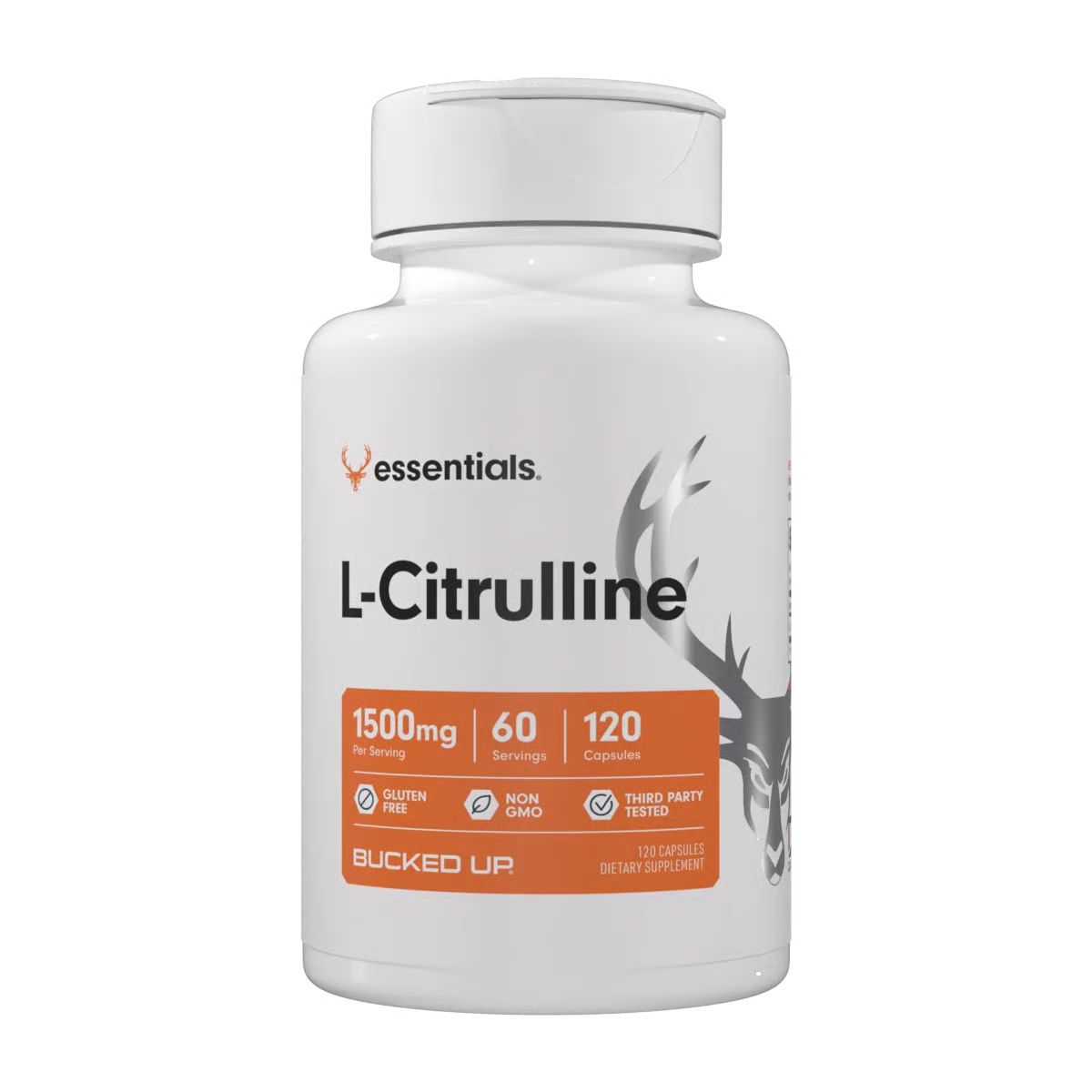
L-Citrulline bypasses liver metabolism and converts efficiently to L-Arginine in the kidneys, which supports nitric oxide production more reliably than direct arginine supplementation.1 This metabolic advantage helps explain why supplement forms often outperform food sources for short-term pump and performance goals.1
3. Protein Powder Alternatives: Eggs, Greek Yogurt, and Lean Meats
Whole eggs provide a complete amino acid profile with high biological value. Greek yogurt delivers both casein and whey proteins naturally, which supports immediate and sustained muscle protein synthesis. Market data on global protein trends reflects growing interest in these whole food options.
Lean meats like chicken breast and fish offer complete proteins with high absorption rates, typically digesting within several hours to support ongoing amino acid delivery. Their natural mix of amino acids, vitamins, and minerals supports recovery and overall health beyond isolated protein content.
4. Natural Creatine Sources: Red Meat and Fish
Red meat and fish naturally contain creatine, with beef providing roughly 1-2g per pound. 2023-2026 bioavailability studies comparing natural creatine and creatine monohydrate show that food sources contribute to creatine stores, yet reaching the 3-5g daily doses used in many performance studies usually requires substantial meat intake.
Wild-caught fish such as salmon and tuna supply creatine along with omega-3 fatty acids, which support both performance and long-term recovery. Cooking can reduce creatine content by up to 30%, so actual intake from prepared meat or fish often falls below raw values.
5. BCAA and Recovery Foods: Tart Cherries and Legumes
Tart cherries contain compounds that support recovery through several pathways. Research shows tart cherry consumption can reduce muscle damage markers by up to 33% compared to placebo groups, with anthocyanins inhibiting inflammatory enzymes and supporting faster strength recovery.
Legumes such as lentils and chickpeas provide branched-chain amino acids naturally, while also offering fiber and key micronutrients. This combination supports immediate recovery needs and long-term muscle adaptation.
The following recipes show how to time natural performance foods throughout your training day for clear, practical benefits:
| Recipe | Ingredients/Servings | Timing | Primary Benefits |
|---|---|---|---|
| Beet Juice Pre-Workout | 2 medium beets, 1 apple | 2-3 hours pre-exercise | Nitrate loading for endurance |
| Watermelon Recovery Smoothie | 2 cups watermelon, 1 cup Greek yogurt | Post-workout | Natural citrulline plus protein |
| Tart Cherry Sleep Aid | 8 oz tart cherry juice | 1 hour before bed | Recovery and sleep quality |
| Coffee Energy Blend | 12 oz coffee, 1 banana | 30-45 minutes pre-workout | Caffeine plus quick carbohydrates |
Natural alternatives provide valuable nutrients and can support performance goals, yet practical limitations often prevent ideal dosing. The volume needed for effective citrulline from watermelon or adequate creatine from meat makes consistent food-only strategies challenging for many athletes.
6. The Hybrid Approach: How L-Citrulline Amplifies Food-First Performance
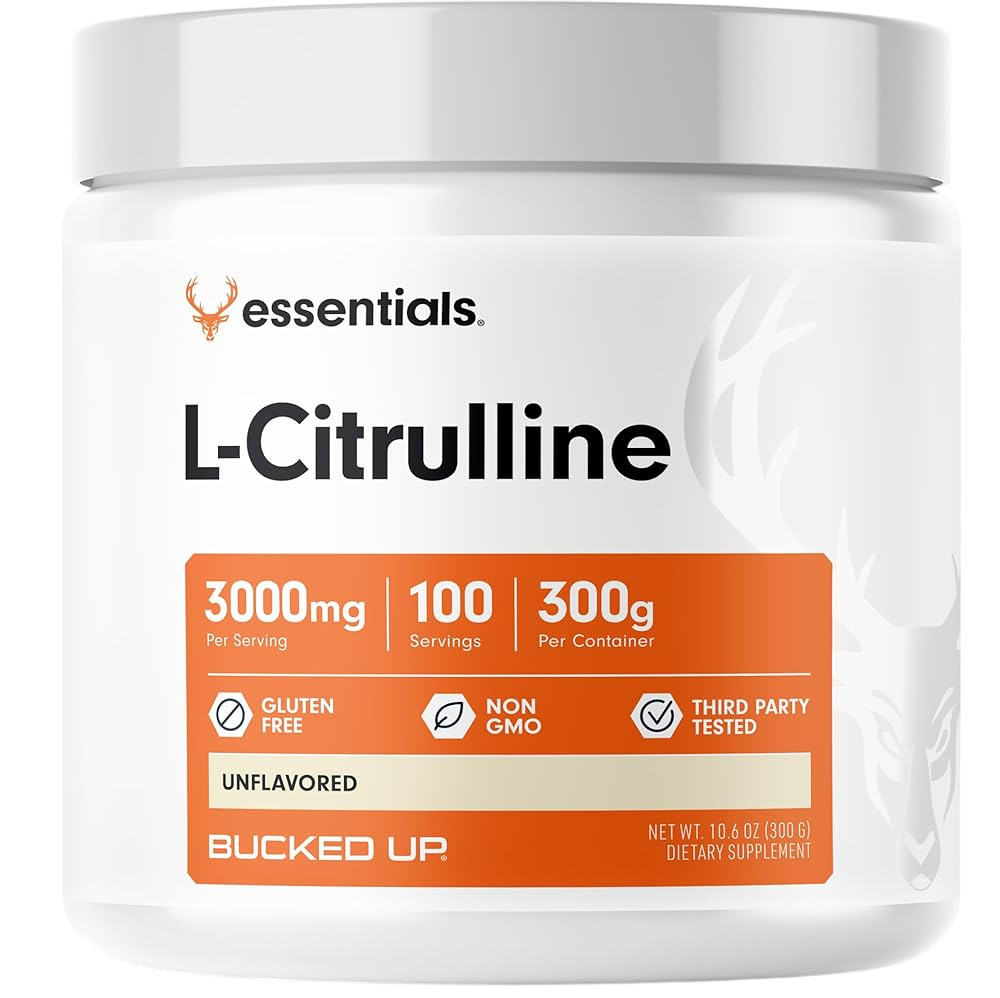
Bucked Up offers L-Citrulline products that fit into food-first nutrition plans. The formulations feature 6g Citrulline Malate in foundational products and 4g Pure L-Citrulline in advanced formulas, which deliver performance-focused doses that would require very large food volumes to match.1
L-Citrulline’s mechanism centers on conversion to L-Arginine in the kidneys, which avoids liver metabolism that can degrade direct arginine supplementation.1 Because this renal pathway limits first-pass breakdown, it supports nitric oxide production more efficiently than typical food sources.1 The malate component in Citrulline Malate adds a secondary benefit by supporting ATP production through the Krebs cycle, so athletes address both pump and energy pathways at once.1
Research indicates that 8g Citrulline Malate can increase repetitions to failure by 53% compared to placebo, which illustrates performance gains that are difficult to reach with food alone.1 Taking citrulline 30-60 minutes before training supports absorption and conversion ahead of your workout.1
Bucked Up’s inclusion of Astragin® enhances citrulline absorption, which helps each serving reach its full potential.1 This absorption support is especially useful for athletes who prioritize whole foods, because it allows performance doses that complement rather than replace natural intake.
Explore Bucked Up’s citrulline options with Astragin® for enhanced absorption as part of a strategy that enhances, instead of replacing, whole food nutrition.1
The hybrid approach starts with nutrient-dense foods, then adds targeted supplementation when specific performance goals call for higher or more precise dosing. This structure helps athletes balance everyday health with measurable performance outcomes.
7. Natural Electrolyte Replacements and Hydration Support
Coconut water supplies natural electrolytes such as potassium and magnesium, which support hydration without artificial additives. Sea salt and Himalayan pink salt provide sodium and trace minerals that help maintain fluid balance during intense training.
Watermelon and cucumber contribute hydration and electrolytes, so they work well before and after exercise. These foods also support the body’s natural cooling and recovery processes, which pairs well with the performance and pump strategies discussed earlier.
8. Antioxidant and Anti-Inflammatory Foods for Recovery
Berries, especially blueberries and blackberries, provide anthocyanins that support recovery through antioxidant activity. The anthocyanin pathway discussed earlier also applies to tart cherries, whose extracts can reduce inflammation and support faster recovery when consumed consistently around training periods, as shown in evidence-based guides on tart cherry extract.
Dark leafy greens such as spinach and kale supply nitrates along with vitamins and minerals that support overall recovery. Their mix of antioxidants and nitrates makes them useful additions to a performance nutrition plan that already includes targeted supplements.
Frequently Asked Questions
What natural foods can replace citrulline supplements?
Watermelon offers the highest natural citrulline levels, yet you would need about 2.2-3.3 lbs daily to match a 3g supplement dose. Cucumbers, squash, and other melons contain smaller amounts. These foods add valuable nutrients, but the volumes required for performance dosing make supplements a more practical option for many athletes.
Are natural protein sources better than whey powder?
Whole food proteins such as eggs, Greek yogurt, and lean meats provide complete amino acid profiles plus additional nutrients like vitamins and minerals. Recent research suggests they can match whey protein for muscle recovery when total daily protein is sufficient. The choice often comes down to convenience, timing, and how well your stomach tolerates each option.
What is a simple natural pre-workout recipe?
Combine 12 oz coffee with a banana 30-45 minutes before training to pair caffeine with quick carbohydrates. For longer or more intense sessions, add beet juice 2-3 hours beforehand for nitrate loading. This routine offers both fast energy and more sustained support from natural sources.
When should I choose supplements instead of relying only on foods?
Supplements become useful when food sources require impractical volumes or digestion time does not match your schedule. Performance doses of citrulline from watermelon or creatine from meat, for example, often demand intake levels that many people cannot maintain day after day.
Can I combine natural foods with targeted supplements?
Yes, combining both often works well. Use whole foods as your base, then add focused supplements like L-Citrulline to reach performance doses that build on your natural intake. This approach supports both everyday nutrition and specific training goals.
Conclusion
Natural food alternatives deliver important nutrients and can support many performance targets, yet practical limits often prevent ideal dosing for specific outcomes. A combined approach that starts with whole foods and adds targeted supplementation where foods fall short can address both health and performance needs.
Complete your hybrid nutrition strategy with Bucked Up’s L-Citrulline while keeping nutrient-dense whole foods as your foundation.1 This structure preserves the benefits of natural sources and adds the performance support of precise, research-informed supplementation.
1 The content provided in this article is for informational purposes only and is not medical advice. Consult with a medical professional before implementing any changes to your diet, health, or exercise routines.
Individual results will vary and are based on a combination of each individual’s diet, exercise, age, and health circumstances.
These statements have not been evaluated by the Food and Drug Administration. This product is not intended to diagnose, treat, cure or prevent any disease.
This article was written by Ryan Gardner, CEO of Bucked Up. As the maker of Bucked Up Protein Soda, we have a financial interest in this information. The views expressed are our own and should be read with that context in mind.