Last updated: April 22, 2026
Key Takeaways for Better Circulation
- L-Citrulline supports blood flow more effectively than L-Arginine because it bypasses liver metabolism and converts to arginine in the kidneys for sustained nitric oxide production.1
- Beetroot nitrates and garlic’s allicin act as natural vasodilators, which can improve endurance and help reduce blood pressure.1
- Omega-3s from fatty fish and turmeric’s curcumin help reduce inflammation while supporting vessel function and nitric oxide levels.1
- Stacking L-Citrulline with beets provides dual-pathway nitric oxide support. Common effective doses are 3–6 grams pure L-Citrulline or 6–8 grams Citrulline Malate before training.1
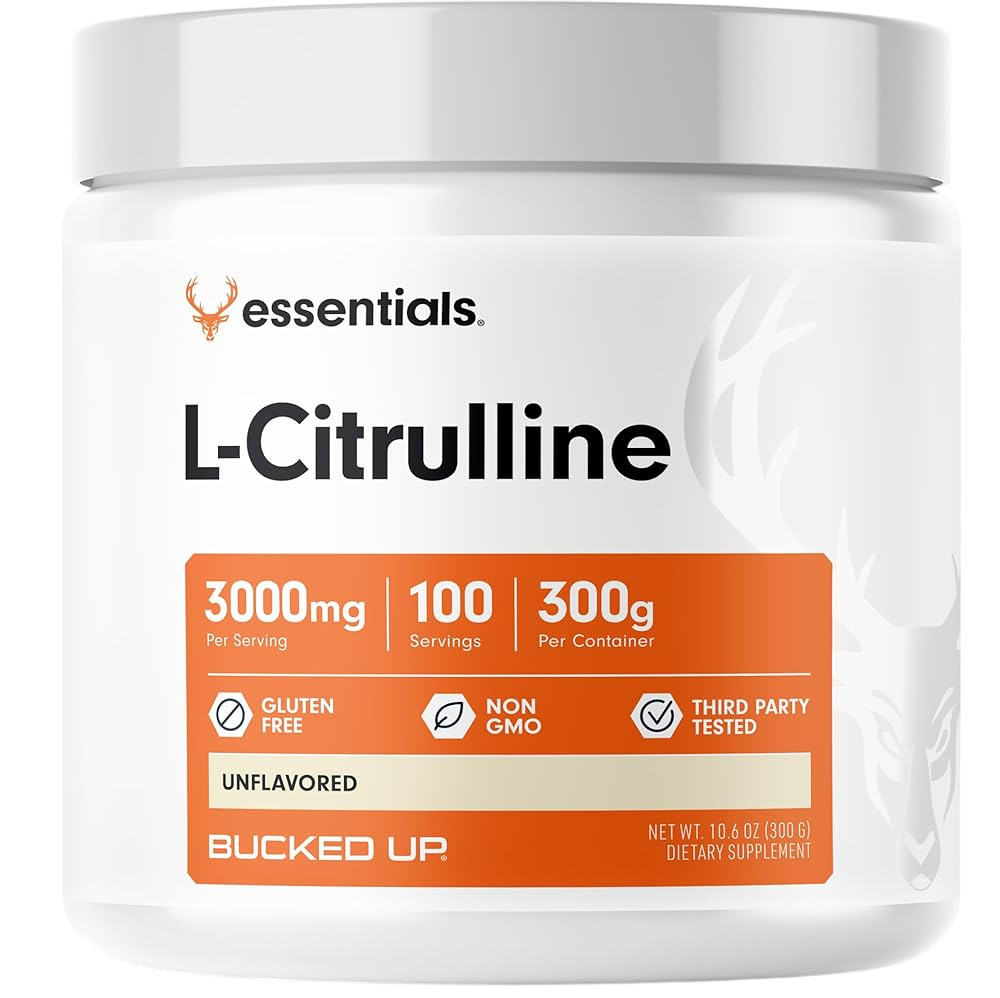
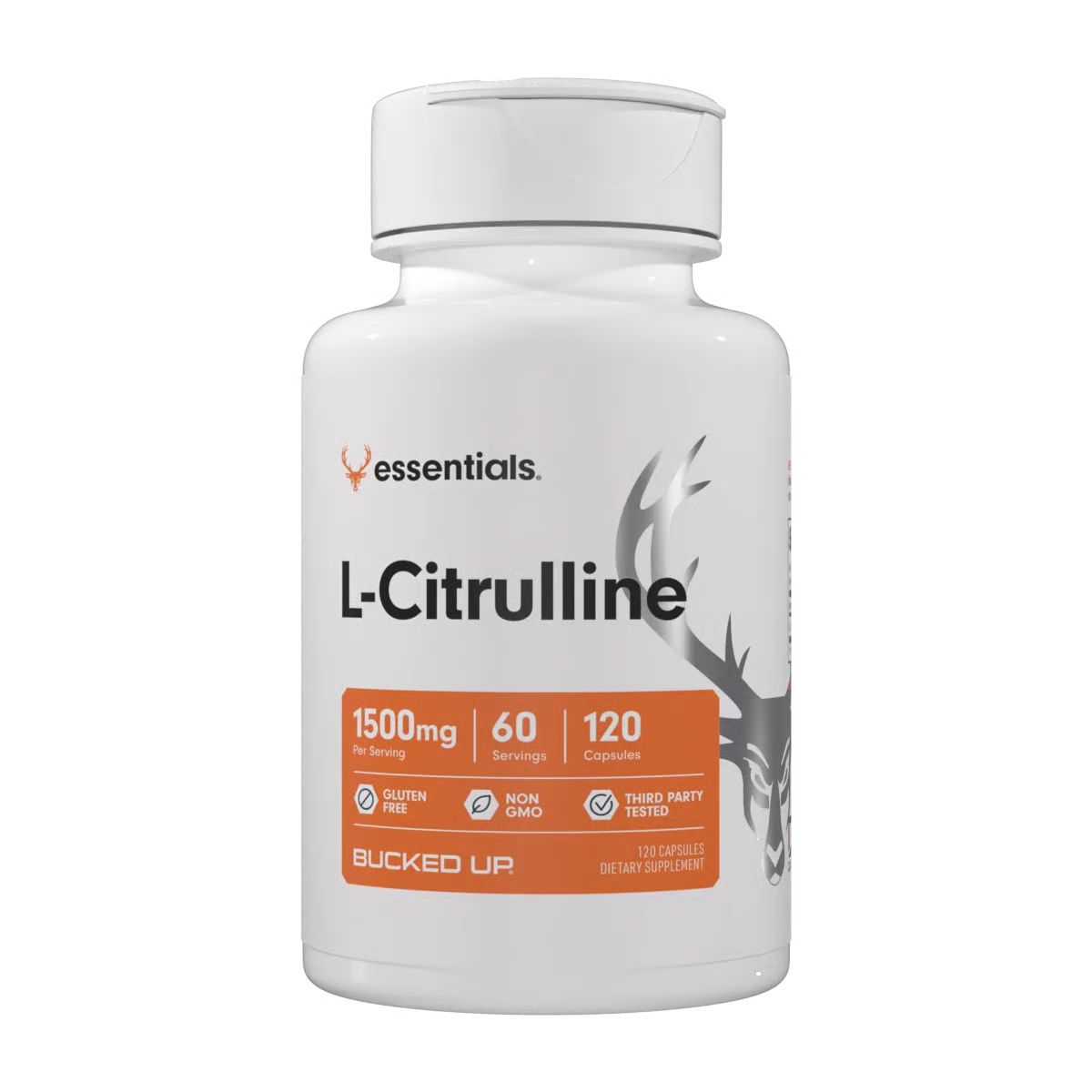
- Support pumps and performance with Bucked Up’s pure L-Citrulline, formulated with clinically common dosing ranges.1
1. L-Citrulline: Core Nitric Oxide Support for Blood Flow
L-Citrulline supports blood flow by increasing nitric oxide production.1 Unlike L-Arginine, which undergoes heavy first-pass metabolism in the gut and liver, L-Citrulline bypasses this degradation and converts to arginine primarily in the kidneys. This pathway helps maintain elevated plasma arginine and nitric oxide levels over a longer period.
Research links L-Citrulline to performance improvements. Studies report up to 53% more repetitions in resistance training and about a 40% reduction in muscle soreness 24–48 hours after exercise.1 For cardiovascular support, daily doses of 6 grams or more can help reduce systolic blood pressure.1
Common effective dosing ranges from 3–6 grams of pure L-Citrulline daily, or 6–8 grams of Citrulline Malate taken 30–60 minutes before a workout.1 Watermelon provides a natural source of citrulline, but reaching these amounts would require roughly 2–3 pounds of fruit per day. Bucked Up offers both Citrulline Malate and pure L-Citrulline in these commonly used ranges.1 Explore standalone citrulline powder to dial in your pre-workout dose.
2. Beets and Nitrates: Dietary Support for Vasodilation
Beetroot supports blood flow through its dietary nitrate content, which complements the arginine pathway used by L-Citrulline. The body converts nitrates to nitric oxide, which relaxes blood vessels, improves blood flow to tissues and organs, and can lower systolic blood pressure. A 2017 review found that beetroot juice can improve cardiorespiratory endurance in trained athletes by delaying fatigue and reducing the oxygen cost of exercise.1
Effective beetroot intake varies by product and form. About 200 grams of beets, or roughly three whole beets, can supply enough dietary nitrates to support nitric oxide production and contribute to natural blood flow support.
3. Garlic: Allicin-Based Circulation Support
Garlic provides allicin, a sulfur compound that relaxes blood vessels, supports efficient blood flow, reduces the heart’s workload, and helps maintain healthy blood pressure.1 Preparation method affects allicin content, with fresh, crushed garlic generally offering the highest levels.
4. Omega-3s from Fatty Fish: Inflammation and Vessel Health
Fatty fish such as salmon, mackerel, and trout supply omega-3 fatty acids that help keep arteries clear and support healthy resting blood pressure. These essential fats encourage nitric oxide release and help reduce inflammation that can interfere with normal vascular function.
5. Turmeric: Curcumin for Vascular Function
Curcumin, the active compound in turmeric, supports nitric oxide production and helps widen blood vessels.1 Studies show curcumin supplementation can improve vascular endothelial function in healthy middle-aged and older adults. Pairing curcumin with piperine from black pepper can increase its bioavailability.
How to Stack These Core Blood Flow Ingredients
L-Citrulline often serves as the base for a blood flow stack because of its strong bioavailability and sustained effects. Its pharmacokinetic profile makes it a practical starting point for both performance and general circulation support. Beetroot then adds a complementary nitrate pathway, creating a broader nitric oxide response.
Stacking L-Citrulline with beetroot supports nitric oxide production through both arginine conversion and dietary nitrates.1 Citrulline Malate in a 2:1 ratio can provide additional endurance support through malic acid’s role in energy metabolism.1 Pure L-Citrulline focuses more directly on vasodilation and pump-related effects, which some lifters prefer for pre-workout use.1
6. Watermelon: Whole-Food Source of Citrulline
Watermelon supplies a natural source of L-Citrulline for those who prefer food-based support. Watermelon flesh contains roughly 2–3 grams of L-Citrulline per kilogram, which makes it challenging to reach commonly used supplemental doses through food alone. Someone would need several pounds of watermelon daily to match typical pre-workout amounts.
7. Pomegranate: Antioxidant and Nitrate Support for Vessels
While watermelon focuses on citrulline, pomegranate supports blood flow through antioxidants and nitrates. Pomegranate seeds contain compounds that promote vessel dilation, and research shows pomegranate extract can increase blood flow and vessel diameter after high-intensity exercise. The fruit’s polyphenols also provide antioxidant protection that supports long-term vascular health.
8. Ginkgo: Traditional Herb for Circulation
Ginkgo biloba offers another option for circulation support, especially to the hands, feet, and other extremities. The herb appears to reduce blood viscosity and support vessel flexibility, which can help blood move more easily through smaller vessels.
9. Capsaicin: Heat-Driven Nitric Oxide Support
Capsaicin, the compound that gives chili peppers their heat, can temporarily increase blood flow. It supports nitric oxide production and short-term vasodilation. These effects may enhance circulation, particularly in peripheral areas, which some people notice as a warming or flushing sensation.
10. L-Arginine: Alternative Amino Acid for Nitric Oxide
L-Arginine experiences significant first-pass metabolism in the gut and liver before it reaches systemic circulation. Many people choose L-Citrulline instead when they want to prioritize bioavailability and more sustained arginine levels.
Bucked Up Formulas That Support Blood Flow
Bucked Up Pre-Workout and Woke AF each provide 6,000 milligrams of Citrulline Malate in a 2:1 ratio. Mother Bucker supplies 4,000 milligrams of pure L-Citrulline and also includes Nitrosigine® and AstraGin® for added pump and absorption support.1
Bucked Up features both Citrulline Malate and pure L-Citrulline in line with commonly used performance ranges.1 Compare our citrulline options to match your training style and stimulant preference.
Safety Notes for Blood Flow Supplements
L-Citrulline is generally well tolerated at oral doses up to 15 grams. Some people may experience mild gastrointestinal discomfort at amounts above 10 grams.1 Those with naturally low blood pressure should use caution, because vasodilation can occasionally cause lightheadedness.1
Anyone taking antihypertensive medications or PDE5 inhibitors should speak with a healthcare provider before using blood flow supplements. Combining multiple vasodilators can increase the risk of excessive blood pressure drops or dizziness.1
Frequently Asked Questions
What is a leading ingredient for blood flow enhancement?
L-Citrulline is a widely used ingredient for blood flow support because of its bioavailability and sustained nitric oxide production.1 It avoids the significant first-pass metabolism that affects L-Arginine and converts to arginine in the kidneys instead. This pathway helps maintain more consistent effects on circulation and exercise performance.
How does L-Citrulline compare to L-Arginine for blood flow?
L-Citrulline generally provides a stronger arginine boost in the bloodstream than equal oral doses of L-Arginine. It avoids heavy first-pass metabolism in the gut and liver, so more of it reaches systemic circulation. This difference supports more sustained nitric oxide production and can translate into more noticeable blood flow support for many users.
What is an effective dose of L-Citrulline for workouts?
For exercise performance, many protocols use 6–8 grams of Citrulline Malate taken 30–60 minutes before training. This amount supplies roughly 3.4–4.5 grams of pure L-Citrulline. For standalone L-Citrulline, 3–6 grams per day is commonly used to support blood flow and workout performance.1
Which foods are highest in citrulline?
Watermelon contains the highest natural concentrations of L-Citrulline at about 2–3 grams per kilogram of flesh. Other foods such as cucumbers, squash, and pumpkins also contain citrulline, but at much lower levels. Reaching clinical or performance-focused doses through food alone is difficult, so many people use supplements for consistent intake.
Is L-Citrulline safe with erectile dysfunction medications?
Use caution when combining L-Citrulline with PDE5 inhibitors such as sildenafil or tadalafil. Both can lower blood pressure, and using them together may increase the risk of excessive hypotension or dizziness. Discuss this combination with a healthcare provider before adding L-Citrulline to a regimen that already includes prescription erectile dysfunction medications.
Next Steps: Putting L-Citrulline to Work
L-Citrulline offers practical pharmacokinetic advantages and supports sustained nitric oxide production for both training and everyday circulation. Bucked Up provides Citrulline Malate and pure L-Citrulline in clearly labeled, performance-focused formulas. Start dialing in your citrulline dose to support pumps, endurance, and blood flow.1
1 The content provided in this article is for informational purposes only and is not medical advice. Consult with a medical professional before implementing any changes to your diet, health, or exercise routines.
Individual results will vary and are based on a combination of each individual’s diet, exercise, age, and health circumstances.
These statements have not been evaluated by the Food and Drug Administration. This product is not intended to diagnose, treat, cure or prevent any disease.
This article was written by Ryan Gardner, CEO of Bucked Up. As the maker of Bucked Up Protein Soda, we have a financial interest in this information. The views expressed are our own and should be read with that context in mind.