Last updated: April 22, 2026
Key Takeaways for Better Circulation
- L-Citrulline supports circulation through renal conversion to arginine, which bypasses liver breakdown and helps maintain steady nitric oxide production.1
- Omega-3 fatty acids can reduce vascular inflammation and improve blood flow through pro-resolving mediators, with 2-4 g daily showing cardiovascular benefits.1
- Curcumin and antioxidants like Vitamin E, Resveratrol, and Pine Bark Extract help protect endothelial function and reduce oxidative stress in blood vessels.1
- Ginkgo Biloba, Cayenne (Capsaicin), Magnesium, and Horse Chestnut can promote vessel relaxation, peripheral flow, and venous tone through non-nitric oxide pathways.1
- Stacking specific supplements can target leg, brain, or performance circulation goals, while Bucked Up’s pure L-Citrulline offers a focused option for performance and bioavailability.1
1. L-Citrulline for Supporting Circulation
L-Citrulline uses a renal conversion pathway that bypasses liver degradation. Arginine supplements face significant breakdown by arginase enzymes in the gut and liver, while L-Citrulline is absorbed efficiently and then converted to arginine in the kidneys. This process helps maintain a more consistent supply of arginine for nitric oxide synthesis.
Research links L-Citrulline to meaningful performance benefits.1 Studies using 8 g of citrulline malate reported up to 53% more total repetitions to muscular failure during resistance exercise compared to placebo.1 These findings suggest that higher citrulline intake can support both circulation and training capacity.1
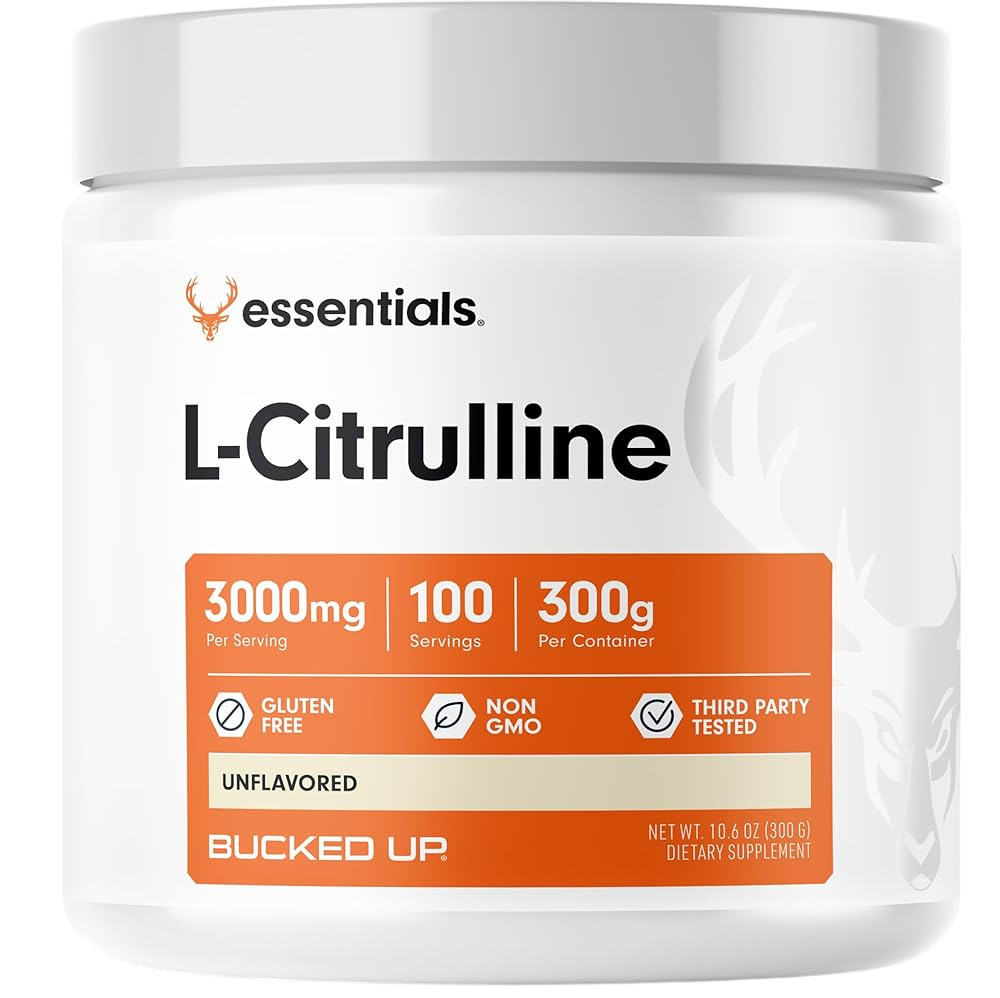
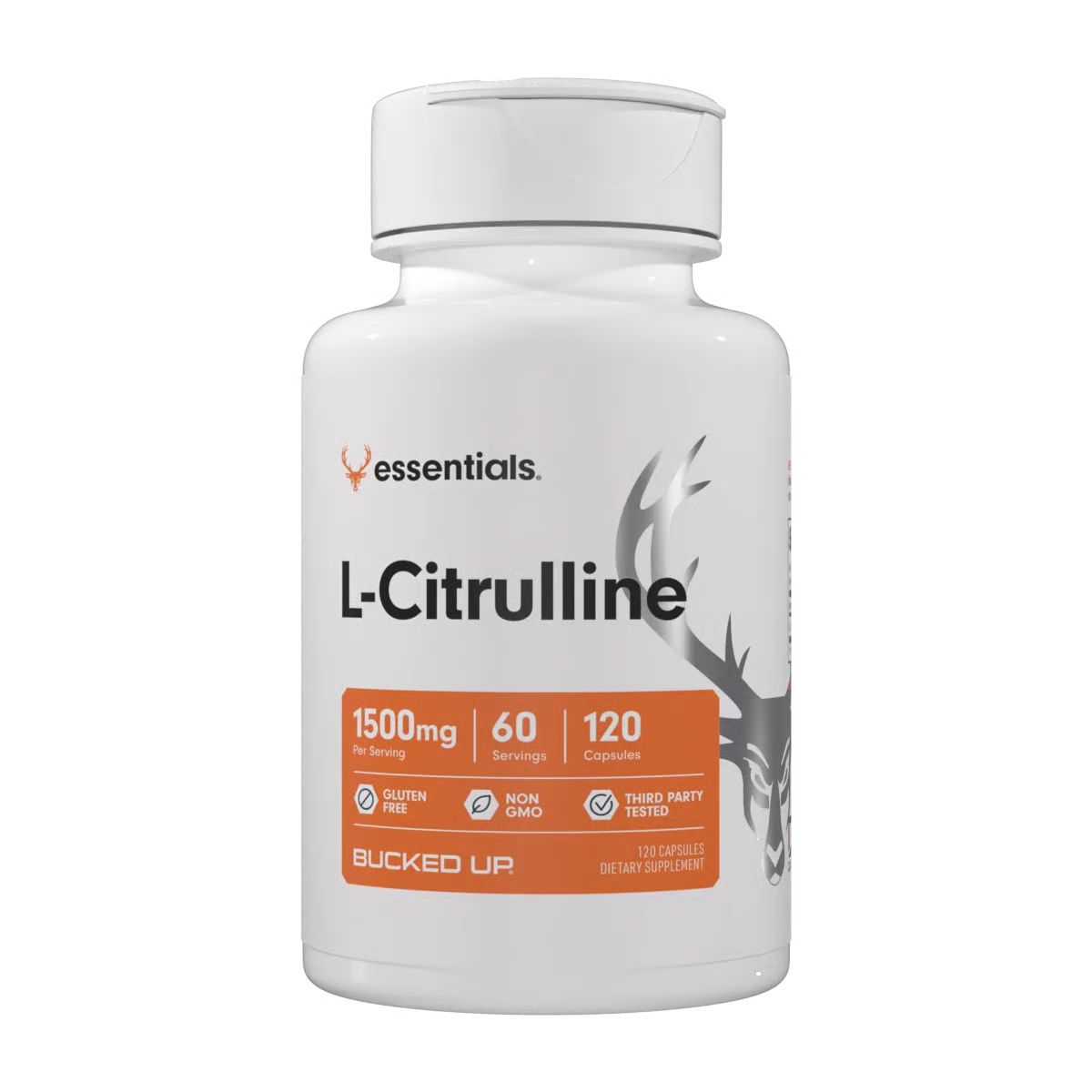
Consider at least 6 g of L-Citrulline when you evaluate effects on vascular function, while keeping your goal in mind.1 For general circulation support, 3-6 g daily often works well. For performance, 6-8 g of citrulline malate, which provides about 3.4-4.5 g of pure L-Citrulline, taken 30-60 minutes before exercise, is commonly used.1 Bucked Up’s L-Citrulline products include absorption-supporting Astragin, and the 2:1 citrulline malate ratio adds malic acid to support energy metabolism through the Krebs cycle.1
2. Omega-3 Fatty Acids for Supporting Blood Flow
Omega-3 fatty acids EPA and DHA work through several non–nitric oxide mechanisms, including anti-inflammatory effects, membrane stabilization, and support for endothelial function.1 These essential fats act as precursors for specialized pro-resolving mediators that help the body actively resolve inflammation.
The REDUCE-IT trial involving 8,179 participants found that 4 g daily of purified EPA reduced cardiovascular death by 25% in high-risk patients.1 These clinical outcomes likely relate to omega-3’s ability to improve blood flow through anti-thrombotic effects and better endothelial function, as shown in additional research. Studies have found that omega-3 intake can improve blood flow through anti-thrombotic effects and improved endothelial function.
Daily intakes of 2-4 g of combined EPA and DHA can help maintain normal triglyceride and blood pressure levels in healthy adults, with EPA-only formulas showing specific cardiovascular benefits.1 Omega-3s are generally well tolerated, although high doses may increase bleeding risk for people on anticoagulant medications.1 Taking omega-3s with meals can improve absorption and reduce digestive discomfort.
3. Curcumin (Turmeric) for Supporting Circulation
Curcumin, the main active compound in turmeric, delivers strong anti-inflammatory and antioxidant effects that help protect blood vessels. It inhibits nuclear factor-kappa B (NF-κB), a key inflammatory pathway that can drive endothelial dysfunction and arterial stiffness when chronically activated.
Research indicates that curcumin supplementation can improve flow-mediated dilation, which measures endothelial function. Studies also show reductions in inflammatory markers such as C-reactive protein and interleukin-6, both of which can contribute to vascular problems when elevated.
Effective curcumin doses often fall between 500-2,000 mg daily. Formulas that include piperine or phospholipid complexes tend to absorb better. Curcumin is usually safe for most people, although it may interact with anticoagulant medications and is often avoided before surgery because of potential effects on bleeding.
4. Ginkgo Biloba for Peripheral and Brain Circulation
Ginkgo biloba extract supports circulation through platelet aggregation inhibition, antioxidant activity, and direct effects on vascular smooth muscle. The standardized extract contains flavonoids and terpenoids that work together to support both peripheral and cerebral blood flow.
Studies on ginkgo show particular value for peripheral circulation and cognitive function. Research has documented improvements in walking distance and reduced claudication symptoms in people with peripheral artery disease. Other trials report enhanced memory and attention in older adults.
Common dosing uses 120-240 mg daily of standardized extract that provides 24% flavone glycosides and 6% terpene lactones, usually split into two or three servings. Ginkgo can increase bleeding risk, so it is typically discontinued before surgery and used cautiously with anticoagulant medications.1
5. Cayenne Pepper (Capsaicin) for Warming Peripheral Flow
Capsaicin, the active compound in cayenne pepper, promotes vasodilation by activating TRPV1 receptors in blood vessels. This pathway does not rely on nitric oxide and instead influences calcium channels in vascular smooth muscle cells.
Research shows that capsaicin, whether applied topically or taken orally, can increase skin blood flow and ease symptoms of poor peripheral circulation. These effects can last for several hours after use.
Effective intake often ranges from 30-120 mg of capsaicin daily, usually standardized to a specific capsaicinoid content. Topical products focus on local areas, while oral supplements provide more systemic support. Start with lower doses to gauge tolerance, since capsaicin can irritate the stomach in some people.
6. Magnesium for Vessel Relaxation and Vascular Tone
Magnesium acts as a natural calcium channel blocker in blood vessel walls, which encourages smooth muscle relaxation. This mineral participates in more than 300 enzymatic reactions and plays a central role in maintaining normal vascular tone, especially in people who do not already have low blood pressure.
Research connects magnesium intake to better cardiovascular markers. Supplementation can improve endothelial function and reduce arterial stiffness, particularly in people with low or marginal magnesium status. Magnesium also supports balanced inflammatory responses and helps manage oxidative stress.
For most adult men, 200-400 mg of elemental magnesium per day is a practical range to help fill dietary gaps and support normal muscle and nerve function. Magnesium glycinate and citrate often absorb better than oxide forms. Most people tolerate magnesium well, although higher doses can cause loose stools. Anyone with kidney disease should speak with a healthcare provider before using magnesium supplements.
7. Vitamin E for Antioxidant Vessel Protection
Vitamin E works as a fat-soluble antioxidant that protects cell membranes, including the endothelial cells that line blood vessels. This protection helps preserve normal endothelial function and supports balanced inflammatory activity in vascular tissue.
Studies link vitamin E supplementation to improvements in endothelial function markers and reductions in lipid peroxidation. Lower lipid peroxidation can matter because oxidized lipids contribute to vascular dysfunction and plaque formation.
Typical supplemental doses range from 100-400 IU daily of mixed tocopherols, with natural forms usually offering better bioavailability than synthetic versions. High doses may raise bleeding risk, especially with anticoagulant medications. Vitamin E often works well alongside vitamin C and selenium for broader antioxidant coverage.
8. Resveratrol for Metabolic and Vascular Support
Resveratrol, a polyphenol found in grape skins and red wine, supports vascular health through sirtuin activation and antioxidant pathways. These actions promote healthy endothelial function and help maintain normal inflammatory signaling in blood vessels.
Research on resveratrol points to benefits for both vascular function and metabolic health. Studies report improvements in flow-mediated dilation and reductions in oxidative stress markers, especially in people with metabolic syndrome or elevated cardiovascular risk.
Effective doses often fall between 100-500 mg daily, with trans-resveratrol considered the most bioactive form. Resveratrol may interact with anticoagulant medications and can act in an estrogen-like way, so people with hormone-sensitive conditions should use it cautiously.
9. Pine Bark Extract for Capillary and Leg Support
Pine bark extract, standardized to proanthocyanidins, supports circulation through antioxidant and anti-inflammatory actions. These compounds help shield blood vessels from oxidative damage and support healthy endothelial responses.
Studies associate pine bark extract with improved circulation and vascular function. Research has shown better endothelial function, less leg swelling, and improved exercise capacity in people with circulation concerns, likely due to the extract’s strong antioxidant activity.
Standard protocols often use 100-200 mg daily of extract standardized to 80% to 85% proanthocyanidins, usually taken with meals to support absorption. Pine bark extract is generally well tolerated, although it may increase the effects of blood-thinning medications.
10. Horse Chestnut for Venous and Leg Circulation
Horse chestnut seed extract, standardized to aescin, supports venous circulation through anti-inflammatory and vessel-strengthening effects. Aescin helps maintain normal capillary permeability and venous tone, which can be especially helpful for leg circulation.
Most research on horse chestnut focuses on venous insufficiency and leg symptoms. Studies report reduced leg swelling, less heaviness, and better venous return in people with circulation concerns when they use standardized extracts.
Effective intake usually involves 300-600 mg daily of extract standardized to 16-20% aescin, often divided into two doses. Only standardized extracts should be used, since raw seeds contain toxic compounds. Horse chestnut may interact with anticoagulant medications and is typically avoided during pregnancy.
Strategic Supplement Stacks for Targeted Circulation Goals
These ten supplements work through different mechanisms, which allows you to combine them for specific goals. Anti-inflammatory and antioxidant options such as omega-3s, curcumin, resveratrol, vitamin E, and pine bark extract help protect vessels. Direct vasodilators and venous supporters like cayenne, magnesium, ginkgo, and horse chestnut focus more on flow and tone.
Targeted stacks can match these mechanisms to your main concern. For extremity circulation, pairing cayenne with ginkgo combines vasodilation with improved peripheral flow. For brain circulation, resveratrol with vitamin E emphasizes antioxidant and endothelial support. For performance, L-Citrulline with magnesium can support muscle blood flow and vascular relaxation.
For those ready to build these stacks, Bucked Up’s transparent L-Citrulline formulations provide a solid base for performance-focused circulation support, without relying on proprietary blends.1
Stacks & Comparisons
| Stack Purpose | Primary Supplement | Supporting Supplement | Daily Dose |
|---|---|---|---|
| Extremity Circulation | Cayenne (Capsaicin) | Ginkgo Biloba | Standard doses of each |
| Brain Circulation | Resveratrol | Vitamin E | Standard doses of each |
| Performance Enhancement | L-Citrulline | Magnesium | Standard doses of each |
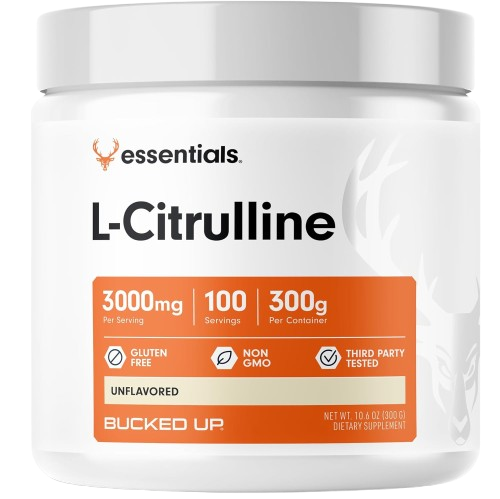
These stacks combine complementary mechanisms, such as vasodilation, antioxidant support, and venous tone, to address specific circulation goals. L-Citrulline can offer advantages over some traditional nitric oxide boosters because of its absorption profile and sustained effects.1 Bucked Up’s formulations include Astragin for bioavailability and use clear labeling without proprietary blends, so you know exactly what you are taking.
Whether you choose pure L-Citrulline for concentrated dosing or citrulline malate for added endurance support, Bucked Up’s options provide research-aligned amounts of L-Citrulline in straightforward formulas.1
Frequently Asked Questions
Which supplements work best for leg circulation?
Cayenne pepper and magnesium can support peripheral circulation through direct vasodilation. Horse chestnut extract focuses on venous circulation in the legs, while L-Citrulline offers broader support through sustained arginine availability. Using a combination of these approaches can address several aspects of leg circulation concerns.
Are these supplements safe for people with low blood pressure?
Most of these supplements have modest effects on blood pressure in people with normal readings, yet those with low blood pressure should proceed carefully. Magnesium and pine bark extract are often considered gentler options in this group. Always consult a healthcare provider before starting new supplements if you have blood pressure issues.
What’s the optimal dosage and timing for L-Citrulline?
For performance, use the higher end of the dosing range described in the L-Citrulline section and take it about 30-60 minutes before training. For general circulation support, many people use 3-6 g per day, sometimes split into two servings. Taking L-Citrulline on an empty stomach can improve absorption, although it can be taken with food if you notice stomach discomfort.
What’s the difference between pure L-Citrulline and Citrulline Malate?
Pure L-Citrulline provides only the active amino acid and works well when you want to focus on nitric oxide production per gram. Citrulline malate combines L-Citrulline with malic acid in a 2:1 ratio, which adds support for energy metabolism through the Krebs cycle. Many people use citrulline malate for endurance, while pure L-Citrulline allows more precise control of total citrulline intake.
Do these supplements interact with medications?
Several of these supplements can interact with medications, especially anticoagulants and blood pressure drugs. Ginkgo, vitamin E, and omega-3s may increase bleeding tendencies, and magnesium can enhance the effects of some blood pressure medications. Always tell your healthcare provider about any supplements you use and watch for possible interactions.
Who should avoid these circulation supplements?
Pregnant and breastfeeding women should avoid most of these supplements because of limited safety data. People with severe kidney disease should be cautious with L-Citrulline and magnesium. Anyone scheduled for surgery should stop supplements that affect bleeding risk at least two weeks beforehand. Those with hormone-sensitive conditions should approach resveratrol carefully due to its potential estrogenic activity.
Conclusion
These ten natural supplements provide science-backed options for supporting circulation through anti-inflammatory, antioxidant, and direct vasodilatory pathways that do not rely solely on nitric oxide. L-Citrulline can stand out because its renal conversion pathway helps sustain arginine levels and nitric oxide production while avoiding much of the liver breakdown seen with direct arginine intake.
Bucked Up’s L-Citrulline and citrulline malate products offer clearly labeled, research-aligned doses that can fit into circulation and performance stacks without proprietary blends.1
1 The content provided in this article is for informational purposes only and is not medical advice. Consult with a medical professional before implementing any changes to your diet, health, or exercise routines.
Individual results will vary and are based on a combination of each individual’s diet, exercise, age, and health circumstances.
These statements have not been evaluated by the Food and Drug Administration. This product is not intended to diagnose, treat, cure or prevent any disease.
This article was written by Ryan Gardner, CEO of Bucked Up. As the maker of Bucked Up Protein Soda, we have a financial interest in this information. The views expressed are our own and should be read with that context in mind.