Last updated: April 22, 2026
Key Takeaways
- Citrulline often outperforms arginine for nitric oxide support because it bypasses liver breakdown and sustains plasma arginine levels.1
- Citrulline can enhance exercise performance, with research showing up to 53% more repetitions to failure, 12% longer endurance, and 40% less muscle soreness.1
- Arginine frequently causes GI distress such as cramping and diarrhea, while citrulline is generally well-tolerated at effective doses.1
- Combining arginine with citrulline adds limited benefit for most people and can increase side effect risk; citrulline alone usually covers nitric oxide needs.1
- Choose Bucked Up L-Citrulline for straightforward, science-backed support for pumps, blood flow, and training performance.1
How Citrulline and Arginine Work for Nitric Oxide and Energy
Citrulline and arginine support nitric oxide through different metabolic routes, which explains their performance gap.1 Arginine acts as a direct nitric oxide precursor, yet it has limited bioavailability because arginase in the gut and liver breaks much of it down. This first-pass metabolism sharply reduces how much arginine reaches systemic circulation.
Citrulline follows a more efficient path. After absorption in the small intestine, citrulline largely bypasses the liver and travels to the kidneys. There it converts to arginine through argininosuccinate synthase and lyase enzymes. In mice, citrulline supplementation increases plasma arginine flux by 86% per unit supplemented, whereas equivalent doses of arginine do not. This renal conversion supports steadier plasma arginine levels and more consistent nitric oxide production.1
Citrulline also plays a role in energy metabolism through the urea cycle. During intense exercise, ammonia builds up and contributes to central fatigue. Citrulline helps convert ammonia to urea for excretion, which can ease fatigue during hard efforts.1 When paired with malic acid as citrulline malate, the malate supports the Krebs cycle, ATP production, and phosphocreatine recovery.1
Arginine vs Citrulline Head-to-Head: Practical Differences
These metabolic pathways help explain why citrulline often outperforms arginine in real training scenarios. Direct comparison highlights clear differences across absorption, nitric oxide impact, performance, and tolerability.
The table below summarizes sourced differences between these amino acids:
| Aspect | Arginine | Citrulline | Key Difference |
|---|---|---|---|
| Absorption/Bioavailability | Limited due to gut and liver breakdown | Approximately 83% of orally ingested citrulline is taken up by the kidneys where it is converted into arginine | Major bioavailability gap |
| Nitric Oxide Impact | Short spike, limited sustain | Sustained elevation, longer-lasting effects | Sustained vs short-term |
| Exercise Performance | Minimal repetition gains | 53% more repetitions to failure | Meaningful performance edge |
| Side Effects | Significant gastrointestinal distress, severe cramping and diarrhea | Citrulline is generally well-tolerated at recommended doses, though mild GI discomfort can occur with single doses of 10 g or more | Clear tolerability contrast |
The bioavailability gap drives many of the practical differences between arginine and citrulline. Arginine undergoes extensive first-pass metabolism with 40% degraded by the small intestine and low extraction by the liver, with nearly 90% of gut-derived arginine bypassing the liver, so substantial amounts do not enter systemic circulation. Higher doses are often required, which increases the chance of gastrointestinal distress.
Citrulline’s absorption profile connects directly to performance outcomes. Research demonstrates citrulline supplementation can increase repetitions to failure by 53% and reduce muscle soreness by 40%.1 These outcomes likely reflect better oxygen delivery to working muscles and more efficient ammonia clearance during intense training.
How Citrulline Supports Energy, Endurance, and Pumps
Citrulline consistently shows performance benefits across endurance and strength settings.1 Studies show cyclists taking citrulline were able to ride 12% longer before exhaustion and produced higher power output.1 These endurance gains align with improved oxygen content in muscle tissue and better nutrient delivery through vasodilation.
Citrulline also supports resistance training capacity. The repetition gains mentioned in the comparison translate into stronger training stimuli, because completing significantly more reps before failure increases total work per session. This performance boost pairs with recovery support, since the same research reporting more reps also found about 40% less delayed onset muscle soreness.1
This combination of higher training volume and reduced soreness allows more frequent hard sessions without overwhelming recovery. Over time, that pattern can support muscle growth, strength gains, and more noticeable pumps during workouts.1
Benefits extend beyond the gym. Citrulline supplementation affects blood pressure and endothelial function in adults1, which supports overall vascular health. These cardiovascular effects matter when you evaluate citrulline as part of a long-term training and wellness plan.
Stacking Arginine and Citrulline: When It Helps and When It Does Not
Most evidence suggests citrulline alone covers nitric oxide support for many athletes. Arginine undergoes rapid breakdown in the gut and liver, so stacking it with citrulline often adds more GI risk than performance benefit. Many lifters find that citrulline by itself delivers the pumps and endurance they want.1
Advanced formulas can still use citrulline as a base and pair it with other nitric oxide enhancers. Bucked Up’s Mother Bucker illustrates this approach by combining 4 g of pure L-citrulline with Nitrosigine and Hydroprime Glycerol. This blend targets several vasodilation and hydration pathways instead of leaning on extra arginine.
Bucked Up L-Citrulline Options for Different Training Goals
Bucked Up provides clear citrulline dosing across several products so you can match your supplement to your training style. The flagship Bucked Up Pre-Workout includes 6,000 mg of Citrulline Malate in a 2:1 ratio, which supports nitric oxide production and energy metabolism through the added malic acid.1 This range aligns with doses commonly used in research.
Mother Bucker suits athletes who want focused nitric oxide support with added pump ingredients. It delivers 4,000 mg of pure L-citrulline, plus Nitrosigine and Astragin for enhanced absorption.1
This combination aims to support blood flow through multiple mechanisms while maintaining strong bioavailability.1
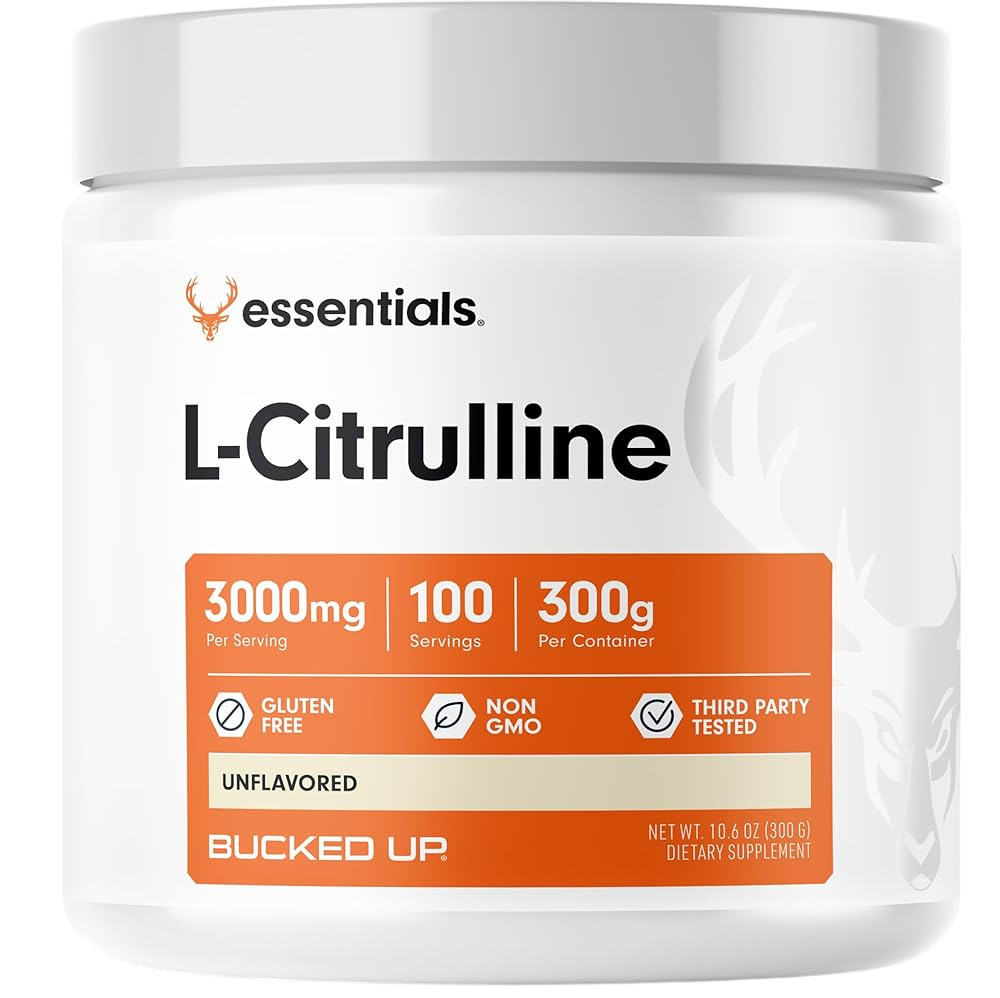
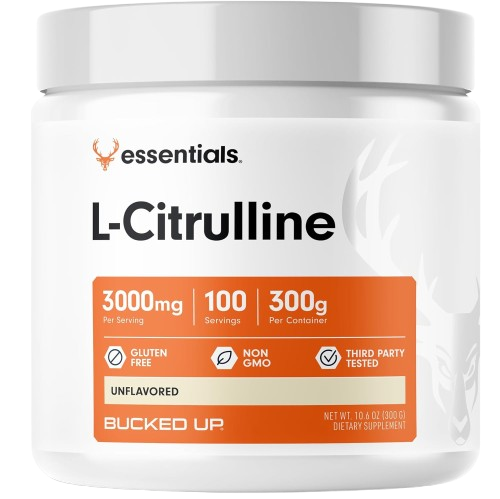
The standalone L-Citrulline powder provides 3,000 mg per serving for lifters who prefer to build their own stack or adjust dosing around body weight in lbs and training intensity. The unflavored format mixes easily with other products while keeping ingredient lists simple.
Dosing, Safety, and Using Citrulline vs Arginine for Erectile Dysfunction
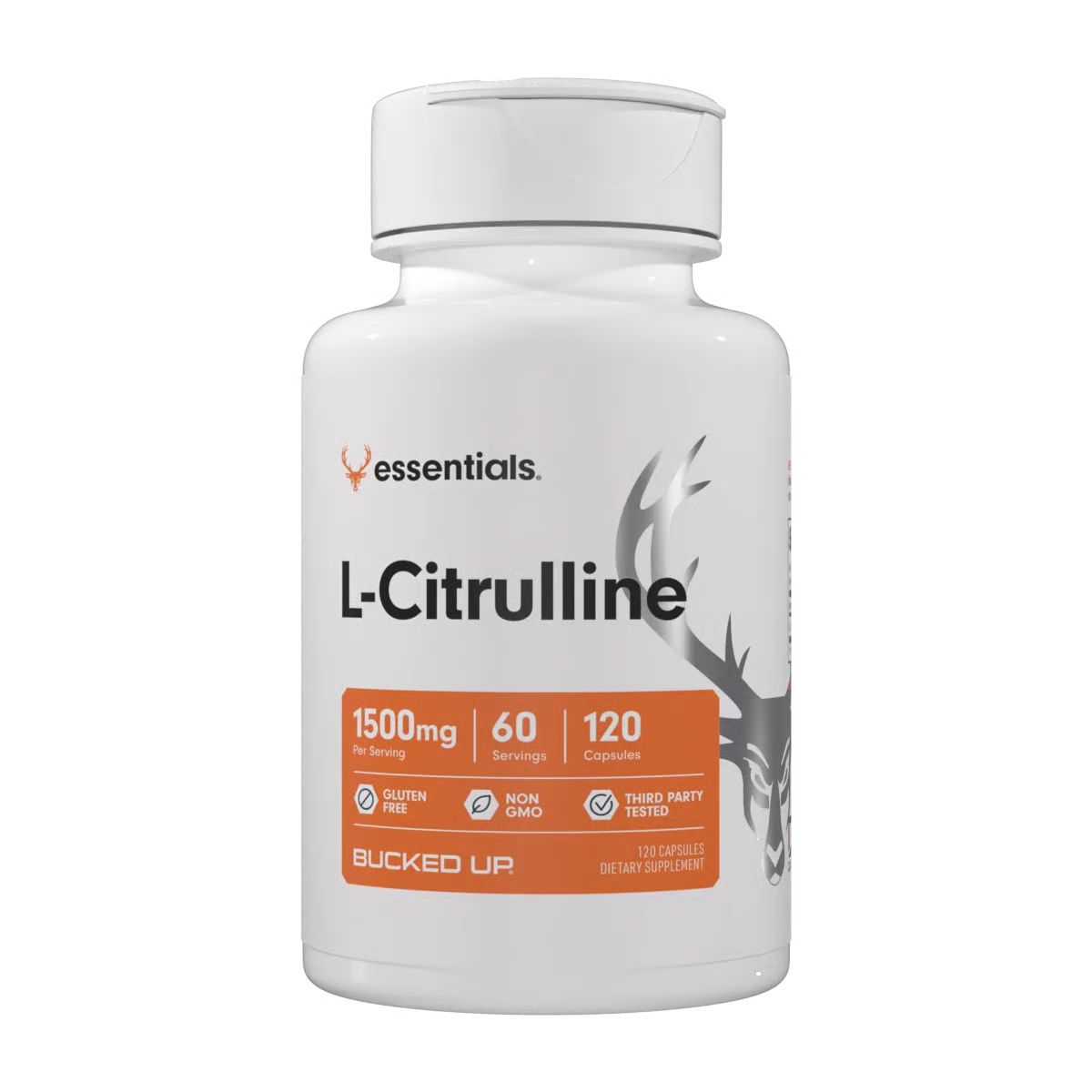
Citrulline dosing depends on your goal and product type. For resistance training, many studies use 6 to 8 g of citrulline malate taken 30 to 60 minutes before a workout. For daily vascular or general support, 3 to 6 g of pure L-citrulline split into two servings can maintain steadier levels.1
Citrulline is generally well-tolerated at these amounts, though some people notice mild GI discomfort with single doses of 10 g or more.1 Arginine shows a different pattern and can cause loose stools, bloating, or nausea at higher doses, especially when large amounts remain unabsorbed in the gut.
For erectile dysfunction support, citrulline is better absorbed than arginine, raises plasma arginine levels more effectively, and produces longer-lasting effects.1 This improved bioavailability and steadier nitric oxide production make citrulline a reasonable option to discuss with a healthcare professional for vascular health support.
Conclusion: Why Many Lifters Choose Citrulline Over Arginine
Citrulline often stands out for nitric oxide support, energy, and exercise performance because it avoids heavy liver breakdown and sustains arginine levels.1 That difference shows up in the gym as better endurance, stronger pumps, and less soreness for many users.
FAQ
Which is better for nitric oxide and energy: arginine or citrulline?
Citrulline generally shows stronger support for nitric oxide production and energy in research. Arginine has poor absorption because the liver and gut break much of it down before it reaches circulation. Citrulline bypasses most of this breakdown and converts to arginine in the kidneys, which raises plasma arginine and sustains nitric oxide production. Studies report that citrulline can increase exercise repetitions by about 53% and extend endurance by roughly 12%, while arginine often shows limited performance change at tolerable doses.1
What are the main side effects of arginine vs citrulline?
Arginine can cause gastrointestinal distress such as cramping, diarrhea, bloating, and nausea at higher doses, because unabsorbed arginine pulls water into the intestines. Significant gastrointestinal distress, severe cramping and diarrhea have been reported. Citrulline is generally well-tolerated at recommended doses, though some users notice mild GI discomfort with single servings of 10 g or more.
Can I take arginine and citrulline together for better results?
Stacking arginine with citrulline usually adds little benefit and can increase side effect risk. Citrulline converts to arginine more efficiently than direct arginine intake, so extra arginine often contributes more to GI load than to nitric oxide production. Many advanced formulas instead pair citrulline with other nitric oxide enhancers such as Nitrosigine, which can support blood flow through complementary mechanisms.
What is the optimal dosing for citrulline vs arginine?
For exercise performance, 6 to 8 g of citrulline malate taken 30 to 60 minutes before training is common in research. For daily cardiovascular support, 3 to 6 g of pure citrulline split into two doses often works well. Arginine typically requires doses of 10 g or more to reach similar plasma arginine levels, yet these amounts frequently cause GI side effects. Citrulline’s superior bioavailability allows lower, more comfortable doses while still supporting nitric oxide.
Which amino acid is better for muscle pumps and vascularity?
Citrulline usually supports muscle pumps and vascularity more effectively than arginine. Its ability to keep plasma arginine elevated for longer periods promotes sustained nitric oxide production and vasodilation. Many lifters notice fuller, longer-lasting pumps and more visible vascularity with citrulline.1
1 The content provided in this article is for informational purposes only and is not medical advice. Consult with a medical professional before implementing any changes to your diet, health, or exercise routines.
Individual results will vary and are based on a combination of each individual’s diet, exercise, age, and health circumstances.
These statements have not been evaluated by the Food and Drug Administration. This product is not intended to diagnose, treat, cure or prevent any disease.
This article was written by Ryan Gardner, CEO of Bucked Up. As the maker of Bucked Up Protein Soda, we have a financial interest in this information. The views expressed are our own and should be read with that context in mind.