Last updated: April 22, 2026
Key Takeaways
- L-citrulline supports muscle repair through ammonia detoxification in the urea cycle and improved nutrient delivery from nitric oxide production.1
- Research shows citrulline malate can reduce muscle soreness by 40% at 48 hours post-exercise and increase repetitions by up to 53%.1
- Effective dosing often falls between 6–8 g citrulline malate (2:1 ratio) or 3–6 g pure L-citrulline, taken 30–60 minutes pre-workout.1
- Both strength and endurance athletes can benefit, with pure L-citrulline fitting well for daily recovery and stacks with enhancers like AstraGin®.1
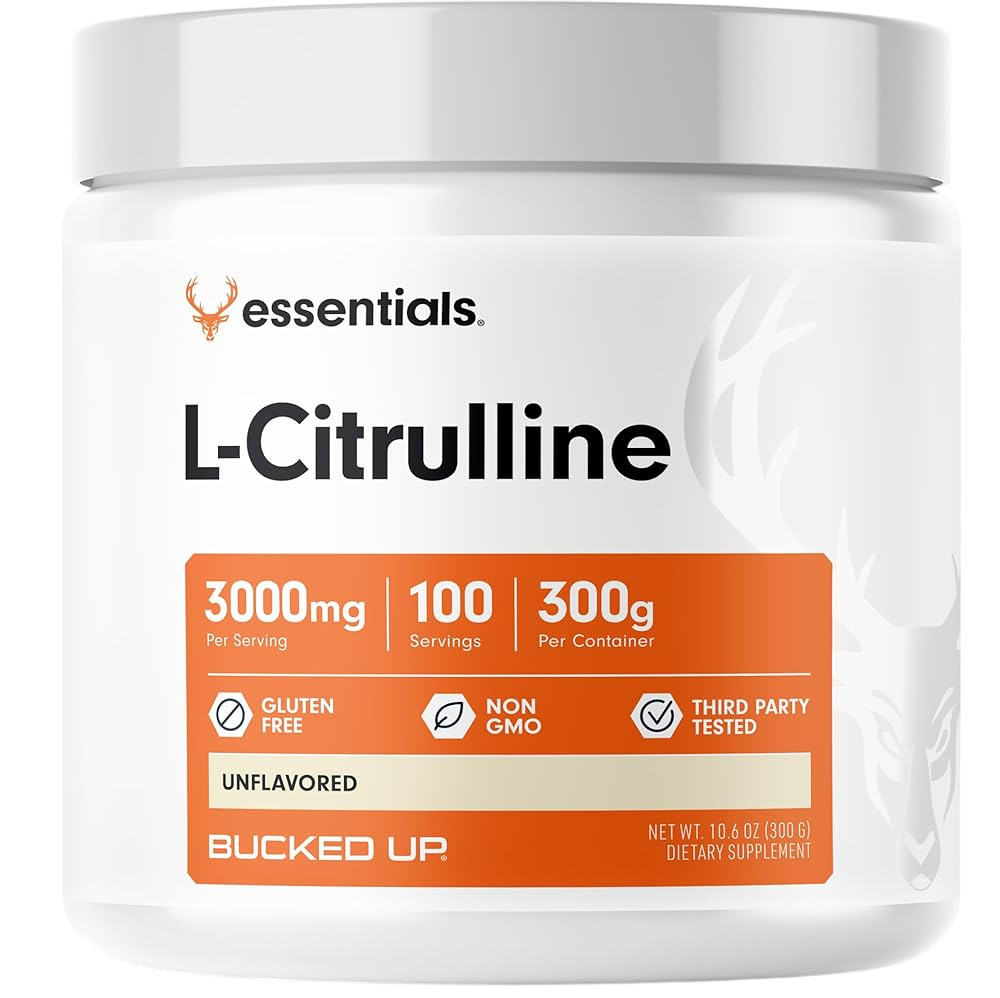
- For a transparent option with research-aligned dosing, try Bucked Up’s pure L-citrulline as part of your recovery routine.
How L-Citrulline Drives Recovery: Executive Summary
L-citrulline supports muscle repair and post-workout recovery through two main mechanisms: ammonia detoxification via the urea cycle and enhanced nutrient delivery through nitric oxide production.1 Recent research demonstrates that citrulline malate supplementation reduces muscle soreness by 40% two days (approximately 48 hours) post-exercise, while supporting increased work output during performance tests.1 Effective dosing often ranges from 6–8 g of citrulline malate (2:1 ratio) or 3–6 g of pure L-citrulline, taken 30–60 minutes pre-exercise for acute benefits or used daily for ongoing recovery support.1 This guide walks through the science, dosing strategies, and real-world application so you can use citrulline more confidently in your training.
Ready to put the science into practice? Explore Bucked Up’s pure L-citrulline with clearly labeled dosing and stacking flexibility.
Why Transparency Matters in Citrulline Supplements
The supplement industry has shifted from proprietary blends to fully disclosed formulations as athletes demand transparency and proven efficacy. This change strongly affects pre-workout and recovery products, where ingredients like L-citrulline now appear with specific dosages instead of being buried in undisclosed blends. Demand for both stimulant and non-stimulant options has grown as more athletes realize that effective recovery support does not always require caffeine. Bucked Up supports this transparency movement by clearly listing ingredient amounts and using absorption enhancers like AstraGin® to support bioavailability.
How L-Citrulline Works in Your Body
L-citrulline is a non-essential amino acid first isolated from watermelon (Citrullus lanatus) that plays a key role in nitric oxide synthesis and the urea cycle. Unlike L-arginine, which undergoes significant first-pass metabolism in the liver, L-citrulline exhibits higher bioavailability, with nearly all supplemented citrulline appearing in plasma and boosting plasma arginine levels. After absorption, citrulline travels to the kidneys, where enzymes convert it to L-arginine.
Muscle repair benefits arise from citrulline’s dual role in ammonia detoxification and energy metabolism.1 As a key intermediate in the urea cycle, citrulline helps convert toxic ammonia, a byproduct of intense exercise, into urea for excretion.1 This process targets a major driver of exercise-induced fatigue and delayed recovery. When citrulline combines with malic acid to form citrulline malate, the malate portion supports the Krebs cycle for ATP production and phosphocreatine recovery.1
Gonzalez et al. (2023) tested the acute effects of 8 g L-citrulline on resistance exercise performance and muscle oxygenation in recreationally resistance-trained adults. The research shows consistent improvements in repetition performance, with some studies reporting up to 53% increases in total repetitions performed to muscular failure.1 Individual responses can vary, and the most noticeable acute benefits tend to appear alongside structured resistance training protocols.
How Different Athletes Use Citrulline
Different athlete profiles can use citrulline in specific ways. PR-chasers focused on strength gains and personal records often rely on citrulline for reduced delayed onset muscle soreness and faster recovery between heavy sessions.1 Many of these lifters fall in the 180–250 lbs range and respond well to 6–8 g citrulline malate, such as the dose in Bucked Up’s foundational pre-workout, which uses the 2:1 citrulline to malic acid ratio seen in research.
Endurance athletes form another key group and use citrulline’s ammonia buffering properties to maintain performance during longer training bouts. Research indicates that 6–8 g of citrulline malate taken 60–90 minutes before exercise can enhance oxygen and nutrient delivery to muscles while supporting waste removal.1 For these athletes, Bucked Up’s Non-Stimulant Pre-Workout offers 6 g citrulline malate without caffeine, which suits evening or double sessions.
Advanced athletes who want more targeted recovery and pump support often choose pure L-citrulline stacks.1 Bucked Up’s Mother Bucker formula speaks to this group with 4 g of pure L-citrulline plus Nitrosigine® and Hydroprime® Glycerol, creating what the company calls a “Pump Trifecta” that approaches vasodilation through several pathways.
Whether you focus on strength, endurance, or advanced stacking, Bucked Up’s L-citrulline lineup offers options that align with these different training styles.
Forms, Dosing, and Smart Stacks
L-citrulline supplementation appears in two main forms, each with specific uses for muscle repair and recovery. Pure L-citrulline delivers 100% active ingredient and is typically dosed at 3–6 g daily, either pre-exercise or spread through the day for steady recovery support.1 Citrulline malate, commonly formulated in a 2:1 ratio, usually requires 6–8 g doses to provide about 3.4–4.5 g of actual citrulline, while the malic acid portion supports energy metabolism through the Krebs cycle.1
Timing plays a central role in recovery benefits. For acute performance and recovery effects, citrulline malate is often taken 30–60 minutes before exercise,1 which allows time for absorption and conversion to arginine. However, pre-workout timing is not the only option. Daily dosing can support ongoing recovery, which becomes especially helpful for athletes training several times per week who need consistent ammonia buffering between sessions.
| Goal | Form/Dose | Timing | Bucked Up Example |
|---|---|---|---|
| Recovery | 6–8 g Malate 2:1 | 30–60 min pre | Bucked Up Pre (6 g) |
| Daily Repair | 3–6 g Pure | Anytime | L-citrulline Powder (3 g/scoop) |
| Advanced Stack | 4 g Pure + Nitrosigine® | 30–60 min pre | Mother Bucker |
Stacking strategies often pair citrulline with beta-alanine for added endurance support and creatine for ATP regeneration. Bucked Up includes AstraGin® in all pre-workout formulas to support citrulline uptake and utilization, which can help athletes get more consistent results from each serving.1
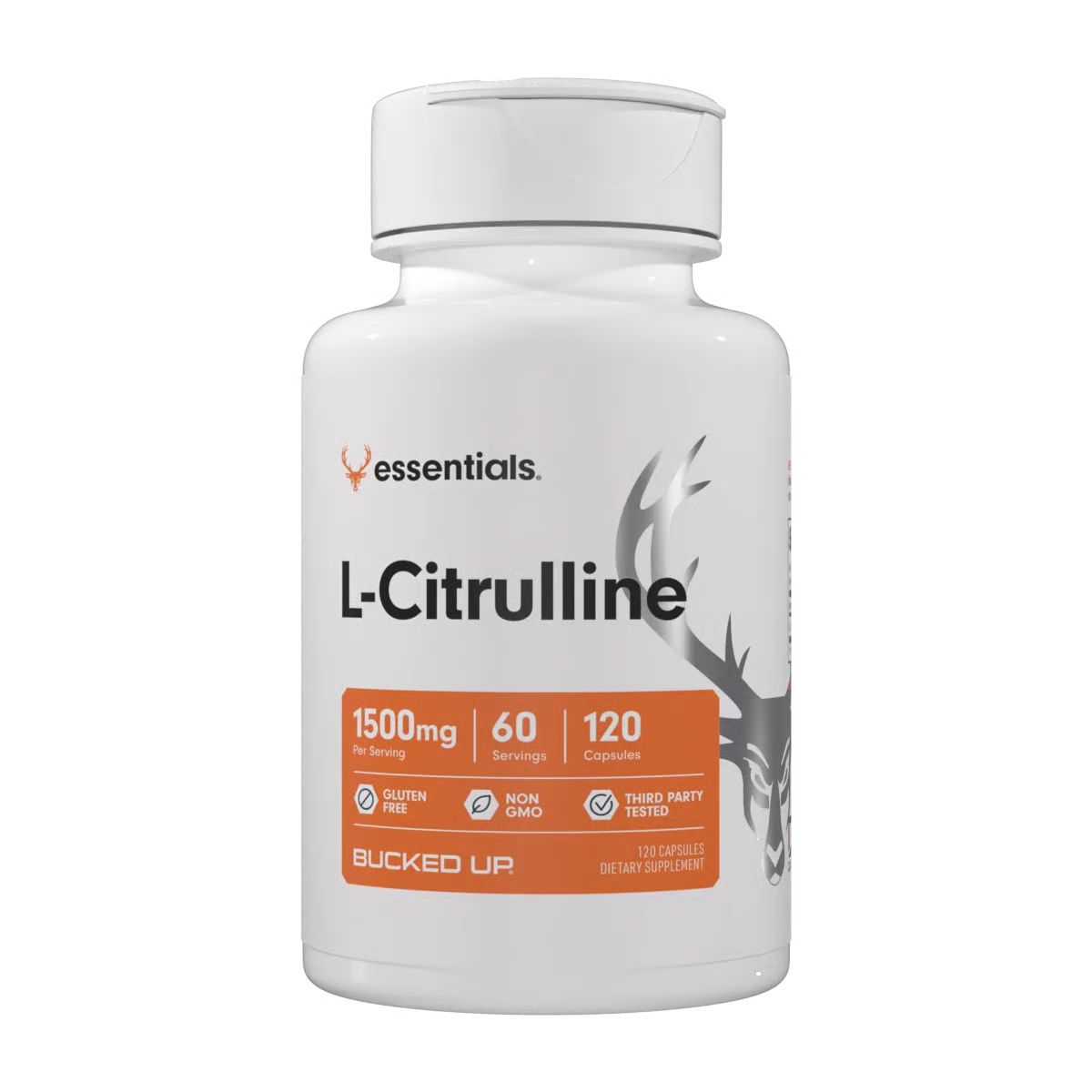
To build your own stack around these ranges, you can start with Bucked Up’s pure L-citrulline and layer it with your preferred pre-workout or recovery products.
Practical Tips for Using Citrulline
Effective citrulline use starts with checking product labels and confirming how much actual citrulline you receive per serving. Many products list citrulline malate without clarifying the 2:1 ratio, which can lead to unintentional underdosing. A practical approach begins with lower amounts, such as 3–4 g citrulline malate, to gauge tolerance and any gastrointestinal response before moving toward research-supported doses of 6–8 g.
Timing works best when you take citrulline 30–60 minutes before exercise for acute effects, while daily use can support longer-term recovery. Achieving these timing benefits consistently requires knowing your exact citrulline dose, which makes product transparency crucial. Bucked Up lists precise amounts, such as 6000 mg citrulline malate plus AstraGin®, to remove guesswork and support consistent dosing. The added absorption enhancer helps address common bioavailability concerns that can limit results with less detailed formulations.
Common Citrulline Mistakes to Avoid
Several misconceptions still surround citrulline and recovery. One frequent mistake involves assuming that higher doses always produce better results, which can increase the risk of gastrointestinal distress. Doses above 10 g may cause nausea, bloating, or diarrhea.1 The superior absorption profile discussed earlier also helps explain why citrulline tends to cause fewer gastrointestinal issues than direct arginine supplementation,1 since less first-pass metabolism reduces GI stress at effective doses.
Another pitfall appears when athletes only use citrulline on training days. Research supports daily supplementation at 3–6 g for ongoing recovery benefits,1 especially for athletes with high training frequency. Bucked Up formulations address these issues through clear dosing and the inclusion of AstraGin® to support absorption without pushing doses to uncomfortable levels.
Safety, Regulation, and Product Quality
L-citrulline shows a favorable safety profile at recommended doses, with mild gastrointestinal effects reported most often.1 Clinical analysis of related amino acid supplementation reported mild side effects in some participants. Individuals with low blood pressure, kidney disorders, or those using blood pressure medications should speak with a healthcare professional before starting supplementation.
Bucked Up products are manufactured in USA GMP-certified facilities, which supports consistent quality and purity. The company extends its transparency focus beyond ingredient lists to include third-party testing and adherence to current good manufacturing practices.
FAQ Section
Does L-citrulline help muscle recovery?
Yes, L-citrulline supports muscle recovery through ammonia detoxification and enhanced nutrient delivery.1 As noted earlier, studies show meaningful reductions in post-exercise soreness, with the mechanism centered on the urea cycle clearing metabolic waste products that contribute to fatigue and delayed recovery.1
What is the optimal citrulline malate dosage for recovery?
The research-supported range mentioned earlier, 6–8 g citrulline malate (2:1 ratio) or 3–6 g pure L-citrulline, applies to pre-exercise use for acute benefits. Bucked Up pre-workouts such as Bucked Up, Woke AF, and Non-Stimulant Pre-Workout contain 6 g of citrulline malate, while Mother Bucker provides 4 g pure L-citrulline. These amounts fall within the effective ranges used in current studies.
How does citrulline compare to creatine for recovery?
Citrulline and creatine support recovery through different pathways. Citrulline focuses on ammonia clearance and nutrient delivery for acute performance and short-term recovery,1 while creatine supports ATP regeneration and muscle protein synthesis over time. Many athletes stack both supplements, as seen in Bucked Up’s comprehensive pre-workout formulas.
What is the recommended L-citrulline dosage per day?
Daily L-citrulline intake often ranges from 3–6 g of pure citrulline or 6–8 g of citrulline malate. You can take this as a single serving or split it into multiple doses. Athletes who train several times per week may benefit from consistent daily use rather than relying only on pre-exercise servings.
Should citrulline malate be taken before or after a workout?
Citrulline malate works best when taken 30–60 minutes before exercise for acute benefits.1 This window allows for absorption, conversion to arginine, and peak nitric oxide production during training. Post-workout use may still support ongoing recovery, but it does not provide the same immediate performance support as pre-exercise timing.
Conclusion: Turning Citrulline Science into Results
L-citrulline offers a science-backed way to support muscle repair and post-workout recovery through ammonia detoxification and improved nutrient delivery.1 Evidence points to meaningful reductions in muscle soreness and better training capacity when athletes use appropriate doses.1 Bucked Up’s focus on transparent, research-aligned formulations helps athletes access effective citrulline amounts with added absorption support, which can aid both immediate performance and long-term recovery goals.
If you want a straightforward way to add citrulline to your routine, consider Bucked Up’s pure L-citrulline as a base for your pre-workout or daily recovery stack.
1 The content provided in this article is for informational purposes only and is not medical advice. Consult with a medical professional before implementing any changes to your diet, health, or exercise routines.
Individual results will vary and are based on a combination of each individual’s diet, exercise, age, and health circumstances.
These statements have not been evaluated by the Food and Drug Administration. This product is not intended to diagnose, treat, cure or prevent any disease.
This article was written by Ryan Gardner, CEO of Bucked Up. As the maker of Bucked Up Protein Soda, we have a financial interest in this information. The views expressed are our own and should be read with that context in mind.