Last updated: April 22, 2026
Key Takeaways for Advanced Lifters
- Advanced weightlifters often face ammonia buildup and energy deficits during heavy lifts, which can stall PRs and flatten pumps.
- L-Citrulline helps clear ammonia through the urea cycle, supports nitric oxide for stronger blood flow, and can aid ATP production when paired with malate.1
- Use 6–8 g citrulline malate or 3–6 g pure L-citrulline 30–60 minutes pre-workout, starting at the low end to assess tolerance.
- Stack with beta-alanine, creatine, and absorption enhancers like AstraGin® to further support pumps, performance, and recovery.1
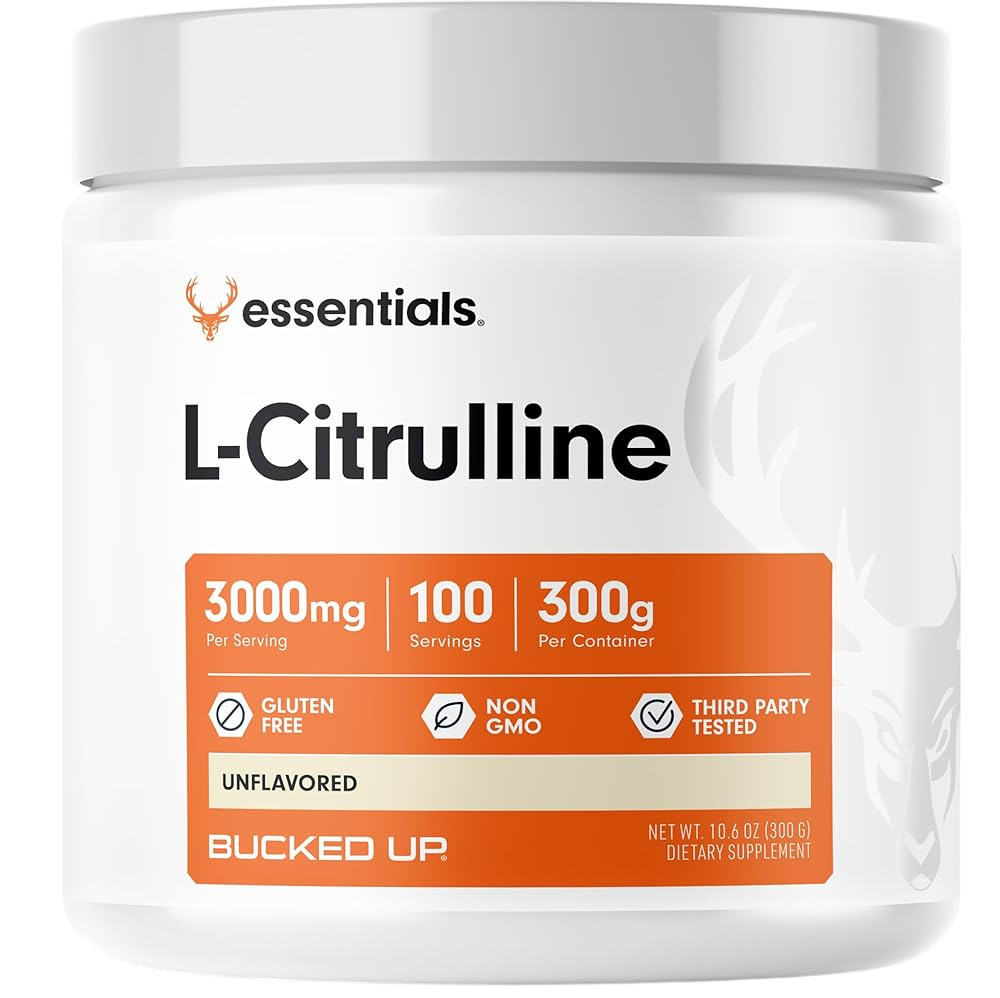
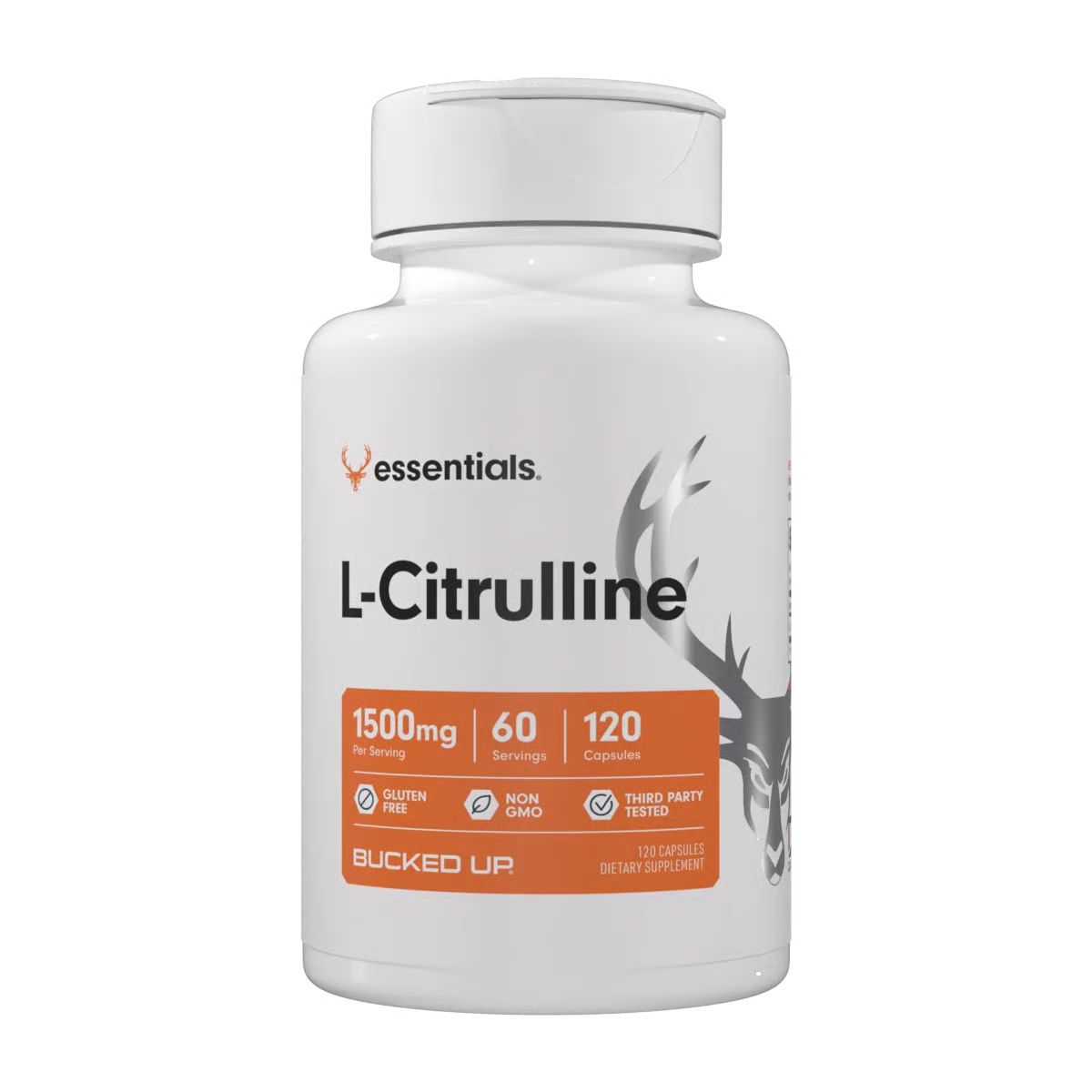
- Choose Bucked Up’s pure L-citrulline for precise dosing and advanced protocols: shop L-citrulline powder here.
The Problem: Why Heavy Lifters Hit Plateaus
Advanced weightlifters face physiological challenges that basic pre-workouts rarely solve. During intense sessions with heavy loads, muscle tissue produces ammonia as a toxic byproduct of protein metabolism. This ammonia buildup contributes to central fatigue and makes it harder to maintain power across multiple heavy sets. At the same time, stressed energy systems reduce ATP availability during demanding squats, deadlifts, and bench press variations.
These metabolic limitations often show up as significant DOMS after high-volume sessions in advanced lifters. The combination of ammonia toxicity and impaired energy production creates a cascade: reduced training volume, longer recovery windows, and stalled progress. Once you move past beginner gains, these internal bottlenecks often become the main barrier to continued strength increases.
The physiological stress of moving heavy weights also places high demands on detoxification and energy pathways. Traditional pre-workout ingredients such as caffeine mainly provide neural stimulation. They do not directly address the metabolic roadblocks that limit performance in experienced lifters.
The Solution: How L-Citrulline Supports Heavy Training
L-citrulline targets several root causes of performance limitation in advanced lifters. First, it acts as a key intermediate in the urea cycle, helping convert toxic ammonia into urea for excretion. This ammonia clearance supports reduced fatigue during high-intensity training sessions.1
Second, L-citrulline bypasses hepatic first-pass metabolism and converts to L-arginine in the kidneys. This pathway provides a more reliable substrate for nitric oxide synthesis than direct arginine supplementation. Research shows more sustained increases in plasma arginine levels, which supports better blood flow and nutrient delivery to working muscles.1
Beyond nitric oxide support, L-citrulline’s effects can extend to energy production when paired with malic acid. In citrulline malate formulations, the malate component supports Krebs cycle function, which can enhance aerobic ATP production and phosphocreatine recovery between sets.1 The landmark Pérez-Guisado and Jakeman study reported more repetitions to failure in resistance-trained men using 8 g citrulline malate, and Wax et al. observed similar benefits in lower-body training.1
Bucked Up offers both citrulline malate and pure L-citrulline in research-informed amounts so advanced lifters can match their supplement choice to specific training goals.
Step 1: Picking Pure Citrulline or Citrulline Malate
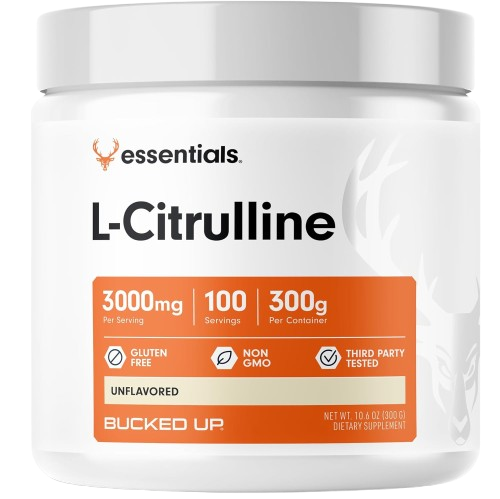
Advanced lifters benefit from knowing how pure L-citrulline differs from citrulline malate. Pure L-citrulline delivers 100% of the stated dose as the active amino acid, which supports precise dosing and flexible stacking. Citrulline malate combines L-citrulline with malic acid in a 2:1 ratio. In this form, 1.76 g of citrulline malate 2:1 provides about 1 g of pure L-citrulline, or roughly 57% of the total weight.
| Form | L-Citrulline Content | Key Benefit | Bucked Up Example |
|---|---|---|---|
| Pure L-Citrulline | 100% | Direct nitric oxide substrate | 4 g in Mother Bucker |
| Citrulline Malate 2:1 | ~57% | Added Krebs cycle energy support | 6 g in Bucked Up / Woke AF |
Pure L-citrulline suits advanced lifters who want maximum nitric oxide support with tight control over total daily intake.1 Lifters who want both vasodilation and extra energy metabolism support can look to citrulline malate. The malic acid component may enhance ATP production through Krebs cycle activity, while the main performance impact still comes from the L-citrulline itself.1
Step 2: Dosing and Timing for Heavy Lifting
Effective L-citrulline use depends on matching dose and timing to hard training. Precise intake supports higher plasma arginine levels and stronger nitric oxide production.1 Peak plasma concentrations generally appear within 0.7–2 hours after ingestion, so pre-workout timing matters for performance.
| Goal | Dose | Timing | Research Support |
|---|---|---|---|
| Weight Training | 6–8 g citrulline malate | 30–60 minutes pre-workout | Pérez-Guisado and Jakeman study |
| Daily Recovery | 3–6 g pure L-citrulline | Daily between meals | Evidence for reduced DOMS |
Advanced lifters can use a simple progression. First, start with a 3 g tolerance test to gauge individual response and gastrointestinal comfort. Once tolerance feels solid, increase gradually toward a 6–8 g target over 5–7 days to support absorption and reduce digestive issues. After reaching the desired dose, keep timing consistent at about 60 minutes before training so peak plasma levels match the hardest sets.
L-citrulline often begins to take effect within 30–35 minutes, so a 60-minute pre-workout window works well for heavy sessions that may run longer than 90 minutes. This schedule supports sustained substrate availability across the full workout.
Step 3: Smart Stacks for Elite Results
Strategic stacking can magnify L-citrulline’s impact for advanced lifters. Beta-alanine acts as an intracellular buffer and helps manage the burn from hydrogen ion buildup during higher-rep sets. Creatine monohydrate supports phosphocreatine recovery between sets, which helps maintain power output across repeated heavy efforts.
Bucked Up’s Mother Bucker showcases an advanced stacking strategy. It combines 4 g pure L-citrulline with Nitrosigine® and HydroPrime® glycerol. This “Pump Trifecta” supports vasodilation and fullness through several routes: L-citrulline maintains arginine levels, Nitrosigine® supports rapid nitric oxide activity, and HydroPrime® encourages intracellular hydration for fuller-looking muscles.
AstraGin® in select Bucked Up formulas addresses absorption, which often limits amino acid effectiveness. AstraGin® has been shown to enhance amino acid absorption, which supports better use of each gram of L-citrulline.1 This focus on bioavailability can separate advanced formulations from basic single-ingredient powders. Shop pure L-citrulline with AstraGin® support to build your own stack.
Troubleshooting: When You Do Not Feel a Difference
Advanced lifters who do not notice clear effects can walk through a short checklist. First, confirm that dosing matches research ranges. Studies showing performance benefits have used doses as low as 2.4 g, and underdosing remains a frequent reason for weak results.
Next, look at absorption. Some lifters benefit from absorption enhancers such as AstraGin® or from avoiding large meals around L-citrulline intake. Individual differences in gut health and digestion can change how much of each dose reaches circulation.
Cycling can also help. Many advanced lifters use L-citrulline for 8–12 weeks, then take about 2 weeks off to reset sensitivity. Consistent supplementation appears to support vascular benefits, while single acute doses show more variable effects.
Safety usually centers on gastrointestinal comfort. The most common side effect is mild stomach upset, which many lifters reduce by pairing L-citrulline with a small carbohydrate snack and by increasing the dose gradually.1
Conclusion: Using Bucked Up to Push New PRs
Advanced weightlifters benefit from supplementation plans that match the stress of heavy training. The L-citrulline strategies in this guide, including 6–8 g citrulline malate pre-workout, targeted stacking, and structured cycling, create a practical framework for breaking through plateaus.
Bucked Up’s transparent formulas feature L-citrulline and citrulline malate in research-informed amounts, along with AstraGin® in select products to support absorption. Whether you choose 6 g citrulline malate in Bucked Up Pre-Workout or the 4 g pure L-citrulline stack in Mother Bucker, these options support ammonia clearance, blood flow, and energy systems during demanding sessions.1 Start your advanced L-citrulline protocol today.
Frequently Asked Questions
How much L-citrulline should advanced weightlifters take for a strong pump?
Advanced lifters often use 6–8 g citrulline malate or 3–6 g pure L-citrulline 30–60 minutes before training. Studies with resistance-trained individuals support this range for nitric oxide production during heavy lifting.1 Lifters with more training experience and greater muscle mass usually respond better near the upper end of the range.
When should I take L-citrulline before heavy lifting?
Take L-citrulline about 60 minutes before your workout for consistent results. This schedule lines up with the peak plasma window discussed earlier, so substrate availability is high during your hardest sets. For sessions longer than 90 minutes, this timing also helps maintain support through the full workout.
Can I stack L-citrulline with caffeine and creatine safely?
L-citrulline can be stacked with both caffeine and creatine in most healthy adults. Caffeine supports alertness and focus, L-citrulline supports blood flow and nutrient delivery, and creatine aids phosphocreatine recovery between sets.1 Many advanced pre-workouts combine these ingredients to cover several performance pathways at once.
Is daily L-citrulline supplementation safe over the long term?
L-citrulline appears well tolerated for daily use in clinical research, with few adverse effects reported. Mild gastrointestinal discomfort at higher doses is the most common issue and often improves when lifters start low and increase gradually. People with kidney disease or those using blood pressure medications should speak with a healthcare professional before starting L-citrulline.
What is the difference between pure L-citrulline and citrulline malate for strength training?
Pure L-citrulline provides the full labeled dose as active amino acid, which supports precise control over nitric oxide substrate intake. Citrulline malate combines L-citrulline with malic acid in a 2:1 ratio, and the malic acid may support energy metabolism through the Krebs cycle.1 Both forms can support strength training, with citrulline malate adding potential energy support and pure L-citrulline offering more concentrated nitric oxide precursor per gram.
1 The content provided in this article is for informational purposes only and is not medical advice. Consult with a medical professional before implementing any changes to your diet, health, or exercise routines.
Individual results will vary and are based on a combination of each individual’s diet, exercise, age, and health circumstances.
These statements have not been evaluated by the Food and Drug Administration. This product is not intended to diagnose, treat, cure or prevent any disease.
This article was written by Ryan Gardner, CEO of Bucked Up. As the maker of Bucked Up Protein Soda, we have a financial interest in this information. The views expressed are our own and should be read with that context in mind.