Last updated: April 22, 2026
Key Takeaways
- Amino acids like L-Citrulline, BCAAs, and glutamine can improve endurance by reducing fatigue, supporting energy production, and speeding up recovery.1
- L-Citrulline increases nitric oxide production through kidney conversion to arginine, which supports blood flow, oxygen delivery, and cycling performance.1
- BCAAs help delay central fatigue by competing with tryptophan in the brain and providing muscle fuel during efforts lasting over 2 hours.1
- Common effective dosing includes 3–6g pure L-Citrulline or 6–8g Citrulline Malate taken about 60 minutes before exercise.1
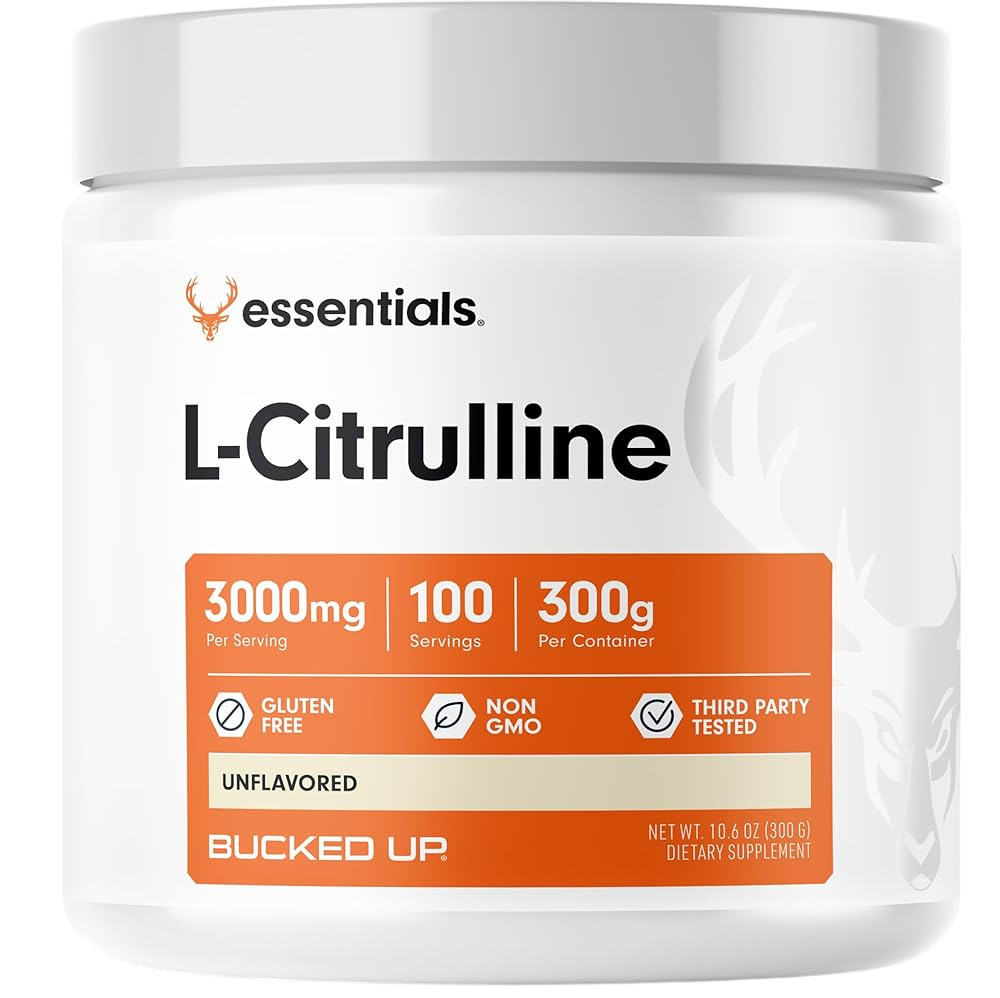
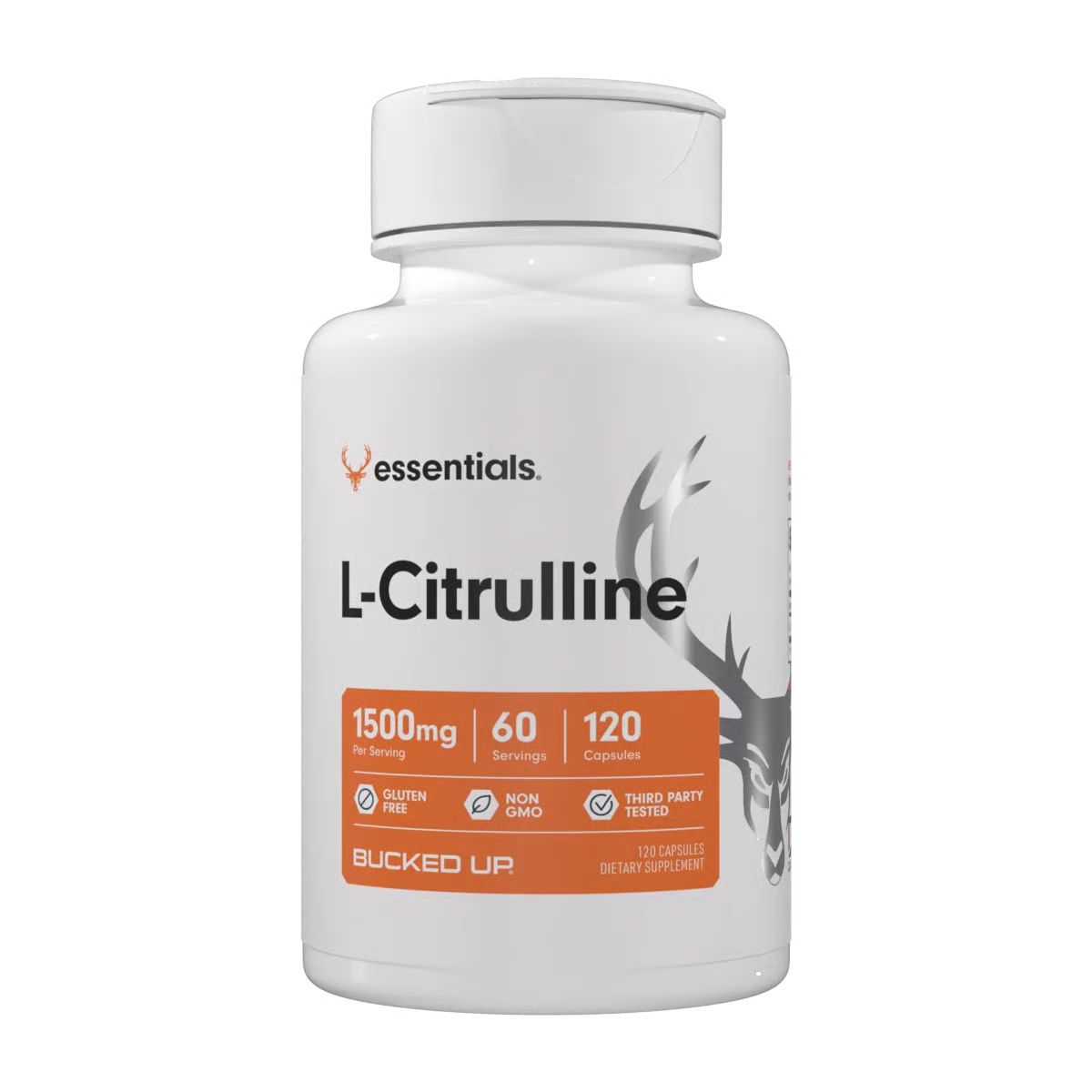
- Consider Bucked Up’s pure L-Citrulline for science-backed support of endurance and performance.1
Executive Summary & Endurance Framework
This guide explains how specific amino acids support endurance through fatigue reduction, better energy metabolism, and faster recovery.1 It walks through amino acid basics, key performance mechanisms, recommended options for endurance athletes, dosing ranges, and practical implementation. L-Citrulline is converted primarily in the kidneys to L-arginine, which serves as the direct substrate for nitric oxide synthase to produce nitric oxide, and research suggests it can outperform direct arginine supplementation. Core amino acids for endurance include L-Citrulline for nitric oxide support, BCAAs for central fatigue delay, and glutamine for immune support during long training blocks.1
Bucked Up focuses on research-based dosing of ingredients like Citrulline Malate and pure L-Citrulline. Explore Bucked Up’s pure L-Citrulline for science-backed endurance support.1
Endurance Supplement Landscape and Transparency Trends
The US supplement market continues to move toward transparent, evidence-based formulations and away from proprietary blends that hide ingredient amounts. A state-of-the-art review in the American Journal of Lifestyle Medicine found the strongest evidence for improved athletic performance from caffeine, creatine, protein, and essential amino acid supplements. Modern endurance athletes increasingly expect full label disclosure and effective dosing, especially for nitric oxide supporters like L-Citrulline in pre-workout products. This shift toward transparency helps athletes choose supplements that deliver consistent, predictable performance support instead of uncertain, underdosed blends.
How Amino Acids Support Endurance Performance
Amino acids act as protein building blocks and also influence energy metabolism, neurotransmitter production, and cell signaling. For endurance athletes, certain amino acids target specific performance limiters such as oxygen delivery, central fatigue, and immune stress.
Branched-chain amino acids (BCAAs: leucine, isoleucine, valine) bypass the liver and are metabolized directly in muscle tissue, which makes them especially relevant during long endurance efforts. Supplementation with BCAAs during endurance exercise prevents the decrease in plasma BCAA concentration, and this has been associated with reduced perceived exertion and mental fatigue during exercise.1
L-Citrulline offers notable support for endurance through its metabolic pathway.1 Gram-for-gram, L-Citrulline more reliably elevates plasma arginine and NO production than L-Arginine due to better bioavailability, bypassing first-pass metabolism in the gut and liver.1 Oral L-Citrulline supplementation enhances cycling time trial performance in healthy trained men, and a systematic review and meta-analysis concluded that citrulline malate has acute effects on repetition performance during strength training.1
L-Citrulline also plays a central role in the urea cycle, where it helps detoxify ammonia, a metabolic byproduct that accumulates during intense exercise. This process can reduce lactic acid buildup, delay muscular exhaustion, and support mitochondrial efficiency for ATP production.1 During prolonged exercise exceeding 90 minutes, plasma glutamine levels drop significantly in endurance athletes, potentially impairing immune function and recovery, making glutamine a conditional essential amino acid.
These mechanisms help explain why certain amino acids align better with specific endurance needs, which sets up the practical recommendations in the next section.
| Amino Acid | Primary Mechanism | Endurance Benefit | Key Research |
|---|---|---|---|
| L-Citrulline | Kidney conversion to arginine for NO production | Enhanced cycling time trial performance | Suzuki et al. 2016 double-blind RCT |
| BCAAs | Direct muscle metabolism, tryptophan competition | Reduced perceived exertion and mental fatigue | Blomstrand et al. 2006 Journal of Nutrition |
| Glutamine | Immune function support during stress | Maintained recovery capacity | Conditional essentiality research |
| Citrulline Malate | NO production plus Krebs cycle support | Acute effects on repetition performance | Vårvik et al. 2021 meta-analysis |
Amino Acid Picks for Different Endurance Athletes
Endurance athletes with different goals and experience levels often respond best to tailored amino acid strategies. Beginner runners usually benefit from a combination of BCAAs and L-Citrulline, which supports both central fatigue resistance and oxygen delivery. Kelly Jones, RD, board-certified sports dietitian and founder of Kelly Jones Nutrition, recommends amino acid supplements specifically for individuals engaging in endurance activities lasting two hours or longer.
Cyclists often respond well to Citrulline Malate stacks that pair nitric oxide support with Krebs cycle assistance for sustained power. BCAAs facilitate muscle repair and recovery from damage and soreness most effectively when consumed with protein and carbohydrates to enable complete muscle protein synthesis and provide energy for the repair process. Elite endurance athletes may gravitate toward pure L-Citrulline combined with absorption enhancers when they want to prioritize bioavailability.
Non-stimulant formulas work well for evening training or for athletes who prefer to avoid caffeine while still gaining amino acid benefits. Amino acid powders are suitable before or during long, intense endurance workouts like bike race training, and they can provide targeted energy support with a lower risk of GI distress than some protein powders.
Bucked Up focuses on research-based dosing of Citrulline Malate and pure L-Citrulline. Discover which L-Citrulline formulation matches your training demands.
Forms, Dosing Strategies & Stacking for Endurance
Effective amino acid use depends on choosing the right form, dose, and timing for your training. Doses of L-Citrulline often range from 3 to 10 grams per serving and are generally well-tolerated, with GI side effects like nausea or bloating more likely at very high single doses of 10g or more, compared with L-Arginine.1 Pure L-Citrulline powder or capsules usually fall in the 3–6g range, while Citrulline Malate 2:1 often requires 6–8g to match that L-Citrulline content.
Timing plays a major role in results. Effects of L-Citrulline supplementation on blood flow and circulation are modest and typically require consistent daily use over several days to weeks for noticeable benefits.1 Taking L-Citrulline about 60 minutes before training allows time for absorption and conversion.
BCAA supplementation at doses of 7–20g during ultra-endurance events over 2 hours can help reduce catabolism and provide energy.1 Stacking with absorption enhancers like Astragin can support bioavailability and may allow effective results at standard doses.
The table below summarizes practical dosing protocols so you can match your amino acid plan to your primary performance goal.
| Performance Goal | Optimal Dose | Preferred Form | Timing Protocol |
|---|---|---|---|
| Endurance Enhancement | 6–8g | Citrulline Malate 2:1 | 60 minutes pre-exercise |
| Central Fatigue Delay | 7–20g | BCAA powder | During prolonged exercise (>2 hours) |
| Recovery Support | 3–6g | Pure L-Citrulline | Post-exercise or divided doses |
| Maximum Bioavailability | 4g + enhancers | Pure L-Citrulline + Nitrosigine | 60 minutes pre-exercise |
Bucked Up focuses on research-based dosing of Citrulline Malate and pure L-Citrulline. Find the right L-Citrulline dose for your performance goals.
Practical Implementation for Training and Racing
Putting amino acid strategies into practice starts with careful label review, dose confirmation, and consistent performance tracking. Athletes can prioritize products that provide 6g or more of Citrulline Malate 2:1 or an equivalent amount of pure L-Citrulline to align with research-backed ranges. From there, ingredients such as Astragin can support absorption and help those standard doses work more effectively.
Begin with conservative doses to gauge individual tolerance, especially with L-Citrulline, which may cause mild GI discomfort for some users. Athletes often target total daily protein intakes of 1.2–2.0 g/kg/day, with higher intakes up to 2.0 g/kg/day or more sometimes recommended during periods of energy restriction or heavy training, and amino acids should complement that broader nutrition plan.
Track metrics such as time to fatigue, perceived exertion, and recovery quality to judge whether your amino acid approach is working. Sports nutrition professionals can help refine protocols, especially when stacking multiple amino acids or combining them with existing supplements.
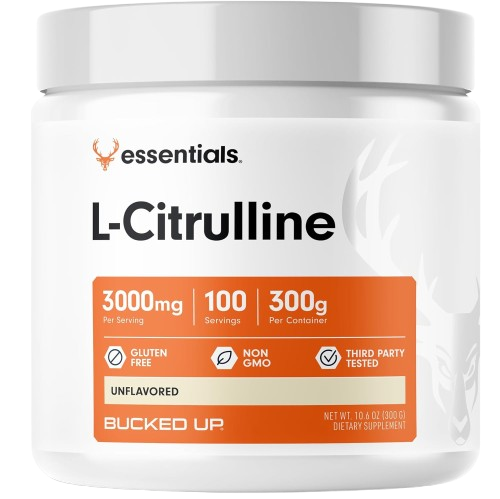
Bucked Up focuses on research-based dosing of Citrulline Malate and pure L-Citrulline. Get started with research-backed L-Citrulline supplementation.
Common Mistakes and Misconceptions with Amino Acids
Underdosing remains one of the most frequent mistakes, since many products include too little of each amino acid to meaningfully affect endurance. As discussed in the mechanisms section, L-Citrulline’s superior absorption makes it the preferred choice over direct L-Arginine supplementation for endurance athletes. Direct L-Arginine often falls short because of poor absorption and extensive first-pass metabolism.
Gastrointestinal discomfort can appear with very large single doses, especially above 10g of L-Citrulline. Higher quality products often include absorption enhancers to support effectiveness while helping limit digestive issues. Athletes can also avoid products that rely on proprietary blends, since those formulas hide exact amino acid amounts and prevent accurate dose assessment.
Safety, Regulation & Product Quality
Amino acid supplements generally show strong safety profiles when used at recommended doses. At the dosing ranges discussed earlier, L-Citrulline demonstrates excellent safety with minimal side effects. Mild GI symptoms such as nausea or bloating may occur at the higher end of the range for some users.
Individuals with low blood pressure should use L-Citrulline carefully because of its vasodilatory effects.1 Athletes who take blood pressure medications should speak with a healthcare professional before starting supplementation. Products manufactured in US GMP-certified facilities help support consistent quality and purity for amino acid supplements.
FAQ: Amino Acids and Endurance Performance
Do amino acids improve athletic endurance performance?
Specific amino acids can improve endurance performance through several mechanisms. L-Citrulline supports oxygen delivery and helps reduce fatigue through nitric oxide production and ammonia detoxification. BCAAs delay central fatigue by competing with tryptophan for brain uptake and by supplying muscle fuel. Research reports measurable improvements in time to exhaustion, power output, and perceived exertion.1
Which amino acids work well for endurance athletes?
L-Citrulline can stand out for endurance athletes because of its bioavailability and multiple performance pathways.1 Citrulline Malate combines nitric oxide support with Krebs cycle assistance for sustained energy production. BCAAs often help during ultra-endurance events lasting more than 3 hours. Glutamine supports immune function during periods of heavy training.
How much L-Citrulline should endurance athletes take?
Many endurance athletes use 3–6g of pure L-Citrulline or 6–8g of Citrulline Malate 2:1. Taking these doses about 60 minutes before exercise supports absorption and conversion. Consistent daily use over several days or weeks can create cumulative benefits. Higher doses up to 10g are usually well-tolerated but may cause mild GI effects for some people.
Can amino acids reduce exercise fatigue?
Amino acids can reduce both central and peripheral fatigue through different mechanisms. L-Citrulline helps limit ammonia buildup and supports oxygen delivery to working muscles. BCAAs delay central fatigue by influencing tryptophan uptake in the brain.1
Are there side effects from amino acid supplementation?
Amino acid supplementation typically shows good safety with minimal side effects at standard doses. L-Citrulline may cause mild nausea or bloating at very high doses above 10g. BCAAs are usually well-tolerated, with occasional reports of fatigue in sensitive individuals. Athletes with low blood pressure should remain cautious with L-Citrulline because of its impact on blood vessel dilation.1
Conclusion & Next Steps for Endurance Athletes
Amino acids can support endurance performance through nitric oxide enhancement, central fatigue delay, and energy metabolism support. L-Citrulline can stand out for endurance athletes because of its kidney conversion pathway and multiple performance benefits. Effective dosing, thoughtful timing, and careful product selection help athletes get the most from amino acid strategies in both training and competition.
Bucked Up focuses on research-based dosing of Citrulline Malate and pure L-Citrulline. Unlock your peak performance with Bucked Up’s L-Citrulline.
1 The content provided in this article is for informational purposes only and is not medical advice. Consult with a medical professional before implementing any changes to your diet, health, or exercise routines.
Individual results will vary and are based on a combination of each individual’s diet, exercise, age, and health circumstances.
These statements have not been evaluated by the Food and Drug Administration. This product is not intended to diagnose, treat, cure or prevent any disease.
This article was written by Ryan Gardner, CEO of Bucked Up. As the maker of Bucked Up Protein Soda, we have a financial interest in this information. The views expressed are our own and should be read with that context in mind.