Last updated: April 22, 2026
Key Takeaways: L-Arginine vs L-Citrulline
- L-Citrulline outperforms L-Arginine for nitric oxide support because it has higher bioavailability and bypasses liver metabolism, which supports sustained plasma arginine elevations.1
- Citrulline supports performance with more reps to failure, less muscle soreness, and improved endurance through enhanced ammonia clearance.1
- Head-to-head metrics favor citrulline in absorption, nitric oxide production, side effect profile, and training outcomes compared to arginine.1
- Typical effective dosing ranges from 3-6g pure L-Citrulline or 6-8g Citrulline Malate, taken 30-60 minutes before training.1
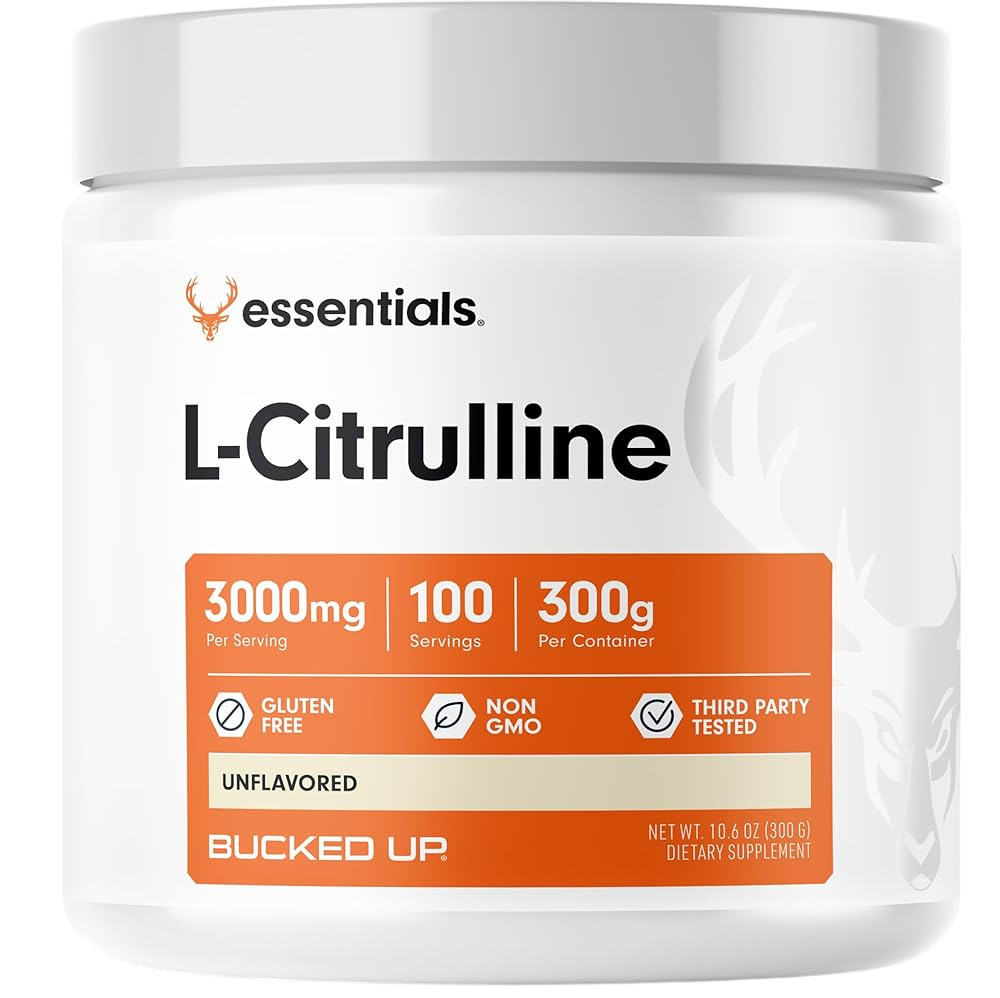
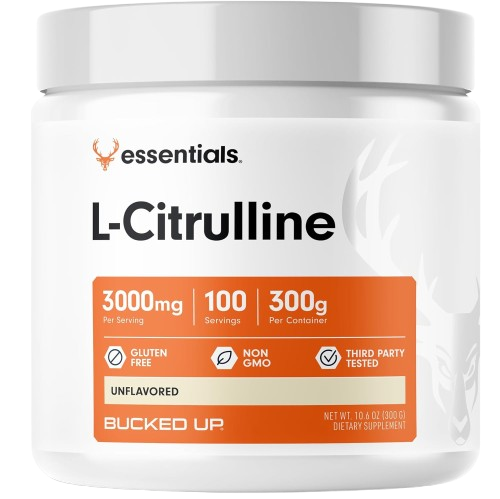
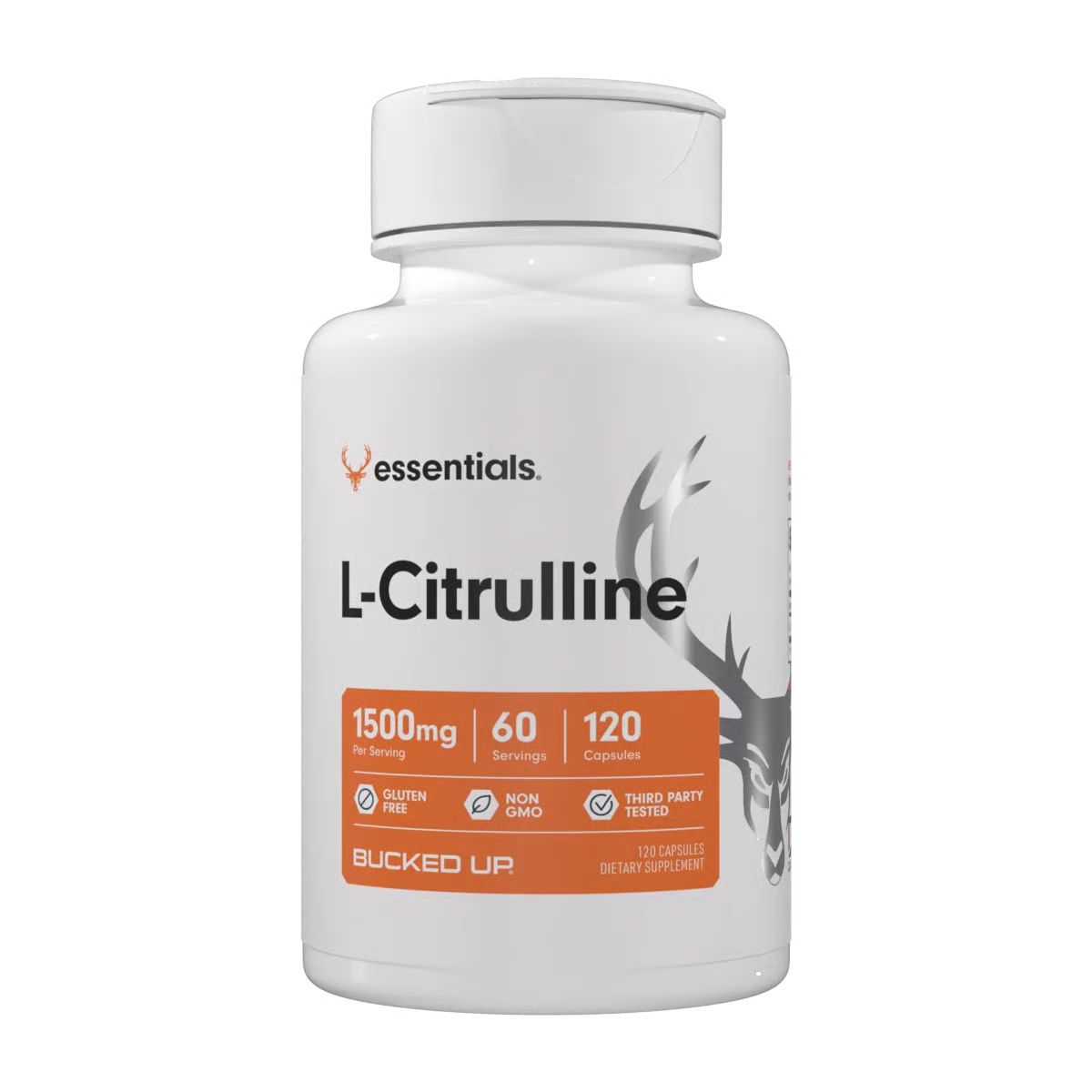
- Experience Bucked Up’s science-backed L-Citrulline in standalone powder or pre-workouts like Mother Bucker to support pumps and performance.1
How L-Arginine and L-Citrulline Work in Your Body
L-Arginine acts as a direct precursor to nitric oxide through nitric oxide synthase enzymes, yet it faces significant absorption challenges. Substantial amounts of oral L-arginine break down in the gastrointestinal tract and undergo metabolism in the liver, which leaves relatively little available for systemic circulation.
L-Citrulline, originally isolated from watermelon, is a non-essential amino acid that plays a key role in the urea cycle and nitric oxide synthesis. Unlike L-arginine, citrulline bypasses hepatic metabolism entirely and reaches high levels of intestinal absorption before kidney-mediated conversion to L-arginine.1 This pathway results in an 86% increase in peripheral arginine flux per unit supplemented (slope=0.86) in mice, whereas direct arginine supplementation does not increase arginine flux.1
Head-to-Head Comparison: Arginine vs Citrulline in Practice
| Metric | L-Arginine | L-Citrulline | Advantage |
|---|---|---|---|
| Absorption | Limited (gut and liver degradation) | High (intestines and kidneys) | Citrulline |
| Nitric Oxide Support | Short spike | Sustained elevation (see flux data above) | Citrulline |
| Side Effects | Frequent nausea and GI distress | Mild GI issues at 10g or higher | Citrulline |
| Performance | Minimal impact on reps and endurance | Superior (see performance data below) | Citrulline |
The mechanism behind citrulline’s advantages centers on its conversion pathway and vascular effects. Studies demonstrate that 6g daily citrulline supplementation can reduce systolic blood pressure by 5-7mmHg, which reflects nitric oxide-mediated vasodilation.1 This vasodilation supports enhanced oxygen and nutrient delivery during training sessions.1
Why L-Citrulline Often Outperforms L-Arginine in the Gym
L-Citrulline’s performance support comes from sustained plasma arginine elevations and improved ammonia detoxification. Research shows 8g citrulline malate can increase repetitions to failure by 53% across multiple sets, while reducing delayed-onset muscle soreness by 40% at 48 hours post-exercise.1
The urea cycle involvement provides benefits that extend beyond nitric oxide production. Because citrulline participates in this cycle, it facilitates ammonia removal, which contributes to exercise-induced fatigue. By supporting both nitric oxide production and metabolic waste clearance, this dual mechanism helps with acute performance and recovery.
Research also indicates broader cardiovascular benefits. Meta-analyses confirm citrulline’s ability to improve endothelial function and arterial stiffness, which supports wellness beyond training sessions.1 To capture these performance and health benefits, proper dosing and timing matter.
Practical Dosing and Timing Guidelines for L-Citrulline
Effective citrulline dosing depends on the form you use and the outcome you want. For pure L-Citrulline, 3-6g daily supports nitric oxide production1, while Citrulline Malate typically requires 6-8g because the malate component accounts for roughly one-third of the total weight.
Timing influences acute performance effects. Taking citrulline 30-60 minutes before exercise aligns peak plasma concentrations with your training window. Most Bucked Up pre-workouts, such as Bucked Up, Woke AF, and Non-Stimulant, contain 6g Citrulline Malate, while Mother Bucker contains 4g pure L-Citrulline, which reaches the threshold commonly used for nitric oxide support.1
Safety considerations include potential interactions with blood pressure medications and PDE5 inhibitors. Individuals with hypotension should use caution, because citrulline’s vasodilatory effects may compound already low blood pressure.1
L-Citrulline in Bucked Up Pre-Workouts
Bucked Up’s citrulline approach focuses on transparent dosing and complementary ingredient combinations. The foundational Bucked Up Pre-Workout provides 6g Citrulline Malate at a 2:1 ratio and includes AstraGin to support absorption.1
For high-stimulant users, Woke AF keeps the same 6g Citrulline Malate dose specifically to help counteract caffeine-related vasoconstriction.1 While the 333mg caffeine content could potentially narrow blood vessels, the substantial citrulline load works in opposition to support vasodilation and nutrient delivery.
Mother Bucker serves as an advanced formula that combines 4g pure L-Citrulline with Nitrosigine and HydroPrime Glycerol. This “Pump Trifecta” targets vasodilation through several pathways and supports intramuscular hydration beyond what standard citrulline alone typically provides.1
Matching Your Citrulline Choice to Your Training Goals
Different training goals pair well with specific citrulline strategies. Pump-focused lifters may gravitate toward Mother Bucker’s multi-pathway vasodilation, while endurance-focused athletes often prefer the sustained energy support associated with Citrulline Malate’s malic acid component. The 2:1 ratio in Bucked Up’s standard pre-workouts supports both immediate pump and lactic acid buffering.1
Stimulant-sensitive individuals can choose the Non-Stimulant Pre-Workout, which still provides 6g Citrulline Malate without caffeine. This option supports nitric oxide production while reducing the risk of sleep disruption from late training sessions.1
Frequently Asked Questions
Which is better for nitric oxide support, L-arginine or L-citrulline?
L-Citrulline generally provides stronger support for nitric oxide production because it offers enhanced bioavailability and more sustained nitric oxide output.1 While L-arginine undergoes significant breakdown in the gut and liver, citrulline bypasses these barriers and converts to arginine in the kidneys. This conversion supports higher plasma arginine levels and more consistent vasodilation. Studies show that citrulline supplementation can produce greater improvements in endothelial function and arterial stiffness than direct arginine supplementation.
Should you take L-arginine and L-citrulline together?
Most people do not need to combine L-arginine and L-citrulline, because citrulline already raises plasma arginine levels effectively on its own. The superior bioavailability of citrulline makes it a practical primary choice for nitric oxide support. Some advanced formulas may include both ingredients for potential complementary effects, yet the added arginine often contributes less than the arginine produced from citrulline conversion.
What are the main downsides of L-arginine supplementation?
L-Arginine’s main drawbacks include poor oral bioavailability, frequent gastrointestinal side effects, and short-lived plasma elevations. Many users report nausea, bloating, and digestive discomfort, especially at higher doses. Extensive first-pass metabolism means a large portion of supplemented arginine never reaches systemic circulation, which makes it a less efficient option for nitric oxide support compared with citrulline.
Why does L-citrulline often work better than L-arginine for pumps?
L-Citrulline often supports muscle pumps more effectively because it helps maintain elevated plasma arginine levels throughout a training session.1 Arginine tends to produce a rapid spike followed by a quick decline, while citrulline provides a steadier supply of substrate for nitric oxide synthase enzymes. This consistent nitric oxide production supports prolonged vasodilation, stronger blood flow, and the muscle fullness many athletes look for during resistance training.
How long does it take to see results from L-citrulline supplementation?
Acute citrulline effects usually appear within 30-60 minutes of ingestion, with peak plasma concentrations around 1-2 hours after consumption. For performance outcomes such as stronger pumps and reduced fatigue, many users notice effects during that same training session. Longer-term benefits for cardiovascular health and exercise capacity can require several weeks of consistent supplementation.
Overall, current evidence favors L-citrulline over L-arginine for nitric oxide support, exercise performance, and sustained nitric oxide production.1 Citrulline’s bioavailability, steady effects, and tolerability make it a practical option for many athletes and fitness enthusiasts. Bucked Up’s focus on clear dosing helps you access these benefits through foundational pre-workouts and specialized pump formulas that feature clinically relevant citrulline amounts.
1 The content provided in this article is for informational purposes only and is not medical advice. Consult with a medical professional before implementing any changes to your diet, health, or exercise routines.
Individual results will vary and are based on a combination of each individual’s diet, exercise, age, and health circumstances.
These statements have not been evaluated by the Food and Drug Administration. This product is not intended to diagnose, treat, cure or prevent any disease.
This article was written by Ryan Gardner, CEO of Bucked Up. As the maker of Bucked Up Protein Soda, we have a financial interest in this information. The views expressed are our own and should be read with that context in mind.