Key Takeaways
- Citrulline beats arginine for pre-workout pumps because it survives digestion and converts to arginine in the kidneys.
- Citrulline raises plasma arginine 200-300% more than arginine and keeps pumps going for 4-6 hours instead of 1-2.
- Studies show citrulline improves endurance by 12%, cuts muscle soreness by 40%, and causes fewer side effects than arginine.
- Most lifters see strong results with 6-8g citrulline malate or 3-6g pure L-citrulline taken 30-60 minutes before training.
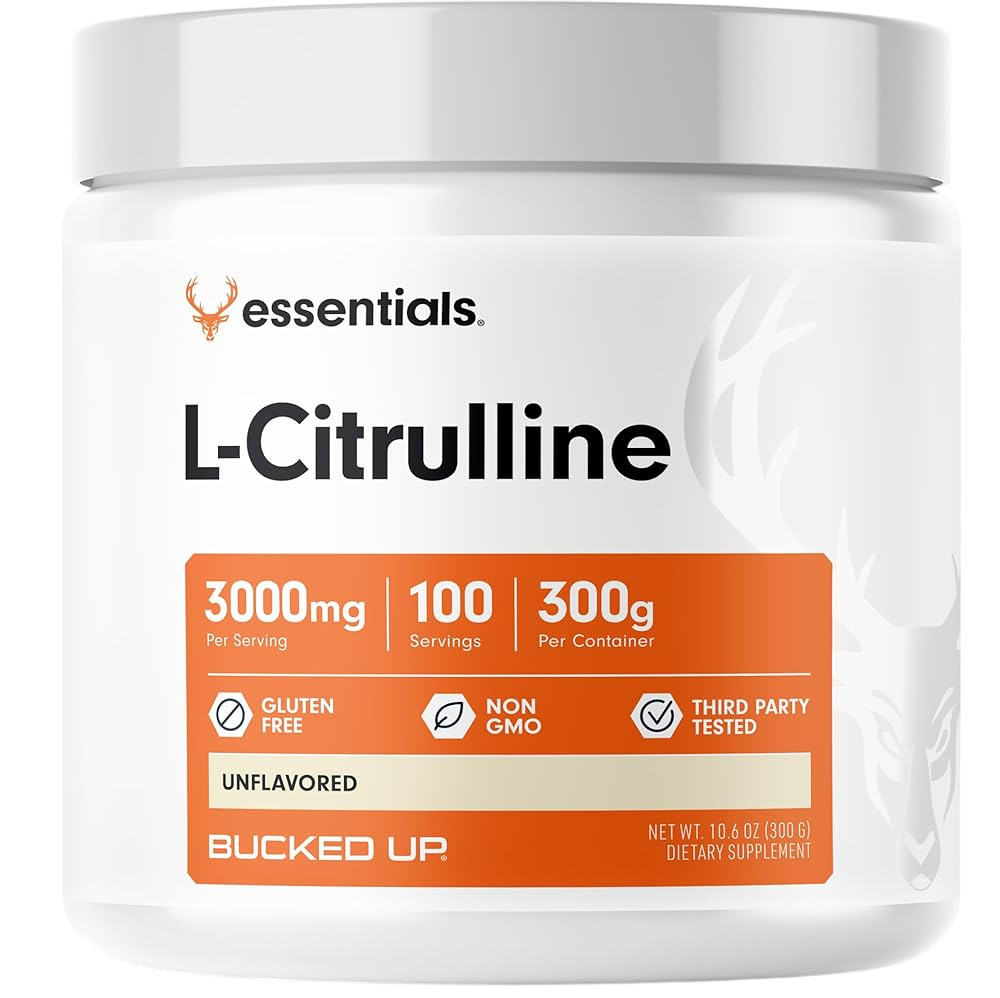
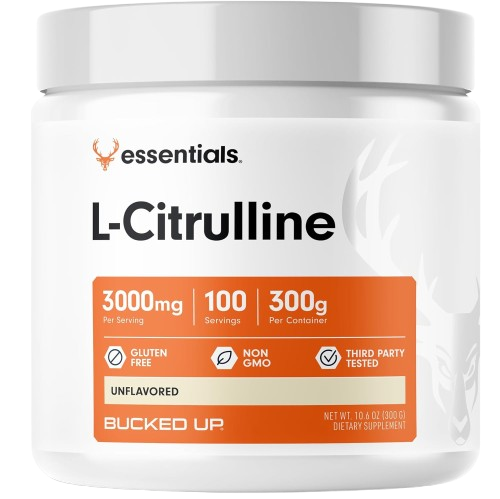
- Experience powerful pumps with Bucked Up’s pure L-Citrulline, formulated with clinical doses and absorption enhancers.
How Arginine and Citrulline Create Muscle Pumps
L-Arginine acts as the direct building block for nitric oxide, the gas that relaxes blood vessels and drives muscle pumps. When nitric oxide synthase enzymes convert arginine to nitric oxide, vessels widen and send more oxygen and nutrients into working muscles. Arginine has a major drawback, though, because gut and liver enzymes break down a large portion before it reaches your bloodstream.
L-Citrulline, first discovered in watermelon, follows a more efficient route. This non-essential amino acid skips first-pass metabolism and travels to the kidneys, where it converts to arginine. This pathway produces 200-300% higher plasma arginine levels than taking arginine itself, which keeps nitric oxide levels elevated for longer and supports extended pumps.
Citrulline also supports the urea cycle, which clears toxic ammonia that builds up during hard training. This combination of better blood flow and reduced ammonia helps delay fatigue and sets the stage for stronger pumps and better performance.
Arginine vs Citrulline: Direct Comparison for Pumps
|
Aspect |
L-Arginine |
L-Citrulline |
Winner |
|
Bioavailability |
Poor (gut/liver breakdown) |
Citrulline |
|
|
Pump Duration |
Citrulline |
||
|
Performance Benefits |
Citrulline |
||
|
Side Effects |
Minimal/none at clinical doses |
Citrulline |
Citrulline clearly wins for pre-workout pumps across bioavailability, pump duration, performance, and side effect profile. Lifters who want consistent, noticeable pumps get more reliable results from citrulline than from arginine.
Research Showing Citrulline Outperforms Arginine
Current research strongly favors citrulline for performance and pump support. Elite taekwondo athletes improved anaerobic performance with citrulline malate, and trained cyclists extended time to exhaustion by 12% and lowered oxygen use when following citrulline protocols.
Recovery data also favors citrulline. Citrulline cut post-workout muscle soreness by 40%, compared to 25% with arginine, which supports faster recovery and more frequent intense sessions.
Meta-analyses show that doses of 6g or more significantly improve endothelial-dependent vasodilation and reduce blood pressure. Citrulline delivers these effects more consistently than arginine, which often shows weaker and less predictable outcomes.
How Much Citrulline to Take and When to Take It
Most people see strong pump benefits with 3-6g of citrulline per day, with performance gains usually higher at the top of that range. For citrulline malate, 6-8g before training works well and provides about 3.4-4.5g of actual citrulline.
A single 3g dose can raise plasma L-arginine by 40-50% within 1-2 hours, so pre-workout timing matters. Lifters chasing maximum nitric oxide levels often use 10g of pure L-citrulline, equal to about 15-16g of citrulline malate, for peak pump support.
Stacking arginine with citrulline rarely adds much benefit. Studies on combined use show no meaningful performance gains beyond citrulline alone, so most lifters get better value from a solid citrulline dose instead of complex stacks.
Why Bucked Up Pre-Workouts Deliver Strong Citrulline Pumps
Bucked Up formulas focus on full, transparent doses of pump ingredients instead of hiding behind proprietary blends. The flagship Bucked Up Pre-Workout includes 6,000mg of Citrulline Malate in a 2:1 ratio, which matches the clinical range used to support nitric oxide production. This dose reflects the amounts tested in research, not a token sprinkle for label appeal.
Woke AF keeps the same 6,000mg citrulline malate dose for lifters who prefer higher stimulants. This approach helps offset the vasoconstrictive effect of caffeine, so the 333mg of caffeine and Dendrobium still move quickly through the body while pumps stay strong.
Mother Bucker targets advanced athletes with 4,000mg of Pure L-Citrulline combined with Nitrosigine and Hydroprime Glycerol. This “Pump Trifecta” supports vasodilation through multiple pathways and promotes intramuscular fluid retention that feels fuller than simple blood flow alone.
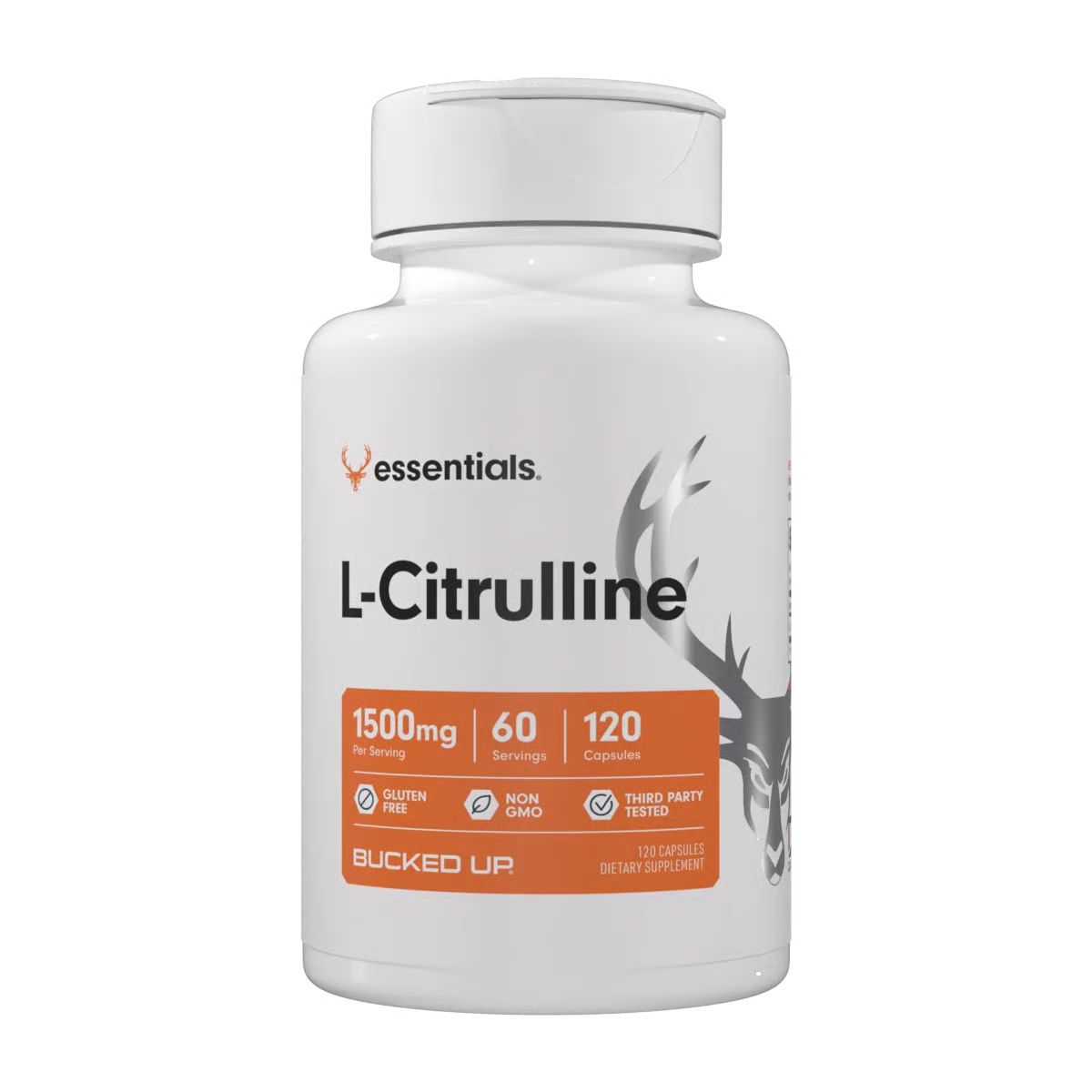
Every Bucked Up pre-workout includes Astragin, which clinical data links to improved citrulline absorption. This support helps your body use more of each gram on the label. All products are made in GMP-certified facilities in the United States for consistent quality.
Customer feedback backs up the science, with reviews like “Crazy pumps vs arginine fails” and “Best pre-workout I’ve ever had” showing how these formulas perform in real training.
Frequently Asked Questions
Is arginine better than citrulline for pre-workout?
Arginine does not outperform citrulline for pre-workout use. Citrulline consistently delivers better results because it absorbs more effectively and lasts longer in the body. Arginine directly feeds nitric oxide production but loses much of its impact to gut and liver breakdown before it reaches circulation. Citrulline avoids this issue by converting to arginine in the kidneys and raises plasma arginine 200-300% more than arginine itself, with effects that last 4-6 hours instead of 1-2.
Does citrulline give you a pump?
Citrulline reliably supports strong muscle pumps by boosting nitric oxide and improving blood flow. After conversion to arginine in the kidneys, it supplies a steady stream of material for nitric oxide production, which relaxes blood vessels and sends more blood into working muscles. This increased circulation improves delivery of oxygen and nutrients and speeds removal of waste products. The result is fuller muscles, better vascularity, and the pump sensation many lifters chase. Clinical research also shows improvements in training volume, endurance, and muscle oxygenation with citrulline use.
What is the difference between citrulline malate and L-arginine?
Citrulline malate pairs L-citrulline with malic acid in a 2:1 ratio to support both pumps and energy production. Citrulline drives nitric oxide more effectively than L-arginine, while malic acid supports the Krebs cycle for ATP production and helps buffer lactic acid. L-arginine still acts as the direct nitric oxide precursor, but its poor oral bioavailability limits its impact. Citrulline malate delivers more stable and longer-lasting effects, which makes it a stronger choice for most pre-workout routines.
Can you stack L-arginine and L-citrulline together?
Stacking L-arginine with L-citrulline is possible, but research shows little extra benefit beyond citrulline alone. Studies on combined protocols do not report meaningful performance gains compared to standalone citrulline. Because citrulline already raises arginine levels effectively through kidney conversion, adding arginine often wastes product and may increase the chance of digestive issues. Most users get better results by focusing on effective citrulline dosing, such as 6-8g citrulline malate or 3-6g pure citrulline.
What are the side effects of citrulline vs arginine?
Citrulline usually causes fewer side effects than arginine. High doses of arginine, often 6-10g, commonly trigger nausea, bloating, cramping, and diarrhea because of poor absorption and gut irritation. Citrulline rarely causes digestive problems at clinical doses, and only very high single servings above 10g occasionally cause mild stomach discomfort.
Both ingredients can cause headaches in some people due to vasodilation, although this appears more often with arginine. Anyone with low blood pressure should use both with care, but citrulline’s smoother and more gradual effect generally makes it the better tolerated option.
Conclusion: Choose Citrulline for Reliable Pumps
Evidence from research and real-world use shows that citrulline outperforms arginine for pre-workout pumps through better absorption, longer action, and fewer side effects. Whether you use the 6g citrulline malate in Bucked Up Pre-Workout, the high-stim Woke AF formula, or the advanced Mother Bucker stack, you get ingredients and doses that match what the science supports.
Under-dosed arginine products often promise big pumps but fall short in the gym. Switching to citrulline-based pre-workouts lets you feel the difference that proper dosing and clear labels can make in your training.