Key Takeaways: L-Citrulline vs L-Arginine
- L-citrulline outperforms L-arginine for nitric oxide support because it bypasses gut and liver breakdown, keeping plasma arginine elevated longer.1
- Citrulline can support stamina with longer endurance times, more resistance training reps, and less muscle soreness through ammonia detoxification.1
- L-arginine often loses 40–50% of its dose to first-pass metabolism and can cause nausea, diarrhea, and cardiovascular concerns, including higher mortality after heart attack.1
- Typical effective pre-workout dosing is 6–8 g citrulline malate or 3–6 g pure L-citrulline taken 30–60 minutes before training.1
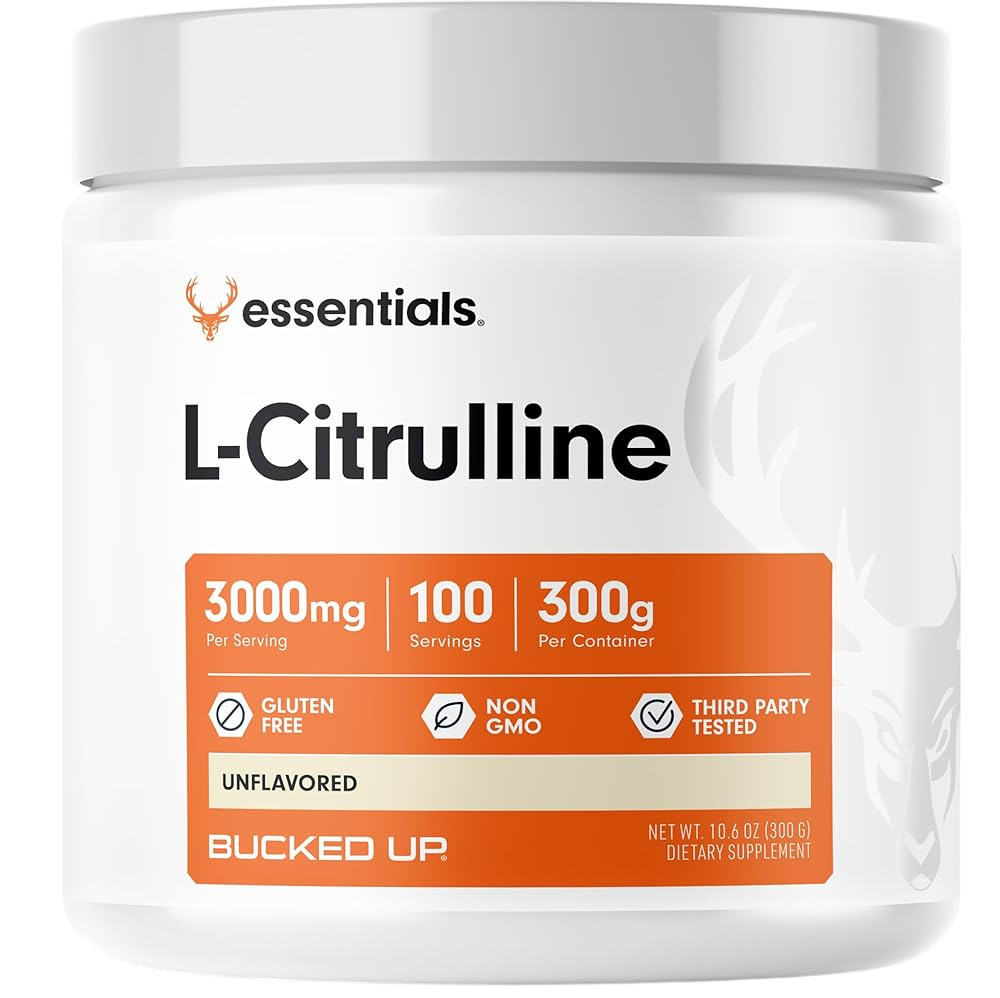
- Choose Bucked Up L-Citrulline for clearly labeled, research-aligned doses in both pre-workouts and standalone powders.
Why L-Citrulline Often Beats L-Arginine for Nitric Oxide
L-citrulline supports nitric oxide production through a more efficient metabolic route than L-arginine.1 Oral L-citrulline (750 mg bid) produced a similar plasma arginine AUC (271 ± 38 µmol h l⁻¹) compared to L-arginine SR (1600 mg bid, 289 ± 50 µmol h l⁻¹). Citrulline converts to arginine in the kidneys, so it avoids gut and liver arginase enzymes that break down direct arginine supplements.
Timing also works in citrulline’s favor. Peak plasma concentrations of L-citrulline typically occur within 0.7 to 2 hours post-ingestion, which creates a predictable window for training. Bailey et al.’s 2015 RCT (n=10) found L-citrulline supplementation reduced blood pressure, improved O₂ uptake kinetics, and enhanced high-intensity exercise performance in humans, while L-arginine did not.1
The bioavailability gap is significant. L-citrulline delivers two times more plasma arginine than an equal dose of L-arginine, so athletes can see more consistent nitric oxide support from the same or lower dose.1 This superior bioavailability sets the stage for the stamina and endurance benefits covered in the next section. Shop research-backed L-citrulline options at effective doses.
How L-Citrulline Supports Stamina and Endurance
Evidence links citrulline intake with better stamina and endurance performance.1 In a 2017 randomized trial, 6 grams of L-citrulline malate taken 60 minutes before cycling significantly improved time-to-exhaustion and reduced post-exercise muscle soreness compared to placebo.1 Citrulline helps reduce ammonia and lactate buildup, which are key contributors to fatigue.
Resistance training can benefit as well. In a randomized controlled trial, citrulline malate taken before lower-body resistance exercise increased repetitions and reduced muscle soreness at 24–48 hours post-exercise compared to placebo.1 This effect occurs because citrulline supports ammonia clearance through the urea cycle, which can reduce central fatigue.
A 2020 meta-analysis of 53 studies found that L-citrulline supplementation significantly improved both aerobic and anaerobic exercise performance, with larger effect sizes in trained athletes than in sedentary individuals.1 These findings suggest citrulline can support a wide range of training styles and fitness levels.
Flat workouts can sometimes reflect poor blood flow rather than low stimulant intake. Citrulline supports nutrient and oxygen delivery to working muscles, which can help restore performance.1 The Bucked Up Pre-Workout contains 6,000 mg of citrulline malate (2:1 ratio), aligning with research-backed dosing for pumps and endurance.1 Find pre-workouts with clinical citrulline doses here.
Stacking L-Arginine and L-Citrulline: When It Makes Sense
Some data suggests that combining L-arginine and L-citrulline can further raise arginine levels, although citrulline alone often works well for many athletes. Combining 3 grams of L-arginine with 3 grams of L-citrulline synergistically elevates plasma arginine levels more effectively than either precursor alone for nitric oxide production.1 This strategy can also bring arginine’s digestive side effects without always delivering proportional performance gains.
Advanced formulas such as Bucked Up’s Mother Bucker use a different strategy. They combine 4,000 mg of pure L-citrulline with Nitrosigine® and Hydroprime® Glycerol to support pumps through three separate biological pathways.1 Astragin® is included to support citrulline absorption, which helps maintain high bioavailability without relying on direct arginine.1
Most users can focus on hitting effective citrulline doses rather than splitting intake between arginine and citrulline. Kidney conversion of citrulline to arginine supports sustained arginine levels while avoiding the heavy first-pass metabolism that affects direct arginine supplementation.
Drawbacks and Risks of L-Arginine
L-arginine comes with several drawbacks that can limit its usefulness. Oral L-arginine might cause nausea, abdominal pain, diarrhea, and bloating1, especially at higher performance-focused doses. These digestive issues tend to be more pronounced at higher doses or in people with sensitive digestive systems.
Cardiovascular concerns are more serious, particularly for people with existing heart issues. A major clinical trial of L-arginine supplementation after a heart attack was stopped early due to a higher death rate in the L-arginine group. As a result, L-arginine is not recommended for people who have had a recent heart attack due to an increased risk of death and can worsen allergies or asthma.
Drug interactions add another layer of risk. L-arginine interacts with nitrates, potentially causing low blood pressure, and with potassium-sparing diuretics such as amiloride, spironolactone, or triamterene, increasing the risk of hyperkalemia. Using L-arginine with sildenafil might also cause blood pressure to drop too low.
In comparison, L-citrulline supplementation is well-tolerated in healthy adults at oral doses up to 15 grams daily with no reported adverse events or gastrointestinal side effects, unlike L-arginine.1 This safety profile can make citrulline a practical option for longer-term use.
Dialing In Your L-Citrulline Dose and Timing
Effective citrulline intake depends on the form you use and your training goals. Effective gym doses of L-citrulline are 6–8 g/day of pure L-citrulline or approximately 8 g/day of citrulline malate (2:1 ratio) taken before training to improve nitric oxide production, blood flow, muscle pump, and endurance.1 Clinical literature and recommendations support 6–8 grams of citrulline malate taken approximately 30–60 minutes before training to enhance exercise performance via sustained nitric oxide production.1
| Goal | Pure L-Citrulline | Citrulline Malate | Timing |
|---|---|---|---|
| Resistance Training | 3–5 g | 6–8 g | 30–60 min pre-workout |
| Endurance Performance | 3–6 g | 6–8 g | 45–60 min pre-exercise |
| Daily Wellness | 3–6 g | 6–8 g | Divided doses |
Newer studies continue to explore these ranges. In a randomized, double-blind, placebo-controlled crossover trial by Koozehchian et al. published in the Journal of Exercise and Nutrition (2026), acute supplementation with 8 g citrulline malate ingested 60 minutes before exercise was tested in trained female kayakers, highlighting ongoing interest in citrulline protocols.
In citrulline malate supplements, typically blended in a 2:1 L-citrulline to malic acid ratio, only about two-thirds of the listed weight is actual L-citrulline; for example, a 6-gram dose of citrulline malate delivers roughly 4 grams of L-citrulline. This ratio matters when you compare labels and calculate your real daily intake.
L-Arginine vs L-Citrulline for Blood Pressure and ED
Both amino acids have been studied for cardiovascular support, although citrulline often shows a more consistent safety profile. Meta-analyses of randomized trials have found that oral L-arginine supplementation at doses of 3 to 6 grams daily can reduce systolic and diastolic blood pressure.1 These benefits need to be weighed against the digestive and cardiovascular risks already discussed.
L-citrulline supplementation improved exercise blood flow in older men (lowering diastolic blood pressure by approximately 4 mmHg from 75 to 71 mmHg) but not in women, according to a 2017 study. This suggests a possible sex-specific response that still needs more research.
For erectile dysfunction support, typical safe oral doses of L-arginine in ED studies range from 2.8 to 8 grams per day, usually split into two or three servings. L-citrulline is better absorbed than L-arginine, raises arginine levels more effectively, and has longer-lasting effects for blood flow and nitric oxide production1, which can make it an appealing alternative for some users.
Safety, Precautions, and Interactions
Citrulline generally shows a favorable safety profile compared to arginine. L-citrulline is generally safe and well-tolerated for healthy adults at doses of 3–6 grams daily, and has been used safely in adults at doses of 1.5 to 15 grams per day, with up to 9 grams per day tolerated for 9 months in clinical trials.
Certain groups still need to be cautious. People with naturally low blood pressure should monitor how they feel, because citrulline’s vasodilatory effects can worsen hypotension. Those with severe chronic kidney disease should avoid high doses, since reduced kidney function can change citrulline handling. The blood pressure interaction concerns described earlier for arginine can apply to citrulline as well, although usually to a lesser degree.
Both amino acids can amplify the effects of antihypertensive medications, nitrate drugs, and phosphodiesterase-5 inhibitors, so medical guidance is recommended. Citrulline’s milder side effect profile and strong bioavailability can make it a practical choice for many people who want nitric oxide support.
FAQ
Which is better for nitric oxide production, L-citrulline or L-arginine?
L-citrulline often stands out for nitric oxide support because it bypasses first-pass metabolism in the gut and liver and converts to arginine in the kidneys. As discussed earlier, citrulline’s superior bioavailability supports more consistent and prolonged nitric oxide production than direct arginine in many cases.
What dosage should I take for stamina improvement?
For stamina and endurance, many studies use 6–8 grams of citrulline malate or 3–5 grams of pure L-citrulline taken 30–60 minutes before exercise. The common 2:1 citrulline malate ratio also supplies malic acid, which supports energy metabolism.
Are there side effects with high-dose arginine or citrulline?
L-arginine often causes digestive issues such as nausea, bloating, diarrhea, and abdominal pain, especially above about 10 grams per day, and it carries cardiovascular and drug interaction concerns. L-citrulline has been well-tolerated up to 15 grams daily in research with minimal reported side effects.
Can I stack arginine and citrulline together?
Some research suggests a synergistic effect when they are combined, although citrulline alone can deliver strong results without arginine’s side effects. Many advanced formulas pair citrulline with other nitric oxide enhancers such as Nitrosigine® instead of arginine to balance benefits, absorption, and tolerability.
Which Bucked Up products contain effective citrulline doses?
Bucked Up Pre-Workout and Woke AF each provide 6,000 mg of citrulline malate (2:1 ratio), which aligns with research-backed performance dosing.1 Mother Bucker features 4,000 mg of pure L-citrulline with Nitrosigine® and Hydroprime® Glycerol for advanced pump and performance support, plus Astragin® to support absorption.
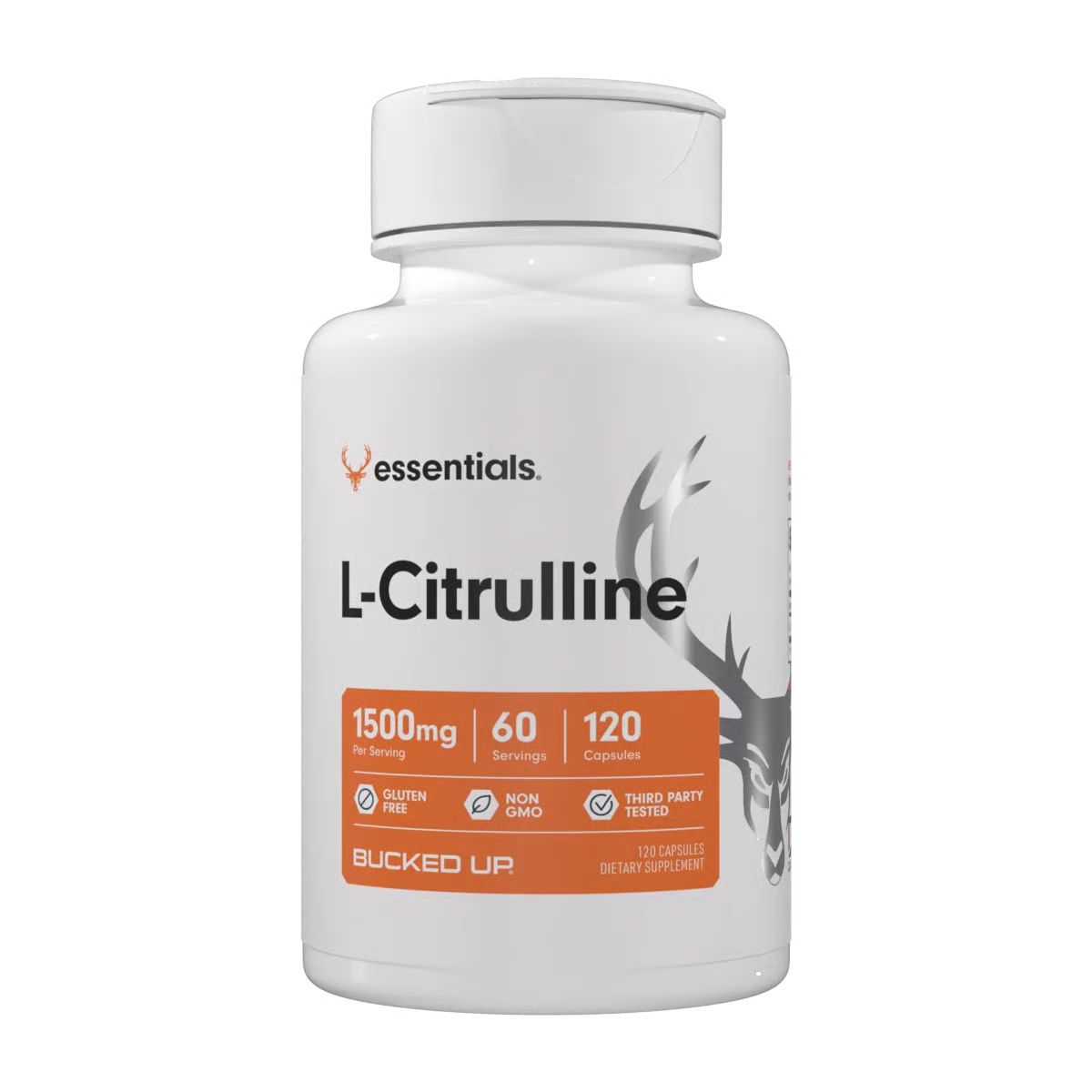
L-citrulline can stand out over L-arginine for stamina and nitric oxide enhancement.1 Its bioavailability, sustained plasma elevation, and safety profile make it a strong option for many athletes and fitness enthusiasts. Bucked Up focuses on transparent labeling and effective dosing so users can match their intake to the research. Start with our pure L-citrulline or citrulline malate options.
1 The content provided in this article is for informational purposes only and is not medical advice. Consult with a medical professional before implementing any changes to your diet, health, or exercise routines.
Individual results will vary and are based on a combination of each individual’s diet, exercise, age, and health circumstances.
These statements have not been evaluated by the Food and Drug Administration. This product is not intended to diagnose, treat, cure or prevent any disease.
This article was written by Ryan Gardner, CEO of Bucked Up. As the maker of Bucked Up Protein Soda, we have a financial interest in this information. The views expressed are our own and should be read with that context in mind.