Last updated: April 22, 2026
Key Takeaways
- L-citrulline absorbs at nearly 100% compared to less than 30% for L-arginine, so far less gets lost in the gut and liver.1
- Citrulline raises and maintains plasma arginine levels at roughly 2 to 3 times higher than direct arginine for nitric oxide support.1
- Research shows 8 g citrulline malate can increase reps by 53% and improve cycling performance by about 12% in studied settings.1
- Benefits include stronger muscle pumps, better endurance, blood pressure support, and improved erectile function in specific populations.1
- Choose Bucked Up’s pure L-citrulline for clearly labeled, research-aligned dosing that supports your training and recovery.1
How L-Arginine and L-Citrulline Compare on Core Performance Metrics
The table below highlights how L-arginine and L-citrulline differ in absorption, arginine levels, and tolerability, which directly affects nitric oxide support and performance.
| Aspect | L-Arginine | L-Citrulline |
|---|---|---|
| Absorption Rate | Less than 30% | Nearly 100% |
| Plasma Arginine Boost | Short-lived spike | 2-3x higher sustained levels |
| Peak Effect Time | Rapid but brief | Sustained elevation |
| Side Effects | GI distress common | Generally well-tolerated |
Citrulline’s main edge comes from its absorption and its ability to keep arginine levels elevated over time.1 This absorption profile helps explain the performance and pump differences many users notice.1
Why Citrulline’s Mechanism Often Beats Arginine for Nitric Oxide
L-arginine loses much of its impact because of extensive first-pass metabolism by arginase enzymes in the gut and liver. In adults, the small intestine alone can break down about 40% of orally administered L-arginine. L-citrulline avoids this breakdown and converts to arginine mainly in the kidneys, which supports a steadier and more effective rise in arginine levels.
The physiological benefits of enhanced nitric oxide production include:
- Vasodilation through endothelial nitric oxide synthase (eNOS) activation, which supports blood flow and muscle pumps
- Fatigue reduction through ammonia detoxification in the urea cycle during hard training
- Enhanced ATP production when citrulline is paired with malic acid in citrulline malate1
The performance improvements mentioned earlier connect directly to these mechanisms. The 53% increase in repetitions with 8 g citrulline malate reflects better blood flow and reduced fatigue during sets.1 The roughly 12% improvement in cycling performance aligns with more efficient oxygen delivery and energy production during sustained efforts.1
Where Citrulline Shines: Pumps, Endurance, Blood Pressure, and More
L-citrulline shows usefulness across several training and health goals, all tied back to its impact on blood flow and fatigue.
Bodybuilding and Muscle Pumps: Citrulline can increase vascularity and muscle fullness through sustained nitric oxide elevation.1 Many lifters notice a more pronounced “pump” effect, which can make muscles feel fuller and more responsive during training.1
Endurance Performance: The ammonia detoxification properties of citrulline help buffer fatigue during longer workouts or cardio sessions.1 This same support for blood flow and waste removal can help you maintain pace and power deeper into a session.1
Blood Pressure Support: Daily doses of 6 g or higher have shown significant diastolic blood pressure reductions in individuals with elevated blood pressure.1 This effect connects to citrulline’s role in supporting vascular function and nitric oxide.
Erectile Function: Daily doses of 1.5–3 g L-citrulline improved erectile function in men with mild erectile dysfunction by supporting blood flow and penile hemodynamics.1
These applications highlight citrulline’s bioavailability advantage and its steady support for vascular health. Some people stack citrulline with arginine, but citrulline often works well as the primary nitric oxide ingredient in a supplement routine.
Practical Dosing, Forms, and Timing for Citrulline
Dosing works best when matched to your goals and the specific form of citrulline you use.
Pure L-Citrulline: Daily doses of 3–6 g support general vascular and health benefits.1 Some athletes use up to 10 g per day for more intense performance goals, as tolerated.
Citrulline Malate: A common performance dose is 6–8 g taken 30–60 minutes before exercise.1 With a 2:1 citrulline to malate ratio, this provides about 3.4–4.5 g of actual L-citrulline along with malic acid to support energy production.
Bucked Up formulations follow these dosing ranges with clear, transparent labels. Standard Bucked Up and Woke AF pre-workouts each contain 6 g of citrulline malate. Mother Bucker features 4 g of pure L-citrulline combined with Nitrosigine and AstraGin to support absorption and pump-focused performance.1
Explore Bucked Up’s range of citrulline products to match your preferred dose, stimulant level, and training style.
Bucked Up Citrulline Products and Who They Fit Best
Bucked Up uses transparent dosing and research-informed ingredient combinations across its citrulline lineup. Each formula targets a slightly different training preference or stimulant tolerance.
The product line includes:
- Bucked Up Pre-Workout: 6 g citrulline malate with 200 mg caffeine for balanced energy, focus, and pump
- Woke AF: 6 g citrulline malate with 333 mg caffeine for users who prefer a higher stimulant pre-workout
- Mother Bucker: 4 g pure L-citrulline plus Nitrosigine and HydroPrime glycerol for an advanced pump and performance matrix
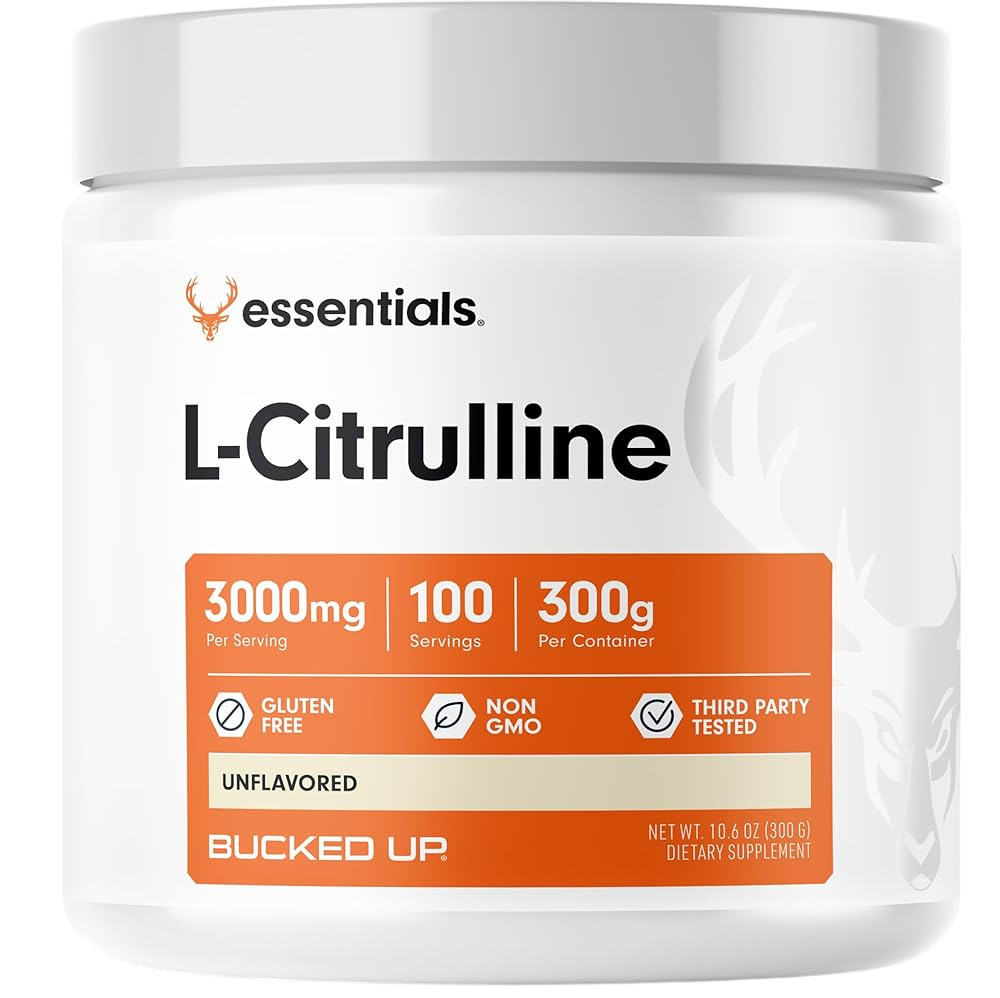
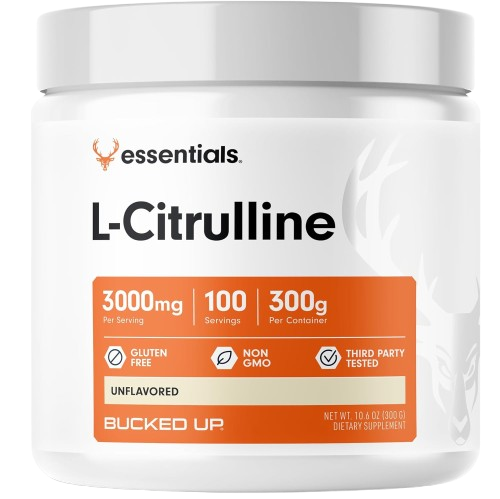
- Pure L-Citrulline Powder: 300 g unflavored powder for flexible, customizable dosing
AstraGin appears in all Bucked Up pre-workout formulas to support citrulline absorption and overall ingredient uptake.1 This focus on bioavailability helps more of each listed dose reach your system, which can make the label claims feel more noticeable in the gym.
Safety, Side Effects, and When to Be Cautious
L-citrulline shows a strong safety profile in research and is generally well tolerated. Some people may experience mild gastrointestinal discomfort at very high single doses above 10 g, especially if taken all at once.1
People with low blood pressure or those using antihypertensive medications should use citrulline carefully because of its vasodilatory effects.1 Anyone taking PDE5 inhibitors should talk with a healthcare provider before adding citrulline, since both can influence blood flow.
L-arginine tends to cause more gastrointestinal issues such as cramping and diarrhea at effective doses.1 This difference in tolerability is one reason many athletes and lifters gravitate toward citrulline for nitric oxide support.
Shop Bucked Up’s citrulline products formulated with both safety and performance support in mind.
Frequently Asked Questions
Which supplement works better for nitric oxide production?
L-citrulline often outperforms L-arginine for nitric oxide support in research settings.1 Citrulline bypasses first-pass liver metabolism and converts to arginine in the kidneys, achieving the sustained elevation mentioned earlier. This metabolic advantage helps explain why citrulline tends to support more consistent nitric oxide production, which can translate into stronger pumps, better endurance, and overall vascular support.1
Can I take L-arginine and L-citrulline together?
Using both supplements together is generally considered safe and can provide complementary effects. Many people still center their stack on L-citrulline because of its higher bioavailability and steadier arginine support. A common combination includes about 3 g L-citrulline with 1–2 g L-arginine. In this setup, citrulline maintains arginine levels over time, while direct arginine can add a shorter-term boost.
What is the most practical form of citrulline for performance?
Citrulline malate in a 2:1 ratio works well for many performance-focused athletes because malic acid supports energy production through the Krebs cycle. This form offers both nitric oxide support and help with fatigue during intense training. Pure L-citrulline suits daily use for vascular health, blood pressure support, or erectile function, since it delivers more active citrulline per gram without added components.
How much citrulline should I take daily?
Your ideal dose depends on your goals and how your body responds. Many people use 3–6 g daily of pure L-citrulline for general circulation and wellness support. For performance, 6–8 g of citrulline malate taken 30–60 minutes before training is common. Remember that citrulline malate contains about 65% actual L-citrulline because of the malic acid portion. Starting at the lower end lets you gauge tolerance, and some users go up to 10 g total per day if digestion remains comfortable.
Why do some people still recommend arginine over citrulline?
Older research and long-standing marketing habits keep arginine in many nitric oxide products. Early nitric oxide studies focused on arginine as the direct precursor, before later pharmacokinetic work highlighted its poor oral bioavailability. Some supplement companies still feature arginine heavily because it costs less and has strong name recognition, even though newer data points toward citrulline for more reliable absorption and sustained arginine levels.
L-citrulline offers clear advantages for nitric oxide support through better absorption, longer-lasting effects, and generally better tolerability than L-arginine. Whether your priority is stronger workouts, fuller pumps, or long-term vascular health, citrulline can play a central role in your routine. Consider starting with Bucked Up’s clearly dosed citrulline formulations to see how targeted ingredients and transparent labels fit into your training and recovery plan.
1 The content provided in this article is for informational purposes only and is not medical advice. Consult with a medical professional before implementing any changes to your diet, health, or exercise routines.
Individual results will vary and are based on a combination of each individual’s diet, exercise, age, and health circumstances.
These statements have not been evaluated by the Food and Drug Administration. This product is not intended to diagnose, treat, cure or prevent any disease.
This article was written by Ryan Gardner, CEO of Bucked Up. As the maker of Bucked Up Protein Soda, we have a financial interest in this information. The views expressed are our own and should be read with that context in mind.