Last updated: April 22, 2026
Key Takeaways for BCAAs, EAAs, and L-Citrulline
- EAAs provide all nine essential amino acids, which supports more complete muscle protein synthesis (MPS) than BCAAs alone.1
- BCAAs can help reduce exercise-induced and central fatigue when used during workouts, especially in fed training states.1
- EAAs often support muscle preservation and endurance more effectively during fasted training, cutting phases, and vegan diets than BCAAs.1
- Stacking BCAAs or EAAs with L-Citrulline can improve nutrient delivery, repetition performance, and recovery by supporting blood flow and ammonia clearance.1
- For muscle growth and performance, choose EAAs or BCAAs based on your goal, then pair that choice with Bucked Up’s premium L-Citrulline formulations to support pumps and endurance.1
How BCAAs and EAAs Fit Into Your Training and Diet
BCAAs include three of the nine essential amino acids: leucine, isoleucine, and valine. Their branched structure allows relatively rapid muscle uptake, which supports immediate energy use and muscle-sparing effects during training.1 EAAs include all nine essential amino acids that the body cannot make on its own, so they provide the full set of building blocks needed for muscle protein synthesis.1
Whole foods such as meat, eggs, and dairy contain both BCAAs and EAAs. However, reaching what many lifters consider a “therapeutic” or targeted dose through food alone can be impractical. For example, getting 5–10 grams of leucine from food might require multiple chicken breasts or several protein shakes in a short window. That amount of food can conflict with training schedules, appetite, or calorie targets during a cut.
Supplementation fills this gap by delivering concentrated amino acids without large food volumes. Pairing BCAAs or EAAs with performance ingredients like L-Citrulline further supports blood flow, nutrient delivery, and training capacity.1
Clear Criteria for Comparing BCAAs and EAAs
Comparing BCAAs and EAAs works best when you look at specific performance markers instead of broad claims. Key factors include muscle protein synthesis rates, reduction of exercise-induced fatigue, delayed onset muscle soreness (DOMS) recovery, dosing requirements, and cost per serving. You also need to consider potential side effects and how each option fits different training goals such as bulking, cutting, or supporting plant-based diets.
These criteria matter differently for each lifter. Beginners often need simple, reliable support for recovery and muscle building. Advanced athletes usually care more about fine-tuning stacks for fasted training, long sessions, or specific phases of a program.
Side-by-Side Comparison: BCAAs vs EAAs
| Criteria | BCAAs | EAAs | Notes |
|---|---|---|---|
| Muscle Protein Synthesis | Incomplete amino acid profile limits MPS | Complete amino acid profile supports MPS1 | EAAs show advantage per study |
| Exercise Fatigue | Leucine directly combats central fatigue1 | Complete profile supports sustained energy | BCAAs may suit intra-workout |
| Fasted Training | Limited muscle preservation | Superior muscle preservation and endurance1 | EAAs show advantage |
| Cost Efficiency | Lower per-serving cost | Higher cost but complete nutrition | Consider budget needs |
These comparative advantages become clearer when you look at recent research. The 2025 Moore et al. study demonstrated EAAs’ superiority in supporting whole-body anabolism after resistance exercise.1 Both EAAs and BCAAs showed significantly greater leucine retention compared to control groups, which supports their role in recovery.1
BCAAs can still shine in specific situations. Many lifters use them during workouts to help manage fatigue, largely due to leucine’s anti-catabolic and central fatigue–modulating effects.1 Some people assume that hitting daily protein targets removes any benefit from amino acid supplements. However, targeted supplementation during fasted states or calorie restriction can provide distinct advantages for muscle preservation and training quality.
Matching BCAAs and EAAs to Goals, Experience, and Real Training Scenarios
EAAs tend to fit muscle-building phases and full recovery plans, while BCAAs often work best for specific intra-workout or cutting situations. Consider an evening lifter training fasted. BCAAs combined with Bucked Up’s L-Citrulline can provide immediate anti-catabolic support with minimal impact on total daily calories, which many people find helpful during aggressive cuts.
A high-volume bodybuilder often benefits from EAAs’ complete amino acid profile. Pairing EAAs with 6 grams of Citrulline Malate can support sustained muscle protein synthesis, stronger pumps, and better training capacity across long sessions.
Beginners usually do well with EAAs because they cover all essential amino acids in one product. This approach supports foundational muscle-building processes without complex stacking decisions. Experienced athletes may keep EAAs for post-workout or fasted sessions, then bring in BCAAs during long workouts or specific phases where fatigue management takes priority.
Vegan athletes and those following calorie-restricted diets often benefit from EAAs’ complete amino acid profile, since their food choices or lower calorie intake can limit certain amino acids. For these lifters, pairing EAAs with Bucked Up’s accurately dosed L-Citrulline powders or pre-workouts supports both amino acid coverage and nutrient delivery during training.
L-Citrulline Stacks for Better Pumps, Endurance, and Recovery
L-Citrulline can amplify both BCAA and EAA effectiveness by supporting blood flow and waste removal.1 In the kidneys, L-Citrulline converts to arginine, which then supports nitric oxide production. Higher nitric oxide levels help widen blood vessels, which improves nutrient and oxygen delivery to working muscles.1
L-Citrulline also supports ammonia detoxification, which can reduce feelings of fatigue during intense training.1 Research in resistance-trained individuals shows that 8 grams of Citrulline Malate can increase repetition performance by about 53 percent while also supporting recovery processes.1
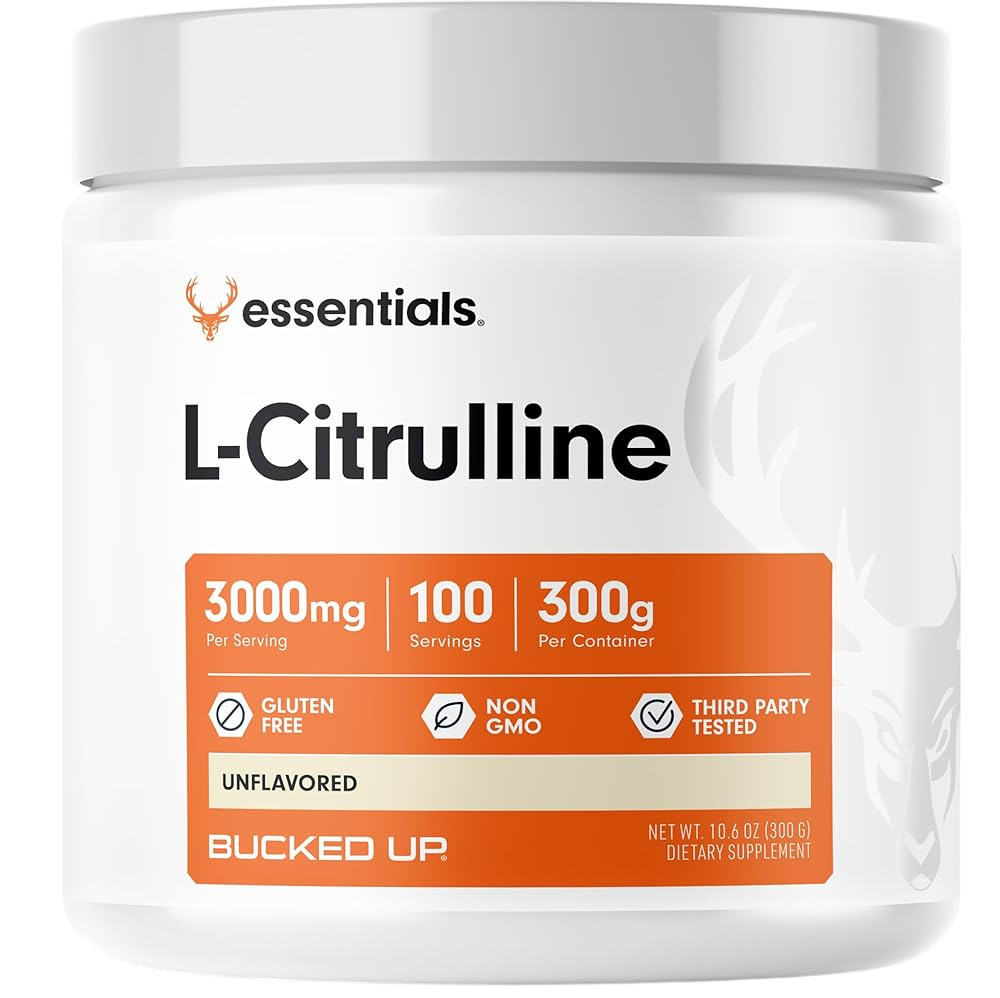
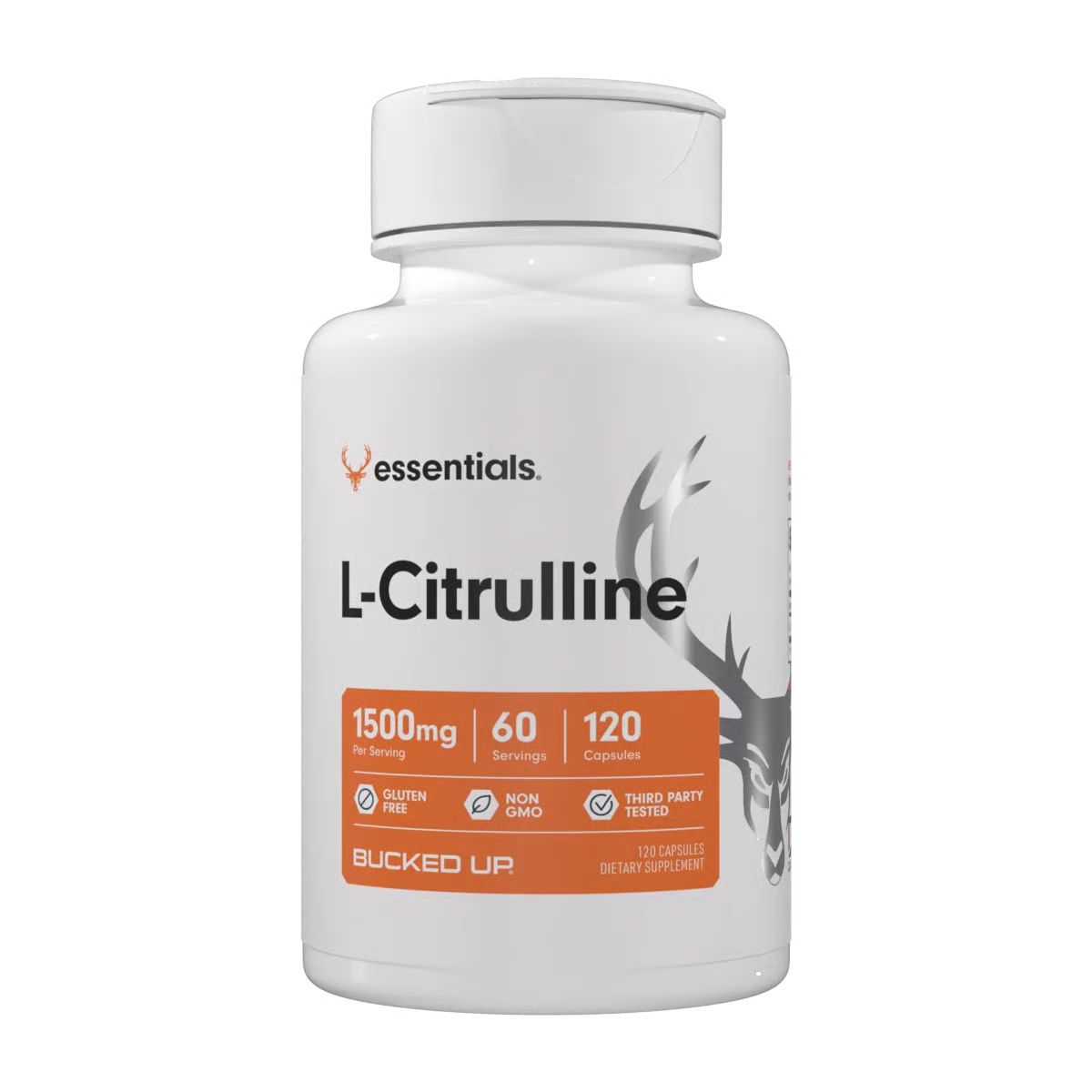
Bucked Up’s formulations apply this science across different performance needs. For broad pre-workout support, Bucked Up and Woke AF pre-workouts contain 6 grams of Citrulline Malate in a 2:1 ratio, along with AstraGin to support absorption. For advanced users who want a more focused nitric oxide approach, Mother Bucker features 4 grams of pure L-Citrulline combined with Nitrosigine for enhanced pump and performance support.
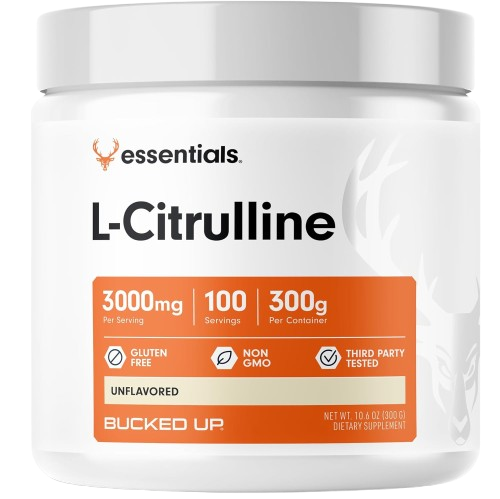
Most lifters fall within a practical dosing range of 3–6 grams of L-Citrulline per day for general wellness and circulation support. For performance-focused training, many pre-workout formulas use 6–8 grams of Citrulline Malate, which typically provides about 3.4–4.5 grams of actual L-Citrulline before a workout.
Weighing Value, Drawbacks, and How to Decide
EAAs offer broad versatility and complete essential amino acid coverage, which supports many training phases but usually at a higher cost per serving. BCAAs provide a more targeted and often more affordable option for specific uses, such as intra-workout fatigue management, yet they do not supply the full range of essential amino acids needed for complete muscle-building support.
BCAA side effects may include fatigue, loss of coordination, nausea, diarrhea, and bloating, especially at doses above 12 grams per day.1 EAAs generally show favorable safety profiles in typical supplemental doses, with few reported adverse effects in healthy individuals.1
Start your decision by clarifying your main goal. If you want complete muscle building and recovery support, EAAs usually make more sense. If your priority is targeted fatigue management during fed training, BCAAs can fit that role effectively.
Next, look at your training schedule. Fasted morning sessions or long periods without food often favor EAAs, because they supply all essential amino acids when dietary protein is low. Fed training with solid pre-workout meals can allow more flexibility, so BCAAs may be enough for some lifters during those workouts.
Finally, weigh your budget against your goals. If cost is a major concern and you train mostly in a fed state, BCAAs can cover basic intra-workout needs. If you rotate through bulking, cutting, and fasted phases, EAAs often justify the higher price because they support more situations. For lifters who want broader performance support, EAAs combined with Bucked Up’s L-Citrulline matrix can create a well-rounded stack for pumps, endurance, and recovery.
Frequently Asked Questions
Should I take BCAAs or essential amino acids?
Choose EAAs if your protein intake sometimes falls short or you train in fasted states, because EAAs provide complete essential amino acid support.1 BCAAs often work better as an intra-workout option during fed training sessions when you already have protein in your system. Many lifters see the best results when they stack their chosen amino product with L-Citrulline to support blood flow and performance.
Which works better for bodybuilding, EAAs or BCAAs?
EAAs generally support muscle protein synthesis and full recovery more effectively, which aligns well with bodybuilding goals.1 BCAAs can still play a role during long workouts or contest prep phases where intra-workout fatigue management matters. For many physique athletes, combining EAAs with Bucked Up’s Citrulline Malate or pure L-Citrulline formulations creates a strong base for muscle-building and training performance.
What are common BCAA side effects?
BCAAs may cause gastrointestinal discomfort, fatigue, or coordination issues at high doses in some individuals. People with diabetes should monitor blood sugar levels closely when using BCAAs, and anyone with existing medical conditions should speak with a healthcare provider before starting supplementation.
What is the difference between BCAAs and complete amino acids for bodybuilding?
BCAAs contain only three amino acids: leucine, isoleucine, and valine. Complete amino acid supplements, often labeled as EAAs, include all nine essential amino acids. EAAs therefore provide more comprehensive support for muscle-building and recovery, which many bodybuilders find useful when training hard or managing calories.
Which option fits cutting phases or vegan diets better?
EAAs often work well during cutting phases and vegan nutrition because they supply a complete essential amino acid profile that supports muscle preservation during calorie restriction. BCAAs can still help during workouts for additional fatigue support. Both BCAAs and EAAs can benefit from stacking with L-Citrulline to support pumps, nutrient delivery, and recovery.
Conclusion: Choosing Your Amino Strategy and Enhancing It with L-Citrulline
EAAs support muscle protein synthesis and broad recovery needs, while BCAAs tend to excel as a focused intra-workout tool for managing fatigue. Your training style, diet, and budget determine which option fits best. Bucked Up’s L-Citrulline formulations can enhance either choice by supporting blood flow, pumps, and performance during your sessions.
Whether you lean toward EAAs for full muscle-building support or BCAAs for targeted intra-workout benefits, explore Bucked Up’s L-Citrulline powders and pre-workouts to help you get more out of every rep and every training phase.
1 The content provided in this article is for informational purposes only and is not medical advice. Consult with a medical professional before implementing any changes to your diet, health, or exercise routines.
Individual results will vary and are based on a combination of each individual’s diet, exercise, age, and health circumstances.
These statements have not been evaluated by the Food and Drug Administration. This product is not intended to diagnose, treat, cure or prevent any disease.
This article was written by Ryan Gardner, CEO of Bucked Up. As the maker of Bucked Up Protein Soda, we have a financial interest in this information. The views expressed are our own and should be read with that context in mind.