Last updated: April 22, 2026
Key Takeaways
- Creatine monohydrate at 3-5g daily supports strength, power, and lean mass during high-intensity training.1
- L-Citrulline Malate at 6-8g pre-workout supports pumps, endurance, and reps to failure through increased nitric oxide compared to L-Arginine.1
- Beta-Alanine at 3.2-6.4g daily increases carnosine, helping buffer lactic acid during high-volume endurance training.1
- EAAs at 10-15g intra-workout and HMB can help limit muscle breakdown and support synthesis during caloric deficits or intense training blocks.1
- Stack Bucked Up’s L-Citrulline with creatine and pre-workouts like Mother Bucker to support stronger pumps and performance progress.1
6 Advanced Muscle Building Supplements for Serious Athletes (2026 Stacks & Dosages)
1. Creatine Monohydrate for Strength and Power
Creatine monohydrate supports strength and power development in serious athletes.1 The International Society of Sports Nutrition (ISSN) endorses creatine monohydrate for increasing high-intensity exercise capacity and lean body mass.1 These benefits come from creatine’s ability to increase phosphocreatine stores in muscle, which supports rapid ATP regeneration during explosive efforts.1 A daily maintenance dose of 3-5g helps maintain muscle saturation without a loading phase.1
2. L-Citrulline Malate for Pumps and Endurance
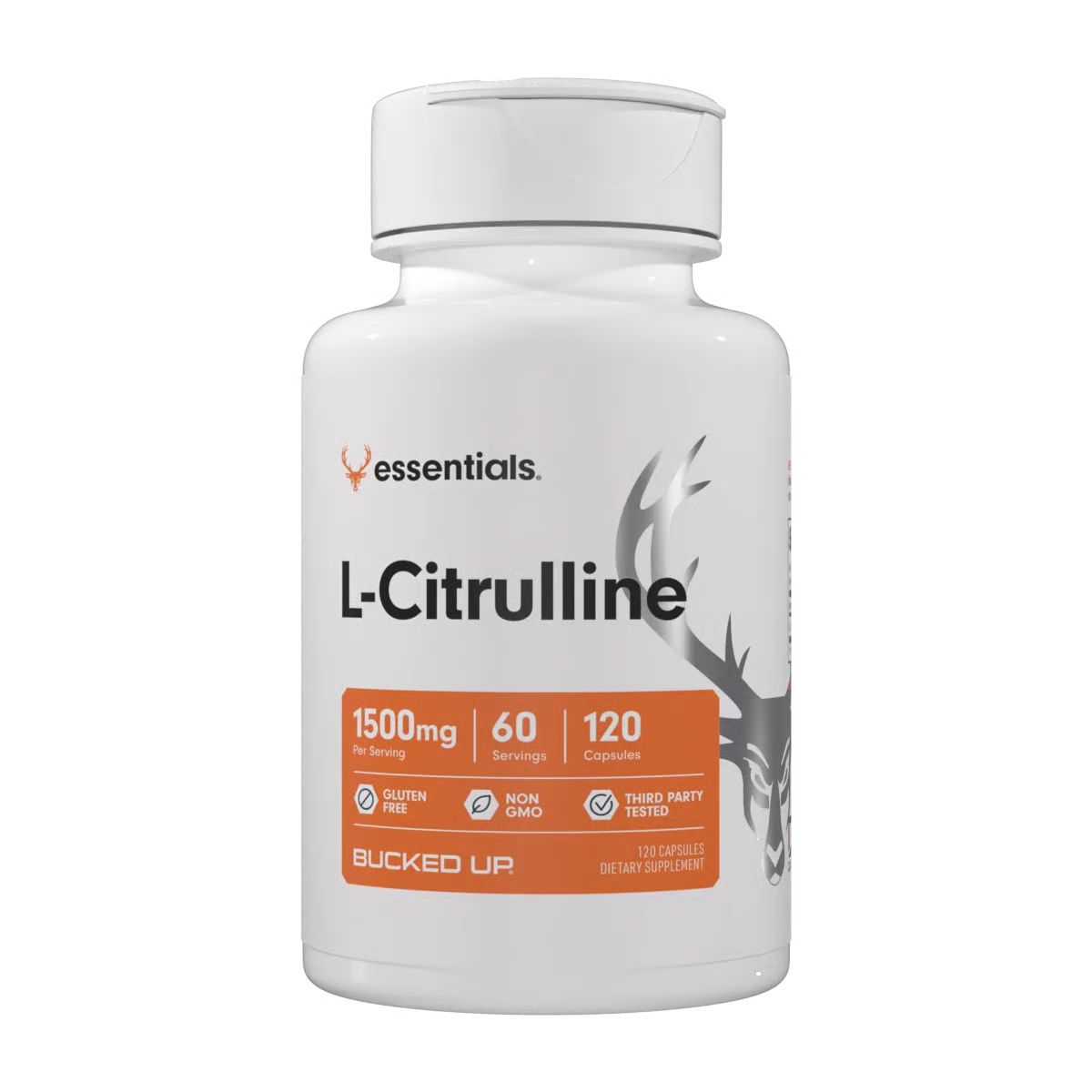
L-Citrulline Malate supports muscle pumps and endurance for demanding training sessions.1 L-Citrulline bypasses liver metabolism and converts to L-Arginine in the kidneys, while direct L-Arginine can have lower bioavailability due to first-pass metabolism. Examine.com identifies 6-8g of citrulline malate as effective for sports performance, with research showing up to a 53% increase in total repetitions performed to muscular failure.1 The malate component supports the Krebs cycle, which contributes to ATP production and training capacity.1 Bucked Up’s foundational pre-workout formulas (Bucked Up, Woke AF, Non-Stimulant) provide 6,000mg Citrulline Malate in a 2:1 ratio, while Mother Bucker uses Pure L-Citrulline, supported by AstraGin for improved absorption.1
3. Beta-Alanine for High-Volume Training
Beta-Alanine supports endurance during high-volume or high-intensity training blocks.1 This amino acid increases muscle carnosine levels, which helps buffer hydrogen ions associated with lactic acid accumulation during intense exercise.1 Beta-Alanine at 3.2-6.4g for endurance is among the most evidence-backed pre-workout ingredients. Many athletes notice a harmless tingling sensation, called paresthesia, which signals that the supplement is active in the body.1 For serious athletes, 3.2-6.4g per day, split into multiple doses, can support carnosine levels and training capacity.1
4. HMB (β-Hydroxy β-Methylbutyrate) for Muscle Preservation
HMB (β-Hydroxy β-Methylbutyrate) is often marketed for anti-catabolic support during heavy training or caloric restriction. Research on HMB shows mixed results, especially when combined with other proven supplements. A study published in the Journal of the International Society of Sports Nutrition found that adding HMB to creatine monohydrate supplementation did not improve anthropometric or performance maintenance across a collegiate rugby season. HMB, a metabolite of leucine, may still help reduce muscle protein breakdown and support recovery when used alone during severe caloric deficits or very high training stress.1 It does not appear to enhance the effects of creatine, so athletes often treat creatine as the foundation and consider HMB as an optional add-on in specific situations.
The JISSN study compared creatine alone, HMB alone, and creatine plus HMB across a competitive season. Creatine alone produced measurable gains in lean mass and strength. HMB alone showed smaller improvements in lean mass and limited strength gains. The combination of creatine and HMB did not provide additional benefits beyond creatine alone, suggesting athletes can prioritize creatine first and then evaluate whether HMB fits their individual needs.
5. Essential Amino Acids (EAAs) for Muscle Protein Synthesis
Essential amino acids support muscle protein synthesis, especially when training in a caloric deficit or during intense phases.1 EAAs contain all nine essential amino acids, which can stimulate muscle protein synthesis, reduce muscle soreness after demanding workouts, and help limit muscle breakdown during training, while BCAAs provide only three amino acids.1 This broader amino acid profile makes EAAs a more complete option for intra-workout support than BCAAs alone.
6. Ashwagandha and Vitamin D for Hormonal Support
Ashwagandha and Vitamin D together address hormonal and recovery factors that often limit progress during advanced training. High training volumes and life stress can elevate cortisol and disrupt anabolic hormone balance, which can slow muscle gain and recovery. Ashwagandha supports cortisol management and healthy testosterone levels, helping athletes maintain a more favorable hormonal environment under stress.1 Vitamin D status also influences strength, muscle function, and recovery, and deficiency can significantly reduce performance in serious athletes.1
For athletes in intense training phases, 600mg ashwagandha root extract daily can support cortisol management.1 Regular blood work with a healthcare provider can help determine whether Vitamin D supplementation is appropriate and what dose aligns with individual needs.
Strategic Stacking Protocols for Advanced Training
Stacking these ingredients in a structured way helps match supplementation to training intensity and stimulant tolerance. Advanced athletes often benefit from different combinations depending on experience level and how they respond to caffeine. The three stacks below illustrate how to build from a solid foundation toward more advanced protocols.
Foundation Stack: Bucked Up Pre-Workout provides 6,000mg Citrulline Malate (2:1) with 200mg caffeine, which suits athletes new to advanced pre-workout formulas. Take one serving 30-60 minutes before training and pair it with 5g creatine monohydrate daily to support strength and pumps.1
High-Tolerance Stack: Woke AF delivers 6,000mg Citrulline Malate with 333mg caffeine, which fits athletes who tolerate higher stimulant levels. The added citrulline supports blood flow, which can help counter normal vasoconstriction from stronger stimulants.1 Combine this pre-workout with 10-15g EAAs intra-workout to support performance and muscle protein synthesis during longer or more intense sessions.1
Elite Stack: Mother Bucker features 4,000mg Pure L-Citrulline plus Nitrosigine and Hydroprime Glycerol with a total of 400mg caffeine. This advanced matrix targets several vasodilation and pump pathways at once, which can support maximum pumps and performance for experienced athletes.1 Many lifters reserve this type of stack for peak training blocks or key performance phases.
Bucked Up’s transparency in ingredient ratios and inclusion of AstraGin for absorption can help these formulas stand apart from competitors that use proprietary blends.1 Explore Bucked Up’s Citrulline Malate and Pure L-Citrulline options to match your preferred form, flavor, and dosage to your training goals.
Safety, Dosing, and Considerations for Intense Athletes
Advanced supplementation works best when dosing and safety stay front and center. L-Citrulline doses above 10g in a single serving may cause gastrointestinal discomfort in some athletes, so starting at the lower end of the effective range and adjusting gradually can help.1 Athletes with naturally low blood pressure should monitor their response to vasodilatory supplements such as L-Citrulline and high-citrulline pre-workouts. Anyone taking antihypertensive medications or PDE5 inhibitors should speak with a healthcare provider before using L-Citrulline products.
For quick reference, the table below summarizes the primary L-Citrulline forms and the effective dose ranges discussed in this guide, along with Bucked Up products that align with those targets.
| Form | Recommended Dose | Bucked Up Option |
|---|---|---|
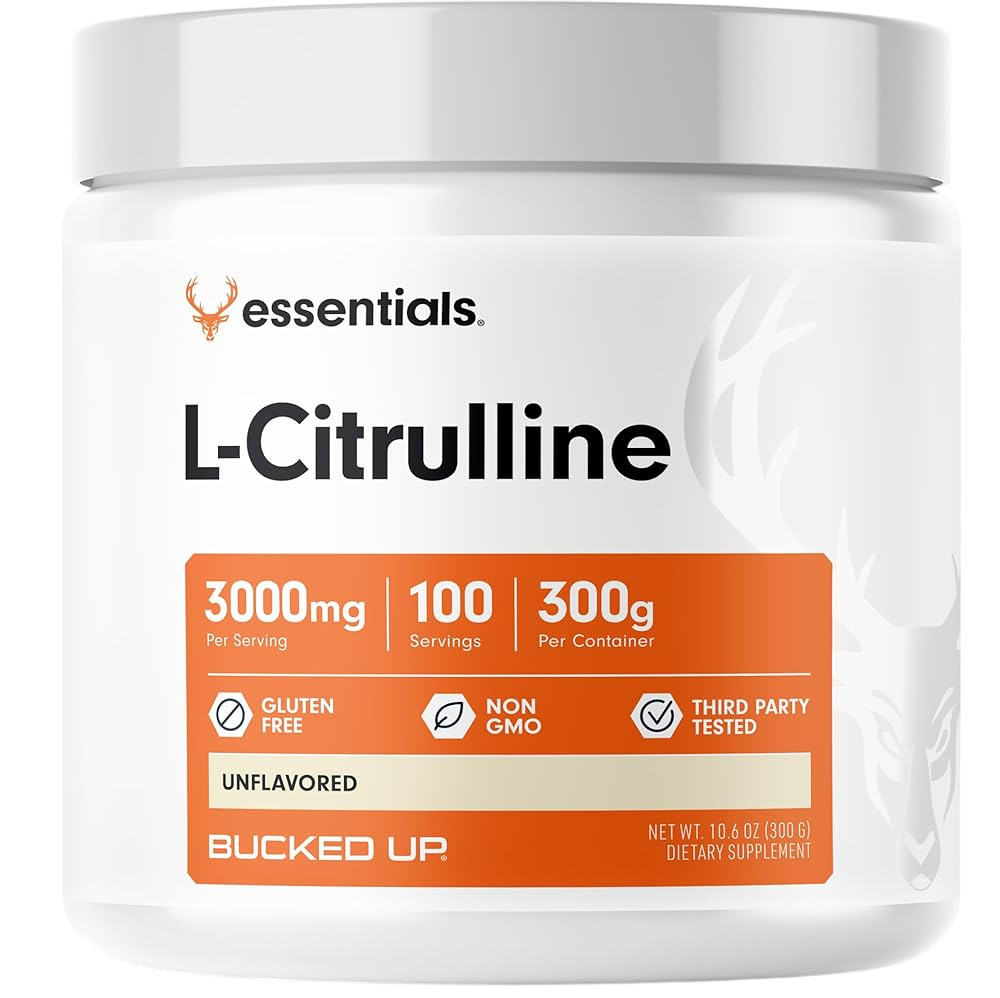
| Pure L-Citrulline | 6-8g | L-Citrulline Powder (3g per scoop) |
| Citrulline Malate (2:1) | 6-8g | Bucked Up Pre-Workout (6g) |
Why Bucked Up Can Work Well for Advanced Athletes
Bucked Up’s approach to L-Citrulline supplementation reflects a focus on the needs of serious lifters. Full ingredient transparency and L-Citrulline equivalent doses at or above 6g align with research-backed ranges for performance support. Strategic use of absorption enhancers such as AstraGin further supports ingredient uptake. Manufacturing under USA GMP standards adds an additional layer of quality assurance for athletes who rely on consistent formulas.
Frequently Asked Questions
What supplement combination builds muscle most effectively?
Creatine monohydrate combined with L-Citrulline can support muscle-building efforts for many athletes.1 Creatine enhances strength and power output, which allows heavier lifting and more total work over time.1 L-Citrulline supports blood flow, nutrient delivery, and training capacity, which can help translate that workload into long-term hypertrophy.1
What supplements should an intense athlete consider?
Intense athletes often start with a foundation of creatine monohydrate at 5g daily, L-Citrulline Malate at 6-8g pre-workout, and EAAs at 10-15g intra-workout. Beta-Alanine at 3.2-6.4g daily and HMB at 38 mg per lb of body weight daily, approximately 3g for an athlete around 180 lbs can provide additional endurance and anti-catabolic support during high-volume training blocks.1
L-Citrulline vs L-Arginine: Which supports nitric oxide more effectively?
L-Citrulline often supports nitric oxide production more effectively than direct L-Arginine supplementation.1 L-Citrulline bypasses liver metabolism and converts to L-Arginine in the kidneys, which can produce higher and more sustained plasma L-Arginine levels compared to taking L-Arginine alone.
What is an effective dosage strategy for muscle growth?
For muscle growth, many athletes use 5g creatine monohydrate daily alongside 6-8g L-Citrulline Malate before training. Adding 10-15g EAAs during workouts and 3.2-6.4g Beta-Alanine per day can create a comprehensive support stack for strength, endurance, and muscle protein synthesis.1
Are these supplements suitable for daily use?
When used at research-supported dosages, these supplements are generally considered safe for healthy athletes. L-Citrulline, creatine, and EAAs have strong safety data in the sports nutrition literature. Athletes with medical conditions or those taking prescription medications should consult a healthcare provider before starting or changing any supplementation plan.
Conclusion
Advanced muscle building benefits from a clear supplement hierarchy rather than a crowded cabinet. Start with proven basics such as 5g creatine monohydrate daily and 6-8g L-Citrulline Malate before training to support strength, pumps, and work capacity.1 From there, layer in EAAs at 10-15g intra-workout if you train in a caloric deficit, and Beta-Alanine at 3.2-6.4g daily if your program emphasizes high-volume or endurance-style work.1 Consider HMB and adaptogens such as ashwagandha, along with Vitamin D, when recovery, caloric restriction, or hormonal stress become limiting factors.
The key is matching each supplement to your current training phase and goals instead of adding every ingredient at once. If you are ready to push a new training block, Bucked Up’s pharmaceutical-grade L-Citrulline can help you support pumps and performance in your next cycle.
1 The content provided in this article is for informational purposes only and is not medical advice. Consult with a medical professional before implementing any changes to your diet, health, or exercise routines.
Individual results will vary and are based on a combination of each individual’s diet, exercise, age, and health circumstances.
These statements have not been evaluated by the Food and Drug Administration. This product is not intended to diagnose, treat, cure or prevent any disease.
This article was written by Ryan Gardner, CEO of Bucked Up. As the maker of Bucked Up Protein Soda, we have a financial interest in this information. The views expressed are our own and should be read with that context in mind.