Last updated: April 22, 2026
Key Takeaways
- Leucine activates mTOR for muscle protein synthesis, and 2-3g per meal can increase strength by about 15% in studies.1
- EAAs outperform BCAAs by providing complete amino profiles for sustained muscle growth at 10-15g doses.1
- L-Citrulline increases total reps during training, supporting higher volume and endurance compared to L-Arginine.1
- Glutamine supports recovery and immune function during intense training blocks.1
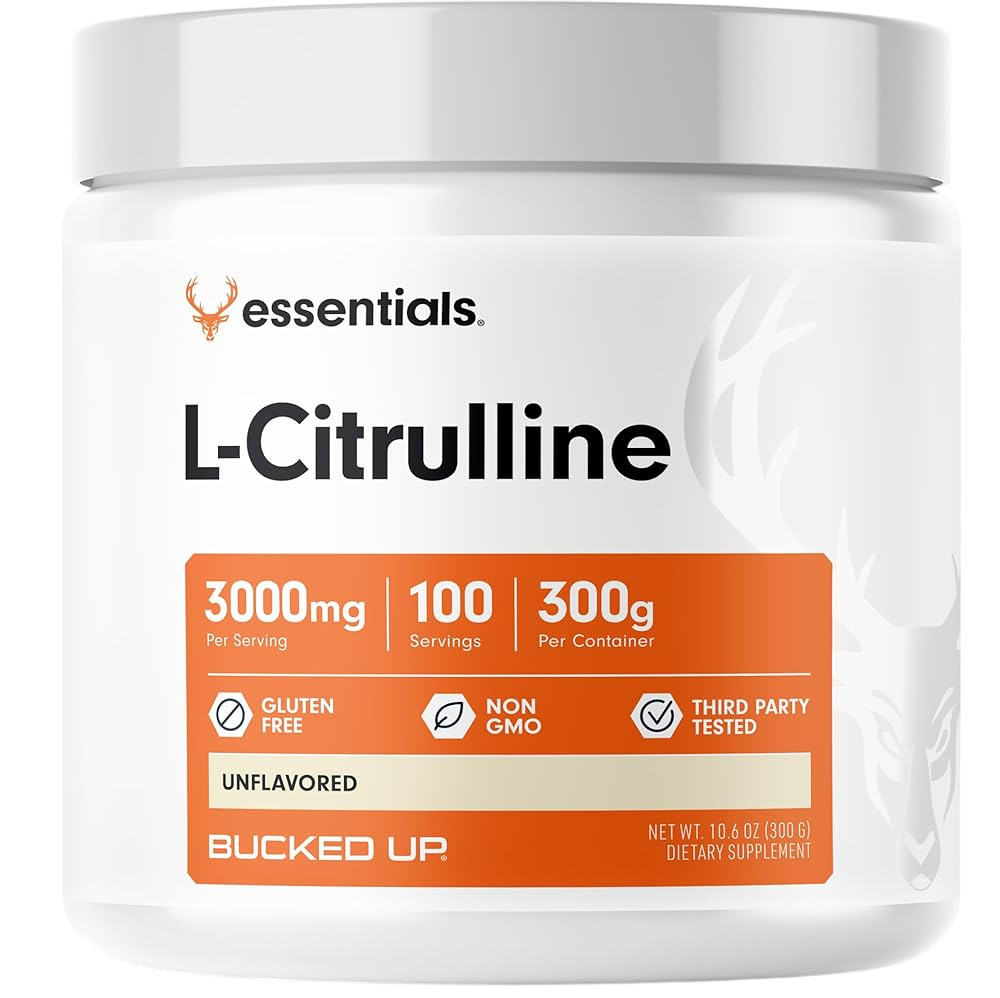
- Stack with Bucked Up L-Citrulline to get research-based performance support and dialed-in dosing.1
Top 5 Amino Acids for Building Muscle and Strength in 2026
1. Leucine
Leucine acts as a primary mTOR pathway activator, so it plays a key role in starting muscle protein synthesis. A 2024 randomized controlled trial involving 34 resistance-trained males found that 2g daily leucine supplementation during 10 weeks of resistance training increased leg press 1RM by 15.2% compared to 7.3% in the placebo group.1 For effective muscle protein synthesis, aim for 2.5-3g leucine per meal, which usually means 20-25g of high-quality protein per meal in younger adults.1
2. Essential Amino Acids (EAAs)
Complete essential amino acid profiles outperform isolated BCAAs for sustained muscle protein synthesis. Mochizuki et al. (2021) demonstrated that EAA-containing beverages enhance muscle protein synthesis more effectively than BCAA-containing beverages in healthy young men, because EAAs supply all the building materials while BCAAs can only start the process.1 To achieve this enhanced synthesis effect, a typical effective dose ranges from 10-15g of EAAs.1
3. Branched-Chain Amino Acids (BCAAs)
BCAAs support recovery and can reduce exercise-induced muscle breakdown, but they work best when paired with other amino acids.1 Wolfe (2017) emphasized that complete muscle protein synthesis requires all nine essential amino acids, as the absence of even one disrupts the process. This requirement for all nine essential amino acids explains why BCAAs work best as part of a comprehensive amino acid strategy rather than as standalone supplementation.
4. L-Citrulline
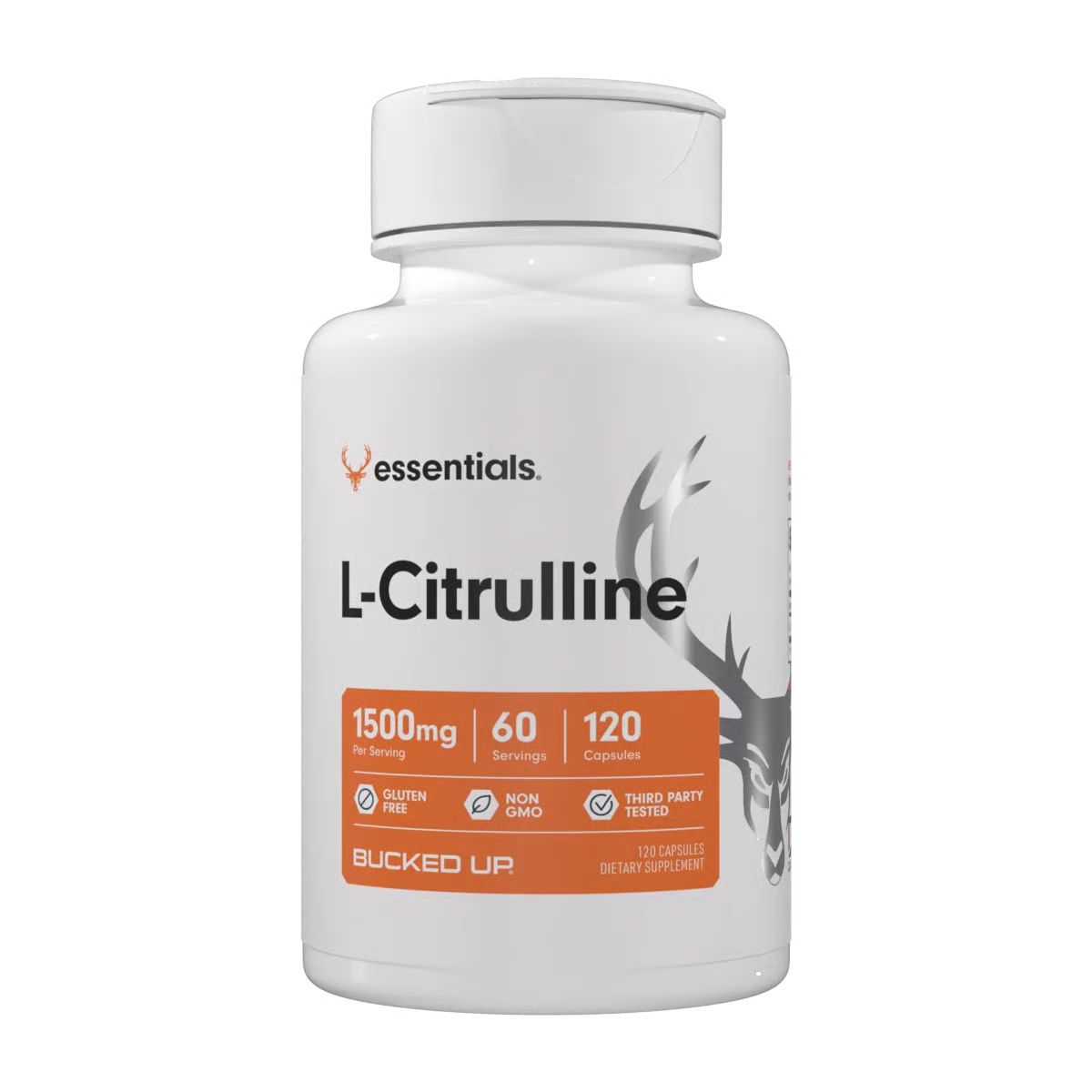
L-Citrulline supports performance for strength training and can deliver noticeable improvements in training volume and endurance.1 Research demonstrates the repetition-boosting effect mentioned earlier, with 8g of citrulline malate delivering measurable volume increases during resistance exercise1, which helps athletes push more total work in a session. Bucked Up includes Citrulline Malate and Pure L-Citrulline so you can match your citrulline form and dose to your training style.
5. Glutamine
Glutamine supports recovery and immune function, especially during intense training periods.1 It does not directly initiate muscle protein synthesis like leucine, but it helps maintain muscle tissue during catabolic stress and supports overall recovery between training sessions.
L-Citrulline’s Edge Over Other Aminos for Muscle and Strength
Among the five amino acids covered, L-Citrulline deserves closer attention for its unique performance advantages. L-Citrulline demonstrates superior bioavailability compared to L-Arginine for enhancing performance.1 L-citrulline bypasses initial first-pass liver metabolism and converts to L-arginine in the kidneys, leading to more sustained increases in plasma arginine levels compared to direct L-arginine supplementation. This metabolic advantage often translates to more reliable performance support during resistance training.1
The choice between pure L-Citrulline and Citrulline Malate (2:1 ratio) depends on specific training goals. Citrulline Malate provides additional malic acid, which supports the Krebs cycle for ATP production, so it can work well for endurance-focused or high-volume training.1 Pure L-Citrulline offers concentrated nitric oxide support without additional compounds, which suits lifters who want straightforward pump and blood-flow support.1
The following table summarizes key performance details for each amino acid so you can compare effective doses and documented training outcomes at a glance.
| Amino Acid | Key Benefit | Study Dose | Performance Impact |
|---|---|---|---|
| Leucine | mTOR/Synthesis | 3-5g/meal | 15.2% strength increase |
| EAAs | Complete MPS | 10-15g | Enhanced synthesis vs BCAAs |
| L-Citrulline | Reps/Endurance | 6-8g Malate | Higher repetitions and volume |
| L-Arginine | NO (limited) | 4-24g | Poor bioavailability |
Dosing Guide: Daily Amino Targets for Muscle and Strength
Effective amino acid dosing depends on body weight in lbs, age, and training intensity. For leucine, research suggests that about 20-25g of high-quality protein, which provides 2-3g leucine per meal, can stimulate muscle protein synthesis in younger adults.1 Older adults may need 3-4g leucine per meal because of age-related anabolic resistance.1
For L-Citrulline, effective dosing usually ranges from 3-6g daily for general performance support.1 For heavy resistance training days, 6-8g of citrulline malate taken about 60 minutes before lifting can support higher training volume and reduced fatigue.1 EAAs typically require 10-15g per serving to provide comprehensive amino acid support when dietary protein falls short.1
Athletes over 50 may benefit from higher leucine intake within safe protein ranges. Leucine supplementation can improve handgrip strength, appendicular muscle mass, and gait speed in older adults with sarcopenia, especially when combined with consistent resistance training.1
Bucked Up Pre-Workouts: Practical Ways to Get These Aminos
Bucked Up offers transparent, GMP-manufactured formulations that provide effective amino acid doses without proprietary blends. The Bucked Up Pre-Workout contains 6g of Citrulline Malate (2:1) with 200mg caffeine, while Woke AF provides the same citrulline dose with 333mg caffeine for lifters with higher stimulant tolerance.1 For advanced athletes, Mother Bucker features 4g pure L-Citrulline stacked with Nitrosigine and Hydroprime Glycerol.
The inclusion of Astragin in all Bucked Up pre-workouts supports citrulline absorption and helps you get more from the listed doses.1 This focus on absorption can separate Bucked Up from formulas that list high amounts of ingredients but do not include absorption-support compounds.
Frequently Asked Questions
Are BCAAs or EAAs better for muscle growth?
EAAs provide stronger muscle protein synthesis support than BCAAs alone.1 BCAAs can start muscle protein synthesis through leucine’s mTOR activation, but they cannot sustain the process without the other six essential amino acids. EAAs supply all nine essential amino acids needed for complete muscle protein synthesis, so they tend to work better for muscle growth when overall protein intake is low or inconsistent.
What is the optimal L-Citrulline dosage for strength training?
For strength training, 6-8g of citrulline malate taken about 60 minutes before exercise often provides strong performance support.1 This dose has been shown to increase repetitions to failure and reduce muscle soreness in research settings.1 Pure L-Citrulline can be effective at 3-6g daily, while the malate form may add extra energy metabolism support through the Krebs cycle.
Which amino acids work best for athletes over 50?
Athletes over 50 often see the most benefit from combining leucine and L-Citrulline supplementation.1 Higher leucine intake, around 3-4g per meal, helps address age-related anabolic resistance.1 L-Citrulline supports performance and recovery, so the combination targets both muscle protein synthesis challenges and performance decline associated with aging.1
Are amino acid supplements safe with medications?
Most amino acid supplements are generally well tolerated, but interactions can occur with certain medications. L-Citrulline may enhance the effects of blood pressure medications, and high-dose amino acids could affect kidney function in people with existing kidney conditions. Always check with a healthcare provider before starting amino acid supplementation, especially when taking medications or managing health issues.
Can I get enough amino acids from food alone?
Whole food sources provide amino acids, but reaching performance-focused doses through food alone can be challenging. For example, getting 3g of L-Citrulline from food would require eating roughly 2.2-3.3 pounds of watermelon daily. High-quality protein sources can supply adequate leucine and EAAs for muscle growth, while targeted supplementation allows precise dosing and timing around workouts for more consistent performance support.
Conclusion: Putting Your Amino Strategy Together
The top amino acids for muscle and strength combine muscle protein synthesis triggers like leucine with performance enhancers like L-Citrulline. Leucine remains a key driver for initiating muscle growth, and L-Citrulline acts as a performance catalyst that supports more productive training sessions through higher repetitions and less fatigue.1 Many athletes stack these amino acids strategically, with L-Citrulline supporting training volume that can amplify leucine’s muscle-building effects over time. Check out Bucked Up L-Citrulline options to get research-aligned doses that support your strength and muscle goals.
1 The content provided in this article is for informational purposes only and is not medical advice. Consult with a medical professional before implementing any changes to your diet, health, or exercise routines.
Individual results will vary and are based on a combination of each individual’s diet, exercise, age, and health circumstances.
These statements have not been evaluated by the Food and Drug Administration. This product is not intended to diagnose, treat, cure or prevent any disease.
This article was written by Ryan Gardner, CEO of Bucked Up. As the maker of Bucked Up Protein Soda, we have a financial interest in this information. The views expressed are our own and should be read with that context in mind.