Last updated: March 7, 2026
Key Takeaways
- L-Citrulline ranks #1 for nitric oxide production, bypassing liver metabolism for 25% higher NOx levels and 15% better endurance vs. L-Arginine.
- L-Arginine offers direct NO substrate, but poor bioavailability (<20% absorption) limits effectiveness compared to L-Citrulline.
- L-Glutamine and L-Ornithine provide indirect NO support through antioxidant protection and urea cycle recycling for sustained arginine levels.
- Beetroot nitrates complement amino acids through the nitrate-nitrite-NO pathway, ideal for low-oxygen exercise conditions.
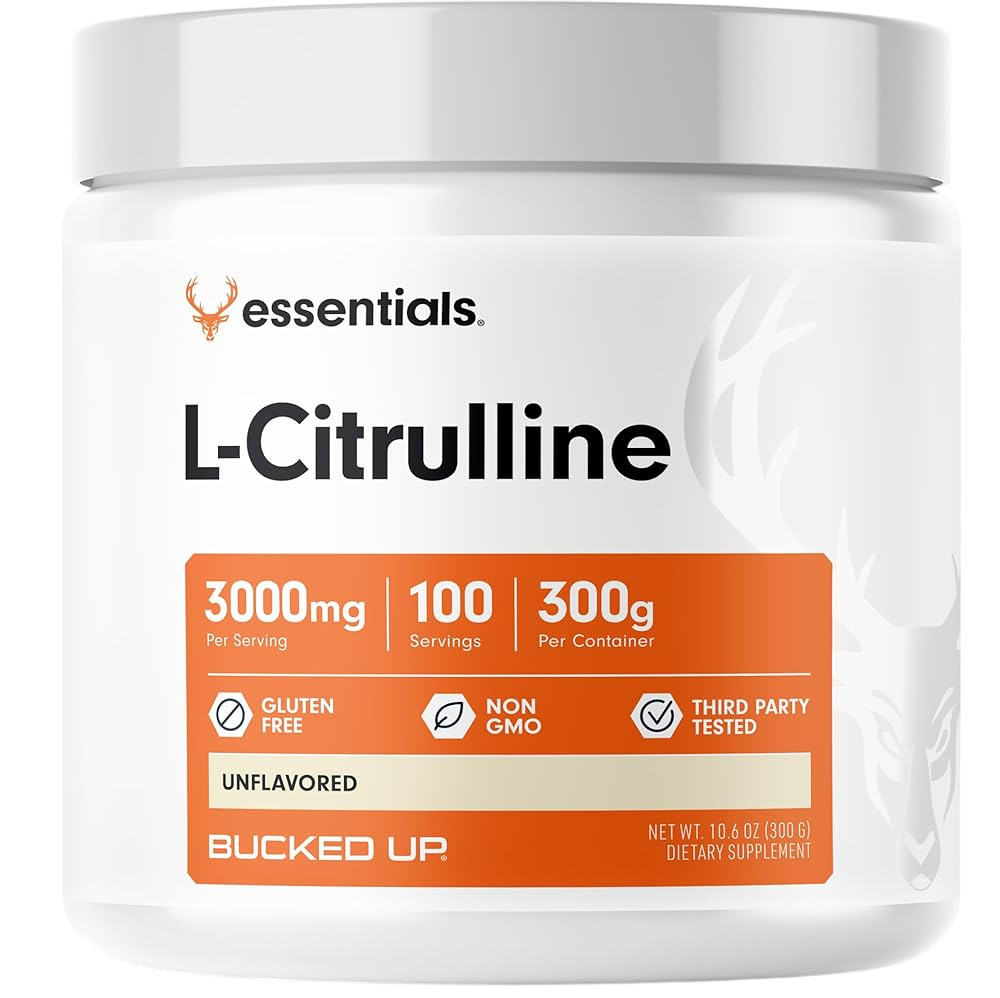
- Maximize pumps and performance with Bucked Up’s clinical-dose L-Citrulline supplements, featuring 6g Citrulline Malate and absorption enhancers.
#1 L-Citrulline: Top Choice for Bigger Pumps and Endurance
L-Citrulline sits at the top of the nitric oxide hierarchy because of its unique pharmacokinetic profile. Unlike other amino acids that liver enzymes quickly break down, L-Citrulline bypasses first-pass metabolism and converts to L-Arginine in the kidneys. This conversion creates a longer, steadier rise in nitric oxide.
A 2023 randomized controlled trial showed that 6g daily L-Citrulline raised plasma L-Arginine levels 30% more than direct L-Arginine, with 12% greater nitric oxide synthesis. That difference translates into real performance changes you can feel in the gym and on the field.
Athletes taking 8g daily L-Citrulline Malate for 14 days saw 25% higher serum NOx levels and 15% better time-to-exhaustion during high-intensity cycling, plus 18% more total work. Resistance training research also reports up to 53% more reps to failure when lifters use clinical doses.
Most lifters get the best results with 6–8g of Citrulline Malate taken about 60 minutes before training. The malate portion supports ATP production through the Krebs cycle, so you get both stronger vasodilation and better energy metabolism. Bucked Up formulas use clinical doses of science-backed ingredients, including 6g Citrulline Malate 2:1 and Pure L-Citrulline. Find the L-Citrulline option that fits your training style.
|
Metric |
L-Citrulline |
L-Arginine |
|
Absorption |
100% |
<20% |
|
Peak Plasma |
227% Arginine rise |
Rapid drop |
|
NO Boost |
25% NOx increase |
Minimal |
|
Clinical Dose |
6-8g Malate |
N/A |
#2 L-Arginine: Direct Precursor with Weak Absorption
L-Arginine acts as the direct substrate for nitric oxide synthase (NOS) enzymes, so it looks ideal on paper. In real life, its impact stays limited because of poor bioavailability. Intestinal and hepatic arginase enzymes break down oral L-Arginine before it reaches your bloodstream, leaving less than 20% available.
Meta-analyses show that L-Arginine alone produces little to no nitric oxide increase in exercise settings (p>0.05), while L-Citrulline delivers clear improvements. Rapid plasma clearance of L-Arginine also prevents sustained nitric oxide production, which blunts pumps and performance.
When you do use L-Arginine, doses usually fall between 3–6g and work better when stacked with L-Citrulline. This pairing uses L-Citrulline for steady arginine delivery and L-Arginine as direct NOS fuel. Even with that combo, L-Citrulline alone still outperforms L-Arginine in most scenarios.
#3 L-Glutamine: Recovery Support with Indirect NO Benefits
L-Glutamine supports nitric oxide production through indirect pathways instead of acting as a direct NOS substrate. This amino acid helps arginine metabolism and supports the cell’s antioxidant defenses. That protection keeps nitric oxide active longer by limiting oxidative stress that would otherwise break it down.
L-Glutamine’s main nitric oxide benefits come from antioxidant activity rather than direct synthesis. It helps maintain glutathione levels, which shield existing nitric oxide from reactive oxygen species during hard training.
Most athletes use 5–10g around their workouts. L-Glutamine pairs well with direct nitric oxide boosters like L-Citrulline, since it supports the internal environment that keeps nitric oxide working. Its recovery perks also stack nicely with the performance gains from primary NO-boosting amino acids.
#4 L-Ornithine: Urea Cycle Partner for Arginine Recycling
L-Ornithine plays a key role in the urea cycle with L-Citrulline and L-Arginine, helping recycle arginine for ongoing nitric oxide production. This amino acid also supports ammonia clearance, which reduces metabolic waste that can drag down performance and nitric oxide output during intense sessions.
The ornithine-citrulline-arginine cycle forms a recycling loop that keeps arginine available. L-Ornithine converts to L-Citrulline, which then becomes L-Arginine for nitric oxide synthesis. This process helps maintain steady arginine levels during longer or more demanding workouts.
Typical dosing ranges from 2–6g daily, often taken before bed because of possible growth hormone support. L-Ornithine works best as part of a full nitric oxide stack, backing up the primary effects of L-Citrulline instead of serving as a solo pump ingredient.
#5 Beetroot Nitrates: Non-Amino Power for Low-Oxygen Training
Beetroot-derived nitrates earn a spot in nitric oxide stacks even though they are not amino acids. They boost nitric oxide through the nitrate-nitrite-NO pathway, which runs separately from the NOS system. This alternate route pairs well with amino acid supplements and fills in gaps during tough training.
Dietary nitrates convert to nitrites through oral bacteria, then convert to nitric oxide in acidic or low-oxygen environments such as working muscle. This pathway becomes more valuable during intense exercise when oxygen levels drop and NOS-dependent nitric oxide production slows down.
Most protocols use 300–600mg of nitrates, which equals about 500 ml of beetroot juice. Stacking beetroot nitrates with L-Citrulline creates a dual-pathway nitric oxide strategy that supports both substrate supply and alternate synthesis for strong, sustained vasodilation.
Why Bucked Up Builds Stronger Nitric Oxide Stacks
L-Citrulline’s pharmacokinetic edge makes it the clear leader for nitric oxide support, but dosing and formula design determine real-world results. Bucked Up focuses on clinical-grade L-Citrulline delivery through three main options. These include Citrulline Malate 2:1 for endurance and general training, Pure L-Citrulline stacks for advanced users, and absorption-enhanced blends with Astragin.
The Bucked Up Pre-Workout supplies 6g of Citrulline Malate 2:1, which matches the clinical threshold used in performance research. Woke AF keeps that same 6g dose while balancing the vasoconstriction that can come with higher stimulants. Mother Bucker targets advanced athletes with 4g Pure L-Citrulline plus Nitrosigine and Hydroprime Glycerol, forming a “pump trifecta” that supports vasodilation through several mechanisms.
Customer feedback backs this approach with real-world results, including comments like “Crazy pump and PRs I never thought possible” and “Finally a pre-workout that delivers the vascularity I’ve been chasing.” Astragin appears in every formula to support L-Citrulline absorption and reduce the risk of underdosed or poorly absorbed nitric oxide products.
|
Product |
Citrulline Dose/Form |
Target User |
Key Stacks |
|
Bucked Up |
6g Malate 2:1 |
Beginners |
Astragin, Beta-Alanine |
|
Woke AF |
6g Malate 2:1 |
High-Tolerance |
Dendrobium, Astragin |
|
Mother Bucker |
4g Pure |
Advanced |
Nitrosigine, Hydroprime |
Bucked Up uses clinical doses of science-backed ingredients, including Citrulline Malate and Pure L-Citrulline. Choose the L-Citrulline formula that matches your goals.
Advanced Stacks, Real-World Food Limits, and Safety
Smart stacking multiplies the impact of each amino acid. Recent research shows that L-Citrulline combined with complementary ingredients can raise nitric oxide metabolites 35% more than solo use. Top stacks pair L-Citrulline with Nitrosigine, beetroot nitrates, or glycerol to support several nitric oxide pathways at once.
Food alone rarely delivers enough nitric oxide support for performance. Watermelon has the highest natural L-Citrulline content, yet you would need 2.2–3.3 pounds per day to reach a 3g dose. Other foods such as cucumbers and squash, contain even less, so athletes usually rely on supplements for meaningful results.
Research supports a strong safety profile at recommended doses. Clinical trials using more than 6g daily report minimal side effects, mainly mild digestive discomfort in sensitive users. People with low blood pressure or those using PDE5 inhibitors should stay cautious, since combined vasodilation can drop blood pressure too far. Bucked Up’s GMP-certified manufacturing supports consistent purity and potency across every batch.
Frequently Asked Questions
L-Arginine vs. L-Citrulline for Nitric Oxide
L-Citrulline outperforms L-Arginine for nitric oxide support because it absorbs better and stays active longer. L-Arginine serves as the direct substrate for nitric oxide synthase, yet less than 20% survives intestinal and liver metabolism. L-Citrulline bypasses those roadblocks and converts to L-Arginine in the kidneys, which keeps nitric oxide production elevated for a longer window.
Clinical studies show that L-Citrulline can raise plasma arginine levels about 30% more than direct L-Arginine use. That increase produces stronger and more sustained nitric oxide elevation, which supports better pumps, endurance, and performance.
What is the Best L-Citrulline Dose for Muscle Pumps?
Most research points to 6–8g of L-Citrulline Malate as the sweet spot for pumps and performance. Taking this dose about 60 minutes before training gives enough time for arginine levels and nitric oxide to rise. Pure L-Citrulline usually works well at slightly lower doses, around 4–6g, because it is more concentrated.
The malate portion in Citrulline Malate also supports the Krebs cycle, which can help with energy production. That combination makes Citrulline Malate a strong choice for athletes who want both pump and endurance support.
Is Getting Nitric Oxide Amino Acids from Food Enough?
Most people cannot reach performance-focused nitric oxide doses through food alone. Watermelon offers the highest natural L-Citrulline content, but you would still need 2.2–3.3 pounds per day to reach only 3g. Foods like cucumbers, squash, and pumpkins contain even less.
These foods still support overall nutrition, yet they rarely provide enough L-Citrulline or related amino acids for clinical-level nitric oxide benefits. Athletes who want noticeable changes in pumps and endurance usually rely on targeted supplementation.
What are the Side Effects of High-Dose Nitric Oxide Amino Acids?
Most people tolerate high-dose nitric oxide amino acid supplements well. The most common side effects include mild stomach discomfort, nausea, or bloating, especially when single doses go above 10g. Splitting doses or taking them with food often reduces these issues.
Anyone with naturally low blood pressure should watch for dizziness or lightheadedness, since nitric oxide can lower blood pressure further. People using blood pressure medications or PDE5 inhibitors should talk with a healthcare professional before adding high-dose nitric oxide supplements.
How does Bucked Up Stack Up Against Other Brands?
Bucked Up stands out through clear labels, clinical dosing, and absorption support. Many brands hide L-Citrulline amounts in proprietary blends or use low, ineffective doses. Bucked Up lists 6g of Citrulline Malate 2:1 in core products and 4g Pure L-Citrulline in advanced formulas, so you always know what you are getting.
Astragin appears in every pre-workout to support citrulline absorption and overall bioavailability. This mix of proper dosing, transparency, and absorption support delivers consistent results that athletes can see in their pumps and track in their performance.
Conclusion: Choose L-Citrulline and Bucked Up for Stronger Pumps
L-Citrulline leads the pack for nitric oxide support, thanks to superior bioavailability and sustained nitric oxide production. Clinical data consistently shows that it outperforms L-Arginine and other options for pumps, endurance, and overall training output. Bucked Up formulas use clinical doses of Citrulline Malate and Pure L-Citrulline to match that research.
Find the L-Citrulline product that fits your goals and push your performance higher.