Last updated: April 22, 2026
Key Takeaways: Aminos That Drive Nitric Oxide
- L-Citrulline stands out for nitric oxide support because it bypasses first-pass metabolism and helps sustain plasma arginine levels.1
- L-Arginine acts as a direct NOS substrate but has poor oral absorption and high splanchnic extraction, which limits its impact.1
- L-Ornithine supports the urea cycle and ammonia clearance, which can help endurance during high-volume training.1
- L-Norvaline inhibits arginase to preserve L-Arginine for nitric oxide synthesis and works best in combination formulas.1
- Agmatine sulfate modulates NOS activity and can complement other aminos; Bucked Up’s Pure L-Citrulline can help you push nitric oxide production and performance further.1
Five Amino Acids That Support Nitric Oxide
Research on pharmacokinetics and exercise performance highlights five amino acids that meaningfully support nitric oxide production.1
1. L-Citrulline – Strong bioavailability with renal conversion to L-Arginine.
2. L-Arginine – Direct nitric oxide synthase substrate with limited oral absorption.
3. L-Ornithine – Urea cycle support and indirect nitric oxide benefits.
4. L-Norvaline – Arginase inhibition to preserve L-Arginine availability.
5. Agmatine sulfate – Nitric oxide synthase modulation and metabolic support.
1. L-Citrulline: High-Bioavailability Nitric Oxide Support
L-Citrulline supports nitric oxide production through a kidney-based conversion pathway.1 L-Citrulline bypasses first-pass intestinal and liver metabolism and converts in the kidneys to L-Arginine, which sustains plasma arginine and nitric oxide levels.1 This route helps L-Citrulline avoid the heavy degradation that limits L-Arginine.
Exercise studies back up these mechanisms. A 2010 study of 41 men found that 8 g citrulline malate increased resistance-training repetitions by 53% and cut soreness by 40% at 24–48 hours.1 Peak plasma levels typically appear 0.7 to 2 hours after ingestion, which lines up well with pre-workout use.
Most protocols use 3–6 grams of pure L-Citrulline or 6–8 grams of citrulline malate taken 30–60 minutes before training. Daily intake of 6 grams or more for seven days improved muscle oxygenation, oxygen uptake kinetics, and high-intensity performance in humans.1
2. L-Arginine: Direct Substrate With Practical Limits
L-Arginine directly fuels nitric oxide synthase, so it looks ideal on paper for nitric oxide production. In practice, oral L-Arginine struggles with bioavailability. L-Arginine serves as the direct substrate for nitric oxide synthase (NOS) enzymes to produce nitric oxide (NO), but oral supplementation poorly elevates plasma arginine levels due to extensive first-pass metabolism in the intestinal wall and liver by arginase, with approximately 40–50% undergoing splanchnic extraction.
Higher doses can still deliver measurable effects. A 2011 meta-analysis of 11 randomized trials reported reductions of 5.39 mmHg in systolic and 2.66 mmHg in diastolic blood pressure at intakes between 4 and 24 grams per day.1 Many people experience gastrointestinal discomfort at these higher levels, which limits real-world use.
Common protocols use 3–6 grams of L-Arginine per day, though some goals may require more to significantly raise nitric oxide. For performance, many users take it 30–60 minutes before exercise, similar to L-Citrulline timing, to align peak blood levels with training.
3. L-Ornithine: Urea Cycle and Ammonia Management
L-Ornithine supports nitric oxide production indirectly through its role in the urea cycle and waste removal. Ornithine participates in the nitric oxide pathway and, along with agmatine, contributes to the urea cycle and detoxification of metabolic waste from muscle, which can enhance endurance and reduce fatigue.1
L-Ornithine does not convert directly to nitric oxide like L-Arginine. Instead, it supports nitrogen metabolism and helps clear ammonia through the urea cycle, which can help maintain nitric oxide production over longer sessions. This effect particularly benefits athletes who perform high-volume training where ammonia buildup can limit endurance.1
Current research on L-Ornithine and nitric oxide remains smaller than the data for L-Citrulline or L-Arginine. Typical intake ranges from 2–6 grams per day, often stacked with other nitric oxide precursors in multi-ingredient formulas.
4. L-Norvaline: Supporting Arginine Availability
L-Norvaline supports nitric oxide production by inhibiting arginase, the enzyme that breaks down L-Arginine. By limiting arginase activity, L-Norvaline can help keep more L-Arginine available for nitric oxide synthase instead of diversion into other pathways.1
This mechanism makes L-Norvaline most useful when paired with L-Arginine or L-Citrulline. The combination can extend the duration and magnitude of nitric oxide output from these primary precursors.1 Human data on L-Norvaline alone remain limited, so most protocols treat it as a supporting ingredient rather than a standalone focus.
Typical intake falls between 100–500 mg per day, usually taken with other nitric oxide-supporting amino acids at the same pre-workout timing.
5. Agmatine Sulfate: Enzyme-Level Nitric Oxide Support
Agmatine sulfate offers another route to nitric oxide support by acting on nitric oxide synthase activity. Emerging evidence suggests agmatine sulfate can modulate NOS activity, with effective pre-workout doses in the 500–1,000 mg range.1
Instead of serving as a direct nitric oxide precursor, agmatine influences the enzymes that produce nitric oxide. This approach can complement L-Citrulline and L-Arginine, which focus on substrate supply. Current research remains earlier-stage than the data for more established amino acids, so many athletes use agmatine as an add-on rather than a primary driver.
Most protocols use 500–1,000 mg taken 30–60 minutes before training. Available data suggest good tolerance at these levels in healthy adults, with few reported side effects.
L-Citrulline vs. L-Arginine: Practical Differences for Athletes
L-Citrulline and L-Arginine both support nitric oxide, but their absorption and dosing needs differ in ways that matter in the gym. The comparison below highlights key pharmacokinetic differences that help explain why many athletes favor L-Citrulline at realistic daily doses.
| Attribute | L-Citrulline | L-Arginine |
|---|---|---|
| Oral Absorption | Bypasses first-pass metabolism | 40–50% undergoes splanchnic extraction |
| Plasma Arginine Elevation | Approximately twice as potent | Limited due to first-pass metabolism |
| Effective Dosage | 3–6 g pure or 6–8 g malate | 4–24 g for measurable effects |
Romero et al. (2019) in Nutrients describe the “L-arginine paradox” and report that L-Citrulline is roughly twice as effective as L-Arginine for raising plasma arginine, largely due to reduced first-pass metabolism. This advantage supports better exercise outcomes and more predictable results at practical doses.
L-Citrulline as a More Practical Choice Than L-Arginine
L-Citrulline often delivers more reliable nitric oxide support than L-Arginine in both lab settings and real-world training. Pharmacokinetic data show that oral L-Citrulline can maintain higher plasma arginine levels over time compared to equal doses of L-Arginine, which improves nitric oxide availability.
This benefit ties back to the metabolic bottlenecks that affect L-Arginine. L-Arginine encounters extensive breakdown in the gut and liver, while L-Citrulline reaches the kidneys and converts there to L-Arginine, which supports higher and more sustained levels of the actual nitric oxide precursor. This pharmacokinetic advantage, detailed in the comparison above, translates into more consistent pumps and endurance support for many athletes.1
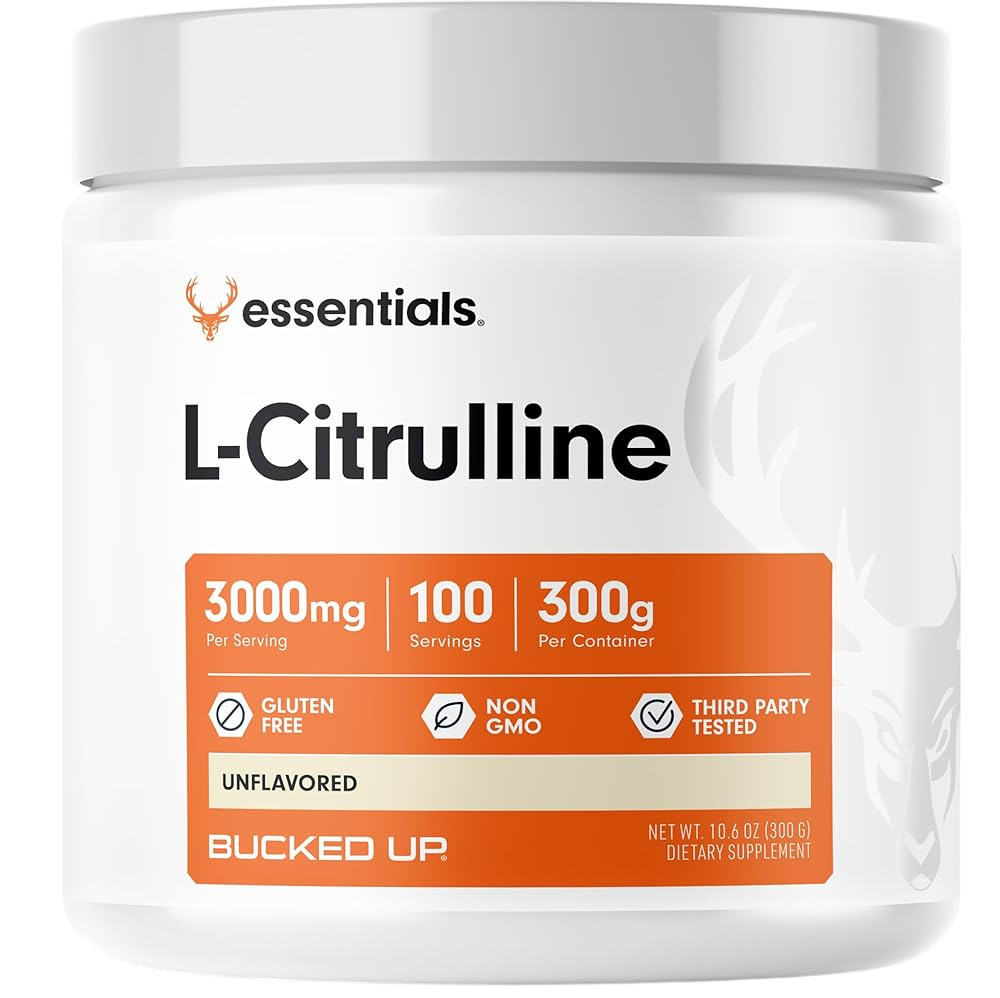
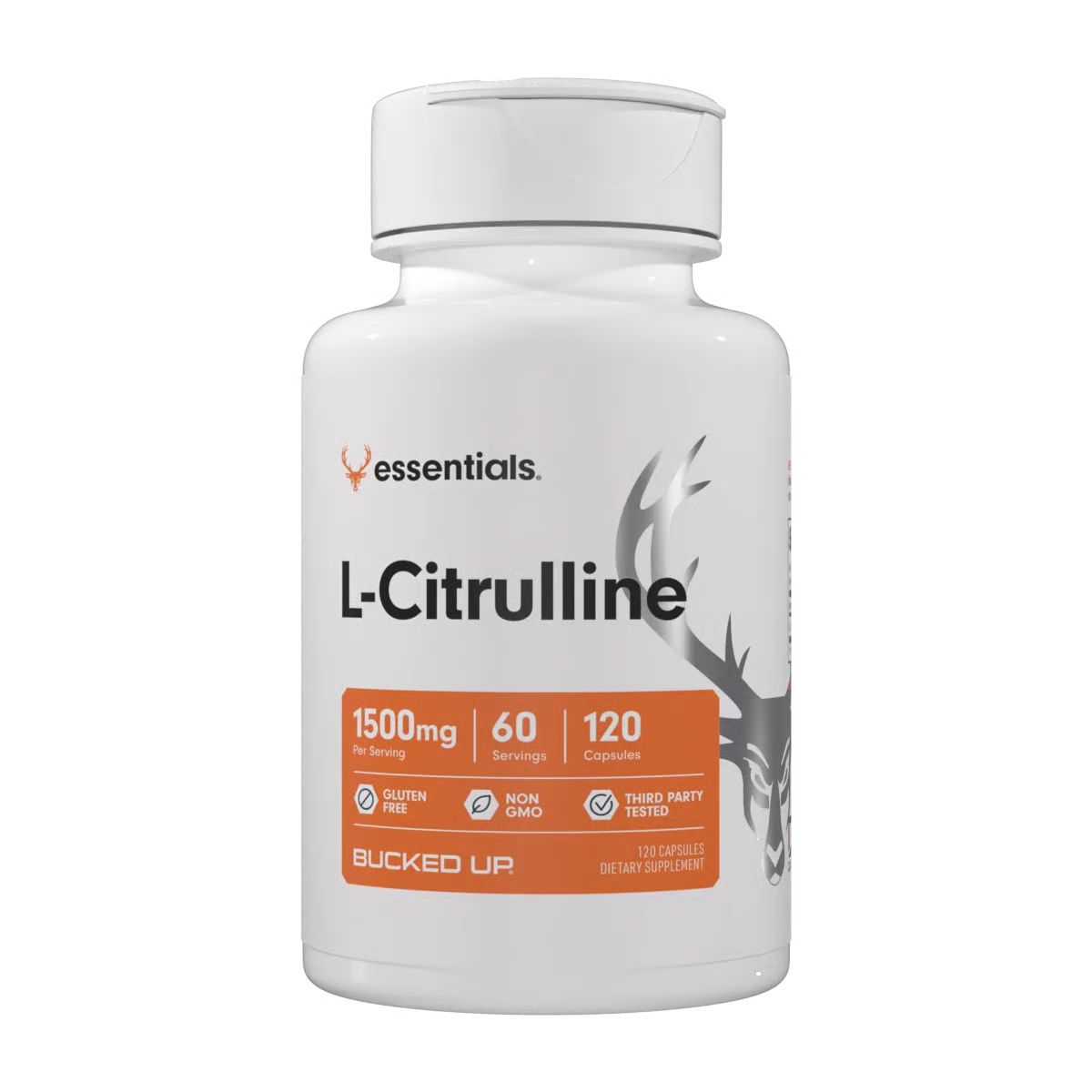
Bucked Up uses science-backed ingredients, including citrulline malate and Pure L-Citrulline. Start with our pharmaceutical-grade L-Citrulline to experience the bioavailability advantage described here.
Optimal Dosages and Timing for Nitric Oxide Support
Dialing in dose and timing for each amino acid helps you get the most nitric oxide support from your stack.
L-Citrulline: Most protocols use 6–8 grams per day of pure L-Citrulline or about 8 grams per day of citrulline malate (2:1 ratio) before training to support nitric oxide, pumps, and endurance.1 Take it 30–60 minutes before exercise for acute performance benefits.
L-Arginine: Many users take 3–6 grams per day, with some goals requiring higher intake for noticeable effects. Pre-workout timing 30–60 minutes before training keeps it consistent with L-Citrulline schedules and lines up peak blood levels with your session.
Consistent intake matters more than a single pre-workout serving for long-term vascular changes. Clinical data suggest that many of L-Citrulline’s vascular benefits appear after repeated daily dosing rather than one-off use.
Safety, Side Effects, and Product Quality
L-Citrulline shows a strong safety profile at commonly used doses. Healthy adults generally tolerate 3–6 grams per day of L-Citrulline well. Very high single doses above 10 grams can occasionally cause mild gastrointestinal discomfort.
Anyone with low blood pressure should be cautious, because nitric oxide support can further lower blood pressure through vasodilation. People using antihypertensive medications, nitrates, or PDE5 inhibitors should talk with a healthcare professional before adding nitric oxide–supporting supplements due to possible additive effects.
L-Arginine carries a higher risk of gastrointestinal side effects at doses that meaningfully affect nitric oxide,1 so many athletes favor L-Citrulline instead. When choosing any amino acid product, look for manufacturers that follow good manufacturing practices to support purity and accurate dosing; Bucked Up products are produced in GMP-certified facilities to meet these quality standards.
Frequently Asked Questions
Which amino acids most effectively support nitric oxide?
L-Citrulline ranks highly for nitric oxide support, followed by L-Arginine, L-Ornithine, L-Norvaline, and agmatine sulfate.1 L-Citrulline’s bioavailability and ability to bypass first-pass metabolism make it roughly twice as effective as L-Arginine for raising plasma arginine levels and downstream nitric oxide production.
What is an effective citrulline malate dose for muscle pumps?
Most lifters use 6–8 grams of citrulline malate 30–60 minutes before training. That amount provides about 3.4–4.5 grams of pure L-Citrulline, which research links to better performance, more repetitions to failure, and less soreness.1 Daily use for 7–14 days appears to support fuller vascular adaptations.
How does L-Citrulline compare with L-Arginine for nitric oxide?
L-Citrulline generally provides stronger practical support than L-Arginine because it absorbs better and sustains plasma arginine more effectively.1 L-Arginine breaks down heavily in the gut and liver, while L-Citrulline bypasses this first-pass metabolism and converts in the kidneys to L-Arginine. This pattern produces larger and longer-lasting increases in plasma arginine at comparable doses.
What Bucked Up products support nitric oxide?
Bucked Up offers several nitric oxide–supporting options.1 The foundational Bucked Up Pre-Workout supplies 6,000 mg of citrulline malate (2:1 ratio). Mother Bucker includes 4,000 mg of Pure L-Citrulline plus Nitrosigine for more advanced pump support. Pure L-Citrulline powder gives you flexible standalone dosing for custom stacks. For flexible standalone dosing, explore our Pure L-Citrulline powder. If you want an all-in-one formula with 6,000 mg citrulline malate, check out the foundational Bucked Up Pre-Workout. Advanced users who want a combination of pure L-Citrulline and Nitrosigine can try Mother Bucker.
When should I take amino acids for nitric oxide support?
Most people take L-Citrulline or citrulline malate 30–60 minutes before training for immediate performance benefits. For longer-term vascular support, daily use works better than relying only on pre-workout servings. Splitting doses between morning and evening on an empty stomach can support absorption, with noticeable benefits often appearing after several days to a few weeks of consistent intake.
L-Citrulline offers strong bioavailability, sustained plasma arginine elevation, and documented performance benefits compared with traditional L-Arginine use. Research suggests that athletes who want dependable pumps, better endurance, and improved recovery can benefit from L-Citrulline–based supplements.1 Ready to experience the superior bioavailability and sustained plasma arginine elevation that research highlights?1 Get Bucked Up’s Pure L-Citrulline and put the science to work in your training.
1 The content provided in this article is for informational purposes only and is not medical advice. Consult with a medical professional before implementing any changes to your diet, health, or exercise routines.
Individual results will vary and are based on a combination of each individual’s diet, exercise, age, and health circumstances.
These statements have not been evaluated by the Food and Drug Administration. This product is not intended to diagnose, treat, cure or prevent any disease.
This article was written by Ryan Gardner, CEO of Bucked Up. As the maker of Bucked Up Protein Soda, we have a financial interest in this information. The views expressed are our own and should be read with that context in mind.