Last updated: April 22, 2026
Key Takeaways
- Amino acids like BCAAs, EAAs, L-Citrulline, and L-Glutamine support muscle recovery, protein synthesis, and performance through distinct mechanisms.1
- Bucked Up uses transparent 6g Citrulline Malate dosing and advanced stacks like Mother Bucker to support nitric oxide production and absorption.1
- EAAs support muscle building more completely than BCAAs because they provide all 9 essential amino acids needed for full protein synthesis.1
- L-Citrulline works well pre-workout at 3-6g pure or 6-8g malate, supporting reps, soreness reduction, and ammonia clearance.1
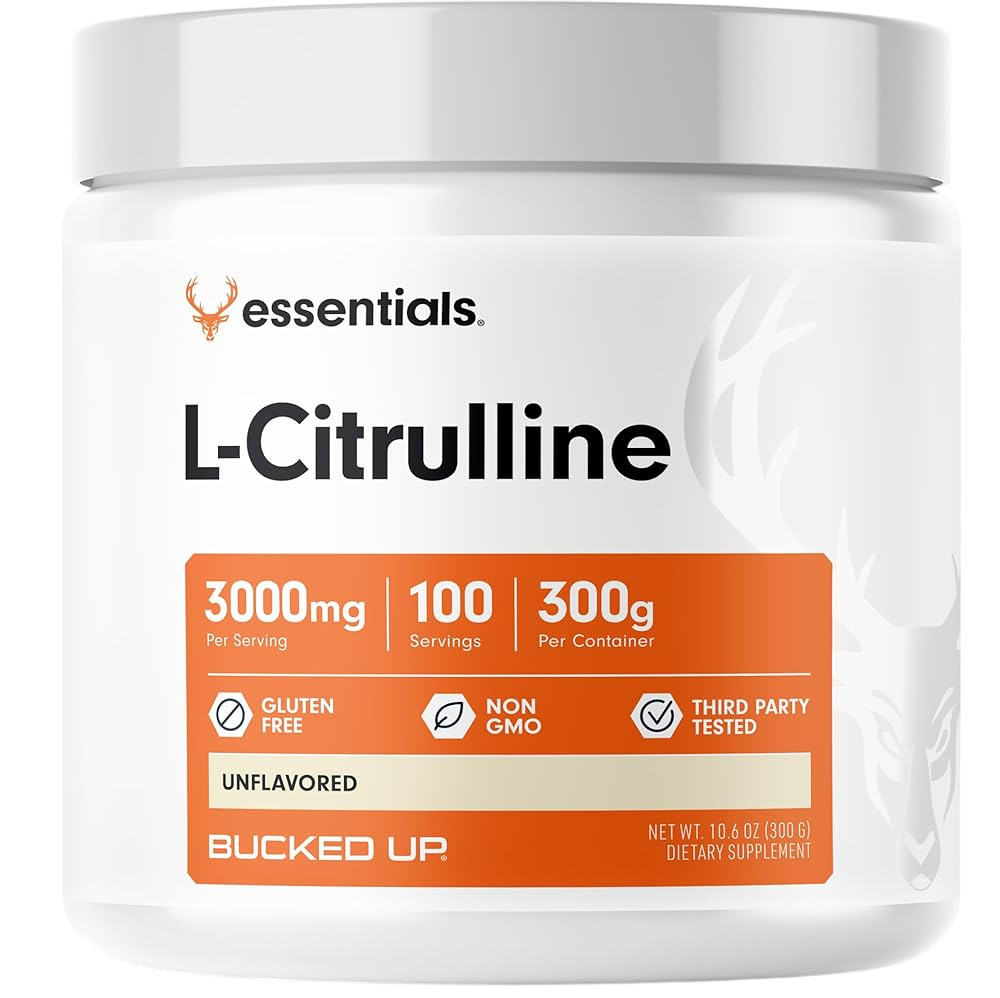
- For targeted results, stack L-Citrulline pre-workout with EAAs post-exercise, and consider Bucked Up’s pure L-Citrulline powder as a pre-workout base.
Key Amino Acids for Recovery and Performance
Different amino acids target specific aspects of muscle recovery and exercise performance.1 The table below compares four primary amino acids used in recovery supplements, showing how each supports performance, typical effective doses, and common formats.
| Amino Acid | Primary Benefits | Evidence-Based Dosage | Available Forms |
|---|---|---|---|
| BCAAs (Leucine, Isoleucine, Valine) | Reduce fatigue and limit muscle breakdown during exercise1 | 5-10g per serving | Powder, capsules |
| Essential Amino Acids (EAAs) | Complete protein synthesis support with all 9 essential amino acids1 | 8-12g per serving | Powder, capsules |
| L-Citrulline | Enhances nitric oxide production, reduces fatigue via urea cycle support1 | 6-8g Citrulline Malate or 3-6g Pure L-Citrulline | Powder, capsules |
| L-Glutamine | Supports muscle repair during proliferation phase1 | up to 30g daily (established safe level) | Powder, capsules |
Among these amino acids, L-Citrulline deserves special attention for its unique absorption advantage. L-Citrulline demonstrates superior pharmacokinetics compared to direct L-Arginine supplementation. The amino acid bypasses liver metabolism and converts to L-Arginine in the kidneys, which supports more sustained nitric oxide production for exercise performance.1
Our Top 8 Ranked Amino Acid Supplements
These eight supplements are ranked based on three main factors. Each product is evaluated for transparent ingredient dosing, alignment with research-backed effective doses, and use of features that can support absorption or complementary mechanisms. Products that meet more of these criteria appear higher on the list.
#1: Bucked Up Pre-Workout and Mother Bucker
Bucked Up’s pre-workout formulations feature transparent L-Citrulline dosing with absorption support.1 The standard Pre-Workout contains 6,000mg Citrulline Malate (2:1 ratio), providing approximately 3,400mg of pure L-Citrulline alongside malic acid for Krebs cycle support.1 This dosage aligns with research showing significant performance improvements with 8g Citrulline Malate supplementation.1
Mother Bucker represents advanced amino acid stacking, combining 4,000mg pure L-Citrulline with Nitrosigine and Hydroprime Glycerol to target multiple pathways simultaneously. By supporting nitric oxide production through L-Citrulline and Nitrosigine and cellular hydration through glycerol, this formulation approaches muscle volumization and nutrient delivery through complementary mechanisms.1 The inclusion of AstraGin in both products further supports these effects by helping L-Citrulline absorption at the intestinal level1, which addresses common bioavailability limitations seen with standalone amino acid supplements.
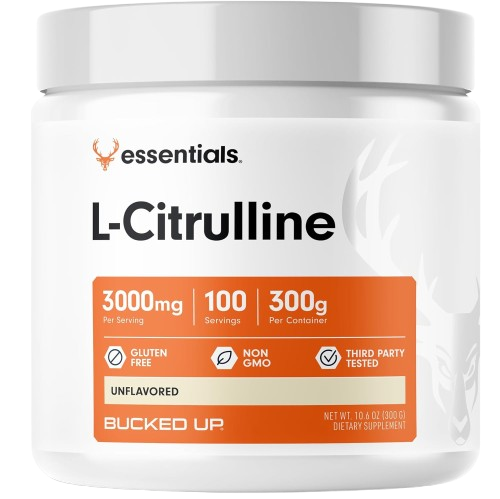
For athletes weighing 150-250 lbs, a practical approach is taking these products 30-60 minutes before training to support nitric oxide availability during exercise.1 Get Bucked Up’s pure L-Citrulline powder if you prefer to customize your own pre-workout dosing.
#2: Thorne Amino Complex
Thorne’s Essential Amino Acid formula provides all nine essential amino acids in research-supported ratios. The NSF-certified manufacturing supports consistent quality and purity standards, which appeals to athletes who undergo testing.
#3: Xtend Original BCAA
Xtend delivers 7g of BCAAs in the established 2:1:1 ratio (leucine:isoleucine:valine) with added electrolytes for hydration support. BCAAs are rapidly metabolized in muscle tissue to provide quick energy and reduce fatigue1, so this option fits well as an intra-workout drink.
#4: Kaged Glutamine
Kaged’s L-Glutamine powder provides 5g per serving for post-workout recovery support.1 Dr. Andy Galpin recommends 10g morning and 10g evening (20g total daily) for muscle recovery1, so users may need multiple servings to reach those intake levels.
#5: Optimum Nutrition Amino Energy
This combination product includes amino acids with caffeine for pre-workout energy. The amino acid content is moderate, which suits athletes who want light recovery support paired with a stimulant effect.1
#6: Transparent Labs EAA
Transparent Labs provides comprehensive essential amino acid coverage with clear labeling. The formulation includes all nine EAAs in ratios designed to support muscle protein synthesis1, though it does not include specialized absorption enhancers used in some premium blends.
#7: Transparent Labs BCAA
This product offers a straightforward BCAA supplement with 8g per serving in the traditional 2:1:1 ratio. It provides a focused option for athletes who want BCAA support without additional active ingredients.
#8: Dymatize All9 Amino
Dymatize’s essential amino acid formula provides complete EAA coverage in capsule form. Reaching effective doses requires multiple capsules, which some users may find less convenient than powder-based options.
BCAA vs EAA vs L-Citrulline: Matching Aminos to Your Goal
The most useful amino acid type depends on your training goal and recovery needs. Research by Wolfe (2017) concluded that BCAAs alone cannot promote muscle protein synthesis because all 9 essential amino acids are needed to build complete muscle proteins.1
The table below summarizes how BCAAs, EAAs, and L-Citrulline differ in mechanism, best use case, and timing so you can match each option to your plan.
| Supplement Type | Primary Mechanism | Best Use Case | Timing |
|---|---|---|---|
| BCAAs | Rapid muscle energy, fatigue reduction | Intra-workout support | During exercise |
| EAAs | Complete protein synthesis | Post-workout recovery | Within 2 hours post-exercise |
| L-Citrulline | Nitric oxide production, ammonia detoxification | Pre-workout performance | 30-60 minutes pre-exercise |
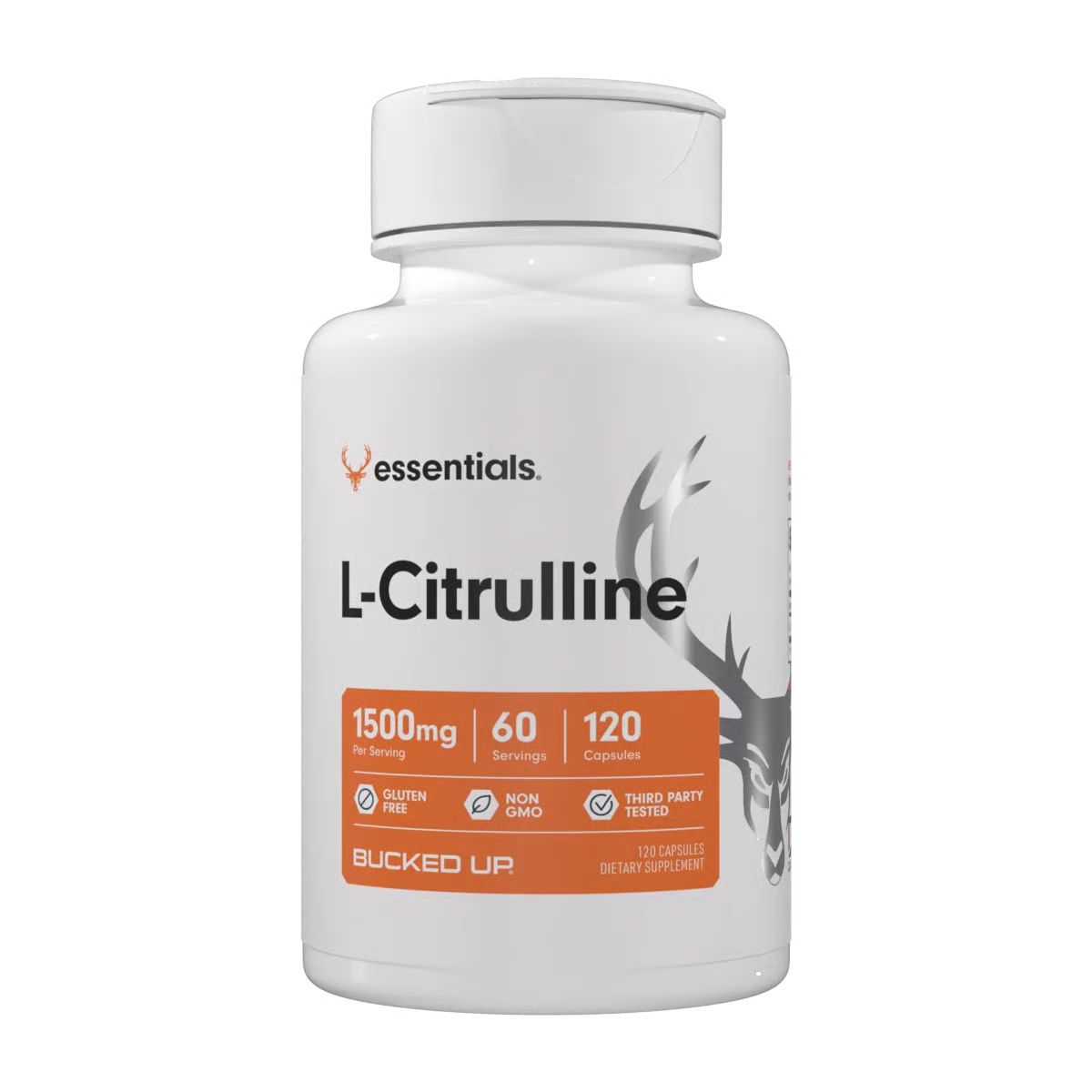
Advanced athletes often benefit from stacking approaches, using L-Citrulline pre-workout and EAAs post-exercise for broader support.1 Start your stack with Bucked Up’s L-Citrulline to support pre-workout nitric oxide production.
How to Use Amino Supplements Safely
Once you choose an amino acid strategy, safe dosing helps you gain benefits while limiting side effects. Amino acid supplements show strong safety profiles when used within established dosage ranges. L-glutamine has an established safe level of up to 30g daily, and L-Citrulline is generally well-tolerated at doses up to 10g daily.
Several practical safety points apply to most users. Individuals with low blood pressure should talk with a healthcare provider before using L-Citrulline because of its vasodilatory effects.1 Gastrointestinal discomfort can appear with very high single doses above 10g of L-Citrulline, so splitting intake into smaller servings can help.1 Starting with lower doses and increasing gradually allows you to gauge personal tolerance before moving toward higher targets.
Frequently Asked Questions
What is the best amino acid for muscle recovery?
L-Citrulline supports muscle recovery through a dual mechanism. It enhances nitric oxide production for nutrient delivery and supports ammonia detoxification through the urea cycle. Research demonstrates that 8g of Citrulline Malate can increase repetitions to failure by up to 53% and reduce delayed onset muscle soreness by 40%.1 For broader recovery, combining L-Citrulline with essential amino acids adds complete protein synthesis support alongside these performance benefits.
Is BCAA or EAA better for muscle building?
Essential amino acids (EAAs) support muscle building more completely because they provide all nine amino acids required for full protein synthesis.1 BCAAs contain only three amino acids, which can trigger muscle protein synthesis initially but cannot sustain it without the remaining six essential amino acids. Research indicates that BCAA supplementation alone may reduce net muscle protein synthesis by activating synthetic machinery that then draws missing amino acids from existing muscle tissue.
Do amino acids help rebuild muscle after workouts?
Amino acids play a central role in rebuilding muscle after exercise.1 Essential amino acids supply the building blocks for new muscle protein synthesis, while specific amino acids like glutamine support the proliferation phase of muscle repair by providing nitrogen for DNA synthesis. L-Citrulline contributes indirectly by supporting nutrient delivery to recovering muscles and reducing exercise-induced ammonia accumulation that can interfere with recovery.1
When should I take amino acids for best performance results?
Timing varies by amino acid and goal. L-Citrulline works best about 60 minutes before exercise to support nitric oxide availability during training.1 BCAAs fit well during exercise to provide immediate energy and help reduce fatigue.1 Essential amino acids are most effective within 2 hours after exercise, when muscle protein synthesis rates stay elevated. Glutamine can be split into morning and evening servings to support recovery across the day.
Can amino acid supplements be stacked with pre-workouts?
Amino acid supplements can be stacked with pre-workouts, and many premium formulations already include amino profiles. Bucked Up’s pre-workout products follow this approach by combining L-Citrulline with performance ingredients such as caffeine and beta-alanine. When stacking separate products, track total amino acid intake, stay within safe ranges, and space doses to reduce the chance of gastrointestinal discomfort from large single servings.
Are amino acid supplements safe for daily use?
Amino acid supplements are generally safe for daily use when you follow established dosage guidelines. L-Citrulline, BCAAs, and EAAs show favorable safety profiles with minimal side effects at recommended doses.1 People with kidney disorders, low blood pressure, or those taking medications should consult a healthcare provider before starting supplementation. Beginning with lower doses and increasing slowly helps you assess individual tolerance before moving to higher daily amounts.
Conclusion
Amino acid supplements for muscle recovery and performance in 2026 focus on transparent dosing, research-aligned formulations, and support for absorption. L-Citrulline offers a notable combination of performance enhancement and recovery support through nitric oxide and ammonia pathways.1 Bucked Up’s emphasis on clear L-Citrulline dosing and inclusion of absorption-support ingredients can position these formulations as strong options for athletes who want measurable, research-aligned outcomes from their supplementation plan.1
1 The content provided in this article is for informational purposes only and is not medical advice. Consult with a medical professional before implementing any changes to your diet, health, or exercise routines.
Individual results will vary and are based on a combination of each individual’s diet, exercise, age, and health circumstances.
These statements have not been evaluated by the Food and Drug Administration. This product is not intended to diagnose, treat, cure or prevent any disease.
This article was written by Ryan Gardner, CEO of Bucked Up. As the maker of Bucked Up Protein Soda, we have a financial interest in this information. The views expressed are our own and should be read with that context in mind.