Last updated: April 22, 2026
Key Takeaways
- Leucine acts as the primary activator of mTORC1, which drives muscle protein synthesis and supports strength gains.1
- L-Citrulline supports endurance, muscle pumps, and recovery through sustained nitric oxide production, and can outperform arginine for these goals.1
- EAAs supply complete muscle building support and can outperform BCAAs for sustained muscle protein synthesis.1
- Beta-alanine helps buffer lactic acid so you can extend high-intensity training and delay fatigue.1
- Optimize your stack with Bucked Up’s L-Citrulline for science-backed performance support and stronger training sessions.1
Top 6 Amino Acids for Strength Training Performance Ranked
1. Leucine – Leucine directly activates the mTORC1 signaling pathway, which triggers muscle protein synthesis more effectively than many other amino acids.1 Aguilera et al. (2025) found that dileucine-supplemented essential amino acids produced greater muscle protein synthesis stimulation compared to standard amino acid formulations. Leucine activates the cellular machinery that builds new muscle tissue, so it plays a central role in strength gains.1
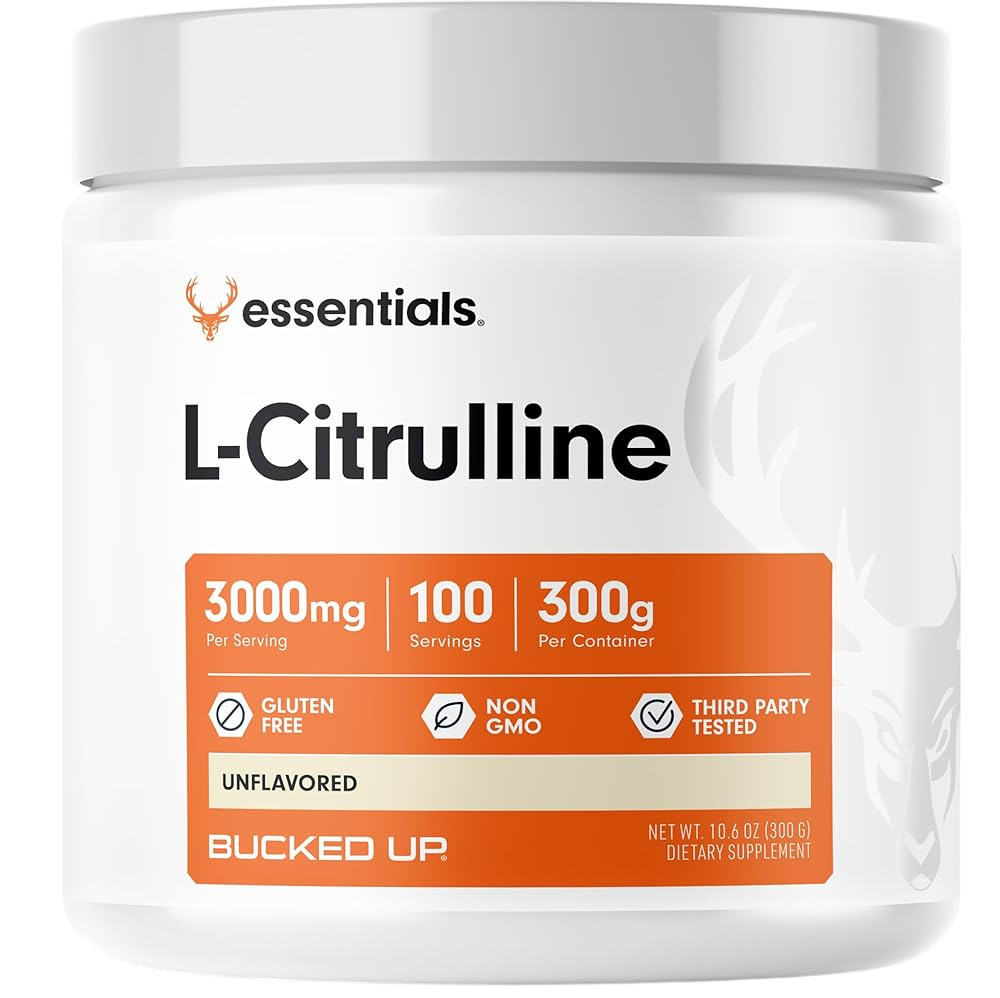
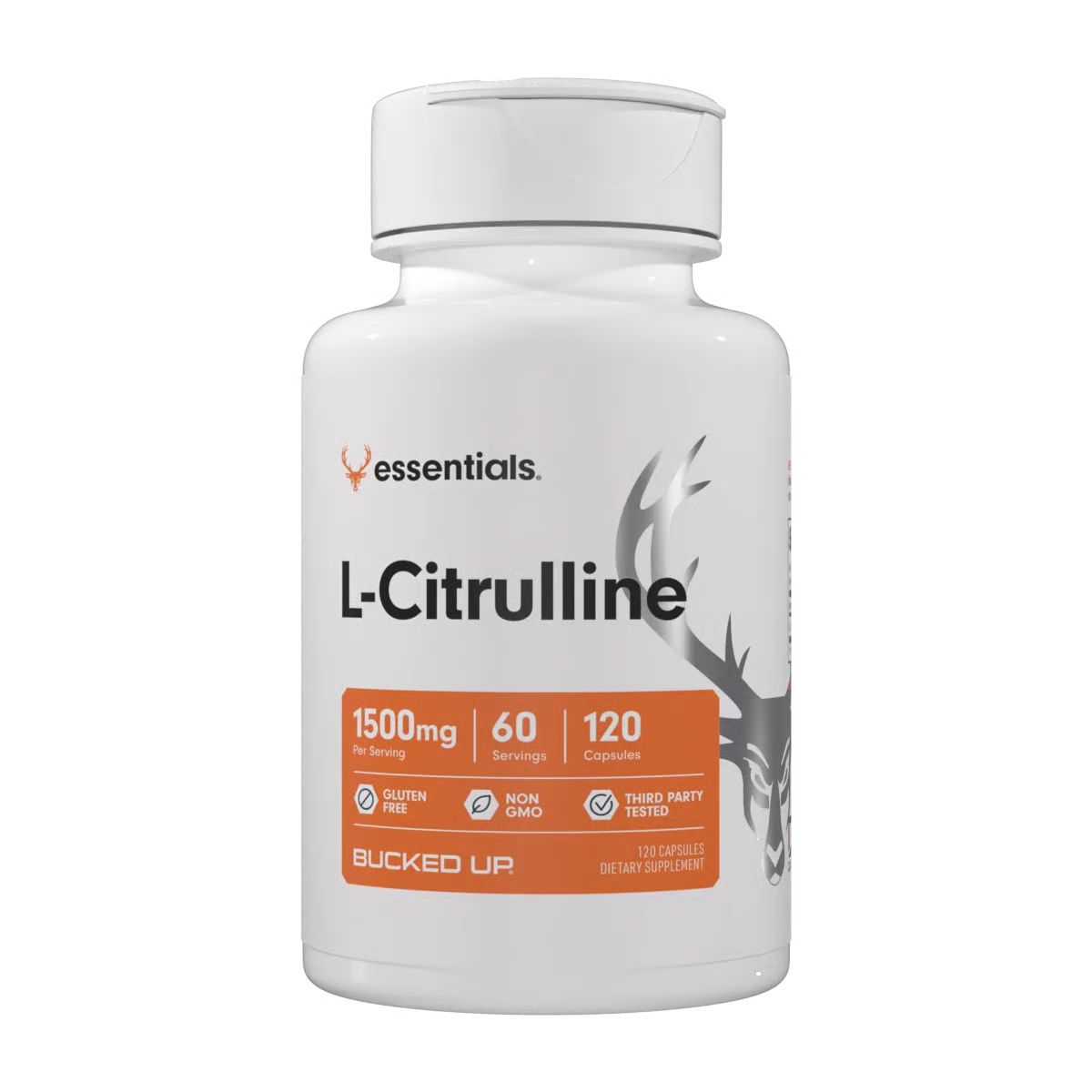
2. L-Citrulline – L-Citrulline functions as a nitric oxide precursor that bypasses liver degradation and supports workout performance.1 Lin et al.’s 2025 research highlights L-citrulline’s synergistic effects with leucine, yielding enhancements in muscle mass and physical performance.1 Unlike arginine, L-Citrulline converts to arginine in the kidneys, which supports sustained nitric oxide production for improved endurance and muscle pumps.1 Explore Bucked Up’s Citrulline Malate and Pure L-Citrulline options to experience these performance benefits in your own training.1
3. Essential Amino Acids (EAAs) – The full spectrum of nine essential amino acids supports sustained muscle protein synthesis.1 Jackman et al.’s 2023 update confirmed that EAAs consistently outperform isolated amino acids for muscle building. EAAs supply all the building blocks required for complete muscle repair and growth, which supports long-term strength progress.1
4. Branched-Chain Amino Acids (BCAAs) – Leucine, isoleucine, and valine work together to help reduce muscle breakdown during training.1 While BCAAs can transiently stimulate muscle protein synthesis, the effect is consistently less than complete protein sources. BCAAs work well for intra-workout support and muscle preservation during calorie deficits.1
5. Beta-Alanine – Beta-alanine helps buffer lactic acid accumulation so you can extend training capacity.1 It increases muscle carnosine levels, which allows more repetitions before fatigue sets in.1 This amino acid particularly benefits high-intensity, repeated-effort training such as heavy sets, sprints, or circuits.
6. Glutamine – Glutamine supports recovery and immune function during intense training periods.1 It does not directly initiate muscle protein synthesis, yet it can help you maintain training consistency by supporting recovery between sessions.
EAAs, BCAAs, and L-Citrulline: How They Compare for Muscle Growth
The following table compares EAAs, BCAAs, and L-Citrulline for strength training, so you can see how each supports muscle growth, recovery, and performance from a different angle.
| Amino Acid Type | Primary Benefits | Optimal Dosage | Best Timing |
|---|---|---|---|
| Essential Amino Acids (EAAs) | Sustained muscle protein synthesis, complete muscle building support1 | Consider 10-15g per serving based on individual needs and product labels | 15-30 minutes pre-workout |
| Branched-Chain Amino Acids (BCAAs) | Reduced fatigue, muscle preservation during deficits1 | Consider 5-10g per serving based on individual needs and product labels | During workout or between meals |
| L-Citrulline | Enhanced endurance, improved muscle pumps, reduced soreness1 | Check product labels for Citrulline Malate or Pure L-Citrulline dosing | 30-60 minutes pre-workout |
Aguilera et al. (2025) demonstrated that EAAs containing adequate leucine content support greater whole-body anabolism compared to isolated amino acid approaches. For individuals with low protein intake, EAAs provide the complete amino acid profile necessary for effective muscle protein synthesis. Understanding how these amino acid types differ sets the stage for dialing in how much to take and when to take each one.
Optimal Dosing and Timing for Strength Gains
Dialed-in dosing and timing help amino acid supplements support strength gains more effectively.1 Wilkinson et al. (2018) found that maximal muscle protein synthesis stimulation occurs around 15-18g of EAAs per serving, while smaller doses of 3-6g can still provide meaningful benefits. Always check product labels for specific dosing guidance and adjust based on your body weight and training demands.
For strength-focused training, consider 6-8g of Citrulline Malate 30-60 minutes before lifting to support endurance and muscle pumps.1 If your primary goal is muscle building rather than pump enhancement, free-form EAAs at 10-15g around training can stimulate muscle protein synthesis more directly, particularly during calorie deficits.1 For those who want sustained nitric oxide support throughout the day instead of only a pre-workout effect, Pure L-Citrulline at 3-6g daily offers a lower-dose alternative to Citrulline Malate. Always follow product label instructions.
Fasted training sessions often benefit from pre-workout amino acid supplementation. Moberg et al. (2020) found that pre-exercise EAA consumption leads to a greater anabolic response compared to post-exercise timing. This approach helps ensure amino acids are available when muscle protein synthesis machinery activates during training.
Why L-Citrulline Can Stand Out for Workouts
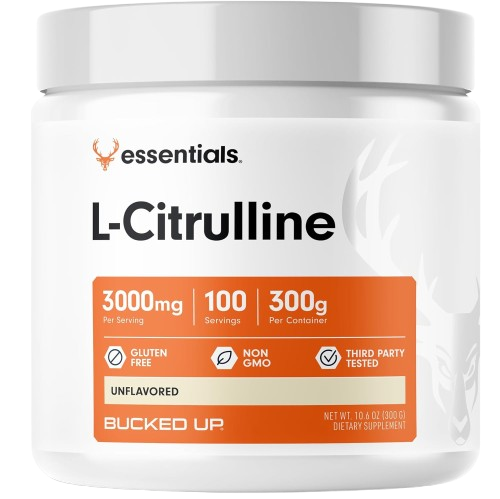
L-Citrulline’s metabolic pathway gives it a distinct role among performance amino acids. Unlike arginine, which faces significant liver degradation, L-Citrulline bypasses first-pass metabolism and converts to arginine in the kidneys. This process supports sustained nitric oxide production for enhanced muscle pumps and endurance.1
Beyond nitric oxide production, the amino acid also supports the urea cycle, which helps detoxify ammonia that accumulates during intense training. Research shows that L-citrulline supplementation can reduce delayed onset muscle soreness by up to 40%1, which can support more consistent training frequency.
When combined with malic acid as Citrulline Malate, the supplement also supports energy metabolism through the Krebs cycle.1 This dual mechanism addresses immediate performance needs and recovery support, so L-Citrulline can be particularly valuable for strength athletes who want comprehensive workout support.
Frequently Asked Questions
What are the best amino acids for weight lifting?
L-Citrulline and leucine create a strong foundation for effective amino acid supplementation for weight lifting. L-Citrulline supports endurance and muscle pumps through improved nitric oxide production, while leucine activates the muscle protein synthesis pathway that supports strength gains.1 Essential amino acids supply the complete building blocks for sustained muscle growth and can offer more complete support than isolated BCAAs.
When should I take EAAs for strength training?
Take EAAs 15-30 minutes before strength training for reliable results. This timing helps ensure amino acids are available in the bloodstream when exercise activates muscle protein synthesis machinery. For longer training sessions, sipping EAAs during the workout helps maintain amino acid availability. Post-workout EAA consumption, especially when combined with carbohydrates, further supports recovery and muscle building.
Do you need all 9 essential amino acids to build muscle?
All nine essential amino acids support optimal muscle protein synthesis. Leucine initiates the muscle building process, yet sustained protein synthesis requires the complete amino acid profile. BCAAs alone can decrease muscle protein synthesis by activating machinery that pulls other essential amino acids from existing muscle tissue. Complete EAA supplementation supplies all the building blocks required for new muscle growth.
Are amino acids safe for daily use?
Amino acids are generally considered safe for daily use at recommended dosages. L-Citrulline may cause mild gastrointestinal discomfort at very high doses above 10g1, while EAAs are often well-tolerated at 10-15g daily. Individuals with kidney disorders should consult healthcare providers before using high-dose amino acid supplements. Start with lower doses to assess individual tolerance.
How do amino acids compare to protein powder for strength training?
Amino acids provide faster absorption and more targeted effects compared to protein powder.1 Free-form amino acids require no digestion and rapidly increase blood amino acid levels, which makes them useful for pre-workout use. Protein powder provides sustained amino acid release and additional nutrients, so it often works better for post-workout recovery and meal replacement. Many athletes use both throughout the day to support comprehensive muscle building.
L-Citrulline can stand out as a key amino acid for strength training performance, with benefits for endurance, muscle pumps, and recovery.1 When you combine L-Citrulline with strategic EAA supplementation, these evidence-based nutrients can help you push through training plateaus and work toward new strength gains. Start your strength training upgrade with Bucked Up’s science-backed Citrulline Malate and Pure L-Citrulline supplements.
1 The content provided in this article is for informational purposes only and is not medical advice. Consult with a medical professional before implementing any changes to your diet, health, or exercise routines.
Individual results will vary and are based on a combination of each individual’s diet, exercise, age, and health circumstances.
These statements have not been evaluated by the Food and Drug Administration. This product is not intended to diagnose, treat, cure or prevent any disease.
This article was written by Ryan Gardner, CEO of Bucked Up. As the maker of Bucked Up Protein Soda, we have a financial interest in this information. The views expressed are our own and should be read with that context in mind.