Written by: Ryan Gardner, Owner, Managing Partner, CEO, Bucked Up
Key Takeaways
- Most lifters leave reps on the table when pre-workouts hide low citrulline doses in proprietary blends, even though around 6 g of citrulline malate (2:1) supports nitric oxide production and ammonia clearance for better volume and endurance.1
- This guide walks through a four-step plan covering dose, timing, stacking, and label-reading so you can build a clear protocol for strength gains.
- Taking citrulline 30–60 minutes before training and using transparent formulas that list exact citrulline content removes guesswork and helps you stay in the studied performance range.
- Track tolerance, consider absorption aids like Astragin, and stack with beta-alanine for complementary intracellular buffering and vasodilation support.
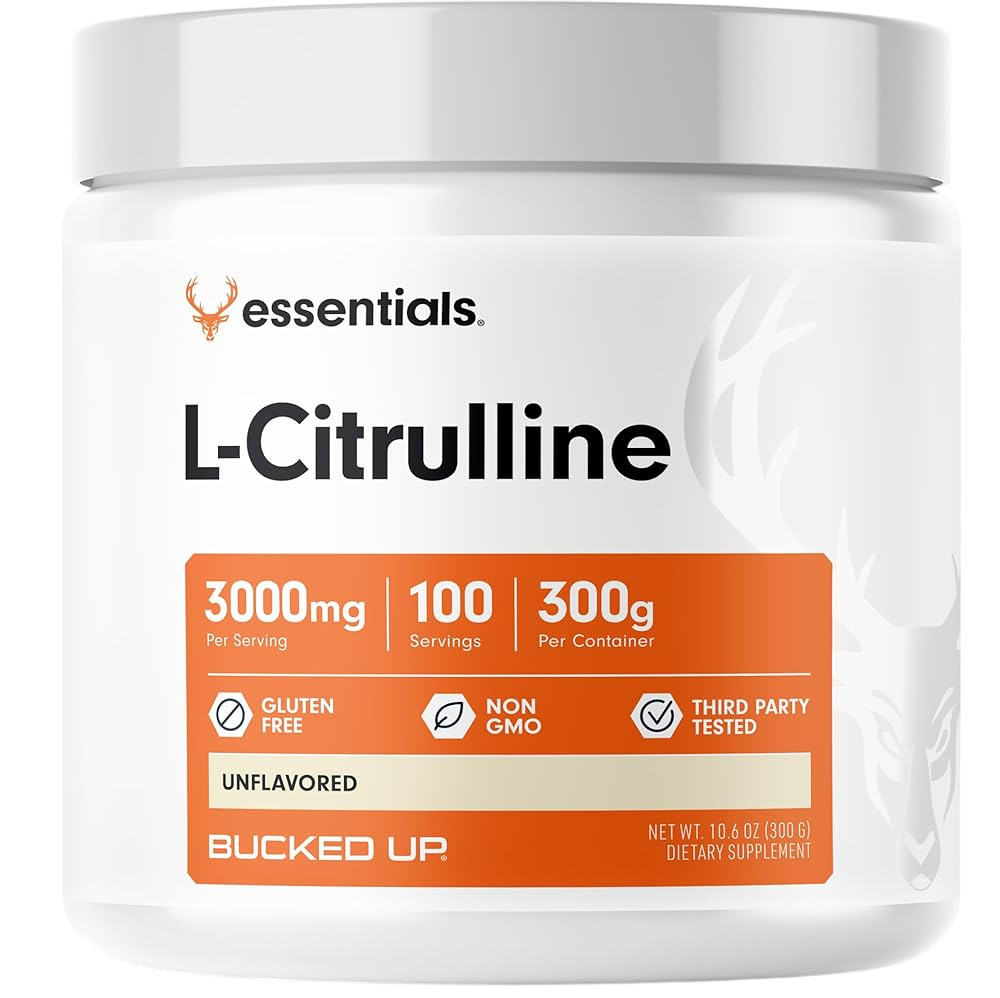
- Ready to hit a full 6 g serving? Grab Bucked Up L-Citrulline today and train stronger.
Why Dialing In Citrulline Malate Dose Changes Your Lifts
The studied 6 g range for repetition volume and endurance separates effective citrulline use from wasted scoops. L-Citrulline is a non-essential amino acid that bypasses first-pass metabolism in the gut and liver, then converts to L-Arginine in the kidneys to support nitric oxide synthesis.1 L-citrulline bypasses hepatic first-pass metabolism and arginase degradation in the gut and liver, raising plasma L-arginine levels more effectively than direct oral L-arginine supplementation.
Citrulline malate combines L-Citrulline with malic acid in a 2:1 ratio. Malic acid, the companion molecule in citrulline malate, is a Krebs cycle intermediate with a theoretical role in energy metabolism and lactate clearance during high-intensity exercise.1 This pairing supports both vasodilation and ammonia clearance during hard strength sessions.1
Regular gym-goers and intermediate-to-advanced trainees gain the most from clear dosing protocols.1 Bucked Up promotes a science-backed dosing of ingredients, including citrulline malate and pure L-Citrulline, so you can choose an L-Citrulline option that matches your training goals. This information supports general wellness and is not intended to diagnose, treat, cure, or prevent any disease. Consult your healthcare provider before beginning any supplement regimen.
Step 1: Match Citrulline to Your Training Goals and Current Stack
Start by looking at your training frequency, intensity, and current supplement routine before you set a citrulline malate dose. Beginners may notice effects at lower servings, while experienced lifters often need the full 6–8 g range to feel a clear difference.
Key variables include training volume per session, current pre-workout usage, and your tolerance to amino acid supplements. Based on these factors, those new to citrulline usually start with 3–4 g to assess tolerance, then move toward performance-focused doses.
Factor in workout timing and caffeine sensitivity, because citrulline malate pairs well with stimulants but also works on its own. To see whether citrulline actually helps your training, document baseline metrics like repetitions to failure and perceived exertion before you begin supplementation.
Step 2: Choose the Right Citrulline Form and Studied Dose
Most research supports 6–8 g of citrulline malate (2:1) or 3–6 g of pure L-Citrulline.1 A supplement label listing 6 g of citrulline malate (2:1) delivers approximately 3.4 g of actual L-citrulline, a distinction that matters when performance doses begin at 3–6 g of the pure amino acid.
Label details matter because products labeled “2:1 L-citrulline malate” show labeling ambiguity between molecular and weight ratios, with actual citrulline content varying across products. The 2:1 form discussed earlier does not always guarantee the same amount of usable citrulline.
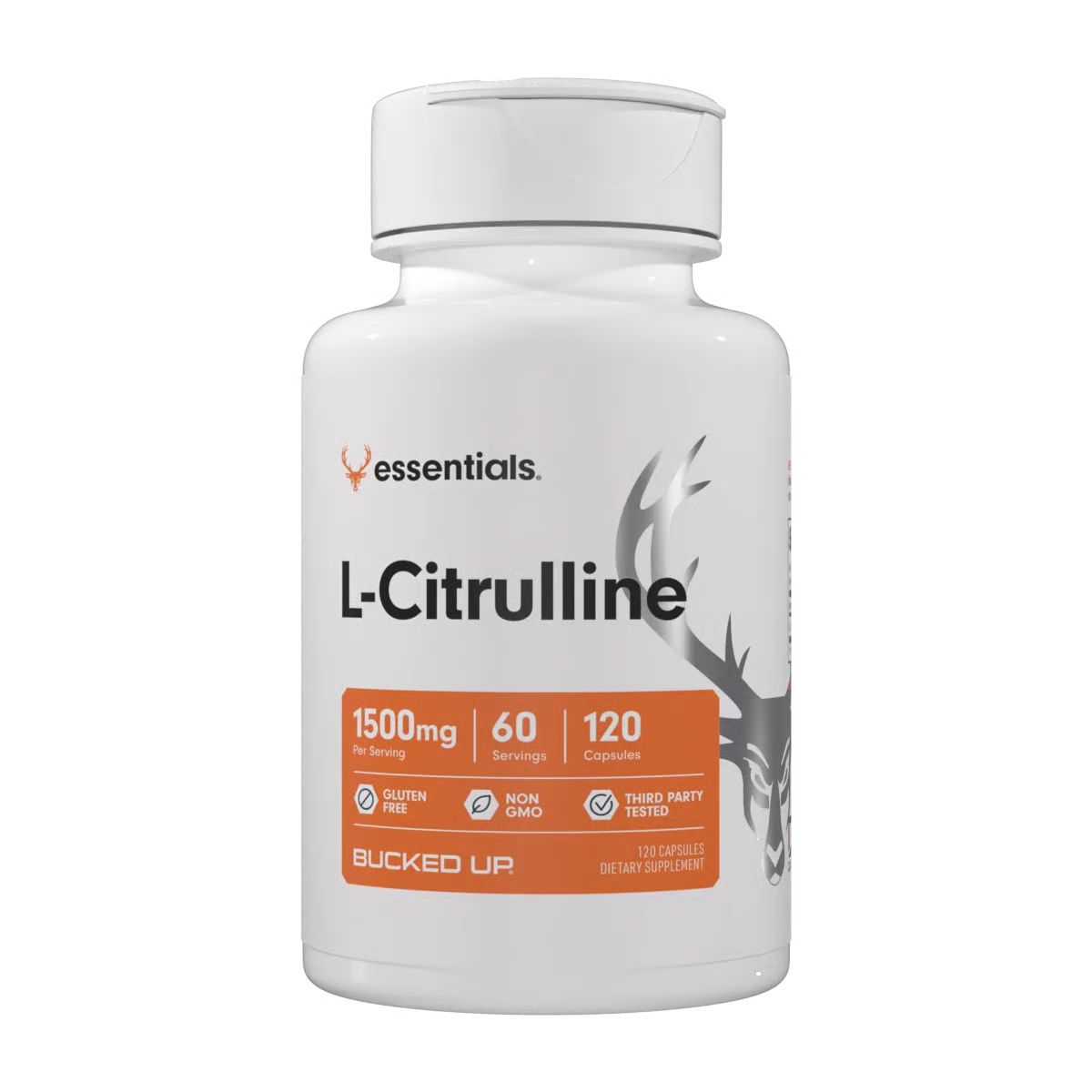
Transparent formulas that list exact citrulline amounts remove confusion and help you reach the studied dose range. Bucked Up’s L-Citrulline provides a clearly labeled serving with no proprietary blends, so you can see the full formula breakdown and dose with confidence.
Step 3: Time Your Citrulline Dose Before You Train
Most lifters get the best results when they take citrulline malate 30–60 minutes before training, which allows time for absorption and conversion to L-Arginine. Peak plasma levels usually appear within about 0.7 to 2 hours after ingestion, so a 45–60 minute window works well for strength sessions.
This timing keeps nitric oxide availability higher during your hardest sets, which supports acute performance.1 For morning workouts, take your serving as soon as you wake up with 8–12 ounces of water to support absorption.
Evening lifters can follow the same 30–60 minute window. Citrulline malate is non-stimulating, so taking it 3–4 hours before bedtime should not interfere with sleep for most people.
Step 4: Check Tolerance, Support Absorption, and Stack Smart
Track your tolerance during the first week and note any digestive changes or shifts in training performance. L-citrulline malate is more acidic than pure L-citrulline and is more likely to cause heartburn or exacerbate gastroesophageal reflux.
Absorption support becomes more relevant at higher doses. Ingredients like Astragin have been studied for their role in supporting citrulline bioavailability, which may increase the impact of each gram you take.1
Beyond absorption aids, stacking with beta-alanine can create complementary effects. Beta-alanine supplementation can act as an intracellular buffer that may help attenuate hydrogen ion accumulation and lactate buildup, providing a mechanistic complement to L-citrulline’s nitric oxide-mediated vasodilation.1
Key Citrulline Mistakes to Avoid
Your training goal should guide your citrulline malate dose. Strength-focused sessions often call for the full 6–8 g range, while endurance work can use the lower end effectively. However, even a solid dose will not help much if your timing is off.
Workout timing affects both absorption and effectiveness. Taking citrulline malate less than 30 minutes before training may not leave enough time for conversion to active metabolites.
Form confusion is another common pitfall. Many users assume all citrulline products are equivalent, but the 2:1 ratio discussed earlier means you only get a portion of the listed serving as actual citrulline, so you need to verify this on every label.
Serving size mistakes also happen when lifters ignore the malate portion of citrulline malate. Always check the actual L-Citrulline content when you compare products or adjust your dose.
How to Track Citrulline Results in the Gym
Objective markers include repetitions to failure across several sets, total training volume per session, and perceived exertion ratings. Track these numbers for 2–3 weeks to build a baseline before you add citrulline malate.
Subjective markers include muscle pump, training endurance, and how quickly you recover between sets. Changes in muscle cross-sectional area over time can act as an indirect sign of a stronger pump.
Most people notice effects within 3–7 days of consistent use. Keep citrulline malate as the only new variable during this period so you can link any performance changes to the supplement more accurately.
Advanced Citrulline Strategies for Experienced Lifters
Experienced lifters sometimes use pure L-Citrulline at 6–8 g and combine it with other nitric oxide precursors. This approach removes the malate component and increases citrulline content per serving.
Some advanced users also experiment with cycling, using citrulline malate for 8–12 weeks, then taking about 2 weeks off to maintain sensitivity. Many pair citrulline with other vasodilators to create a broader pump and blood-flow stack.
Moderation still matters, even at higher experience levels. Daily doses of citrulline have generally been safe and well-tolerated in clinical trials, but individual tolerance can vary, so adjust based on your response.
Frequently Asked Questions
What is the difference between L-Citrulline and citrulline malate for strength training?
L-Citrulline is the pure amino acid that supports nitric oxide production. Citrulline malate combines L-Citrulline with malic acid in a 2:1 ratio. The malate portion may support energy metabolism through the Krebs cycle, which can help during high-intensity strength training where both blood flow and energy production matter.
How long does it take to see results from citrulline malate supplementation?
Many users feel more pump and endurance within 3–7 days of consistent use at a studied 6 g serving.1 Acute blood-flow effects can appear within 30–60 minutes of taking citrulline, but steady performance changes usually require at least a week of regular intake.
Can I take citrulline malate on non-training days?
Yes, many people take citrulline malate daily to support cardiovascular function and maintain higher plasma arginine levels.1 A common approach uses 3–6 g on rest days to support recovery and keep levels consistent.
What should I avoid when taking citrulline malate?
Avoid combining citrulline malate with blood pressure medications without talking to your healthcare provider. The acidic nature of citrulline malate can worsen heartburn or gastroesophageal reflux in some people. Also avoid proprietary blends that hide actual citrulline content.
Is it better to take citrulline malate with or without food?
Citrulline malate works on an empty stomach for faster absorption or with a light meal to reduce digestive discomfort. Taking it 30–60 minutes before training on an empty stomach usually provides the most noticeable short-term effects on performance and pump.
Conclusion: Set Your Dose and Train With Confidence
This four-step framework for citrulline malate focuses on a studied 6 g range, smart timing, and consistent tracking of results. Knowing how the 2:1 ratio affects actual citrulline content removes much of the guesswork that holds lifters back.
Transparent, full-dose formulas that list exact ingredient amounts align more closely with the available evidence for serious lifters. Start with Bucked Up’s L-Citrulline to reach the performance threshold your training demands.
*This statement has not been evaluated by the Food and Drug Administration. This product is not intended to diagnose, treat, cure, or prevent any disease.
1 The content provided in this article is for informational purposes only and is not medical advice. Consult with a medical professional before implementing any changes to your diet, health, or exercise routines.
Individual results will vary and are based on a combination of each individual’s diet, exercise, age, and health circumstances.
These statements have not been evaluated by the Food and Drug Administration. This product is not intended to diagnose, treat, cure or prevent any disease.
This article was written by Ryan Gardner, CEO of Bucked Up. As the maker of Bucked Up Protein Soda, we have a financial interest in this information. The views expressed are our own and should be read with that context in mind.