Written by: Ryan Gardner, Owner, Managing Partner, CEO, Bucked Up
Key Takeaways: Citrulline Malate in Your Pre-Workout
- Citrulline malate can support workout performance and endurance by boosting nitric oxide and helping clear ammonia during training.1
- The compound combines L-citrulline with malic acid, usually in a 2:1 ratio, so only about two-thirds of the listed weight is actual L-citrulline.
- Effective dosing usually ranges from 6-8g of citrulline malate, which delivers roughly 3.4-4.5g of pure L-citrulline.
- Take citrulline malate about 60 minutes before exercise to allow absorption and conversion to arginine for peak nitric oxide support.
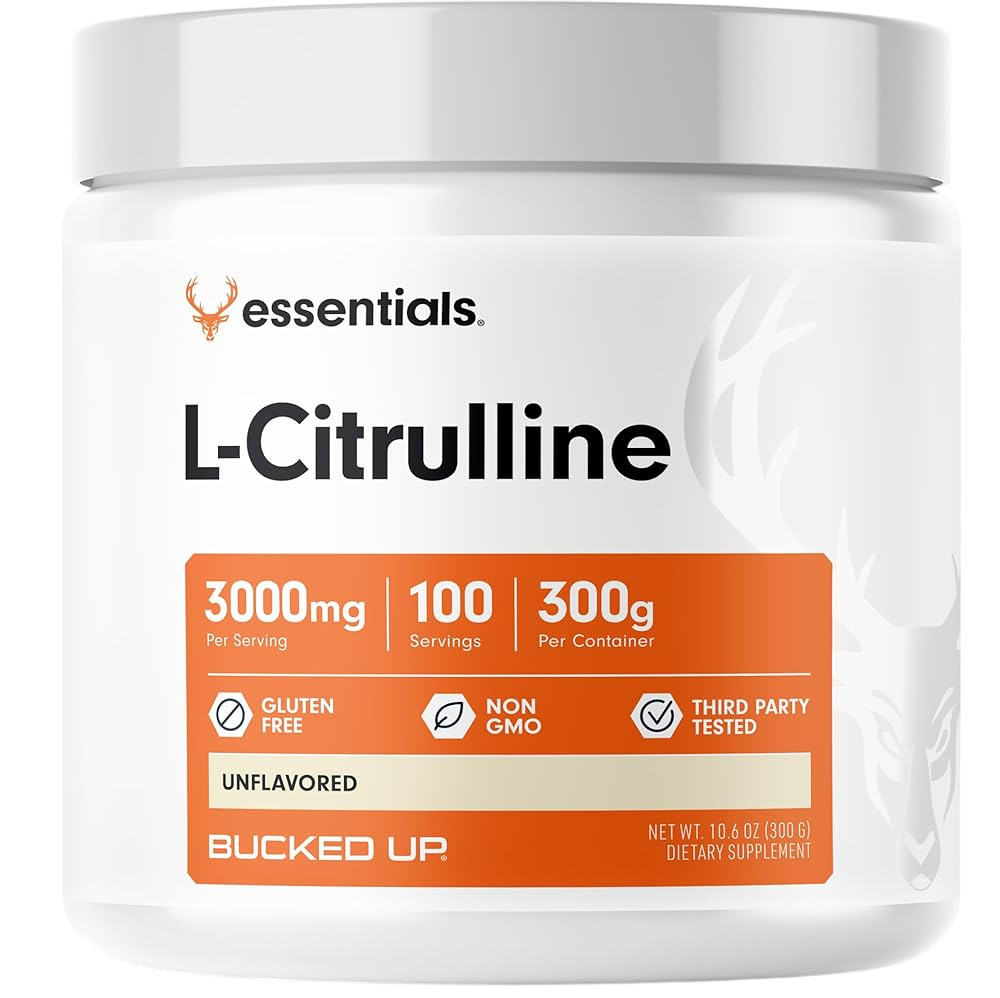
- For transparent, high-quality L-citrulline options, explore Bucked Up’s pure L-citrulline and citrulline malate products with fully disclosed dosing to support your training.
Citrulline Malate: What It Is and Why Lifters Use It
Citrulline malate is a combination of L-citrulline and malic acid that targets several aspects of exercise performance. L-citrulline bypasses first-pass metabolism in the gut and liver, then converts to arginine in the kidneys for more sustained nitric oxide support. The malic acid component acts as a Krebs cycle intermediate and may support energy production and ammonia clearance during intense training.1
Modern pre-workout formulas often feature citrulline malate as a clearly dosed alternative to proprietary blends. Many brands now disclose exact amounts so users can confirm they are getting research-supported levels of this ingredient.
How Citrulline Malate Works in Your Body
Citrulline malate supports exercise performance through two main pathways. First, the L-citrulline component converts to L-arginine in the kidneys, providing substrate for nitric oxide synthase enzymes that produce nitric oxide. This gaseous signaling molecule supports vasodilation, which can improve blood flow and nutrient delivery to working muscles.1
Second, the compound participates in the urea cycle, where it supports ammonia clearance from skeletal muscle. During intense exercise, protein metabolism and energy production generate ammonia as a byproduct, which can contribute to fatigue. By supporting this clearance process, citrulline malate may help buffer exercise-induced fatigue.1
Beyond citrulline’s dual role in nitric oxide production and ammonia clearance, the malic acid component adds a third mechanism through its role in the Krebs cycle. As an intermediate in aerobic energy production, malic acid may support ATP synthesis and phosphocreatine recovery.1 However, controlled studies have not shown that malate improves exercise performance beyond citrulline alone.
Forms of Citrulline Malate and What to Check on the Label
Citrulline malate appears in pre-workout supplements in several forms, each with its own labeling details. Powdered forms dominate the market and are often included in multi-ingredient pre-workout blends. Capsule forms allow precise dosing but usually require several capsules to reach effective amounts.
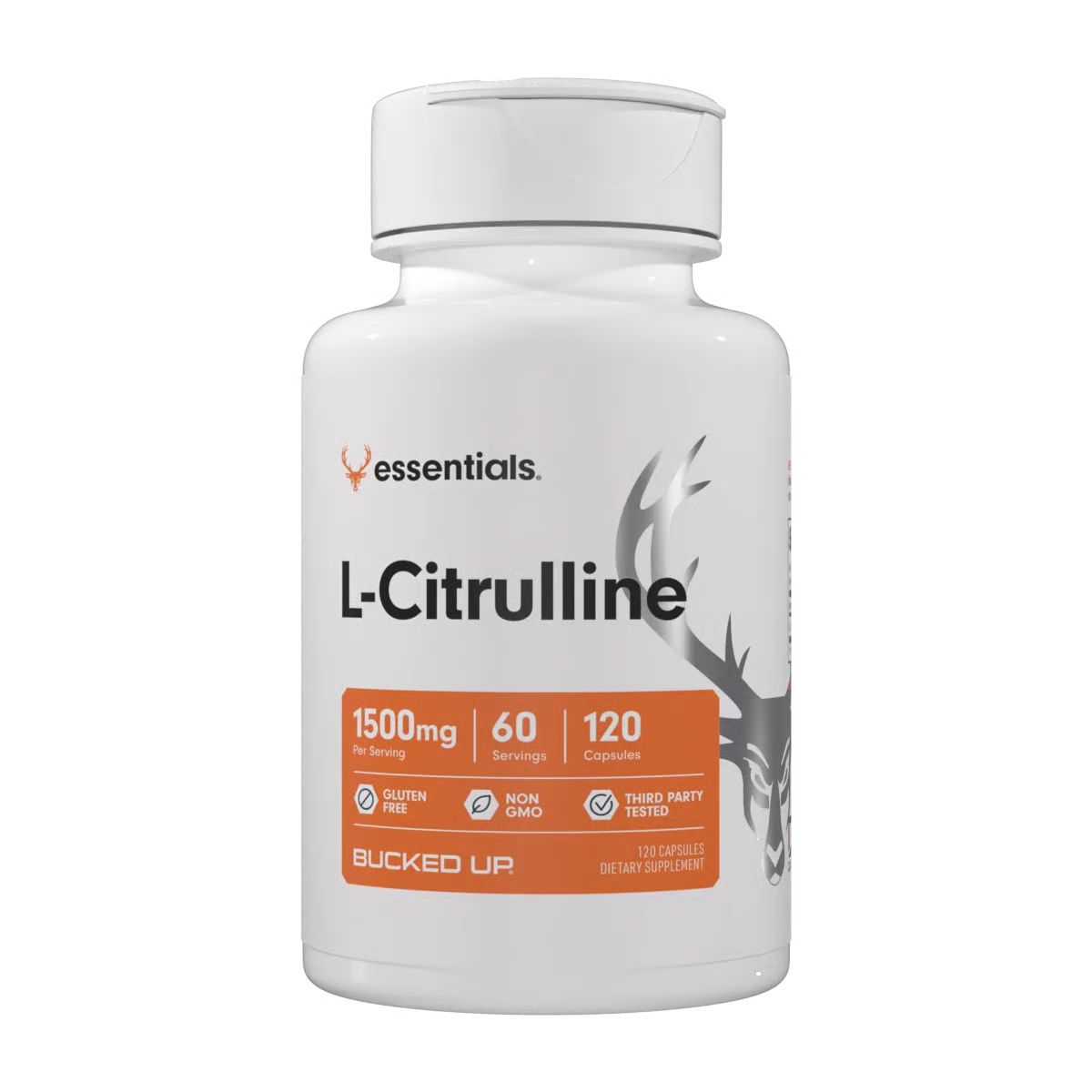
The most important label detail is the citrulline-to-malate ratio. Citrulline malate is typically sold in a 2:1 ratio by weight, which means only about two-thirds of the listed powder weight is actual L-citrulline. A 6g serving of citrulline malate 2:1 delivers approximately 3.4-4g of pure L-citrulline.
Label transparency becomes crucial when you compare products. Independent testing of commercial citrulline malate supplements has found that stated citrulline-to-malate ratios are often inaccurate, with some products delivering substantially less citrulline than labeled. Products that specify exact ratios and avoid proprietary blends make it easier to confirm you are getting effective doses.
How to Use Citrulline Malate Around Your Workouts
Timing plays a major role in how well citrulline malate works. Citrulline supplementation is typically taken 60 minutes before exercise to allow conversion to arginine and nitric oxide production, with peak arginine levels occurring between 77 and 149 minutes after ingestion.
Frequency patterns depend on training goals. Some people use citrulline malate only on training days for acute performance support. Others take it daily for more consistent cardiovascular and recovery benefits. Individual responses can vary, and factors like body weight in lbs, training intensity, and baseline nitric oxide status can influence results.
Stacking citrulline malate with other pre-workout ingredients is common. It pairs well with beta-alanine for endurance support and caffeine for energy. Users should still monitor total stimulant intake when combining multiple products.
What You Can Realistically Expect from Citrulline Malate
Research on citrulline malate shows mixed but generally positive trends for exercise performance. A 2010 study in the Journal of Strength and Conditioning Research reported that 8g of citrulline malate significantly increased resistance exercise performance and reduced post-exercise muscle soreness.1
More recent work paints a nuanced picture. A 2026 study using 8g citrulline malate in trained female youth kayakers found no benefit versus placebo for 1-km time-trial performance. In contrast, another 2026 study in male collegiate sprinters showed modest improvements in repeated 100m sprint performance.1
Context clearly matters, with benefits varying by exercise type, training status, and individual physiology. The compound shows more consistent effects in resistance training and repeated high-intensity efforts than in single-bout endurance events.1
Users should also recognize realistic limitations. Consistent dosing, proper timing, and solid training and nutrition habits create the foundation. Citrulline malate works as a helpful tool within a broader program rather than as a standalone performance fix.
Who Typically Uses Citrulline Malate
Citrulline malate appeals to many training populations. Recreational lifters often report better workout capacity and less next-day soreness, especially when they increase training volume.1
Strength-focused athletes frequently use citrulline malate to support blood flow during high-volume sessions. The ingredient may help maintain performance across multiple sets when training to or near muscular failure.1
Endurance athletes also use citrulline malate, although benefits tend to show up more in repeated high-intensity efforts than in steady-state cardio. Athletes in sports that require repeated sprints or power bursts may find particular value.
Regardless of training background, professional guidance becomes advisable for competitive athletes subject to drug testing, individuals with cardiovascular conditions, or those taking medications that affect blood pressure or circulation.
Safety, Manufacturing Quality, and Testing
Citrulline malate generally has a favorable safety profile at typical doses. Common side effects are usually mild and infrequent, and may include gastrointestinal discomfort, headaches, or sweating, especially with very high single doses above 10g.
Quality factors start with manufacturing standards and label accuracy. At the foundation, products made in GMP-certified facilities follow established quality protocols, which support consistent manufacturing but do not guarantee specific performance outcomes.
For a higher level of assurance, third-party testing adds another layer of quality control. Independent testing helps confirm that products contain stated amounts of citrulline and maintain appropriate ratios of citrulline to malate.
How to Compare Citrulline Malate Products
Several objective criteria can guide your choice of citrulline malate pre-workout. Ingredient form transparency comes first. Look for labels that clearly state whether they use pure L-citrulline, citrulline malate, and the exact ratio.
Serving size analysis requires converting citrulline malate amounts into actual L-citrulline content. Using the 2:1 example discussed earlier, verify that products meet the 3-6g pure L-citrulline target once you account for the malate portion.
Label disclosure practices also matter. Products that list exact amounts of each ingredient allow you to check for research-supported doses and make straightforward comparisons between options.
Manufacturing standards and third-party testing provide additional comparison points. GMP certification signals adherence to quality manufacturing practices, while independent testing helps verify label accuracy.
Intended use should match your training goals, whether you focus on pump, endurance, strength, or general performance support. When you apply these criteria, Bucked Up’s transparent labeling shows exactly how much L-citrulline you get in each serving.
Frequently Asked Questions
What is the optimal dosage of citrulline malate for exercise performance?
Most research uses 6-8g of citrulline malate, which provides about 3.4-4.5g of actual L-citrulline with a 2:1 ratio. This range has shown benefits for resistance training performance and muscular endurance in several studies. Individual responses vary, so some users may do well at the lower or higher end of this range.
How long before exercise should I take citrulline malate?
Take citrulline malate about 60 minutes before exercise for optimal effects, as discussed in the usage patterns section above. This pre-workout window helps align peak arginine availability with your training session.
Can I take citrulline malate daily or only on training days?
Both patterns can work, depending on your goals. Using citrulline malate only on training days focuses on short-term performance benefits. Daily supplementation may provide more consistent support for cardiovascular function and recovery. Daily intakes equal to 3-6g of L-citrulline have been studied for general health support in healthy adults.
What is the difference between citrulline malate and pure L-citrulline?
Pure L-citrulline provides 100% of the stated dose as the active amino acid. Citrulline malate combines L-citrulline with malic acid, usually in a 2:1 ratio, so it is only about 56-67% citrulline by weight. Pure L-citrulline offers straightforward dosing, while citrulline malate may add theoretical energy metabolism support through the malic acid component.
When should I consult a healthcare provider about citrulline malate use?
Consult a healthcare provider before using citrulline malate if you have cardiovascular conditions, take blood pressure medications, have kidney problems, are pregnant or breastfeeding, or are scheduled for surgery. Seek guidance if you experience persistent side effects or compete in sports with drug testing protocols.
Conclusion: Using Citrulline Malate with Confidence
Citrulline malate is a well-studied ingredient that can support exercise performance and endurance when you use appropriate doses and timing. Effective use starts with understanding label details, confirming actual L-citrulline content, and choosing products with transparent formulations instead of proprietary blends.
Results improve when you pair citrulline malate with consistent training, sound nutrition, and realistic expectations about individual variability. The ingredient works best as one part of a complete performance strategy rather than a standalone solution.
For lifters and athletes who want clearly labeled, higher-dose citrulline options, products that disclose exact amounts and follow strong manufacturing standards offer a solid base for informed decisions. Bucked Up’s L-citrulline products provide the transparent dosing and quality standards highlighted throughout this guide.
1 The content provided in this article is for informational purposes only and is not medical advice. Consult with a medical professional before implementing any changes to your diet, health, or exercise routines.
Individual results will vary and are based on a combination of each individual’s diet, exercise, age, and health circumstances.
These statements have not been evaluated by the Food and Drug Administration. This product is not intended to diagnose, treat, cure or prevent any disease.
This article was written by Ryan Gardner, CEO of Bucked Up. As the maker of Bucked Up Protein Soda, we have a financial interest in this information. The views expressed are our own and should be read with that context in mind.