Last updated: April 22, 2026
Key Takeaways
- L-Citrulline supports runner stamina by raising nitric oxide for better oxygen delivery and ammonia clearance. Most runners use 6-8g about 60 minutes before a run.1
- Beetroot nitrates and caffeine both enhance endurance, through separate nitric oxide and nervous system pathways. Typical caffeine intake ranges from 3-6 mg per lb of body weight.1
- Beta-alanine supports hard efforts by increasing muscle carnosine, while creatine helps regenerate ATP quickly for intervals, hills, and sprints.1
- Electrolytes help prevent sodium and fluid imbalances on long runs, iron supports oxygen transport, and tart cherry can ease soreness and support sleep.1
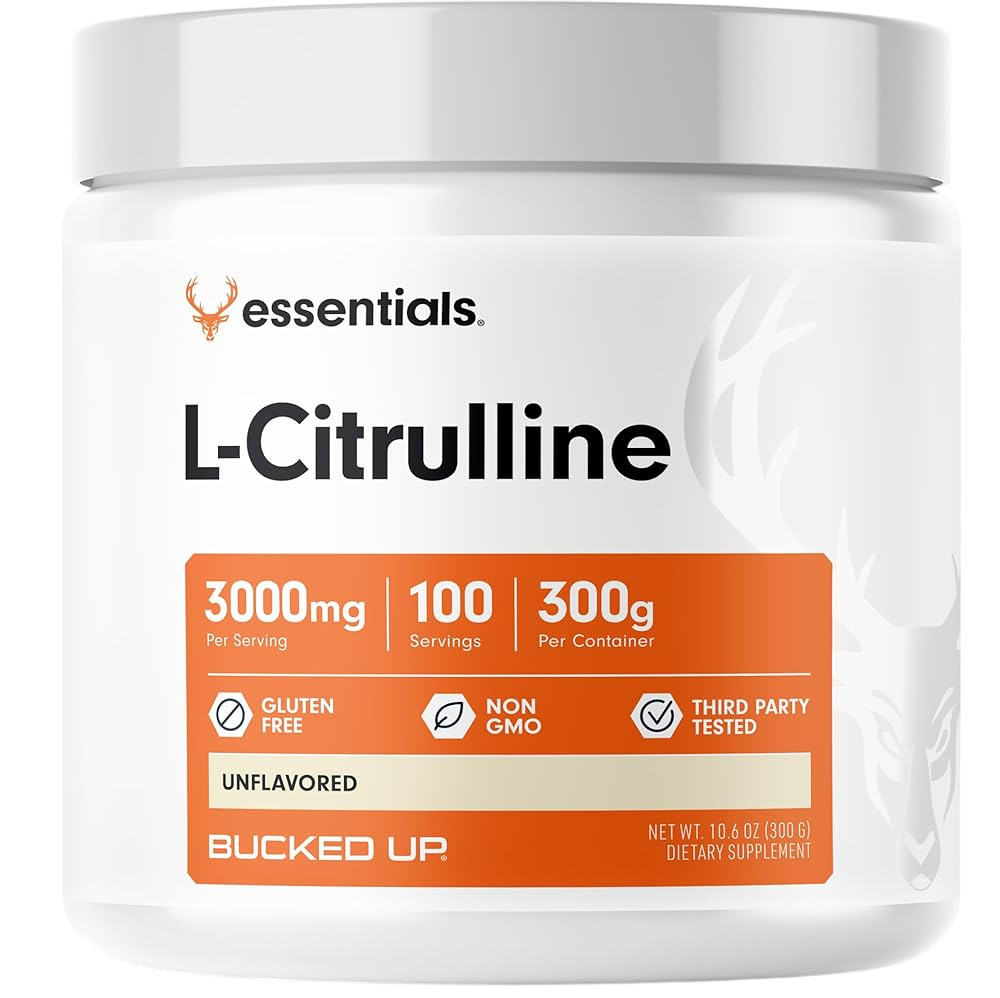
- Stack supplements with a clear plan for your race distance. Bucked Up’s pure L-Citrulline can anchor your long-run and race-day protocol.1
Top 8 Science-Backed Endurance Supplements for Runners
1. L-Citrulline: A Key Option for Runner Stamina
L-Citrulline is a non-essential amino acid originally isolated from watermelon. It converts to L-Arginine in the kidneys and avoids the liver’s first-pass metabolism that breaks down direct arginine supplementation. This route helps preserve more arginine for nitric oxide production.1
This pathway makes L-Citrulline roughly twice as effective as equal doses of L-Arginine for raising plasma arginine levels in mice, which supports sustained nitric oxide output.1 For endurance runners, L-Citrulline supports ammonia detoxification through the urea cycle and improves oxygen delivery through vasodilation.1
Suzuki et al.’s 2016 double-blind study found that L-Citrulline supplementation enhanced cycling time trial performance in trained men.1 Other research using 8g Citrulline Malate reported up to 53% more repetitions to muscular failure, which suggests value for tempo runs and late-race surges.1
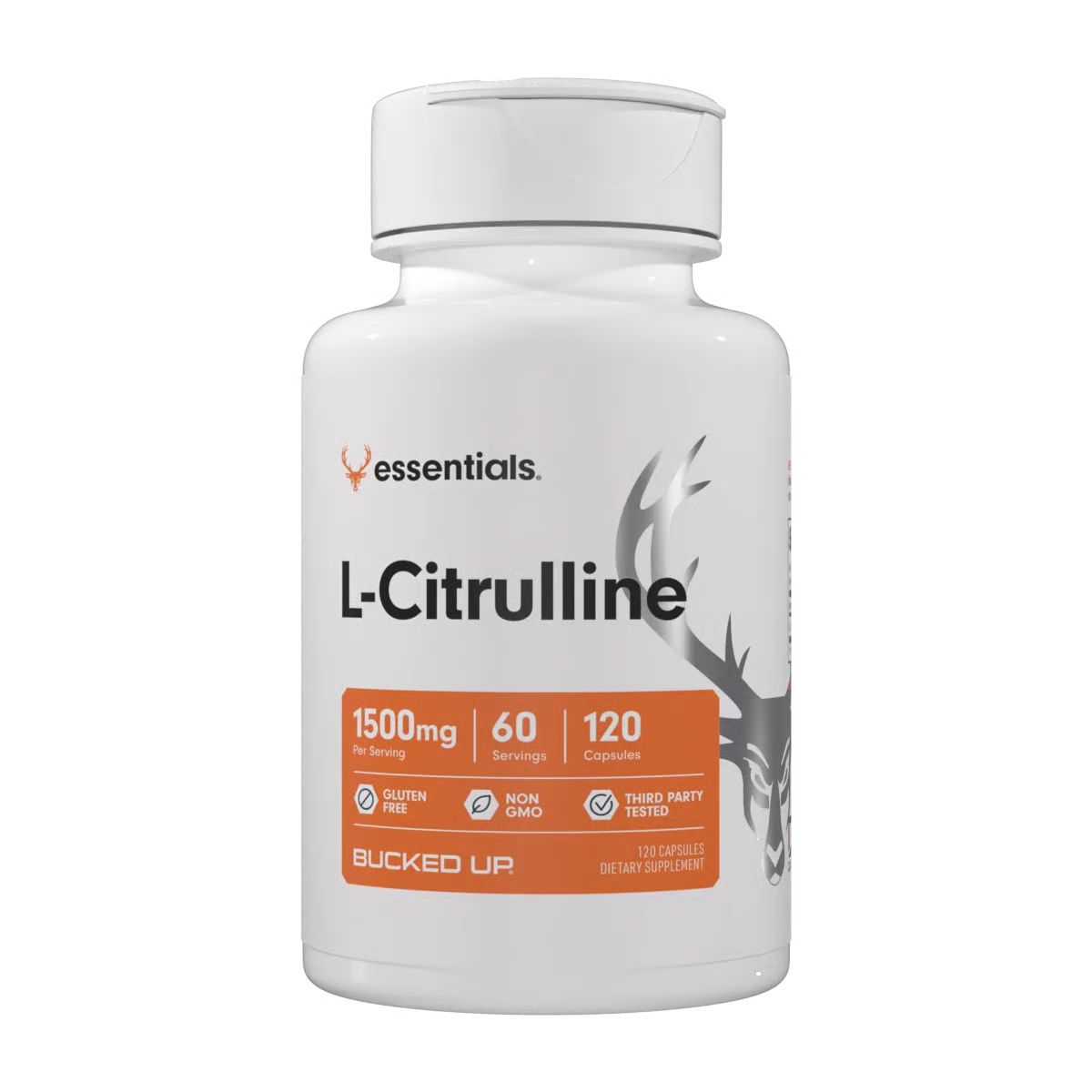
| Dose | Timing | Form | Runner Application |
|---|---|---|---|
| 6-8g Citrulline Malate | About 60 minutes pre-run | 2:1 ratio with malic acid | Long runs, tempo workouts |
| 3-6g Pure L-Citrulline | About 60 minutes pre-run | 100% L-Citrulline | Speed work, intervals |
2. Beetroot Nitrates: Natural Nitric Oxide Efficiency
While L-Citrulline works through the arginine pathway, beetroot offers an alternative route to nitric oxide production. Beetroot juice supplies dietary nitrates that convert to nitrites and then nitric oxide through a pathway independent of the arginine–citrulline system.
Endurance athletes often use beetroot juice to improve oxygen efficiency during long-duration workouts.1
Research shows that beetroot supplementation can lower the oxygen cost of submaximal exercise and extend time-to-exhaustion during high-intensity work.1 Effective intake usually falls around 300-600mg of nitrates, which matches roughly 500mL of beetroot juice taken 2-3 hours before running.
3. Caffeine: Strategic Stimulation for Endurance
Caffeine is one of the most studied performance aids for endurance sports. It blocks adenosine receptors, which can reduce perceived exertion and support greater fat use during exercise.1 The International Society of Sports Nutrition recommends 3-6 mg per lb of body weight for peak performance effects.
Recreational endurance athletes reported using lower doses, around 1.6 ±1.0 mg per lb before training and 2.0 ±1.2 mg per lb before races. For a 150 lb runner, this equals roughly 200-400mg for moderate effects and for maximum benefits during 3-5 hour events. Peak effects usually appear about 60 minutes after intake and can last 3-6 hours, depending on metabolism.
4. Beta-Alanine: Buffering High-Intensity Efforts
Beta-alanine at 4-6g daily for at least 2 to 4 weeks safely improves high-intensity running efforts lasting 1-4 minutes, according to the 2015 International Society of Sports Nutrition position stand.1 This amino acid raises muscle carnosine levels by about 30-50%, which helps buffer hydrogen ions during hard, lactate-heavy efforts.1
Athletes following a 6-week beta-alanine protocol increased time to exhaustion significantly.1 These gains matter for 5K to half-marathon racing, where surges, hills, and finishing kicks often decide results.
5. Creatine: Phosphocreatine System Support
Creatine monohydrate supports the phosphocreatine energy system and helps regenerate ATP quickly during 10-30 second high-intensity efforts, as described in the International Society of Sports Nutrition position stand.1 Many runners associate creatine with strength training, yet it can also help during interval sessions, hill repeats, and sprint finishes.
The standard loading approach uses 20g daily for 5-7 days, followed by 3-5g daily as maintenance. Newer research suggests creatine may also support recovery between sessions and reduce exercise-induced muscle damage, which can help runners who train frequently or at high volume.1
6. Electrolytes: Sodium and Fluid Balance on the Run
Utah State University recommends roughly 300-600 milligrams of sodium per hour during prolonged exercise for endurance runners who sweat heavily or train in heat. In Düz et al.’s 2025 study, marathon runners lost about 1.76% of body weight after racing, while ultramarathon runners lost about 3.39%. These changes highlight the need for planned fluid and sodium replacement.
Hyponatremia can occur when runners drink large amounts of water without enough sodium. Symptoms can include nausea, confusion, and in severe cases, seizures. Most runners benefit from some electrolyte intake during runs that last longer than 60 minutes.
7. Iron: Supporting Oxygen Transport
Iron status directly affects oxygen-carrying capacity through its role in hemoglobin production. Low iron can hit female endurance athletes especially hard, although any runner can be affected. Runners with confirmed iron deficiency may benefit from iron supplements taken with vitamin C to support absorption.1
Calcium-rich foods can interfere with iron uptake, so many athletes separate these. Regular blood work remains essential, because excess iron can cause gastrointestinal issues and affect other minerals. Runners should work with a healthcare provider to interpret lab results and set a safe plan.
8. Tart Cherry: Recovery and Sleep Support
Tart cherry juice contains natural melatonin and anthocyanins that support recovery through anti-inflammatory effects and better sleep quality.1 Studies suggest that 8-12oz of tart cherry juice or a matched extract, taken twice daily, can reduce soreness and speed recovery between sessions.1
Tart cherry does not directly increase speed or endurance during a run. Instead, it supports the recovery that allows consistent, high-quality training, which matters for runners with demanding schedules.
Runner-Focused Stacking Guide & Sample Protocols
Thoughtful supplement stacks combine ingredients with different mechanisms while avoiding unnecessary overlap. Mangine et al.’s 2026 study tested a multi-ingredient stack containing L-Citrulline, beta-alanine, caffeine, and creatine in HIFT athletes and reported no adverse events. This finding supports careful use of similar combinations for runners.
| Stack Type | Ingredients | Timing | Application |
|---|---|---|---|
| Endurance Base | 6g Citrulline Malate + 100-150mg Caffeine | About 60 min pre-run | Long runs, tempo work |
| High-Intensity | 4g L-Citrulline + 3.2g Beta-Alanine + 200mg Caffeine | About 60 min pre-workout | Interval training, races |
| Ultra Distance | 6g Citrulline Malate + 400-600mg Sodium + Beetroot | Pre-race, then hourly as needed | Marathons, ultras |
Key safety steps include starting at the low end of each dose range, watching for jitters or stomach upset with higher caffeine, and speaking with a healthcare professional before combining several products, especially for runners with medical conditions.1
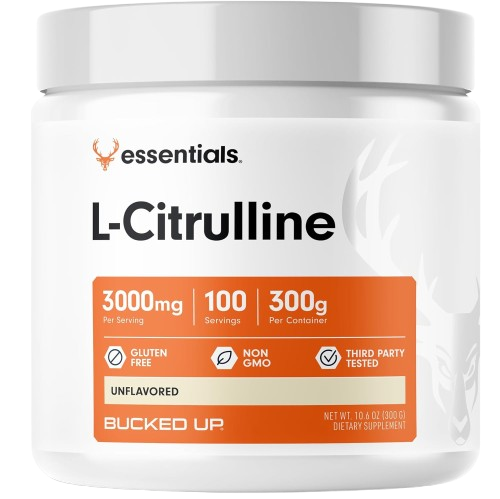
Bucked Up offers L-Citrulline options that match the research-backed doses used in these stacks. Explore Bucked Up’s L-Citrulline for your stacking protocol.
Dosages, Safety, and Common Runner Mistakes
Correct dosing helps you see real benefits while limiting side effects.1
L-Citrulline shows good tolerability up to 15g daily, while L-Arginine often causes nausea, vomiting, and diarrhea at single doses above 9g in adults, including healthy athletes.1 Many runners therefore favor L-Citrulline when they want to support nitric oxide.
| Supplement | Effective Dose | Timing | Common Side Effects |
|---|---|---|---|
| L-Citrulline | 3-8g | About 60 min pre-exercise | Mild GI upset above 10g |
| Beta-Alanine | 3.2-6.4g daily | Split doses with meals | Tingling sensation (harmless) |
| Caffeine | 3-6 mg per lb body weight | About 60 min pre-exercise | Jitters, sleep disruption |
| Creatine | 3-5g daily | Often post-workout | Water retention |
Many common mistakes come from misunderstanding how these supplements work. Taking beta-alanine only on workout days does not work well, because muscle carnosine levels rise with consistent daily intake. Timing errors also matter, such as using caffeine too close to evening runs, which can disrupt sleep and slow recovery.
Another frequent issue involves expecting instant results from supplements that require loading phases, such as creatine or beta-alanine. Runners over 40 face extra considerations, including iron status and cardiovascular sensitivity. They often benefit from checking iron levels regularly and using lower stimulant doses.
Frequently Asked Questions
Is L-Citrulline safe for daily runner use?
L-Citrulline shows strong safety data at doses up to 15g daily without major side effects in healthy adults. L-Arginine, in contrast, more often causes digestive distress at higher doses because it passes through the liver first. Most runners do well with 3-8g daily for ongoing support, although anyone with low blood pressure should monitor how they feel, since L-Citrulline can widen blood vessels.
What is an effective L-Citrulline dose for marathon training?
Many marathoners use 6-8g of Citrulline Malate about 60 minutes before long runs. The 2:1 ratio of citrulline to malic acid supports nitric oxide production and energy metabolism through the Krebs cycle. This intake falls within safety limits used in research and gives room to adjust based on stomach comfort and timing preferences.
How does L-Citrulline compare to beetroot juice for endurance?
L-Citrulline and beetroot nitrates both support nitric oxide but follow different routes. L-Citrulline converts to arginine in the kidneys and supports steady nitric oxide production, while beetroot uses the nitrate–nitrite–nitric oxide pathway. L-Citrulline often feels more flexible, because it does not require the 2-3 hour pre-run window that beetroot juice needs.
Many runners also find L-Citrulline easier to use consistently in training and on race day, especially when travel or early start times make beetroot timing difficult.
When should I take L-Citrulline before long runs?
Aim to take L-Citrulline about 60 minutes before starting long runs so peak blood levels match the start of your workout. This window supports absorption and conversion to arginine while lowering the chance of stomach discomfort once you begin running. Some runners shift this slightly, usually between 45 and 90 minutes, based on how quickly they digest fluids or pre-run snacks.
Can I stack L-Citrulline with other pre-workout ingredients?
L-Citrulline combines well with common pre-workout ingredients such as caffeine, beta-alanine, and creatine. Research supports the safety of stacks that include 6-8g L-Citrulline, 200-300mg caffeine, and 3-6g beta-alanine when used by healthy adults.1 L-Citrulline may also help balance caffeine’s narrowing effect on blood vessels by supporting blood flow to working muscles.1
Most runners benefit from starting with lower doses when they first combine products, then increasing slowly if they tolerate the stack well. Bucked Up’s L-Citrulline products align with the dosing ranges discussed in this FAQ. Get Bucked Up’s pure L-Citrulline to support your training.
1 The content provided in this article is for informational purposes only and is not medical advice. Consult with a medical professional before implementing any changes to your diet, health, or exercise routines.
Individual results will vary and are based on a combination of each individual’s diet, exercise, age, and health circumstances.
These statements have not been evaluated by the Food and Drug Administration. This product is not intended to diagnose, treat, cure or prevent any disease.
This article was written by Ryan Gardner, CEO of Bucked Up. As the maker of Bucked Up Protein Soda, we have a financial interest in this information. The views expressed are our own and should be read with that context in mind.