Written by: Ryan Gardner, Owner, Managing Partner, CEO, Bucked Up
Key Takeaways
- Athletes often struggle with unclear supplement labels and proprietary blends that hide actual ingredient amounts, which makes effective dosing hard to confirm for strength and endurance goals.
- Transparent dosing of researched ingredients like L-Citrulline helps separate performance-focused supplements from marketing-heavy products by giving athletes clear, research-based information.
- L-Citrulline supports nitric oxide production for blood flow, ammonia clearance for reduced fatigue, and energy metabolism at doses of 3–6 g L-Citrulline or 6–8 g Citrulline Malate.1
- Quality-focused supplement companies use third-party testing, GMP manufacturing, and clear ingredient disclosure while avoiding underdosed formulas that may not deliver expected performance benefits.
- Bucked Up provides transparent dosing with effective L-Citrulline amounts across its performance line, so athletes can match products to specific training goals. Explore Bucked Up L-Citrulline options.
The Problem: How Hidden Dosing Undercuts Athlete Results
Athletes face a core challenge when choosing performance supplements because many products prioritize marketing over measurable efficacy. Many athletic performance supplements have limited evidence of efficacy, and the effect of any product depends on the specific ingredient, its dose, and the overall formulation. Proprietary blends intensify this problem by listing ingredients in order by weight without disclosing individual amounts, so athletes cannot confirm whether they receive effective doses.
Underdosed formulas may fail to deliver expected benefits because the mere presence of an ingredient does not guarantee efficacy. This problem grows when ingredient amounts vary widely among products and remain hidden inside proprietary blends. Without clear numbers, athletes may see inconsistent results even when they follow the same supplement routine, because the product delivers unpredictable doses.
Delivery systems also influence how well a supplement works. Absorption enhancers and specific ingredient forms affect bioavailability, which determines whether label amounts translate into real physiological effects. Companies that address absorption with complementary ingredients or better-absorbed forms show a deeper understanding of supplement science. This context sets the stage for examining brands that apply these principles in their formulations.
Bucked Up’s Approach to Transparent L-Citrulline Formulas
Bucked Up applies a transparency-first approach to gym performance supplements by clearly listing ingredient amounts and using science-backed L-Citrulline formulations. The company responds to common industry transparency issues by disclosing all ingredient doses and including absorption-supporting components to help with bioavailability.
Key L-Citrulline applications across Bucked Up’s performance line include:
• Foundational Pre-Workout: 6,000 mg Citrulline Malate in a 2:1 ratio, supporting vasodilation and ammonia clearance during training.1
• Woke AF: 6,000 mg Citrulline Malate to maintain pump support alongside higher stimulant levels.1
• Mother Bucker: 4,000 mg Pure L-Citrulline combined with Nitrosigine® and Hydroprime® Glycerol for advanced pump support.1
• Astragin® inclusion: Added across the pre-workout line to support citrulline absorption and bioavailability.
With transparent dosing across multiple pre-workouts, athletes can choose the L-Citrulline format that fits their stimulant tolerance, stacking style, and training intensity. Review Bucked Up’s L-Citrulline lineup.
How L-Citrulline Fuels Nitric Oxide and Energy Pathways
L-Citrulline acts as a precursor to L-Arginine through a metabolic pathway that bypasses first-pass metabolism in the liver. Direct L-Arginine supplementation faces significant breakdown by arginase enzymes in the gut and liver, which limits its impact. L-Citrulline, in contrast, is efficiently absorbed and converted to L-Arginine in the kidneys, which supports higher and more sustained plasma L-Arginine levels and provides more substrate for nitric oxide synthesis.*1
The nitric oxide pathway supports vasodilation by relaxing vascular smooth muscle cells. This process may support delivery of oxygen, glucose, and other metabolic substrates to active tissues, including skeletal muscle.*1 L-citrulline increases nitric oxide production to support blood flow, oxygen delivery, and muscle recovery, supporting endurance and reduced fatigue during training.*
L-Citrulline also participates in the urea cycle, where it supports conversion of ammonia into urea for excretion.* This pathway may help support ammonia clearance during exercise and may contribute to reduced exercise-induced fatigue.*1 When L-Citrulline combines with Malic Acid to form Citrulline Malate, the malate portion acts as an intermediate in the Krebs Cycle, which may support aerobic ATP production and energy metabolism.*1
*This statement has not been evaluated by the Food and Drug Administration. This product is not intended to diagnose, treat, cure, or prevent any disease.
Choosing L-Citrulline Forms, Delivery Options, and Timing
L-Citrulline supplements appear in several formats, and each format offers different advantages for stacking and convenience. Pre-workout powders, which must be mixed with water, generally allow higher ingredient dosages and customizable serving sizes compared to ready-to-drink pre-workout beverages. This flexibility helps athletes reach effective doses for strength, endurance, and pump goals.
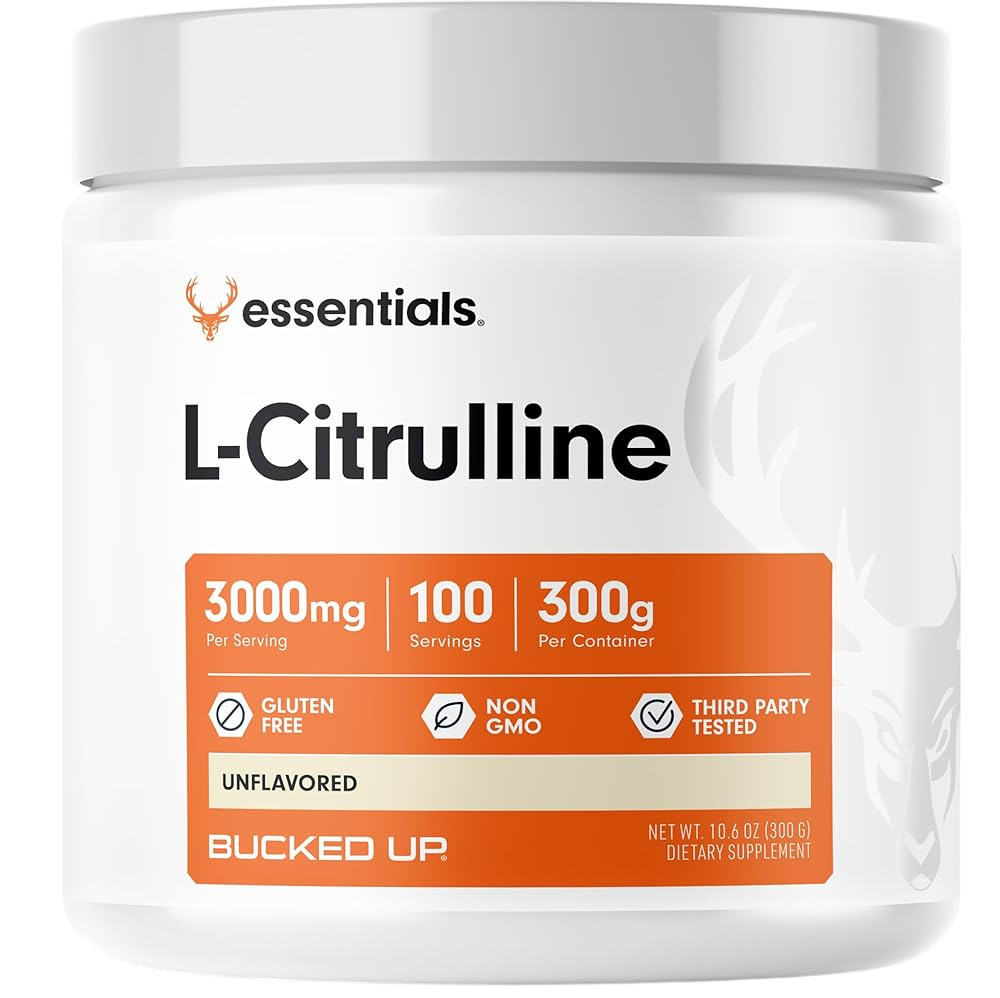
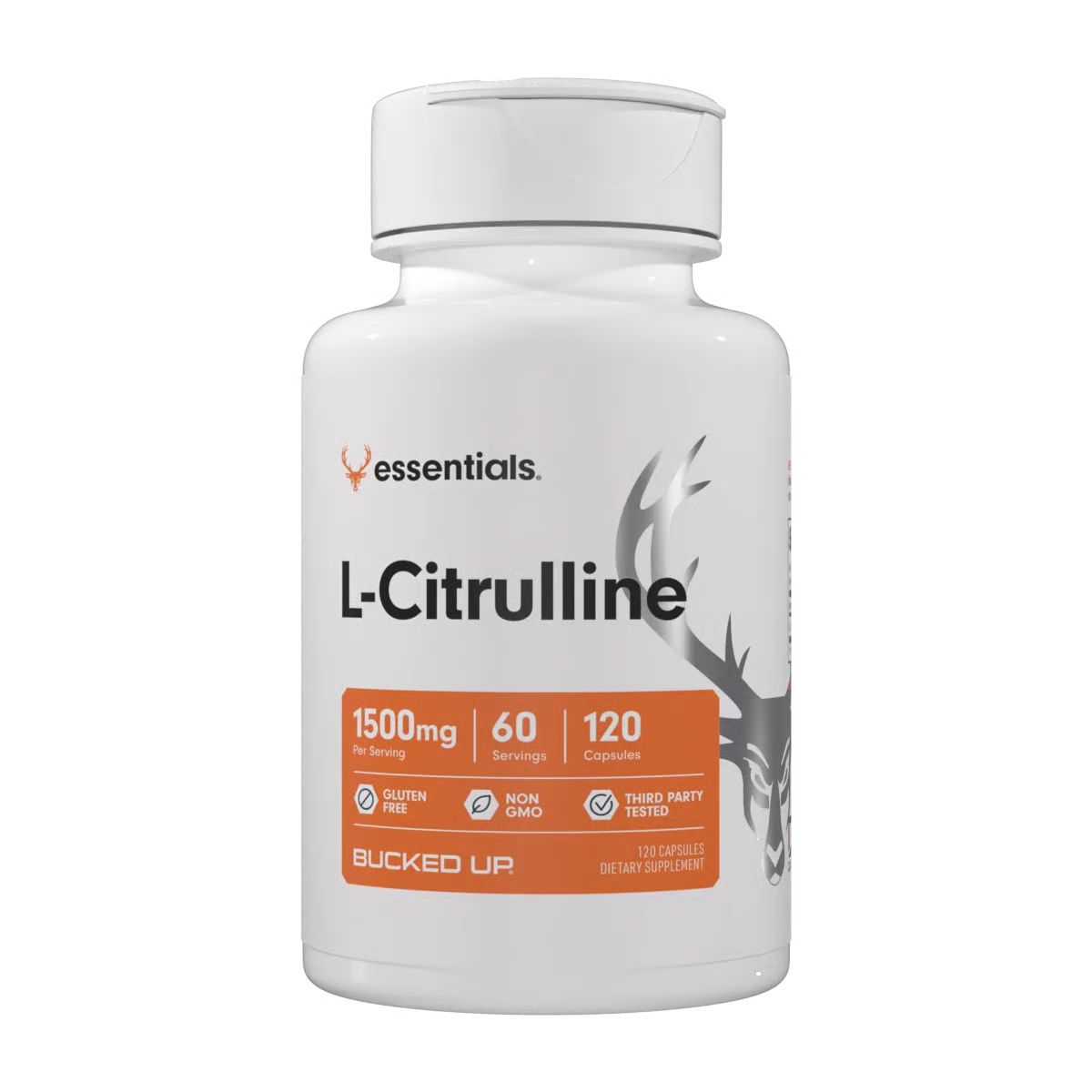
Pure L-Citrulline powder gives maximum control over dosing and stacking. This unflavored option mixes into most beverages and lets athletes adjust serving sizes based on tolerance and training demands. Capsule forms provide convenience and precise dosing, although they can limit higher serving amounts because multiple capsules are required.
Multi-ingredient pre-workouts that include Citrulline Malate offer convenience by combining several actives in one scoop. These blends require careful label review to confirm that each ingredient appears at meaningful levels. Many pre-workouts lack sufficient room in a single serving to deliver all key ingredients at clinically meaningful amounts when multiple actives are included, which can limit effectiveness for strength, endurance, and pump goals.
Timing usually involves taking L-Citrulline 30–60 minutes before training to allow for absorption and conversion to L-Arginine. Peak plasma concentrations of L-Citrulline typically occur within 0.7 to 2 hours post-ingestion, so pre-workout timing supports acute performance effects.
Reading Labels: Doses, Ratios, and Quality Signals
Clear understanding of ingredient ratios and forms helps athletes read supplement labels with confidence. Citrulline Malate usually appears in a 2:1 ratio, which means 2 grams of L-Citrulline combined with 1 gram of Malic Acid in each 3-gram portion. Citrulline malate is better absorbed than arginine for increasing nitric oxide production; an effective dose of 6 g taken before training enhances muscle pump, reduces fatigue, and improves endurance during resistance training.1
Common effective dose benchmarks for pre-workout ingredients include caffeine at 200 mg, creatine at 3–5 g, citrulline at 3–6 g or citrulline malate at 6–8 g, beta-alanine at 4–6 g, and tyrosine at 2 g per serving. These benchmarks give objective reference points when comparing products from different companies.
Label transparency means companies list individual ingredient amounts instead of grouping them into proprietary blends. Transparent labeling without proprietary blends allows athletes to verify that pre-workout formulas deliver evidence-based ingredient amounts for strength, pump, and recovery goals. Athletes can look for products that show specific milligram amounts for each active ingredient.
Quality indicators include third-party testing, GMP manufacturing certification, and clear labeling of ingredient forms. Companies that invest in these measures usually show stronger commitment to product consistency and safety standards.
Who May Benefit from L-Citrulline and Practical Limits
Research on L-Citrulline supplementation shows several potential performance benefits at appropriate doses. L-citrulline supplementation prior to training increased the number of bench-press repetitions completed to failure by more than 50% and reduced reported muscle soreness by 40% in the following days among resistance-trained males.1 Citrulline malate supplementation has been reported to reduce muscle soreness by up to 41.8% between 24 and 48 hours after exercise.1
Benefits can shift based on training status and exercise type. A 2022 meta-analysis of aerobic performance outcomes found no statistically significant difference in oxygen uptake (VO2) kinetics between citrulline users and controls during low-intensity exercise, which suggests primary benefits during anaerobic or high-intensity interval efforts.
Recreational lifters may use L-Citrulline to support training volume and recovery between sessions. Strength athletes often focus on its role during high-intensity, short-duration efforts. Endurance-focused athletes may see more value during interval work or sustained high-intensity segments than during steady-state cardio.
Individual responses vary with baseline fitness, training history, and genetic factors that influence nitric oxide metabolism. Athletes can set realistic expectations and treat supplements as support tools that work alongside consistent training and nutrition, not as replacements.
Staying Safe and Comparing Supplement Brands
L-Citrulline supplementation is generally well tolerated at doses used for performance support. Mild gastrointestinal discomfort appears as the most common side effect at higher doses. Starting with lower servings and gradually increasing allows athletes to assess individual tolerance.
People who take blood pressure medications, nitrate medications, or who have cardiovascular conditions should speak with healthcare providers before using L-Citrulline because of potential interactions with vasodilatory effects. Pregnant and breastfeeding women should avoid use due to limited safety data in these groups.
Several criteria help when comparing supplement companies. Manufacturing standards include GMP certification and third-party testing for purity and label accuracy. Leading market players in the sports nutrition industry integrate scientific validation into product development and marketing, extending this science-led positioning to transparent labeling, third-party testing, and certification by bodies such as Informed-Sport to reinforce product integrity.
Ingredient transparency involves clear disclosure of individual ingredient amounts without proprietary blends. Serving size appropriateness means providing meaningful doses of active ingredients rather than token amounts. Companies also support users by offering clear usage instructions and appropriate safety warnings.
Once athletes understand these safety and quality benchmarks, they can evaluate how specific brands measure up. See how Bucked Up’s L-Citrulline formulas align with these standards.
Frequently Asked Questions
When do effects from L-Citrulline typically appear after a serving?
L-Citrulline effects usually become noticeable within 30–60 minutes after consumption, with peak plasma concentrations between 0.7 and 2 hours post-ingestion. Timing varies with individual metabolism, stomach contents, and the specific form used. For acute performance support, many athletes take L-Citrulline 30–60 minutes before training to allow for absorption and conversion to L-Arginine in the kidneys. Some users feel pump and endurance changes during the first workout, while others need several days of consistent use before they notice full effects.
Can these supplements be used daily alongside foundational training habits?
L-Citrulline can be used daily as part of a broader training and nutrition plan. Unlike some performance ingredients that require cycling, L-Citrulline supports ongoing processes such as nitric oxide production and ammonia clearance. Daily use may help maintain more consistent plasma levels and support recovery between training sessions. Supplements still work best when paired with structured programming, adequate protein intake, quality sleep, and solid hydration habits, so L-Citrulline should complement these foundations.
When should athletes consult a healthcare provider before starting a new pre-workout routine?
Athletes should consult healthcare providers before starting L-Citrulline if they have cardiovascular conditions, take blood pressure medications, use nitrate medications, or have kidney conditions. Individuals with naturally low blood pressure should seek medical guidance because of L-Citrulline’s vasodilatory effects. Pregnant and breastfeeding women should avoid use due to limited safety data. Athletes who take multiple medications or live with chronic health conditions should discuss potential interactions with their healthcare providers, and anyone who experiences unusual symptoms should stop use and seek medical advice.
How do different forms of L-Citrulline compare for athletic performance goals?
Pure L-Citrulline provides 100 percent active ingredient and offers maximum flexibility for dosing and stacking. Citrulline Malate combines L-Citrulline with Malic Acid in a 2:1 ratio, which may support both nitric oxide production and energy metabolism through the Krebs Cycle. Multi-ingredient pre-workouts that feature Citrulline Malate add convenience but require close review of individual ingredient doses. The right choice depends on goals, tolerance, and preference for single-ingredient versus combination products.
What absorption factors affect L-Citrulline effectiveness in supplements?
L-Citrulline absorption depends on stomach contents, digestive health, and the presence of absorption enhancers. Taking L-Citrulline on an empty stomach may improve absorption for some people but can increase gastrointestinal discomfort in sensitive users. Some companies include absorption enhancers like Astragin to support bioavailability. The form of L-Citrulline also matters, because pure L-Citrulline and Citrulline Malate can show different absorption characteristics. Consistent timing and dosing help create predictable absorption patterns for performance support.
Conclusion: Using L-Citrulline Wisely in Your Training Plan
Effective gym performance supplementation starts with evaluating companies based on ingredient transparency, appropriate dosing, and manufacturing quality instead of marketing claims. Athletes gain more value from brands that disclose ingredient amounts, use research-aligned doses, and invest in quality assurance such as third-party testing.
L-Citrulline is a well-studied ingredient with documented benefits for muscle endurance, recovery support, and training performance at appropriate doses. Actual results still depend on correct dosing, reliable manufacturing, and consistent alignment with sound training and nutrition practices.
Athletes can prioritize brands that show clear commitment to transparency and quality while keeping realistic expectations about supplement roles. The most effective strategy pairs evidence-based supplementation with structured training, adequate nutrition, and planned recovery.
Ready to apply these principles to your own stack? Start by reviewing Bucked Up’s transparent L-Citrulline options.
1 The content provided in this article is for informational purposes only and is not medical advice. Consult with a medical professional before implementing any changes to your diet, health, or exercise routines.
Individual results will vary and are based on a combination of each individual’s diet, exercise, age, and health circumstances.
These statements have not been evaluated by the Food and Drug Administration. This product is not intended to diagnose, treat, cure or prevent any disease.
This article was written by Ryan Gardner, CEO of Bucked Up. As the maker of Bucked Up Protein Soda, we have a financial interest in this information. The views expressed are our own and should be read with that context in mind.