Key Takeaways
- L-Citrulline from watermelon outperforms L-Arginine with 95% bioavailability and a 45% greater nitric oxide boost for stronger pumps and endurance.
- Beetroot nitrates and cayenne capsaicin open blood vessels through different pathways, improving circulation and exercise performance.
- Garlic allicin, turmeric curcumin, and ginger gingerols naturally reduce inflammation and support healthy blood vessel function.
- Omega-3s, pomegranate polyphenols, hawthorn OPCs, and green tea EGCG protect vessels and help maintain healthy blood pressure.
- Reach clinical doses easily with Bucked Up L-Citrulline powder or pre-workouts for maximum blood flow benefits.
Top 10 Natural Blood Flow Boosters
1. L-Citrulline from Watermelon: Strongest Natural Vasodilator & Nitric Oxide Booster
L-Citrulline acts as one of the most powerful natural blood flow enhancers. It converts to L-Arginine in the kidneys instead of being broken down by liver enzymes like direct L-Arginine supplements. This conversion route supports higher nitric oxide production and longer-lasting vasodilation.
A 2026 clinical trial with 120 hypertensive patients found watermelon-derived L-Citrulline reduced systolic blood pressure by 11mmHg, compared to 5mmHg with L-Arginine. In addition, 2024 research with 30 athletes reported that 8g watermelon L-Citrulline increased plasma nitric oxide 45% more than synthetic L-Arginine. Multiple studies show about 53% more resistance training repetitions and roughly 40% less delayed onset muscle soreness.
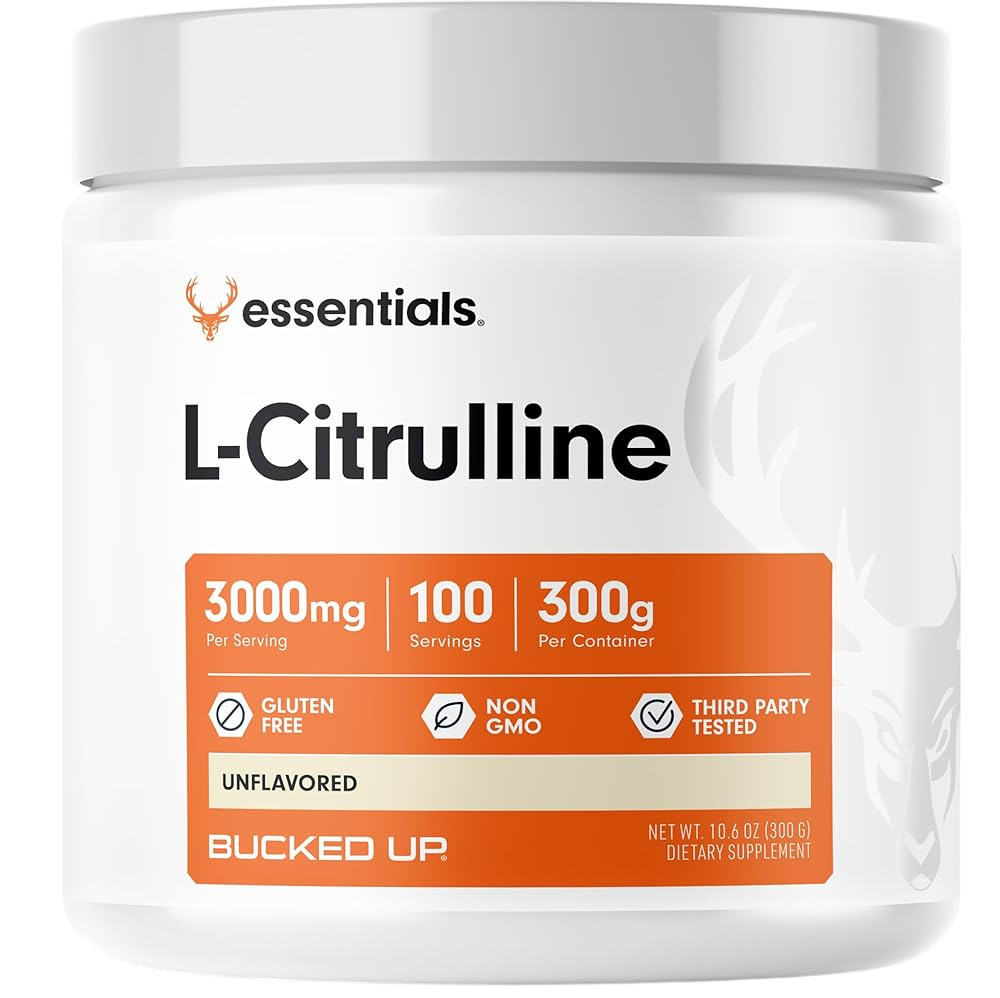
Real-world dosing makes supplementation far more practical than food alone. Reaching a therapeutic 3g citrulline dose would require more than 2.2 pounds of watermelon every day. Bucked Up Pure L-Citrulline powder delivers 3g per scoop, and L-Citrulline capsules provide 750mg per capsule for flexible, clinical dosing. Choose the L-Citrulline format that fits your routine and performance goals.
|
Source |
Bioavailability |
NO Boost |
Practical Dose |
BP Reduction |
|
Watermelon Citrulline |
95% |
+45% |
2.2+ lbs daily |
-11mmHg |
|
L-Arginine |
20-30% |
+15% |
6g supplement |
-5mmHg |
|
Bucked Up L-Citrulline |
95% |
+45% |
3g powder |
-11mmHg |
2. Beetroot: Nitrate-Rich Support for Pumps and Blood Pressure
Beetroot supplies natural nitrates that convert to nitric oxide through the nitrate–nitrite–NO pathway. This route offers a separate mechanism from L-Citrulline’s arginine-based pathway. Raw beetroot typically contains about 250mg of nitrates per 100g serving.
Research shows that beetroot juice intake of about 500ml, which provides roughly 300mg nitrates, can improve exercise performance and lower blood pressure within 2 to 3 hours. Many people dislike the earthy flavor, yet blending beetroot with apples or carrots creates a smoother taste. Beetroot powder supplements give concentrated nitrates in a smaller serving size.
3. Cayenne Pepper: Capsaicin for Warm, Stimulated Circulation
Cayenne pepper contains capsaicin, which activates TRPV1 receptors and encourages vasodilation. This effect especially supports circulation in the legs, hands, and feet. The familiar warming sensation often reflects increased blood flow in those areas.
Effective daily intake usually ranges from 30mg to 120mg capsaicin, close to 1/4 teaspoon of cayenne powder. Start with a low amount to gauge comfort and tolerance. Add cayenne to meals, mix it into warm water, or use standardized capsules for more precise dosing.
4. Garlic: Allicin for Softer, More Flexible Arteries
Garlic’s sulfur compound allicin supports nitric oxide production and helps reduce arterial stiffness. Fresh garlic offers higher allicin levels than most aged forms. Crushing or chopping cloves activates alliinase enzymes and releases allicin.
Clinical trials often use 600mg to 1200mg aged garlic extract per day, which equals about 2 to 4 fresh cloves. Raw garlic delivers the strongest allicin punch but can irritate digestion. Enteric-coated garlic supplements limit stomach discomfort while preserving active compounds.
5. Turmeric: Curcumin for Calmer, Less Inflamed Vessels
Turmeric’s main compound, curcumin, calms vascular inflammation and supports endothelial function through several pathways. Recent research highlights curcumin’s cardiovascular benefits, including anticoagulant effects and improved myocardial regeneration. Animal studies also report nearly fivefold drops in inflammatory vascular markers.
Most effective protocols use 500mg to 1000mg curcumin per day, paired with black pepper (piperine) to improve absorption. Fresh turmeric root adds extra plant compounds but needs larger amounts, about 1 to 2 teaspoons daily, for a similar impact. Golden milk recipes that combine turmeric with healthy fats can further support absorption.
6. Ginger: Gingerols for Smooth, Free-Flowing Blood
Ginger contains gingerols that encourage vasodilation and help reduce platelet aggregation. These actions support steady, healthy blood flow. Fresh ginger usually carries higher gingerol levels than dried powder.
Therapeutic intake often falls between 1g and 3g daily, equal to about a 1-inch piece of fresh root or roughly 1/4 teaspoon powder. Ginger tea, smoothies, and standardized extracts all provide consistent dosing options. Many people pair ginger with other circulation-friendly herbs for a broader effect.
7. Omega-3 Fatty Acids: EPA and DHA for Endothelial Protection
Omega-3 fatty acids EPA and DHA support endothelial function and help reduce arterial stiffness through anti-inflammatory actions. Cold-water fish offer the richest and most bioavailable omega-3 sources.
Most guidelines suggest 1g to 3g of combined EPA and DHA daily. Fatty fish such as salmon, mackerel, and sardines usually provide 1g to 2g per 3.5oz serving. Plant sources like flaxseed and chia contribute ALA, yet the body converts ALA to EPA and DHA inefficiently, so they require higher intake.
8. Pomegranate: Polyphenols and Nitrates for Nitric Oxide Support
Pomegranate delivers polyphenols and natural nitrates that support nitric oxide production while shielding vessels from oxidative stress. Concentrated pomegranate juice often contains more active compounds per serving than whole fruit.
Studies commonly use 240ml to 500ml of pomegranate juice daily or extracts standardized to about 40% ellagic acid. A whole pomegranate adds fiber but usually requires 1 to 2 full fruits to reach therapeutic polyphenol levels. Concentrated extracts give a more convenient option with less sugar.
9. Hawthorn Berry: Herbal Support for Heart and Circulation
Hawthorn berries contain oligomeric proanthocyanidins (OPCs) that strengthen vessel walls and encourage better circulation. Traditional systems have used hawthorn for heart and blood flow support for centuries. Modern research continues to confirm these cardiovascular benefits.
Standardized hawthorn extracts usually provide 300mg to 900mg daily, often equal to about 1.8% vitexin content. Fresh berries can be prepared as teas or tinctures, though standardized products deliver more predictable levels of active compounds. Many heart-health formulas combine hawthorn with other supportive herbs.
10. Green Tea: EGCG for Everyday Vascular Health
Green tea supplies epigallocatechin gallate (EGCG), which supports endothelial function and healthy blood pressure through antioxidant and anti-inflammatory effects. Consistent intake over time builds cumulative cardiovascular benefits.
Effective intake usually means 3 to 5 cups of green tea daily or 300mg to 400mg EGCG from standardized extracts. Matcha powder offers a more concentrated catechin source in smaller servings. Avoid adding milk, which can bind polyphenols and lower absorption, and separate green tea from iron-rich meals to protect mineral uptake.
Why Bucked Up L-Citrulline Stands Out for Blood Circulation
Natural foods support circulation, yet therapeutic doses often require unrealistic daily amounts. Bucked Up closes that gap with L-Citrulline products that match clinical research doses without huge food volumes. Pure L-Citrulline powder delivers 3g per scoop, and capsules provide 750mg per serving for simple, adjustable dosing.
Bucked Up pre-workouts, such as Bucked Up, Woke AF, and Mother Bucker, feature 6g Citrulline Malate 2:1 or 4g Pure L-Citrulline. These formulas stack L-Citrulline with Nitrosigine, HydroPrime Glycerol, and AstraGin for better absorption and strong bioavailability. Customers frequently report sharper vascularity, better endurance, and stronger pumps than with competing products that rely on proprietary blends or low doses.
Frequently Asked Questions
Is L-Citrulline better than L-Arginine naturally?
L-Citrulline generally outperforms L-Arginine for nitric oxide support. L-Arginine undergoes heavy first-pass metabolism in the liver and gut, which leaves only about 20% to 30% available for nitric oxide production. L-Citrulline bypasses this breakdown and converts to L-Arginine in the kidneys, reaching about 95% bioavailability and 25% to 40% higher plasma arginine levels. These differences support longer vasodilation, better exercise performance, and stronger circulation benefits.
How much watermelon do I need for blood flow benefits?
Therapeutic L-Citrulline doses of 3g to 6g would require roughly 2.2 to 3.3 pounds of watermelon every day. That amount makes food alone unrealistic for consistent supplementation. A typical 150g watermelon slice offers only about 250mg citrulline, which falls far below research-backed doses. Watermelon still provides hydration and micronutrients, yet concentrated L-Citrulline supplements deliver targeted benefits without excess sugar or digestive strain.
Are natural blood flow enhancers safe for people with low blood pressure?
People with low blood pressure need to use vasodilatory compounds carefully, because these ingredients can lower blood pressure further and trigger dizziness or fainting. Begin with very small doses and track blood pressure closely. Speak with a healthcare provider before using concentrated supplements, especially when stacking several circulation enhancers. Whole foods such as garlic and beetroot usually carry a lower risk than strong extracts but still require caution in hypotensive individuals.
Which Bucked Up product provides the best pump for bodybuilding?
Mother Bucker typically delivers the most intense pump for advanced bodybuilders. It combines 4g Pure L-Citrulline with Nitrosigine and HydroPrime Glycerol to support vasodilation and deep cellular hydration. Many users experience dense, long-lasting pumps that enhance muscle fullness and nutrient delivery. For newer lifters or anyone who prefers moderate stimulation, Bucked Up Pre-Workout offers 6g Citrulline Malate 2:1 with 200mg caffeine for a balanced mix of energy and pump.
Can natural blood flow supplements interact with ED medications?
Natural vasodilatory supplements can interact with PDE5 inhibitors such as Viagra, Cialis, or Levitra. Both groups influence nitric oxide pathways and can combine to drop blood pressure to unsafe levels. Stop L-Citrulline and other strong circulation enhancers at least 24 to 48 hours before using ED medications. Always consult a physician about potential interactions, especially when also taking cardiovascular drugs like nitrates, ACE inhibitors, or beta-blockers.
Conclusion: Natural Blood Flow Support with Clinical-Level Dosing
L-Citrulline and other natural compounds often outperform synthetic blood flow supplements by offering higher bioavailability and steadier nitric oxide support. Whole foods still matter, yet therapeutic doses usually demand more volume than most people can eat daily. Quality supplementation becomes the practical path for real performance and circulation results.
Bucked Up provides clinically dosed L-Citrulline in both pre-workouts and standalone powder or capsules. Find the L-Citrulline option that matches your training style and performance goals.