Last updated: April 22, 2026
Key Takeaways
- Many popular blood flow supplements like arginine have poor absorption because of first-pass metabolism, so natural options like L-Citrulline often deliver more reliable effects.1
- Beets and leafy greens supply nitrates for vasodilation but usually require large servings, which can feel impractical for athletes.
- L-Citrulline features superior pharmacokinetics, bypassing liver metabolism for sustained nitric oxide production and measurable performance gains.1
- Bucked Up products such as Mother Bucker stack L-Citrulline with Nitrosigine and glycerol to support pumps and precise dosing.1
- You can upgrade blood flow support with Bucked Up’s Pure L-Citrulline, which delivers research-backed doses for training and performance.1
Top Natural Alternatives Ranked for Blood Flow Support
These natural blood flow alternatives are ranked by two main factors: strength of scientific evidence for nitric oxide support and practicality for athletes. Options near the top balance research-backed results with realistic dosing, so you can decide what fits your routine and goals.
#7 Beets: Nitrate Powerhouse but Volume-Heavy
Beetroot supports blood flow through inorganic nitrates that convert to nitrite via oral bacteria, then to nitric oxide for vasodilation. Alzahrani et al. (2025) found that beetroot juice can produce reductions in blood pressure. Beetroot juice can reduce systolic blood pressure, yet meaningful effects usually require substantial volumes. That volume requirement makes daily use harder for athletes who already manage tight nutrition schedules.
#6 Leafy Greens: Accessible Nitrates
Spinach, Swiss chard, and collard greens offer accessible nitrate sources through the same nitrate-to-nitric oxide pathway as beets. One cup of leafy supergreens lowers systolic blood pressure by 4 to 5 mmHg within about 30 minutes. These foods work well for general cardiovascular support and daily health. Their modest effects and serving size needs, however, can feel underwhelming for athletes chasing noticeable pumps and performance changes.
#5 Garlic: Antioxidant Vasodilation
Garlic supports vasodilation through allicin and sulfur compounds that activate antioxidant pathways. This pattern benefits long-term cardiovascular health and may support healthy blood pressure. Its impact on acute performance and pump usually falls below that of direct nitric oxide precursors. Garlic also relies on consistent daily intake and follows different mechanisms than the arginine–nitric oxide pathway.
#4 Pomegranate and Cayenne: Supporting Players
Pomegranate delivers polyphenols that support endothelial function, while cayenne provides capsaicin that may promote circulation. These ingredients work well as supporting players in a broader cardiovascular strategy. They do not match the direct, measurable vasodilation seen with nitrate sources or L-Citrulline. Food-based strategies also bring serving size and consistency challenges for athletes who want predictable, repeatable effects.
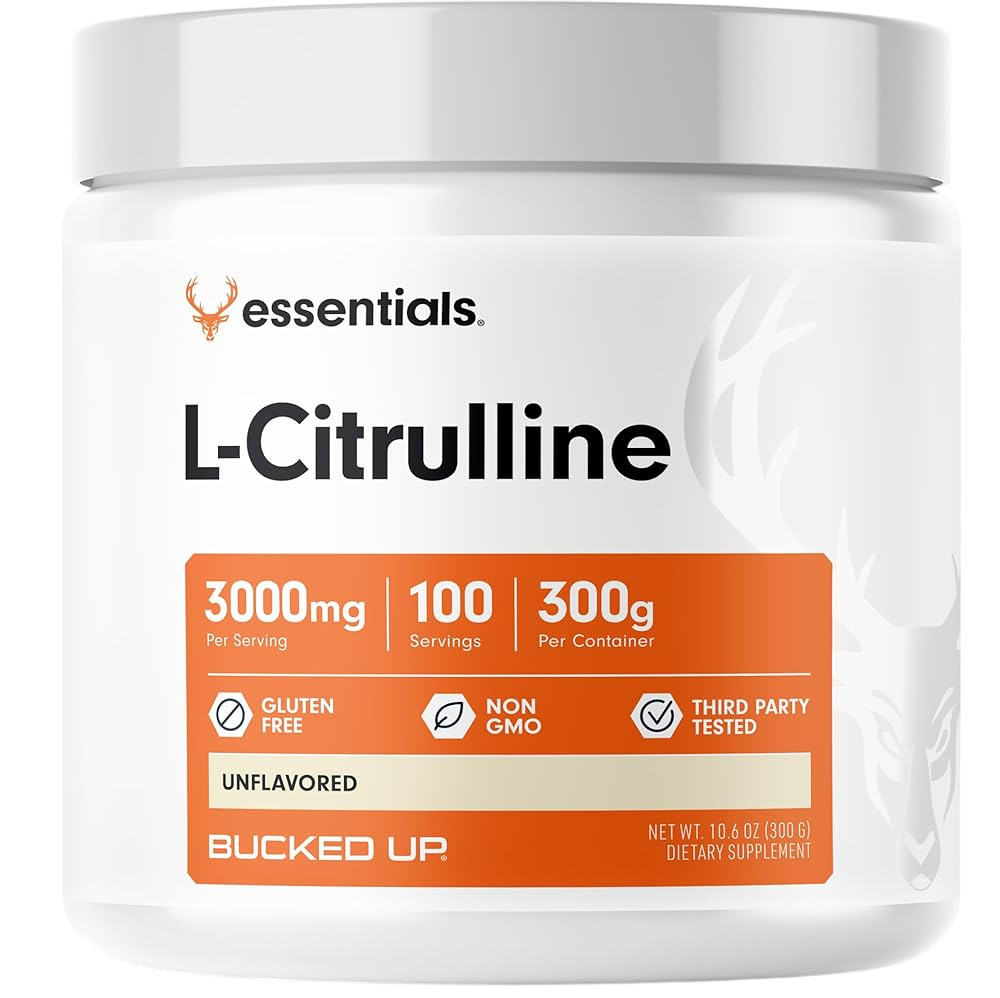
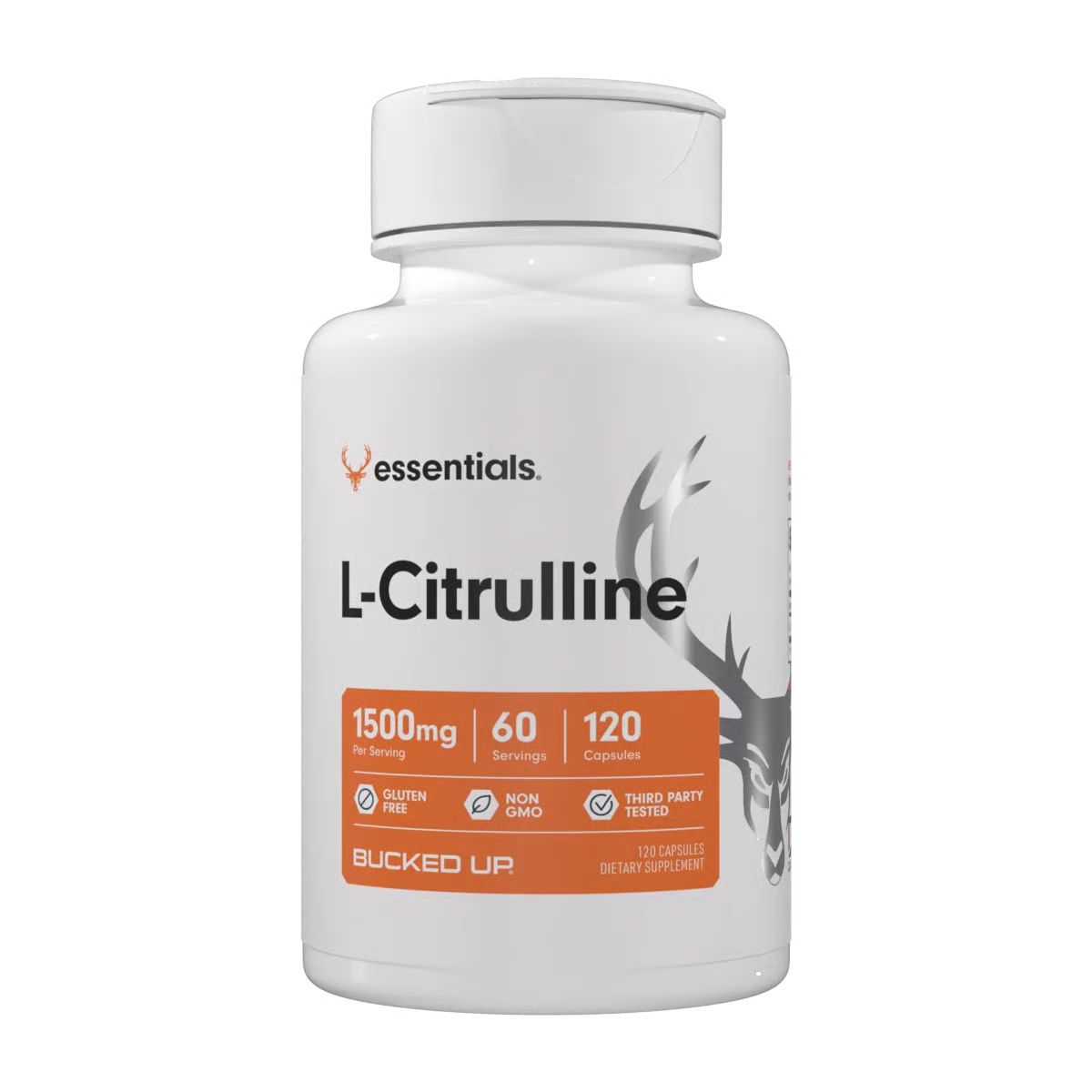
#3 Pure L-Citrulline Powder/Capsules: Watermelon King
L-Citrulline changes the game through its pharmacokinetic profile. Unlike L-Arginine, which undergoes significant first-pass metabolism in the splanchnic region, L-Citrulline bypasses intestinal and liver extraction and converts to L-arginine primarily in the kidneys. This pathway supports sustained elevation of plasma arginine levels and steady nitric oxide production.1
Research connects this mechanism to performance benefits. A 2010 randomized controlled trial in 41 men showed that 8 grams of citrulline malate increased repetitions by an average of 53% in the second half of workouts and reduced muscle soreness by 40% at 24–48 hours post-exercise1. Additional research suggests L-citrulline is more potent than L-arginine for raising plasma arginine because of this lower first-pass metabolism.1 Together, these findings show why many athletes favor L-Citrulline when they want consistent pumps and recovery support.1
Explore Bucked Up’s pure L-Citrulline options to find a powder or capsule format that fits your routine. Many athletes start with 3–6g per day to gauge pump intensity and training response.1
#2 Bucked Up Pre-Workouts (Bucked Up/Woke AF): Dosing Excellence
Bucked Up and Woke AF pre-workouts provide 6g Citrulline Malate in a 2:1 ratio, paired with AstraGin for absorption support.1 The malate component feeds the Krebs Cycle for energy metabolism, while L-Citrulline drives vasodilation.1 This pairing helps counter stimulant-related vasoconstriction so caffeine energy can translate into effective nutrient delivery.1 The 6g dose aligns with research-backed ranges for nitric oxide support in training.1
#1 Mother Bucker: Comprehensive Pump Stack
Mother Bucker combines 4g pure L-Citrulline with Nitrosigine and Hydroprime Glycerol. This “Pump Trifecta” targets vasodilation through three biological pathways: L-Citrulline for sustained arginine conversion, Nitrosigine for faster onset, and glycerol for cellular hydration.1 Advanced athletes often view this style of stacking as a comprehensive natural alternative to more traditional pump-focused supplements.
Natural Alternatives Ranked by Efficacy and Practicality
The table below summarizes how these alternatives compare on dosing, evidence strength, and ideal use cases. Use it as a quick reference to match each option with your goals, whether you want everyday cardiovascular support or gym-focused performance.
| Alternative | Key Mechanism/Practical Dose | Evidence Strength | Best For |
|---|---|---|---|
| Beets | Nitrates, substantial volume | Blood pressure benefits | Daily cardiovascular support |
| Leafy Greens | Nitrates, 1 cup = 4–5 mmHg | Moderate evidence | Accessible daily intake |
| L-Citrulline | Arginine conversion, 3–6g | +53% reps, 40% less soreness1 | Performance enhancement |
| Bucked Up Mother Bucker | 4g pure plus stacked ingredients, advanced | Superior pharmacokinetics | Advanced pumps |
Now that you have seen how L-Citrulline-based options rank against food sources, you can look more closely at what sets Bucked Up’s citrulline formulations apart from other supplements.
Why Bucked Up L-Citrulline Stands Out
Bucked Up focuses on transparent labels and clear dosing where some competitors can use proprietary blends. The 2:1 Citrulline Malate ratio delivers two benefits: L-Citrulline for vasodilation and malic acid for Krebs Cycle support. Advanced formulations also include AstraGin for absorption support and Nitrosigine for additional nitric oxide effects.
The product line targets different athlete profiles. Bucked Up suits lifters who want balanced performance and moderate stimulation. Woke AF fits high-tolerance users who need stronger stimulants with pump support. Mother Bucker serves advanced athletes who prioritize maximum vasodilation and pump intensity. This structure helps address common issues such as flat pumps or feeling “wired but not pumped” from stimulants alone.
Many lifters see strong results with 6–8g Citrulline Malate taken about 60 minutes before training to support nitric oxide levels.1 Bucked Up’s transparent formulations provide citrulline-based products that align with these research-backed ranges.
Before you apply these dosing strategies consistently, you also need a clear view of L-Citrulline’s safety profile and potential interactions. That context helps you use it effectively and responsibly.
Safety and Practical Tips
L-Citrulline shows strong tolerability in human research. L-citrulline supplementation is well tolerated up to 15 grams per day in human trials, with fewer gastrointestinal side effects than L-arginine1. Mild gastrointestinal discomfort can appear with single doses above about 10g, so many users build up gradually.
Some people need extra caution. Sensitive individuals should watch for signs of low blood pressure and adjust dosing with guidance. L-citrulline should not be combined with PDE5 inhibitors, nitrate-based medications, antihypertensives, or blood thinners because of the risk of severe hypotension. Anyone with existing medical conditions or prescriptions should talk with a healthcare provider before starting L-Citrulline.
Frequently Asked Questions
How does L-Citrulline compare to beets for blood flow support?
L-Citrulline usually offers a more practical approach than beets for targeted blood flow support. Beets can require roughly 1 pound or large juice servings to reach meaningful nitrate levels. L-Citrulline relies on kidney-based conversion to arginine, which bypasses first-pass metabolism and supports sustained plasma arginine levels. That pattern makes L-Citrulline a consistent option for athletes who want repeatable performance effects.
Why is L-Citrulline better than L-Arginine?
L-Citrulline addresses the “L-arginine paradox,” where direct arginine supplementation faces heavy first-pass metabolism in the liver and intestines. It converts to arginine in the kidneys, which supports higher and more sustained plasma arginine levels. This pathway generally produces stronger and longer-lasting nitric oxide support than direct arginine intake.
What is an effective L-Citrulline dose for workouts?
Research often supports 6–8g Citrulline Malate taken about 60 minutes before exercise for performance benefits. Studies at these levels report increased repetitions and reduced muscle soreness.1 Pure L-Citrulline typically requires 3–6g for similar effects because it does not include malic acid weight.
How does Bucked Up compare to competitors?
Bucked Up highlights transparent dosing instead of proprietary blends that can hide ingredient amounts. The use of AstraGin for absorption support and specific ratios such as 2:1 Citrulline Malate reflects attention to research-based formulation. The lineup covers different stimulant tolerances and performance goals while keeping consistent quality standards.
What is a strong natural vasodilator option?
L-Citrulline provides a strong and practical natural vasodilator choice because of its unique pharmacokinetic profile and sustained effects. Foods like beets contribute nitrates, yet their serving size needs can limit everyday use. L-Citrulline’s kidney-based conversion to arginine offers a reliable pathway for ongoing nitric oxide production among natural alternatives.
Conclusion
L-Citrulline and Bucked Up formulations can stand out among natural options for nitric oxide support because of their pharmacokinetics and practical dosing. Foods such as beets and leafy greens still play a role in cardiovascular health, yet their volume requirements and variable effects can feel limiting for serious athletes. L-Citrulline’s kidney conversion pathway bypasses first-pass metabolism and supports sustained plasma arginine levels, which many lifters associate with reliable pumps and performance.1
Explore Bucked Up’s Citrulline Malate and Pure L-Citrulline lineup to see which formula fits your training style, and experience how transparent, research-aligned dosing can support your gym results.
1 The content provided in this article is for informational purposes only and is not medical advice. Consult with a medical professional before implementing any changes to your diet, health, or exercise routines.
Individual results will vary and are based on a combination of each individual’s diet, exercise, age, and health circumstances.
These statements have not been evaluated by the Food and Drug Administration. This product is not intended to diagnose, treat, cure or prevent any disease.
This article was written by Ryan Gardner, CEO of Bucked Up. As the maker of Bucked Up Protein Soda, we have a financial interest in this information. The views expressed are our own and should be read with that context in mind.