Key Takeaways
- L-Citrulline tops natural NO boosters by bypassing liver metabolism, delivering 2x arginine boost for 53% more reps and 40% less soreness.
- Beetroot juice provides rapid nitrate-to-NO conversion, lowering blood pressure 8/4 mmHg and enhancing endurance.
- Leafy greens and garlic offer sustained NO support through nitrates and allicin, protecting vascular health daily.
- Pomegranate and dark chocolate extend NO lifespan via antioxidants and flavanols, amplifying other boosters’ effects.
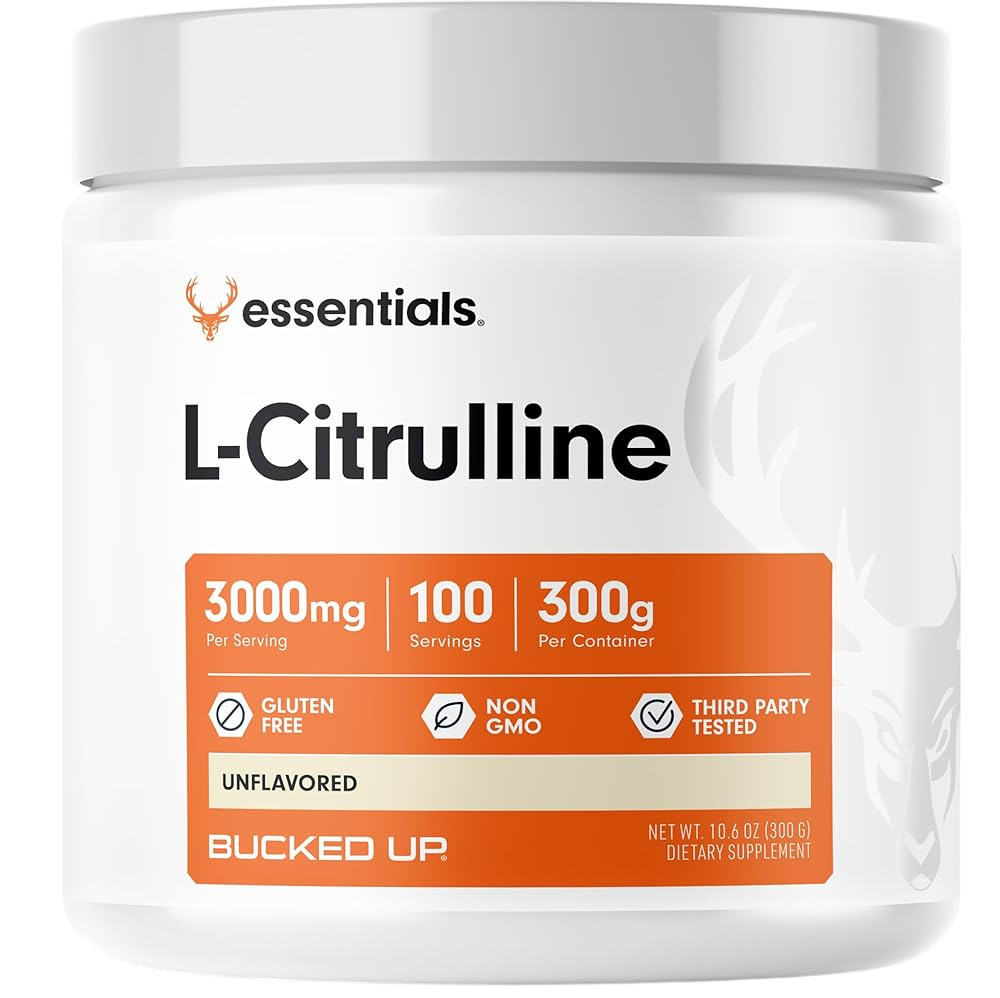
- Stack L-Citrulline with Bucked Up’s pure L-Citrulline supplement for clinical doses and peak performance without watermelon volumes.
The Ranked List of Top Natural Nitric Oxide Boosters
1. L-Citrulline from Watermelon: Top Natural NO Booster
L-Citrulline ranks as the most effective natural nitric oxide booster because it bypasses liver metabolism and reaches the kidneys intact. Watermelon is the richest natural source, especially in the rind, where citrulline acts as a precursor to L-arginine for nitric oxide production and blood vessel relaxation.
Clinical studies show L-Citrulline outperforms arginine supplements. Eight grams of Citrulline Malate can increase total reps to failure by up to 53% and improve cycling endurance by 12%. It also cuts muscle soreness by about 40% two days after training and supports cardiovascular health with modest blood pressure reductions.
Reaching a therapeutic 3–6g daily dose from food alone requires roughly 1kg or more of watermelon per serving. That volume feels unrealistic for most people, so supplementation becomes the practical route. Bucked Up’s L-Citrulline products provide clinical doses with AstraGin® for better absorption, delivering watermelon-level benefits without massive portions.
2. Beets and Beet Juice: Fast-Acting Nitrate Source
Beetroot offers one of the highest natural concentrations of dietary nitrates, which convert to nitric oxide through bacteria in the mouth and stomach. This nitrate pathway raises nitric oxide quickly and works independently of the arginine–citrulline cycle.
Research shows that 250 ml of beetroot juice per day can lower blood pressure by about 8/4 mmHg in four weeks, with especially quick effects on systolic pressure. Athletes often notice better endurance and oxygen efficiency during training, so beet juice has become a popular pre-workout option.
The nitrate-to-NO conversion delivers rapid vascular benefits, although the effect does not last as long as citrulline-based support. Pairing beetroot with L-Citrulline creates stronger nitric oxide output through two separate pathways.
3. Leafy Greens: Daily Nitrate Foundation
Spinach, arugula, and other leafy greens provide some of the highest nitrate levels among vegetables, giving steady nitric oxide support through regular meals. These foods act as a reliable base for daily cardiovascular health.
Nitrates in leafy greens help maintain endothelial function and blood vessel flexibility. They also supply folate, potassium, and other nutrients that work together to support heart health. Consistent intake helps keep baseline nitric oxide levels stable throughout the day.
Leafy greens work best as a long-term habit rather than a single-dose strategy. Reaching performance-level nitrate intake often requires large servings, which many people struggle to eat every day.
4. Garlic: Allicin-Driven NO Support
Garlic boosts nitric oxide through allicin and hydrogen sulfide pathways that complement standard NO synthesis. Researchers continue to study garlic’s cardio-protective effects through nitric oxide production and mitochondrial biogenesis, which positions garlic as a unique natural NO booster.
Sulfur compounds in garlic activate endothelial nitric oxide synthase and provide antioxidant protection that slows nitric oxide breakdown. This combination supports both NO production and its lifespan in the bloodstream.
Fresh garlic delivers the most allicin, while aged garlic extracts offer standardized compounds with less odor. Garlic pairs well with other nitric oxide boosters because it helps protect existing NO from oxidative damage.
5. Pomegranate: Extends Nitric Oxide Lifespan
Pomegranate polyphenols improve nitric oxide availability by protecting existing NO and supporting endothelial function. Instead of directly creating nitric oxide, pomegranate helps NO stay active longer in the body.
Antioxidants in pomegranate juice and extracts lower oxidative stress that normally breaks down nitric oxide. This effect can magnify the impact of other NO-boosting foods and supplements, which makes pomegranate a strong stacking choice.
Studies show pomegranate intake improves endothelial function and arterial flexibility over time. The fruit works especially well when combined with direct nitric oxide precursors like L-Citrulline.
6. Dark Chocolate: Flavanol-Driven Blood Flow
Dark chocolate with at least 70% cacao provides flavanols that stimulate endothelial nitric oxide synthase. These compounds enhance the enzyme that converts L-arginine into nitric oxide, which can strengthen the effect of arginine precursors.
Research links dark chocolate intake with better blood flow and lower blood pressure through nitric oxide–mediated vasodilation. Flavanols also act as antioxidants that help preserve nitric oxide from early breakdown.
A daily serving of 20–30 g of high-cacao dark chocolate seems to provide benefits without adding too many calories. Dark chocolate stacks well with L-Citrulline by improving the efficiency of arginine-to-NO conversion.
Quick Comparison: Top 3 vs Popular Supplements
|
Source |
Bioavailability |
Mechanism |
Practicality |
Side Effects |
|
L-Citrulline |
High (bypasses liver) |
Kidney conversion to arginine |
Excellent (supplements) |
Minimal |
|
Beetroot |
High (direct nitrate) |
Bacterial nitrate reduction |
Good (juice form) |
Minimal |
|
Leafy Greens |
Moderate |
Dietary nitrate conversion |
Moderate (large portions) |
None |
|
L-Arginine Supplements |
Low (20% absorption) |
Direct NO precursor |
Poor (GI issues) |
High (crashes, GI distress) |
7. Citrus Fruits and Vitamin C: Protect Existing NO
Vitamin C from citrus fruits helps stabilize nitric oxide and slows its breakdown by reactive oxygen species. It does not create NO directly but keeps nitric oxide active for longer.
As an antioxidant, vitamin C shields endothelial cells from oxidative damage and supports recycling of other antioxidants that protect nitric oxide. This environment favors steady NO activity.
A daily intake of 200–500 mg of vitamin C from citrus and other foods usually covers nitric oxide protection. Taking vitamin C around the same time as other NO boosters can extend their effects.
8. Exercise and Deep Breathing: Natural NO Triggers
Physical exercise and controlled breathing increase nitric oxide production by raising blood flow and shear stress on vessel walls. This mechanical stress activates endothelial nitric oxide synthase and acts like a natural pump.
High-intensity intervals and resistance training create the strongest shear stress, while deep breathing improves oxygen delivery that supports NO synthesis. These habits work alongside diet and supplements.
Regular training strengthens the nitric oxide response over time. Better vascular function then supports higher performance, especially when combined with L-Citrulline.
9. Avoid Overuse of Mouthwash to Protect Nitrate Pathway
Frequent use of antibacterial mouthwash can wipe out oral bacteria that convert dietary nitrates into nitric oxide. This disruption weakens a major natural NO pathway.
Bacteria on the tongue reduce nitrates from foods like beets and leafy greens into nitrites, which then convert to nitric oxide in the stomach. Removing these bacteria lowers the payoff from nitrate-rich foods.
Limiting mouthwash to essential use and choosing alcohol-free options when needed helps maintain the nitrate-to-NO conversion system. This simple habit costs nothing and can support higher nitric oxide levels.
10. L-Citrulline Stacks: Multi-Pathway Pump Strategy
Stacking L-Citrulline with ingredients like Nitrosigine® and glycerol can create stronger effects than any single component alone. Bucked Up’s Mother Bucker follows this model with 4 g Pure L-Citrulline plus Nitrosigine® and Hydroprime® Glycerol.
This stack targets vasodilation from several angles. L-Citrulline raises arginine for sustained nitric oxide, Nitrosigine® supports rapid blood flow, and glycerol improves cellular hydration for a fuller pump.
11. Pumpkin Seeds: Whole-Food Citrulline Bonus
Pumpkin seeds supply a modest amount of L-Citrulline plus minerals like zinc and magnesium that support vascular health. They do not replace primary citrulline sources but add convenient whole-food support.
The mix of citrulline and zinc in pumpkin seeds may help both testosterone and blood vessel function. This makes them a useful add-on in a broader nitric oxide plan.
About a quarter cup of pumpkin seeds provides roughly 50–100 mg of citrulline along with healthy fats and key minerals. That amount will not cover performance needs alone, yet it pairs well with other NO boosters.
Natural Nitric Oxide Boosters FAQs
What is the best natural nitric oxide booster?
L-Citrulline ranks as the most effective natural nitric oxide booster because it delivers superior bioavailability and sustained arginine levels. L-Arginine breaks down heavily in the gut and liver, while L-Citrulline bypasses the liver and converts to arginine in the kidneys, giving roughly double the plasma arginine increase. Clinical studies show that 6–8 g of Citrulline Malate taken about 60 minutes before training can raise performance, increase reps by up to 53%, and cut muscle soreness by about 40%. Watermelon is the richest food source, but reaching effective doses from fruit alone requires unrealistic portions, so a quality L-Citrulline supplement offers the most consistent nitric oxide support.
How does L-Citrulline compare to L-Arginine for nitric oxide production?
L-Citrulline outperforms L-Arginine for nitric oxide production in both absorption and duration. L-Arginine shows low bioavailability, with only about 20% absorbed because arginase enzymes in the gut and liver break much of it down during first-pass metabolism. L-Citrulline avoids this breakdown and converts efficiently to L-Arginine in the kidneys, which keeps plasma arginine elevated for longer than direct arginine intake.
This pharmacokinetic advantage allows L-Citrulline to support steadier nitric oxide output with fewer digestive issues. Peak plasma levels usually appear within 1–2 hours after taking L-Citrulline, which gives predictable timing for pre-workout use. L-Arginine often causes gastrointestinal discomfort and inconsistent absorption.
What dosage of L-Citrulline provides optimal pump and performance benefits?
The ideal L-Citrulline dose depends on your goal and the form you use. For strength training and muscle pumps, 6–8 g of Citrulline Malate, which yields about 3.4–4.5 g of pure L-Citrulline, taken 60 minutes before exercise has strong clinical support. This range improves reps, endurance, and recovery.
For cardiovascular and blood pressure support, 3–6 g of pure L-Citrulline per day provides meaningful benefits, with 6 g or more showing the clearest impact on diastolic pressure. The common 2:1 Citrulline Malate ratio also adds malic acid, which supports energy production and may help buffer lactic acid. Taking L-Citrulline 30–60 minutes before training usually aligns peak blood levels with your workout.
Are natural nitric oxide boosters safe to use with blood pressure medications?
Natural nitric oxide boosters can interact with blood pressure medications, so medical guidance matters. L-Citrulline and similar enhancers promote vasodilation, which can intensify the effects of drugs such as ACE inhibitors, beta-blockers, and calcium channel blockers. This combination can drop blood pressure too far in some people.
The same concern applies to nitrate drugs for angina and PDE5 inhibitors for erectile dysfunction, because stacking them with strong NO boosters may trigger dangerous hypotension. People with naturally low blood pressure face higher risk of dizziness or fainting. Whole foods like beets and leafy greens usually carry lower risk than concentrated supplements, yet anyone on cardiovascular medication should work with a healthcare provider to monitor readings and adjust doses when adding nitric oxide boosters.
What is the fastest way to naturally increase nitric oxide levels?
The fastest natural way to raise nitric oxide combines beetroot juice with L-Citrulline. Beetroot juice supplies nitrates that convert to nitric oxide within about 30–60 minutes through oral and stomach bacteria. At the same time, 6–8 g of Citrulline Malate raises arginine levels, with peak effects around 1–2 hours and several hours of sustained NO production.
This dual strategy covers both speed and duration. For pre-workout use, drinking about 250 ml of beetroot juice with L-Citrulline 60 minutes before training usually aligns peak nitric oxide with your session. Deep breathing drills and skipping antibacterial mouthwash around that time can further support the nitrate-to-NO pathway.
Boost NO Naturally with the Best Picks
L-Citrulline stands out among natural nitric oxide alternatives by offering strong bioavailability and lasting performance benefits that beat standard arginine supplements. Whole foods such as watermelon, beets, and leafy greens still play a valuable role, yet reaching clinical doses from food alone often requires unrealistic amounts, especially for serious lifters and endurance athletes.