Last updated: April 22, 2026
Key Takeaways
- L-citrulline from watermelon bypasses arginine’s metabolic limitations, raising plasma arginine more effectively for sustained nitric oxide production and performance.
- Beetroot juice through the nitrate-nitrite pathway can reduce exercise oxygen cost by up to 19% and enhance endurance when taken 2-3 hours pre-workout.
- Leafy greens like arugula and spinach provide high nitrate concentrations; aim for 100-200g raw daily for steady nitric oxide support.
- Garlic’s allicin and antioxidants from citrus, dark chocolate, pomegranate, and nuts help protect and amplify nitric oxide bioavailability.
- Combine lifestyle factors like exercise, sunlight, and sleep with targeted supplements; consider Bucked Up’s pure L-citrulline for consistent nitric oxide support.1
1. L-Citrulline from Watermelon: Raising Nitric Oxide Naturally
L-citrulline raises nitric oxide through a distinct metabolic route. Unlike arginine, L-citrulline bypasses intestinal and liver arginase extraction almost entirely, is converted to L-arginine primarily in the kidneys, and produces sustained, prolonged elevations in plasma arginine and nitric oxide levels.
Research compares citrulline directly with arginine. Studies indicate that L-citrulline can raise plasma arginine levels more effectively than an equal dose of L-arginine. A 2007 pharmacokinetic trial demonstrated L-citrulline at 750 mg twice daily produces a plasma arginine AUC of 271 µmol h l⁻¹, similar to 289 µmol h l⁻¹ for L-arginine SR at 1600 mg twice daily. Lin et al. (2025) extended these findings by showing that L-citrulline supplementation augments NO-mediated vasodilation, mitochondrial biogenesis, glucose uptake, and protein synthesis in older adults.1
Watermelon supplies a natural source of L-citrulline, yet intake requirements can feel high. Watermelon contains approximately 2 to 3 grams per kilogram in the flesh and higher concentrations in the rind, which means roughly 2.2 to 3.3 pounds daily for effective dosing. Many people find supplementation more practical, with 3-6 grams of pure L-citrulline or 6-8 grams of citrulline malate supporting performance goals.1
2. Beetroot: Nitric Oxide from the Nitrate-Nitrite Pathway
Beetroot supplies concentrated dietary nitrates that your body can convert to nitric oxide. Beetroot contains 90 mg of nitrate per 100 grams fresh weight, and oral bacteria convert these nitrates to nitrites, which then convert to nitric oxide in the body.
Evidence supports beetroot’s role in exercise performance. A study in the Journal of Applied Physiology found that 500 mL of beetroot juice daily reduced the oxygen cost of submaximal exercise by 19% and improved time-to-exhaustion during high-intensity effort. A 2020 randomized double-blind crossover study by Ranchal-Sánchez et al. demonstrated that acute beetroot juice supplementation enhanced muscular endurance performance during resistance training in resistance-trained athletes.1
Timing and oral health habits influence beetroot’s impact. Beetroot juice from beets is most effective for increasing nitric oxide when consumed 2-3 hours before exercise or activities requiring mental focus. Avoid antibacterial mouthwash after drinking beetroot juice, because friendly oral bacteria convert nitrates from leafy greens and beets to nitrites for nitric oxide production.
3. Leafy Greens: High-Nitrate Nitric Oxide Foods
Leafy greens deliver some of the highest nitrate densities among everyday vegetables. Arugula has the highest nitrate content among all leafy greens, with spinach, kale, Swiss chard, and butter leaf lettuce also rich in nitrates that support nitric oxide production via the nitrate-nitrite pathway. These vegetables help maintain a steady background of nitric oxide support.
Preparation strongly affects nitrate retention. Raw leafy greens like arugula retain the highest nitrate content compared to cooked versions. Fresh salads, smoothies, and raw toppings work well when you want to keep nitrate levels high.
Daily intake targets help turn this into a habit. Practical implementation involves consuming 100-200 grams of mixed leafy greens daily to help support nitrate intake. Dietary intakes of 300 to 400 mg of nitrate from high-nitrate vegetables like beets, arugula, and spinach are associated with benefits for nitric oxide production. As mentioned with beetroot, protect your oral bacteria by skipping antibacterial mouthwash around these nitrate-rich meals.
4. Garlic: Allicin-Based Support for Nitric Oxide
Garlic supports nitric oxide production through allicin, a sulfur compound formed when garlic is crushed or chopped. Garlic stimulates nitric oxide synthase enzymes, which support the conversion of L-arginine to nitric oxide through enzymatic pathways rather than the nitrate-nitrite route used by vegetables.
How you prepare garlic changes its impact. Fresh, crushed garlic provides maximum allicin content, while aged or heavily cooked preparations may reduce potency. Let crushed garlic sit for 10-15 minutes before cooking to support allicin formation and stability.
Most people can start with 2-4 cloves of fresh garlic daily, either raw or lightly cooked. Garlic supplements standardized for allicin content offer an alternative for those who dislike the taste or experience digestive discomfort. This approach pairs well with nitrate-rich meals and L-citrulline sources, because garlic’s enzymatic support complements other nitric oxide pathways.
How These Nitric Oxide Foods Work Together
These natural options support nitric oxide through several coordinated mechanisms. Nitrate-rich foods like beets and leafy greens use the nitrate-nitrite-nitric oxide pathway, which depends on healthy oral bacteria. L-citrulline bypasses first-pass metabolism and raises arginine levels in a sustained way, feeding nitric oxide synthesis. Garlic stimulates nitric oxide synthase directly, strengthening enzymatic production.
The next sections focus on antioxidant protection, lifestyle strategies, and targeted supplementation that help you maintain and apply these nitric oxide gains in daily life.
5. Citrus Fruits and Dark Chocolate: Antioxidant Protection for Nitric Oxide
Citrus fruits and dark chocolate help nitric oxide last longer in your system. They work mainly by protecting existing nitric oxide from oxidative damage rather than by producing large amounts themselves. Vitamin C and flavonoids in citrus fruits prevent the breakdown of nitric oxide, which extends its half-life and effectiveness in the bloodstream.
Dark chocolate adds another layer of support through cocoa polyphenols. Polyphenols in dark chocolate with 70% or higher cocoa content enhance nitric oxide production and vasodilation. These compounds help protect nitric oxide from oxidative degradation and support healthy endothelial function.
A practical routine might include 1-2 servings of citrus fruits daily and 20-30 grams of dark chocolate with at least 70% cocoa. Consistency matters more than exact timing, because these foods build up antioxidant defenses over time. Pairing them with nitrate-rich vegetables or L-citrulline sources can further support nitric oxide availability.
6. Pomegranate and Nuts: Daily Nitric Oxide Amplifiers
Pomegranate and nuts work together to support nitric oxide from different angles. Antioxidants in pomegranate increase nitric oxide bioavailability, while L-arginine in nuts and seeds such as walnuts and pistachios supports nitric oxide production by supplying raw material for nitric oxide synthase.
Pomegranate’s polyphenols, especially punicalagins and anthocyanins, help shield nitric oxide from reactive oxygen species that would otherwise break it down quickly. This protection extends the functional half-life of nitric oxide produced from nitrates or L-citrulline, so you get more benefit from the same production.
For everyday use, many people aim for 100-200 ml of pomegranate juice or one whole pomegranate daily, plus 30-60 grams of mixed nuts. Walnuts and pistachios provide relatively high arginine content among common nuts, while almonds and Brazil nuts contribute vitamin E and selenium for additional antioxidant support.
7. Exercise, Sunlight, Sleep, and Stress: Lifestyle Support for Nitric Oxide
Movement and sunlight create a strong base for nitric oxide health. Thirty minutes of moderate cardio or resistance training 4-5 times per week elevates endothelial nitric oxide synthase (eNOS) activity, boosting nitric oxide levels. This adaptation helps your body use dietary nitrates and amino acids more effectively.
Sun exposure adds another natural pathway. Moderate sun exposure aids skin generation of nitric oxide, which works independently of nitrate intake or amino acid supplements. Even short, regular sessions can contribute when combined with nutrition strategies.
Recovery habits round out this foundation. Seven to nine hours of sleep nightly supports hormone regulation and vascular healing for better nitric oxide, while de-stressing through meditation or deep breathing counters chronic cortisol’s reduction of nitric oxide. These practices create conditions where dietary and supplemental nitric oxide approaches can work more reliably.
8. Bucked Up L-Citrulline Products: Turning Natural Strategies into a Routine
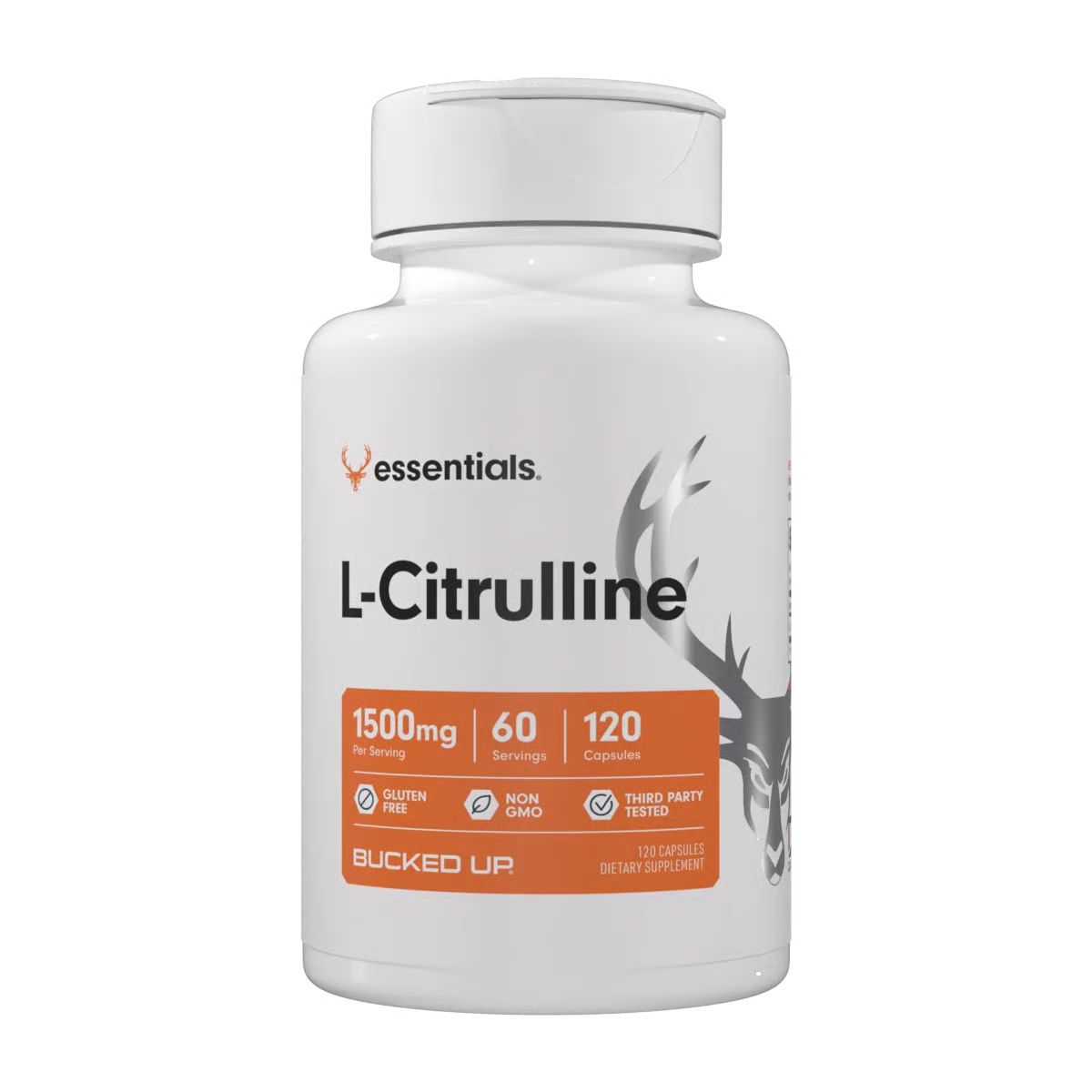
Bucked Up’s L-citrulline formulations help bridge the gap between food intake and performance-focused dosing.1 The product line offers three main options: pure L-citrulline powder (3g per scoop), citrulline malate in pre-workouts at 6g per serving, and capsules with 750 mg per capsule.
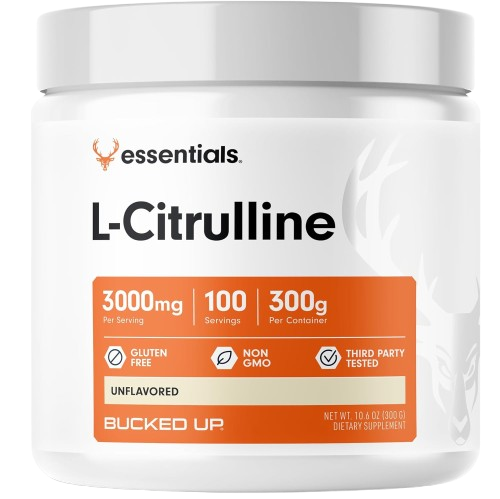
These formulations include ingredients that support absorption and performance in ways that typical foods may not match.1 Astragin® supports citrulline absorption beyond what natural sources usually provide, while the 2:1 citrulline malate ratio in Bucked Up and Woke AF pre-workouts combines nitric oxide support with energy metabolism through malic acid’s role in the Krebs cycle.1
Advanced blends like Mother Bucker stack 4g pure L-citrulline with Nitrosigine® and Hydroprime® glycerol to target several vasodilation pathways at once while supporting intramuscular hydration.1 For precise dosing that complements whole-food strategies, many athletes start with Bucked Up’s pure L-citrulline and then layer in pre-workouts or stacks as training demands increase.
Quick Comparison of Natural Alternatives
The table below summarizes key natural nitric oxide alternatives, their main active compounds, and practical dosing ranges so you can match options to your goals.
| Alternative | Key Compound | Typical Dose | Primary Benefits |
|---|---|---|---|
| Watermelon/L-Citrulline | L-Citrulline | 3-6g | Performance, Recovery |
| Beetroot | Nitrates | 500mL juice (~385mg nitrate) | Endurance, Exercise Efficiency |
| Leafy Greens | Nitrates | 100-200g (250-400mg nitrate) | Daily NO Support |
| Bucked Up L-Citrulline | L-Citrulline + Enhancers | 6g Malate or 3-4g Pure | Absorption, Performance1 |
Frequently Asked Questions
How can I replace nitric oxide supplements naturally?
You can replace many nitric oxide supplements by combining L-citrulline-rich foods like watermelon with nitrate sources such as beetroot juice and leafy greens. Add garlic to support nitric oxide synthase activity and include antioxidant-rich foods like pomegranate and dark chocolate to help protect existing nitric oxide. For consistent dosing, some people use pure L-citrulline at 3-6 grams daily alongside these foods.1
What is a natural substitute for nitric oxide boosters?
L-citrulline provides strong bioavailability compared to many arginine-based products.1 It bypasses liver metabolism and converts to arginine in the kidneys, which supports sustained nitric oxide elevation.1 Pairing L-citrulline with beetroot juice for acute effects and leafy greens for daily nitrate intake creates a well-rounded natural approach.
How does L-citrulline compare to traditional NO supplements?
L-citrulline often provides more reliable support than traditional arginine-based supplements because it avoids first-pass metabolism that can destroy a significant portion of oral arginine.1 This difference helps citrulline produce higher and more sustained plasma arginine levels, which supports steady nitric oxide production with fewer digestive issues at typical doses.1
Should I use citrulline malate or pure L-citrulline?
Your choice depends on training goals. Citrulline malate in a 2:1 ratio at 6-8 grams total supports endurance and energy production through malic acid’s role in the Krebs cycle.1 Pure L-citrulline at 3-6 grams focuses more directly on nitric oxide production and blood flow.1 Many lifters use citrulline malate for longer sessions and pure citrulline for targeted pump and circulation support.1
When should I take natural nitric oxide boosters?
Take L-citrulline about 30-60 minutes before exercise to align with peak plasma levels. Drink beetroot juice 2-3 hours before training for optimal nitrate conversion. Include nitrate-rich leafy greens with meals throughout the day for baseline support. Avoid antibacterial mouthwash after consuming nitrate sources, because oral bacteria play a key role in nitrate-to-nitrite conversion.
Wrap-Up: Building Your Nitric Oxide Stack
Natural alternatives center on L-citrulline for bioavailability, beetroot for performance support, and leafy greens for daily nitrate intake. Together, these options create a foundation for nitric oxide elevation without relying solely on traditional arginine-based supplements.
For practical implementation, many people combine food strategies with L-citrulline supplementation to reach consistent, training-ready doses. This blend of diet, lifestyle, and targeted products can support nitric oxide levels more predictably than food alone, while still aligning with natural amino acid pathways.
1 The content provided in this article is for informational purposes only and is not medical advice. Consult with a medical professional before implementing any changes to your diet, health, or exercise routines.
Individual results will vary and are based on a combination of each individual’s diet, exercise, age, and health circumstances.
These statements have not been evaluated by the Food and Drug Administration. This product is not intended to diagnose, treat, cure or prevent any disease.
This article was written by Ryan Gardner, CEO of Bucked Up. As the maker of Bucked Up Protein Soda, we have a financial interest in this information. The views expressed are our own and should be read with that context in mind.