Last updated: April 22, 2026
Key Takeaways for Powerlifters
- Creatine monohydrate can increase strength by 5–15% through ATP regeneration when loaded at 20g daily, then maintained at 3–5g.1
- Caffeine at 6–8 mg per kg of body weight can enhance squat bar speed by up to 21% at 90% 1RM and delay fatigue.1
- L-citrulline at 6–8g (as citrulline malate) can increase bench press reps by about 53%, improve pumps, and speed up recovery.1
- Daily protein intake of roughly 0.7–1.0g per lb of body weight supports muscle repair and progressive overload in the Big 3 lifts.1
- Beta-alanine, fish oil, and vitamin D round out a complete legal stack by supporting volume, joint health, and hormone function.1
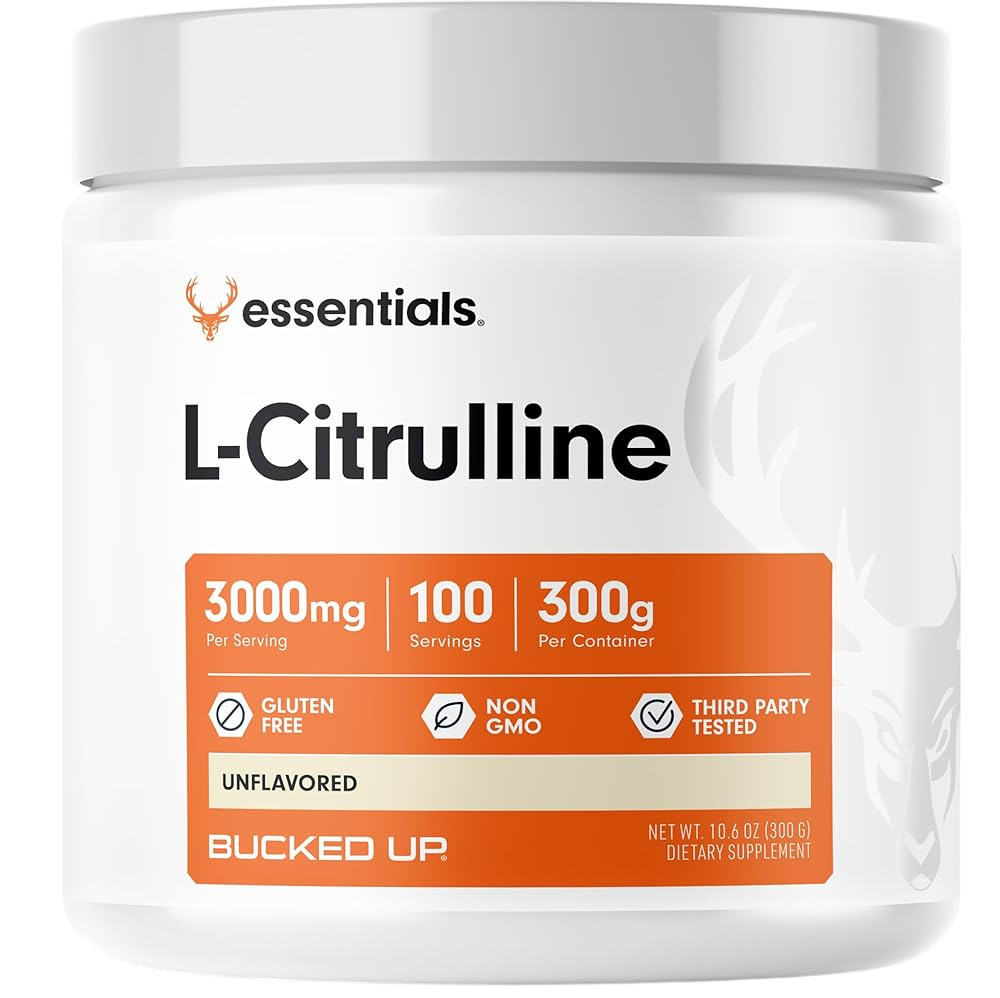
- Stack these with Bucked Up L-Citrulline for transparent dosing that supports consistent powerlifting performance.1
1. Creatine Monohydrate: ATP Power for Max Lifts
Creatine monohydrate gives powerlifters a direct boost in strength and training volume.1 Research shows creatine supplementation can increase strength performance by 5–15% across multiple exercises, allowing more reps, heavier loads, and higher total volume.1 The key mechanism involves phosphocreatine (PCr) regeneration, where PCr donates a phosphate to ADP to rapidly regenerate ATP for explosive movements such as heavy squats.1
Powerlifters can use a loading protocol to reach full saturation quickly. A common approach uses 20g daily, split into four 5g doses for 5–7 days, which fills muscle phosphocreatine stores to 100% capacity about three times faster than going straight to maintenance.1 After loading, a daily maintenance dose of 3–5g preserves full saturation.1 Upper body strength can respond especially well, with bench press strength increases reported up to 45% in resistance-trained men.1
2. Caffeine: CNS Drive for Heavy Singles
Caffeine supports powerlifting performance through both central nervous system stimulation and direct neuromuscular effects.1 A 2025 study by Enes et al. found that 8 mg per kg of body weight increased average squat bar speed by 17% at 80% 1RM and 21% at 90% 1RM in 16 experienced powerlifters.1 The same study reported that caffeine reduced loss of bar speed, a fatigue marker, by 25% at 80% 1RM and 30% at 90% 1RM.1
Competitive powerlifters often use 6–8 mg per kg of body weight, which equals roughly 490–650 mg for a 180 lb athlete, taken about 60 minutes before lifting. Caffeine blocks adenosine A2A receptors in the brain, which increases alertness and lowers perceived exertion, and it also promotes calcium release from the sarcoplasmic reticulum, improving muscle fiber excitability and motor unit recruitment.1
3. Protein: Daily Recovery Fuel for Strength
Powerlifters need higher protein intake than the general population because heavy training creates more muscle damage. Daily intake of roughly 0.7–1.0g of protein per lb of body weight supports muscle protein synthesis and recovery between intense sessions.1 Without this intake range, the damage from frequent heavy squats, bench presses, and deadlifts cannot be fully repaired, which limits progressive overload.
This protein foundation supports the tissue repair that underpins long-term strength gains in the Big 3.1 Consistent intake also helps maintain lean mass during weight cuts, which matters for lifters competing in specific weight classes.
4. Beta-Alanine: Carnosine Buffer for High Volume
Beta-alanine supports muscular endurance during high-rep or high-volume work.1 It increases intramuscular carnosine, which buffers hydrogen ions that build up during hard sets and contribute to fatigue.1 Powerlifters often feel the benefit most during accessory work, back-off sets, and higher-repetition phases of training.
Effective daily intake usually falls between 3.2g and 6.4g, split into smaller doses to reduce tingling sensations. The benefits accumulate over weeks as carnosine levels rise, so consistent use matters more than exact timing.
The table below summarizes practical dosing, key performance benefits, and how each supplement can fit into a Bucked Up-focused powerlifting stack.
| Supplement | Dose/Timing | Powerlifting Benefit | Bucked Up Stack |
|---|---|---|---|
| Creatine | 5g daily | Evidence-backed strength support1 | + Bucked Up Pre (daily) |
| Caffeine | 6–8 mg/kg pre-workout | Improved bar speed at heavy loads1 | Woke AF (333mg) |
| Beta-alanine | 3.2–6.4g daily | Buffers fatigue in high-rep sets1 | Mother Bucker (6.4g) |
5. L-Citrulline / Citrulline Malate: Pumps, Volume, and Recovery
L-citrulline acts as a nitric oxide booster that supports powerlifting performance.1 It bypasses intestinal and liver first-pass metabolism and converts to arginine in the kidneys, which sustains higher plasma arginine and nitric oxide levels compared with L-arginine gram for gram.
This pathway has clear training benefits. Pérez-Guisado and Jakeman reported that citrulline malate increased bench press repetitions by about 53% and reduced muscle soreness in strength-trained men.1 Powerlifters can translate this into more quality volume and better recovery between sessions.1
Practical dosing for powerlifters usually lands at 6–8g of citrulline malate in a 2:1 ratio or 4–6g of pure L-citrulline taken about 60 minutes before training. This efficient metabolism raises plasma L-arginine roughly twice as effectively as an equal dose of L-arginine, especially at 6g or more.1
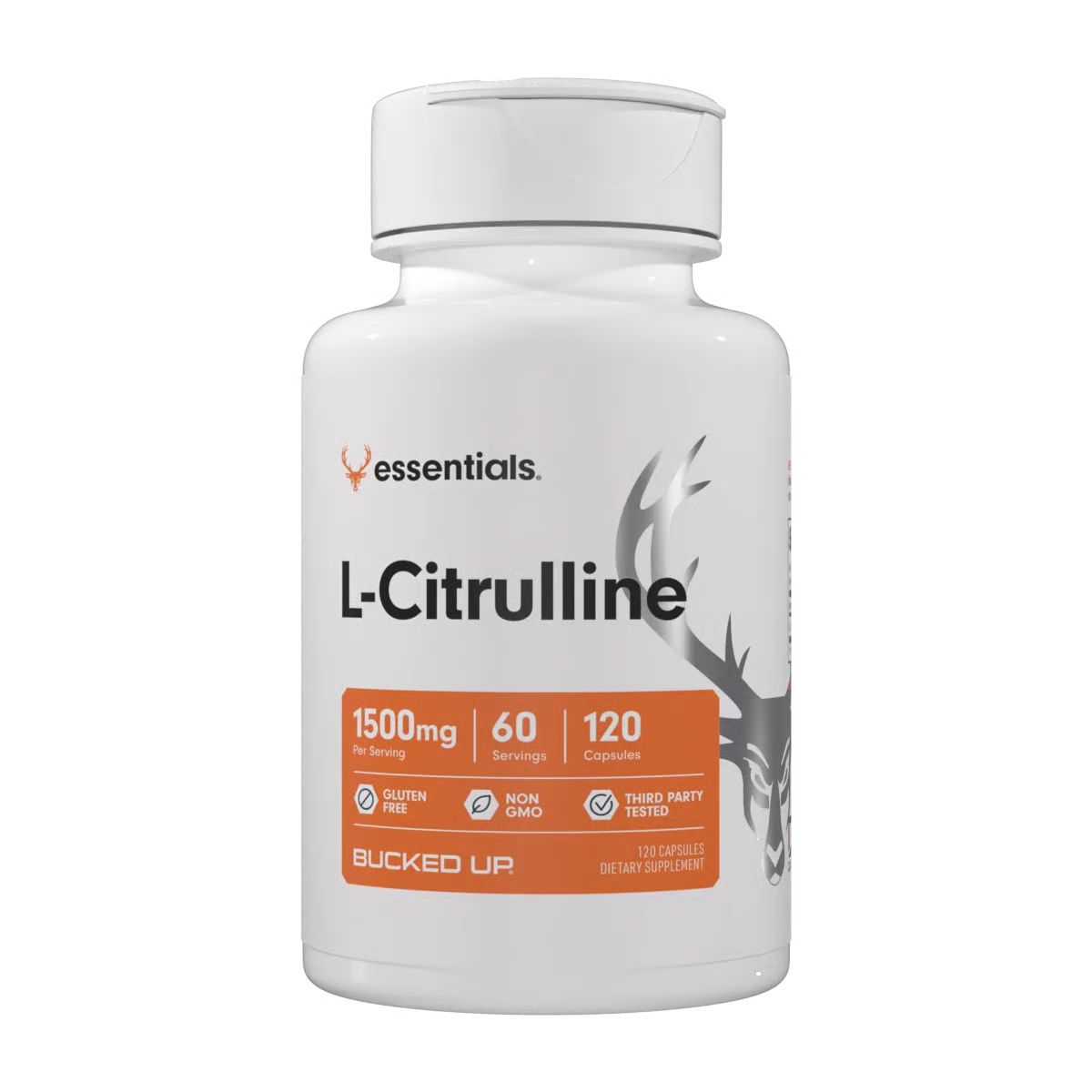
Bucked Up uses transparent L-citrulline dosing across its pre-workouts. Bucked Up and Woke AF each provide 6g citrulline malate in a 2:1 ratio, along with Astragin to support absorption. Mother Bucker supplies 4g pure L-citrulline paired with Nitrosigine for added vasodilation support. Explore Bucked Up’s citrulline powders and pre-workouts to match your dosing to meet prep and heavy training blocks.
6. Fish Oil: Joint Support for Heavy Training
Omega-3 fatty acids from fish oil help protect joints and manage inflammation for long-term lifting.1 EPA and DHA intake of 2–3g per day can support recovery from exercise-induced inflammation and soreness.1 This inflammation control becomes more important as weekly tonnage climbs and heavy singles accumulate.
Competitive powerlifters handle repeated high loads that stress connective tissue. Under these conditions, fish oil supplies essential fatty acids that support joint function and help maintain training capacity over long cycles.
7. Vitamin D: Strength and Hormone Backing
Vitamin D status influences testosterone production and muscle function, which matters for powerlifters who train mostly indoors.1 Many lifters fall short on sun exposure, so deficiency becomes a real risk. Daily intake between 2000 and 5000 IU often appears in strength-focused protocols, with higher amounts considered for athletes with limited sunlight, under medical guidance.
Adequate vitamin D supports hormone balance and muscle contractile function.1 Better status can help lifters feel stronger, recover more smoothly, and maintain performance through long prep phases.1
Powerlifter Stack Blueprint for Training and Meets
A practical stack for powerlifters combines daily foundation support with targeted pre-workout enhancers. Foundational use includes creatine monohydrate, sufficient daily protein, vitamin D, and fish oil for joint and hormone support. These pieces keep recovery, health, and strength progression moving in the right direction.
Pre-workout timing focuses on acute performance. Caffeine and L-citrulline provide strong returns for bar speed, training volume, and pumps that aid nutrient delivery. Beta-alanine supports higher-rep work during volume blocks, especially in accessories and back-off sets.
During meet prep, many lifters pair 6–8g L-citrulline with 6–8 mg per kg caffeine before heavy sessions. Citrulline-driven blood flow can support nutrient and oxygen delivery, while caffeine enhances neuromuscular drive. Together, they create a focused environment for expressing maximal strength.
Why Bucked Up Works Well for Powerlifters
Bucked Up focuses on clear labels and evidence-based dosing for key performance ingredients. Some competitors can use proprietary blends that make exact ingredient amounts hard to verify. Bucked Up instead lists 6g citrulline malate in its core pre-workouts and 4g pure L-citrulline in Mother Bucker, so lifters know what they are taking.
The formulas also include Astragin to support citrulline absorption, which helps lifters get full value from each gram. Manufacturing in USA GMP-certified facilities supports consistent quality and potency from batch to batch. Competitive powerlifters who rely on predictable responses from their supplements can benefit from this level of reliability. See how Bucked Up’s transparent citrulline dosing can support consistent training cycles and meet performance.
FAQ
What are the big 3 supplements for powerlifters?
Many powerlifters treat creatine, L-citrulline, and protein as their core stack. Creatine supports ATP regeneration and can deliver 5–15% strength improvements.1 L-citrulline helps increase training volume, with citrulline malate showing about 53% more reps in research.1 Protein intake around 0.7–1.0g per lb of body weight supports the recovery needed for progressive overload.1
What is a solid pre-workout setup for powerlifters?
A strong pre-workout approach for powerlifters often includes caffeine and L-citrulline at effective doses. Caffeine at 6–8 mg per kg of body weight and L-citrulline at 6–8g as citrulline malate or 4–6g as pure citrulline can support neuromuscular performance and training volume.1 Bucked Up Mother Bucker combines 400mg caffeine, 4g pure L-citrulline, Nitrosigine, and 6.4g beta-alanine for a comprehensive heavy-session formula.
How should powerlifters dose citrulline malate for deadlifts?
For deadlift sessions, many lifters use 6–8g of citrulline malate in a 2:1 ratio about 60 minutes before training. This provides roughly 4–5.3g of actual L-citrulline, which research links to higher training volume and less soreness. The malate portion supports energy production through the Krebs cycle, while citrulline supports blood flow to the working posterior chain.
Are legal performance enhancers worth it for powerlifters?
Legal performance enhancers can offer measurable benefits when used at research-backed doses. Studies report 5–15% strength gains from creatine, about 21% faster squat bar speed at 90% 1RM from caffeine, and roughly 53% more reps from citrulline malate in certain protocols.1 These changes can add meaningful pounds to meet totals while staying within drug-tested federation rules. The key is choosing supplements with solid evidence and clear dosing instead of relying on marketing hype.
What vitamins do powerlifters need most?
Vitamin D often sits at the top of the list for powerlifters, especially those who train indoors. Daily intake of 2000–5000 IU can support testosterone production and muscle contractile function, particularly in lifters with low baseline levels.1 Many athletes also cover B-complex needs through whole foods, since higher-calorie diets for strength training usually supply adequate amounts.
These seven legal performance enhancers give competitive powerlifters a structured way to support strength gains and meet performance. Combining foundational support such as creatine and protein with targeted enhancers like L-citrulline and caffeine creates a comprehensive, research-informed stack. Powerlifters who value transparent dosing can look to Bucked Up’s citrulline products and pre-workouts as consistent options for long training cycles and competition prep.
1 The content provided in this article is for informational purposes only and is not medical advice. Consult with a medical professional before implementing any changes to your diet, health, or exercise routines.
Individual results will vary and are based on a combination of each individual’s diet, exercise, age, and health circumstances.
These statements have not been evaluated by the Food and Drug Administration. This product is not intended to diagnose, treat, cure or prevent any disease.
This article was written by Ryan Gardner, CEO of Bucked Up. As the maker of Bucked Up Protein Soda, we have a financial interest in this information. The views expressed are our own and should be read with that context in mind.