Key Takeaways
- L-Citrulline ranks #1 for nitric oxide support because it bypasses the liver, raises plasma arginine longer, and delivers stronger pumps.
- Citrulline Malate at 6–8 grams supports nitric oxide and energy production, helping lifters complete up to 53% more reps in studies.
- L-Arginine supplies direct nitric oxide substrate but absorbs poorly due to gut and liver breakdown, so its effects are less consistent.
- Stacking L-Ornithine, Taurine, and BCAAs with citrulline can further support endurance, recovery, and vascular function.
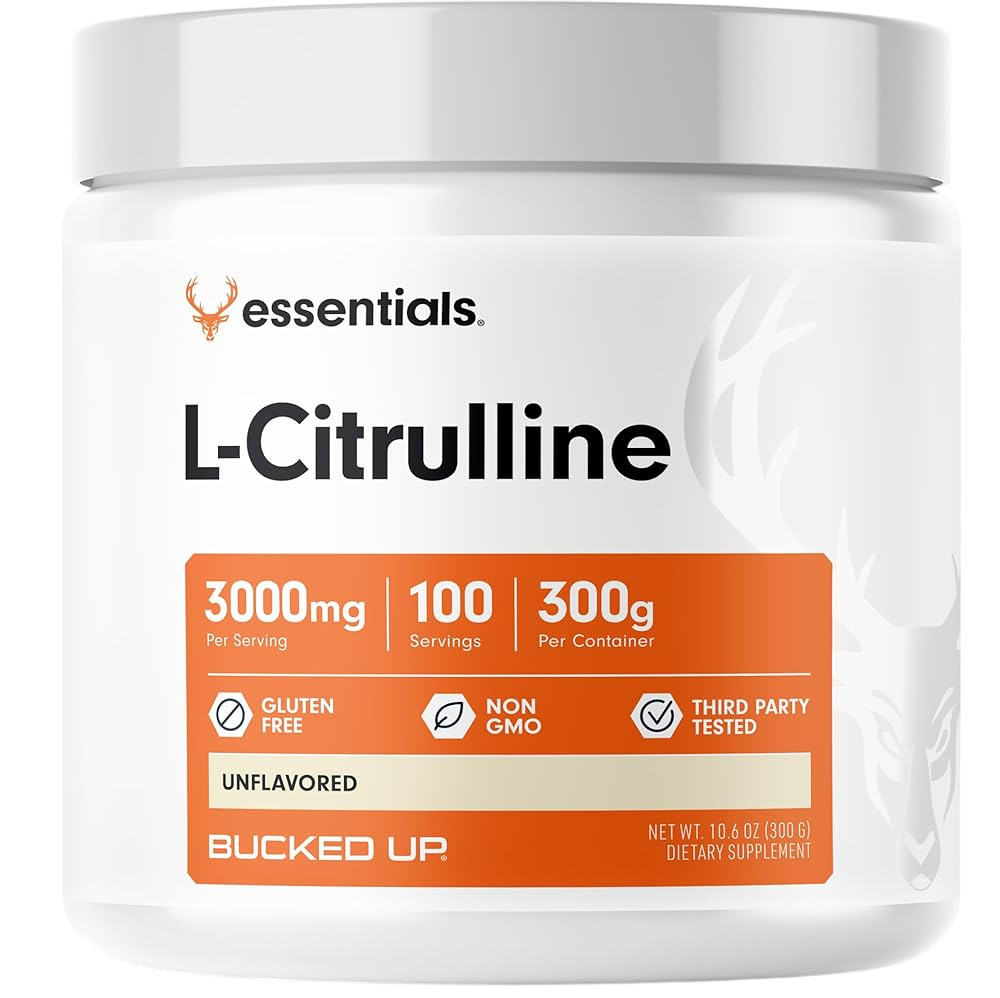
- Experience powerful pumps with Bucked Up’s clinically dosed L-Citrulline and upgrade your pre-workout performance.
#1: L-Citrulline, Top Choice for Nitric Oxide
L-Citrulline sits at the top for nitric oxide support because it bypasses liver breakdown and reaches the kidneys intact. Unlike L-Arginine, which arginase enzymes in the gut and liver rapidly degrade, L-citrulline demonstrates superior bioavailability and more effectively increases plasma arginine concentrations. After absorption, the kidneys convert L-Citrulline into L-Arginine through argininosuccinate synthase and lyase enzymes.
This renal conversion keeps plasma L-Arginine elevated for longer and feeds nitric oxide synthase enzymes. The result is more sustained vasodilation and blood flow than direct L-Arginine supplementation. L-Citrulline also supports ammonia clearance through the urea cycle, which can reduce fatigue and support recovery after intense training.
Most lifters see strong benefits with 3–6 grams of pure L-Citrulline taken about 60 minutes before training. Plasma levels peak between roughly 40 minutes and 2 hours, so timing matters for your session. Bucked Up promotes a clinical dosing of science-backed ingredients, including Citrulline Malate and Pure L-Citrulline. Find the perfect L-Citrulline option to unlock your peak performance.
#2: L-Arginine, Direct but Less Efficient
L-Arginine directly fuels nitric oxide synthase enzymes, so it seems like an obvious nitric oxide booster. This semi-essential amino acid converts straight into nitric oxide, which can support vasodilation and pumps. However, its bioavailability problems make it less effective than L-Citrulline for most people.
First-pass metabolism in the gut and liver limits how much oral L-Arginine reaches circulation. Arginase enzymes break down a large portion before it can raise plasma arginine levels. This heavy degradation explains why L-Arginine usually produces weaker and shorter arginine spikes than L-Citrulline.
L-Arginine can still support moderate pumps when dosed correctly. Many athletes use 3–5 grams about 30–60 minutes before training, although responses vary due to genetic differences in arginase activity.
#3: Citrulline Malate, Pumps Plus Energy Support
Citrulline Malate pairs L-Citrulline with malic acid in a 2:1 ratio to support both nitric oxide and energy production. Malic acid acts as a Krebs cycle intermediate and supports aerobic ATP generation. This extra energy support can enhance endurance beyond what vasodilation alone provides.
Research on Citrulline Malate shows impressive performance outcomes. Studies using 8 grams report up to 53% more total reps to failure across multiple resistance training sets. The malate portion may help phosphocreatine recovery and reduce lactate buildup, which supports consistent performance through longer workouts.
Most lifters benefit from 6–8 grams of Citrulline Malate taken about 60 minutes before training. This dose delivers roughly 3.4–4.5 grams of pure L-Citrulline plus malic acid for energy support. The one-hour window allows absorption and conversion so nitric oxide peaks during your hardest sets.
How to Stack Citrulline, Arginine, and Malate
L-Citrulline, L-Arginine, and Citrulline Malate work best as part of a smart stack. L-Citrulline forms the base by keeping arginine levels elevated. Citrulline Malate adds energy support, which helps you push through more total volume. Ingredients like Beta-Alanine for endurance and Nitrosigine for additional arginine support can round out a complete pre-workout.
Bucked Up’s Mother Bucker showcases this stacking strategy with its “Pump Trifecta” of 4 grams of Pure L-Citrulline, Nitrosigine, and Hydroprime Glycerol. This combo targets vasodilation through several biological pathways and uses Astragin to support absorption. Transparent labels and clinical doses separate Bucked Up from brands that hide small amounts of ingredients in proprietary blends.
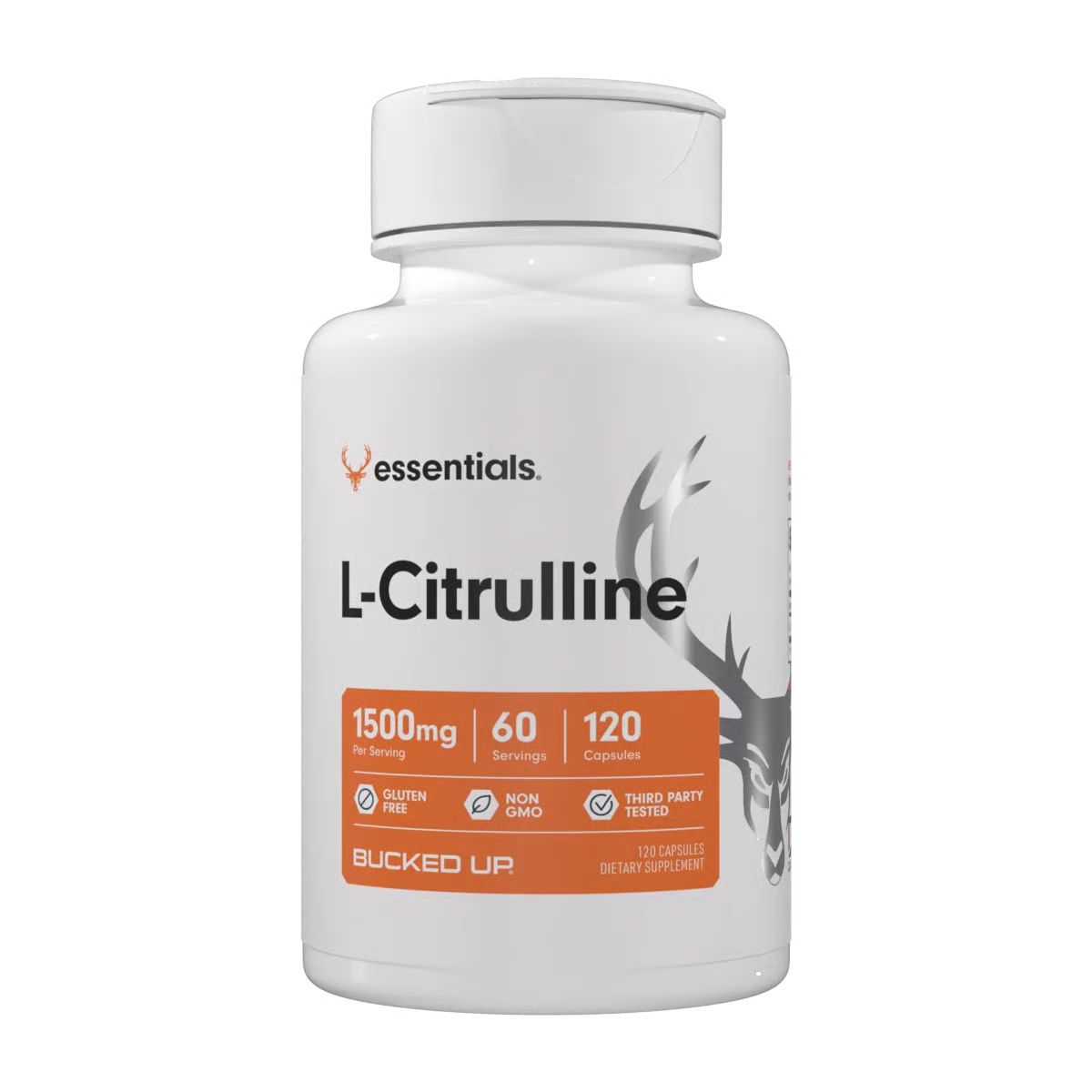
Caffeine can constrict blood vessels and partially offset pump ingredients, so ratios matter. Bucked Up formulas pair higher stimulant levels with heavy citrulline dosing to support blood flow even with caffeine present. Bucked Up promotes a clinical dosing of science-backed ingredients, including Citrulline Malate and Pure L-Citrulline. Find the perfect L-Citrulline option to unlock your peak performance.
#4: L-Ornithine, Urea Cycle Support for Longer Sessions
L-Ornithine supports nitric oxide indirectly through its role in the urea cycle and its synergy with L-Citrulline. This amino acid helps clear ammonia, which can build up during intense exercise and contribute to fatigue. While L-Ornithine does not act as a direct nitric oxide precursor, it supports the metabolic environment needed for sustained nitric oxide production.
The urea cycle link makes L-Ornithine a natural partner for L-Citrulline. By helping remove metabolic waste, L-Ornithine may extend how long citrulline-driven vasodilation feels effective. Many advanced pre-workout formulas include L-Ornithine for this complementary support.
Typical effective doses range from 2–3 grams taken before training, often stacked with citrulline.
#5: Taurine, Vascular and Electrolyte Support
Taurine supports nitric oxide benefits by promoting vascular health and balanced electrolytes. This conditionally essential amino acid helps maintain endothelial function so blood vessels can respond to nitric oxide signals. Taurine also supports cellular hydration and calcium handling, which both matter for sustained muscle performance.
Taurine’s cardiovascular support extends beyond pumps. It helps regulate sodium and potassium balance, which maintains the electrical gradients needed for muscle contraction and smooth muscle relaxation in blood vessels. This becomes especially valuable during long or high-sweat sessions when minerals can drop.
Most people use 1–3 grams of taurine daily, with a pre-workout serving providing noticeable acute support.
#6: BCAAs, Endurance and Recovery Backing Your Pump
Branched-chain amino acids support nitric oxide benefits indirectly by boosting endurance and recovery. They do not act as direct nitric oxide precursors, yet the combination of branched-chain amino acids (BCAAs) with citrulline shows synergistic benefits for enhancing muscular performance, recovery, and cognitive health. This synergy helps you take full advantage of primary nitric oxide boosters like L-Citrulline.
BCAAs can serve as an additional energy source and may reduce central fatigue, which helps you maintain training intensity. Longer, harder sessions mean more chances to benefit from increased blood flow. Their anti-catabolic effects also support recovery, which depends on efficient nutrient delivery.
Effective BCAA intake usually falls between 5–10 grams pre-workout or intra-workout. Formulas often emphasize leucine for stronger anabolic signaling. When combined with citrulline, BCAAs help create a performance stack that supports both pump and sustained effort.
|
Attribute |
L-Citrulline |
L-Arginine |
|
Absorption/Bioavailability |
Renal conversion, hepatic bypass (superior) |
Gut and liver arginase degradation (poor) |
|
Plasma Arginine Peaks |
Sustained, higher |
Short, lower |
|
Studies/Performance |
Up to 53% more reps, blood pressure support |
Inconsistent vasodilation |
|
Pre-Workout Dose |
6–8 g Malate |
3–5 g |
Top Amino Acids for Nitric Oxide Support
The most effective amino acids for nitric oxide support include L-Citrulline at about 6 grams, L-Arginine at about 3 grams, and Citrulline Malate at about 8 grams. L-Citrulline offers the strongest bioavailability through renal conversion, while L-Arginine provides direct substrate for nitric oxide synthase. Citrulline Malate adds malic acid, which supports energy metabolism along with vasodilation.
L-Arginine vs L-Citrulline for Nitric Oxide
L-Citrulline generally outperforms L-Arginine for nitric oxide support because it absorbs better and raises arginine more effectively. L-citrulline demonstrates superior bioavailability compared to L-arginine and more effectively increases plasma arginine concentrations. Its renal conversion pathway avoids the heavy liver breakdown that limits L-Arginine, which leads to longer arginine elevation and more sustained nitric oxide production.
Best Pre-Workout Nitric Oxide Booster Stack
The strongest nitric oxide stack pairs L-Citrulline with Nitrosigine and absorption enhancers such as Astragin. Bucked Up’s Mother Bucker follows this model with 4 grams of Pure L-Citrulline, Nitrosigine, and Hydroprime Glycerol forming a “Pump Trifecta.” This combination supports nitric oxide through several mechanisms and delivers both fast and sustained pump effects.
Pre-Workout Citrulline Malate Dosing
Most athletes see ideal results with 6–8 grams of Citrulline Malate taken 30–60 minutes before training. This range supplies roughly 3.4–4.5 grams of pure L-Citrulline plus malic acid for energy support. The one-hour window gives your body time to absorb and convert citrulline so nitric oxide peaks during your hardest sets.
Safety, Dosing Guidelines, and 2026 Research Notes
Current guidelines suggest 3–6 grams of pure L-Citrulline daily or 6–8 grams of Citrulline Malate for performance. Taking it about 60 minutes before training supports absorption and conversion. Reported side effects are usually mild and may include digestive discomfort or headaches in sensitive users.
People with low blood pressure, kidney issues, or those using antihypertensive medications should use extra caution. Recent 2025 research explores synergistic effects with combined supplementation protocols, although larger trials are still needed to refine ideal combination dosing. Pregnant and breastfeeding women should avoid use because safety data remain limited.
Drug interactions deserve careful attention, especially with nitrate medications, PDE5 inhibitors, and blood pressure drugs. Added vasodilation can amplify these medications and may cause dangerous drops in blood pressure. Many experts recommend stopping use about two weeks before surgery because of potential blood pressure changes.
Frequently Asked Questions
Is nitric oxide good for pre-workout?
Nitric oxide support works very well before training because it promotes vasodilation and blood flow to working muscles. Better circulation improves oxygen delivery, nutrient transport, and waste removal. These effects can enhance pumps, endurance, and performance while also supporting faster recovery between sets.
What is the best form of Citrulline for pumps?
Citrulline Malate in a 2:1 ratio with Astragin offers a strong combination for pumps and performance. Malate supports energy production through the Krebs cycle, while Astragin supports absorption and bioavailability. Pure L-Citrulline delivers the highest citrulline content per gram but does not include the added energy support from malate. Both forms can deliver excellent pumps when dosed correctly.
Can you take nitric oxide boosters and amino acids together?
Stacking nitric oxide boosters with complementary amino acids creates a more complete pre-workout formula. BCAAs support endurance and may reduce fatigue, which lets you take full advantage of increased blood flow. Beta-Alanine helps buffer lactic acid, so you can push more total volume. Taurine supports vascular health and electrolyte balance. Together, these ingredients support pumps, performance, and recovery.
How long does L-Citrulline take to work?
L-Citrulline typically reaches peak plasma levels between about 40 minutes and 2 hours after ingestion. Many users feel noticeable effects around 30–60 minutes. The kidneys need time to convert citrulline into arginine, so taking it about an hour before training usually works best. Effects can last roughly 3–6 hours, depending on dose and individual metabolism.
What should you avoid when taking L-Citrulline?
Avoid combining L-Citrulline with blood pressure medications, nitrate drugs, or ED medications without guidance from a healthcare professional. These combinations can create excessive vasodilation and low blood pressure. People with low blood pressure, kidney problems, or upcoming surgery should be cautious. Doses above about 10 grams may cause digestive upset, and pregnant or breastfeeding women should avoid use due to limited safety data.
L-Citrulline remains the leading choice for pre-workout nitric oxide support because it delivers strong bioavailability and sustained performance benefits. Strategic combinations of L-Citrulline with ingredients like Citrulline Malate, Nitrosigine, BCAAs, and taurine create formulas that support pump, endurance, and recovery together. Bucked Up promotes a clinical dosing of science-backed ingredients, including Citrulline Malate and Pure L-Citrulline. Find the perfect L-Citrulline option to unlock your peak performance.