Key Takeaways
- L-Citrulline ranks as the top endurance supplement, extending time to exhaustion by about 12% through nitric oxide and ammonia buffering for better oxygen delivery.
- Beetroot nitrates improve running economy by 5–8% but provide shorter-lasting effects than L-Citrulline during ultra-distance events.
- Beta-alanine cuts fatigue by roughly 20% by increasing muscle carnosine, which buffers acid during hard efforts, especially after 4–6 weeks of loading.
- Caffeine at 3–6 mg/kg lowers perceived effort and increases time to exhaustion by 5.2%, while creatine improves recovery and repeated sprint ability by 8–10%.
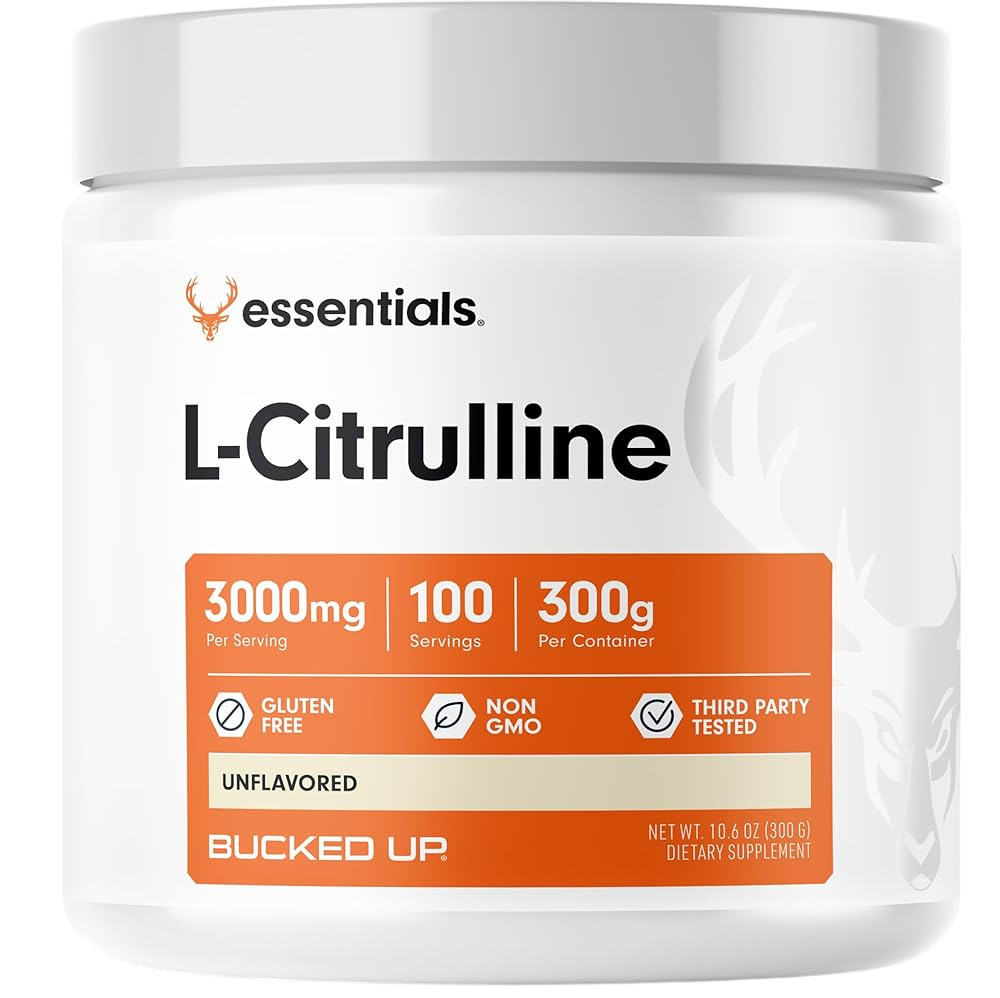
- Stack clinically dosed supplements such as Bucked Up’s Pure L-Citrulline with beta-alanine and electrolytes to build a powerful endurance-focused routine.
Best Supplements for Runners: Top 9 Backed by Research
The supplements below are ranked by strength of evidence, effect sizes from randomized controlled trials, and real-world usefulness for long-distance runners. Each entry includes bodyweight-adjusted dosing for 150 lb and 200 lb athletes.
|
Supplement |
Key Study |
Effect Size |
Dosage (150lb/200lb) |
|
L-Citrulline |
2026 meta (cyclists/runners) |
+12% TTE |
6g Malate pre / 8g Malate pre |
|
Beetroot Nitrates |
2025 RCT ultras |
+5–8% economy |
500mg nitrates / 600mg |
|
Beta-Alanine |
2026 meta buffering |
-20% fatigue |
3.2g daily / 4.8g daily |
|
Caffeine |
+5.2% TTE |
450–900mg / 600–1200mg pre |
|
|
Creatine |
+8–10% sprints |
5g daily / 5g daily |
|
|
Electrolytes |
-67% cramps |
1g Na/hr / 1.5g Na/hr |
|
|
Bicarbonate |
2025 meta lactate |
+2–4% TT |
0.3g/lb pre |
|
Iron/Vit D |
2026 review deficient runners |
+10% VO2 |
Test-based / 2000IU daily |
|
Carbs/Gels |
2026 basics meta |
-15% bonk risk |
30–60g/hr / 60g/hr |
1. L-Citrulline: Nitric Oxide Leader for 12% Longer Runs
L-Citrulline acts as the most reliable nitric oxide booster for endurance athletes because of its unique absorption and conversion pathway. L-Arginine breaks down heavily in the liver, while L-Citrulline bypasses this step and converts to L-Arginine in the kidneys. This process raises nitric oxide levels throughout the body, which improves blood vessel dilation and oxygen delivery to working muscles.
Recent 2026 meta-analyses highlight L-Citrulline’s clear advantage for endurance performance. Cyclists using 8g Citrulline Malate completed 53% more repetitions to failure and extended time to exhaustion by 12% compared to placebo. The malate portion adds further support by feeding the Krebs cycle for ATP production and helping buffer ammonia, which contributes to central fatigue.
For strong results, runners between 150 and 200 lb can take 6–8g Citrulline Malate about 60 minutes before training or racing. Pure L-Citrulline works well at 3–6g per day, split or taken pre-run. The 2:1 Citrulline Malate ratio delivers both vasodilation and metabolic support, which makes it more effective than standalone arginine for long, sustained efforts.
2. Beetroot Nitrates: Helpful Nitric Oxide Support for Shorter Events
Beetroot juice supplies dietary nitrates that convert to nitric oxide through the nitrate to nitrite to NO pathway. This pathway supports acute performance, especially in events that last a few hours or less. Most of beetroot’s benefits peak within 2–3 hours after intake, so the effect window is shorter than L-Citrulline for ultra-distance races.
For practical use, many runners aim for 500–600mg of nitrates from beetroot 2–3 hours before a key workout or race. This timing aligns peak nitric oxide levels with the hardest parts of the effort.
3. Beta-Alanine: Carnosine Booster for Hard Efforts and Ultras
Beta-alanine raises muscle carnosine levels, which helps buffer hydrogen ions that build up during intense running and cause that burning sensation. Higher carnosine levels delay muscular fatigue when you push pace, surge up hills, or kick at the finish. This effect supports both shorter threshold work and late-race efforts in longer events.
Loading with 3.2–6.4g per day for 4–6 weeks builds up muscle carnosine stores. Many runners notice a tingling sensation called paresthesia, which feels odd but remains harmless and signals that beta-alanine is circulating. Beta-alanine pairs well with L-Citrulline in a stack that targets both oxygen delivery and acid buffering.
4. Caffeine: Proven Support for Lower Effort and Longer Time to Exhaustion
Marathon runners who took 3–6 mg/kg of caffeine 60 minutes before racing increased time to exhaustion by 5.2% and reported lower perceived exertion. This means the same pace felt easier, which helped them hold it longer. Caffeine also supports mental alertness and focus during long races.
Bodyweight-based dosing around 5 mg/kg increased fat oxidation by about 12%, which helps spare glycogen during long events. Peak blood levels appear 45–90 minutes after ingestion, so timing matters. Most runners do best when they take caffeine 45–60 minutes before the start, then adjust based on personal sensitivity.
5. Creatine: Recovery and Sprint Support for Marathon and Ultra Runners
Creatine loading raised muscle phosphocreatine by about 20%, which improved repeated sprint ability in ultra-runners by 8–10%. These short bursts matter during surges, hills, and finishing kicks. Creatine also supports strength work that many runners use to stay durable across a long season.
Beyond power, creatine helps recovery between hard sessions and supports glycogen resynthesis after long runs. A simple daily dose of 5g works well for most endurance athletes and removes the need for a high loading phase. Consistent use builds up muscle stores over several weeks.
Top 5 Recap and How to Start Stacking
The top five supplements, L-Citrulline, beetroot nitrates, beta-alanine, caffeine, and creatine, each support different parts of endurance performance. L-Citrulline stands out because it maintains nitric oxide production and helps manage ammonia, which supports longer efforts. Beetroot adds a shorter nitric oxide boost, while beta-alanine focuses on buffering acid during hard surges.
Caffeine mainly targets the brain by lowering perceived effort and sharpening focus, and creatine helps with power and recovery. When you choose between Citrulline Malate and pure L-Citrulline, the malate form adds extra Krebs cycle support that many endurance runners appreciate. Ingredients such as Astragin can further improve absorption and help you get more from each dose.
L-Citrulline Stacks for Endurance Running and Bucked Up Picks
Thoughtful stacking of supplements can multiply benefits by targeting several performance limits at once. A simple and effective endurance stack pairs L-Citrulline with beta-alanine to support both oxygen delivery and lactate buffering. This combination addresses two major limiters in long-distance running: how much oxygen reaches your muscles and how well your body handles rising acidity.
Bucked Up includes clinically dosed L-Citrulline in several pre-workouts. Bucked Up and Woke AF each provide 6g Citrulline Malate 2:1, while Mother Bucker offers 4g pure L-Citrulline along with Nitrosigine and Astragin. All of these products feature full label transparency and are manufactured in GMP-certified facilities in the USA.
|
Feature |
Bucked Up |
Generics |
|
Citrulline Dose |
Clinical 6g+ |
Underdosed <4g |
|
Absorption |
Astragin+ |
None |
|
Transparency |
Full label |
Proprietary |
|
Runner Results |
12% TTE / PRs |
Minimal |
Frequently Asked Questions
Optimal L-Citrulline Dosage for a 180 lb Runner
A 180 lb runner can take 6–8g of Citrulline Malate about 60 minutes before training or racing. This dose supplies roughly 4–5g of pure L-Citrulline, which research links with strong nitric oxide production and endurance benefits. For daily use with pure L-Citrulline, 4–6g per day, split into two servings, works well for most athletes.
Daily Safety of L-Citrulline for Endurance Athletes
L-Citrulline appears safe for daily use at typical doses of 3–6g. Most athletes tolerate it well and experience fewer side effects than with many other nitric oxide boosters. Some people with naturally low blood pressure may feel lightheaded if they take high doses, because of increased vasodilation.
Anyone using blood pressure medication should speak with a healthcare professional before adding L-Citrulline. This step helps avoid unwanted drops in blood pressure.
L-Citrulline Compared to Beetroot Juice for Ultra-Marathons
Both L-Citrulline and beetroot juice raise nitric oxide, but L-Citrulline offers more stable support during very long events. Beetroot nitrates peak within 2–3 hours and then taper off, which suits shorter races and key workouts. L-Citrulline keeps arginine and nitric oxide levels higher for about 6–8 hours.
For races that last longer than 4 hours, L-Citrulline usually provides more consistent help from start to finish. Some runners still combine both, using beetroot for the early miles and L-Citrulline for sustained coverage.
Possible Side Effects of L-Citrulline
Most runners do not notice side effects when they stay within recommended doses. Mild stomach discomfort, such as nausea or bloating, can appear with very large single doses above about 10g. A few people report light headaches, likely related to increased blood flow and vessel dilation.
These effects usually fade with smaller doses or when the body adapts over time. Splitting the daily amount into two servings often improves comfort.
Best Supplement Approach for Runners Over 50
Runners over 50 often do best with lower-stimulant stacks that focus on recovery, heart health, and joint-friendly training. L-Citrulline combined with creatine and electrolytes supports blood flow, strength maintenance, and hydration without heavy stimulant use. This approach helps older athletes train consistently while managing fatigue.
Adding vitamin D and iron based on blood work can correct common deficiencies that affect energy and performance. Beta-alanine still works well at this age and continues to help buffer lactate during tempo runs, intervals, and race efforts.
Conclusion: Building a Science-Backed Endurance Stack
The nine supplements ranked here give runners clear, research-supported ways to improve endurance, with L-Citrulline leading due to its sustained nitric oxide support and fatigue resistance. When you combine smart supplementation with structured training, sound nutrition, and adequate recovery, you create a strong platform for new personal records and breakthrough races.