Last updated: April 22, 2026
Key Takeaways
- L-Citrulline boosts nitric oxide and helps clear ammonia, with some studies showing up to 12% longer endurance.1
- Beta-Alanine raises muscle carnosine, which buffers lactate and delays fatigue during hard, high-intensity runs.1
- Caffeine can improve endurance performance by 2-7% through increased fat use and lower perceived effort at 3-6 mg per kg.1
- Nitrates from beetroot support oxygen efficiency, creatine supports repeated sprints, and electrolytes plus carbs sustain long efforts.1
- Stack Bucked Up’s research-backed L-Citrulline with other targeted supplements to support race-day performance.1
Top 7 Science-Backed Endurance Supplements for Long Distance Runners
1. L-Citrulline for Nitric Oxide and Ammonia Clearance
L-Citrulline acts as a nitric oxide booster for endurance athletes by bypassing liver metabolism and converting to L-Arginine in the kidneys.1 This pathway supports sustained nitric oxide production and improves oxygen delivery to working muscles.1 L-Citrulline also plays a role in the urea cycle, helping clear ammonia that builds up during long efforts and contributes to central fatigue.1
Research on L-Citrulline’s endurance benefits shows mixed but promising results. Studies have demonstrated that cyclists taking L-Citrulline were able to cycle 12% longer before exhaustion compared to placebo groups.1 A 2025 double-blind, randomized, placebo-controlled crossover trial attempted to replicate these findings in runners and found a trend toward improved time-to-exhaustion in the female subgroup with L-Citrulline supplementation, though it did not reach statistical significance.1 Taken together, these studies suggest potential endurance benefits that may vary by sport and population.1
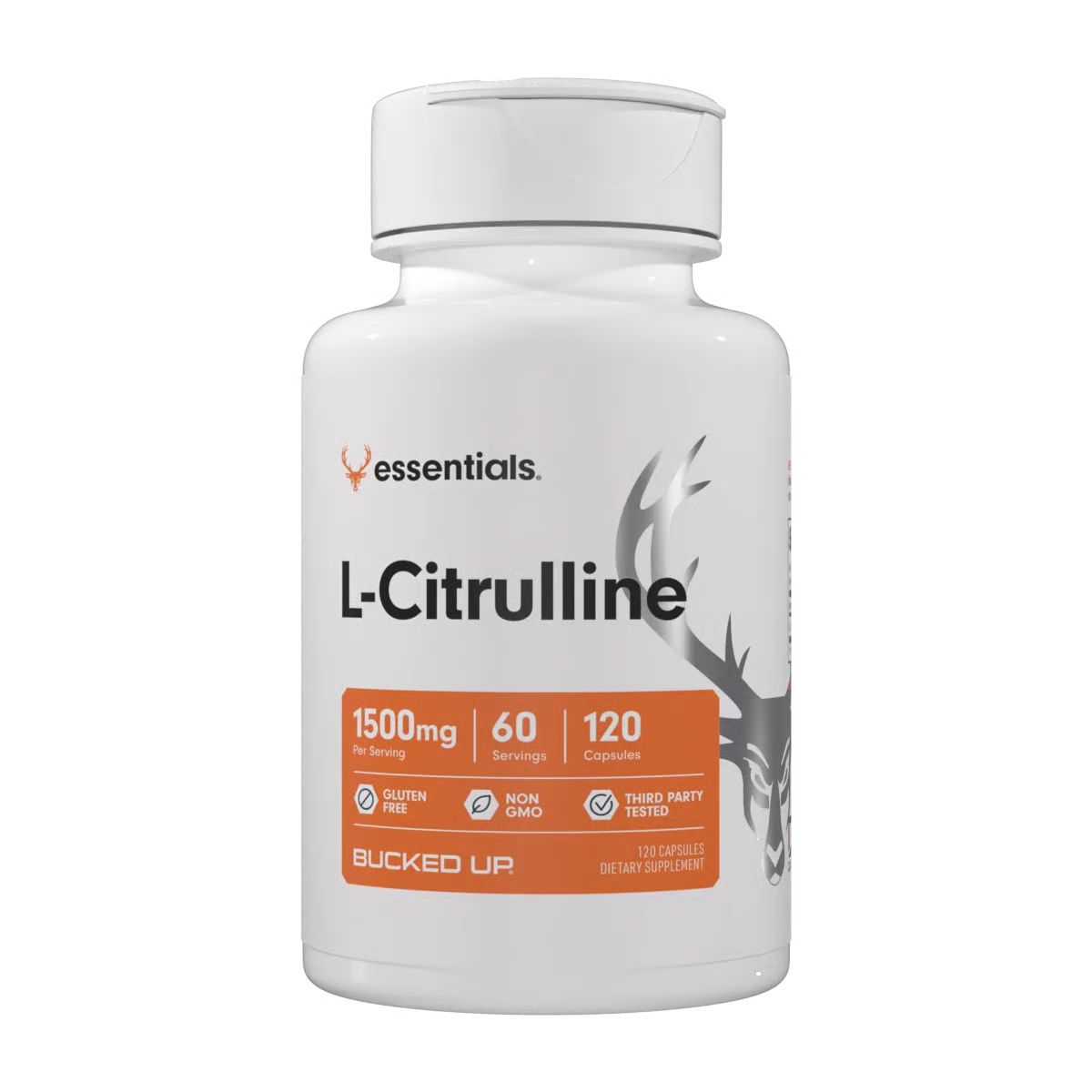
For practical use, many athletes take 6-8 grams of Citrulline Malate about 60 minutes before training. The malate component supports the Krebs cycle and ATP production.1 Bucked Up’s Pre-Workout delivers 6,000 mg of Citrulline Malate in a 2:1 ratio and includes Astragin to support absorption.1 Mother Bucker provides 4,000 mg of Pure L-Citrulline and stacks it with Nitrosigine for strong vasodilation support, which can appeal to advanced athletes.1
2. Beta-Alanine for Lactate Buffering
Beta-Alanine supports endurance by increasing muscle carnosine levels, which buffer hydrogen ions that build up during intense exercise.1 This buffering delays muscular fatigue and helps runners hold faster paces for longer.1 The effect becomes especially useful during tempo runs, threshold workouts, and hard hill efforts where lactate buildup limits performance.
Research consistently supports Beta-Alanine for endurance-related performance.1 Studies demonstrate improvements in time to exhaustion and reduced perceived exertion during sustained efforts.1 The benefits appear strongest for efforts lasting 1-4 minutes, which covers finishing kicks, surges, and short intervals within longer sessions.
Effective intake usually ranges from 3.2-6.4 grams per day, split into smaller servings to reduce tingling sensations. Many protocols use 4-6 weeks of consistent daily intake to build muscle carnosine stores. Bucked Up formulations include research-aligned Beta-Alanine dosing, and Mother Bucker provides the upper-range 6.4-gram daily dose.
3. Caffeine for Focus and Measurable Performance Gains
Caffeine supports endurance performance through several mechanisms, including increased fat oxidation, reduced perceived exertion, and enhanced neuromuscular function.1 It blocks adenosine receptors in the brain, which delays fatigue signals and supports alertness and focus during long runs.1
Grgic et al.’s 2019 umbrella review of 21 meta-analyses reports that caffeine supplementation can improve endurance performance by 2-7% across a range of distances and intensities.1 A 2026 randomized, double-blind, crossover trial by Baena-Riera et al. in 14 participants found that 6 mg per kg of caffeine improved 2.5 km treadmill running performance compared to control.1
The International Society of Sports Nutrition recommends 3-6 mg of caffeine per kilogram of body weight for ergogenic effects, which equals about 210-420 mg for a 154-pound runner.1 Timing matters, so most athletes take caffeine 30-60 minutes before running to match peak blood levels. Bucked Up’s Pre-Workout provides 200 mg of caffeine, and Woke AF provides 333 mg for athletes with higher tolerance.
4. Nitrates and Beetroot for Oxygen Efficiency
Dietary nitrates from beetroot and similar foods can support endurance by improving oxygen efficiency and lowering the metabolic cost of exercise.1 Nitrates reduce the oxygen cost of exercise, improve muscle efficiency and endurance performance, and can enhance muscle contractile function for better power and sprint performance.1
A 2026 randomized, open-label, crossover pilot study in amateur male triathletes found that a beetroot-based multi-ingredient nitrate supplement increased nitric oxide metabolites by 155% after one week. The study did not measure performance outcomes, so the functional impact remains unclear, but the nitric oxide response appears robust.
Many protocols use 5-9 mmol of nitrates taken 2-3 hours before exercise. Nitrates act through an arginine-independent pathway, which supports nitric oxide even when arginine metabolism is not ideal. Common food sources include beetroot juice, spinach, and arugula.
5. Creatine for Repeated High-Intensity Efforts
Creatine, often linked with power sports, can also support distance runners by improving phosphocreatine recovery and repeated sprint ability.1 Research supports creatine’s effectiveness for repeated high-intensity efforts such as intervals, surges, and hill repeats.1
For distance runners, creatine fits best during training phases that emphasize speed development and lactate threshold work. It supports faster recovery between intervals and helps maintain power output across repeated efforts. Studies also report benefits for maintaining pace in the final kilometers of races when glycogen stores run low.1
Typical intake uses 3-5 grams per day for maintenance, sometimes after a 5-day loading phase of 20 grams per day. Creatine monohydrate remains the most studied and cost-effective form. Timing is flexible, although pairing creatine with carbohydrates after training may support uptake.
6. Electrolytes for Hydration and Cramp Prevention
Electrolyte replacement becomes crucial during efforts longer than 60-90 minutes, especially in heat where sweat loss increases. Sodium, potassium, and magnesium support proper muscle contraction and help reduce cramping during long runs and races.1
Research shows that sodium replacement during ultra-endurance events helps prevent hyponatremia and supports performance.1 Sweat rates vary widely between athletes, so effective plans often rely on personal testing, training logs, and race conditions.
Many runners target 200-300 mg of sodium per hour during efforts longer than 90 minutes. Sports drinks, electrolyte tablets, and salty foods can all contribute. Monitoring urine color and body weight changes before and after long runs can help gauge hydration status.
7. Carbohydrates for Long-Run Fuel
Carbohydrate intake during long runs maintains blood glucose and preserves muscle glycogen. This support becomes critical during runs longer than 90 minutes, when stored carbohydrate begins to limit performance.
Studies consistently show that 30-60 grams of carbohydrate per hour during endurance exercise helps maintain performance and delay fatigue.1 Using multiple transportable carbohydrates, such as glucose and fructose together, can raise absorption rates up to about 90 grams per hour in ultra-endurance settings.
Common options include sports drinks, gels, dates, and bananas. Many runners start fueling early in long sessions and practice race-day strategies during training to improve gut comfort and absorption.
Supplement Comparison for Runners
The table below highlights four supplements with strong research support for endurance, showing key benefits, study-backed doses, and related Bucked Up options.
| Supplement | Key Benefit | Study-Backed Dose | Bucked Up Product |
|---|---|---|---|
| L-Citrulline | 12% longer endurance1 | 6-8g Citrulline Malate | Bucked Up Pre-Workout (6g) |
| Beta-Alanine | Lactate buffering1 | 3.2-6.4g daily | Mother Bucker (6.4g) |
| Caffeine | Endurance performance support1 | 3-6mg/kg body weight | Woke AF (333mg) |
| Nitrates | Oxygen efficiency1 | 5-9 mmol nitrates | Whole food sources |
How to Stack Supplements for Race Day
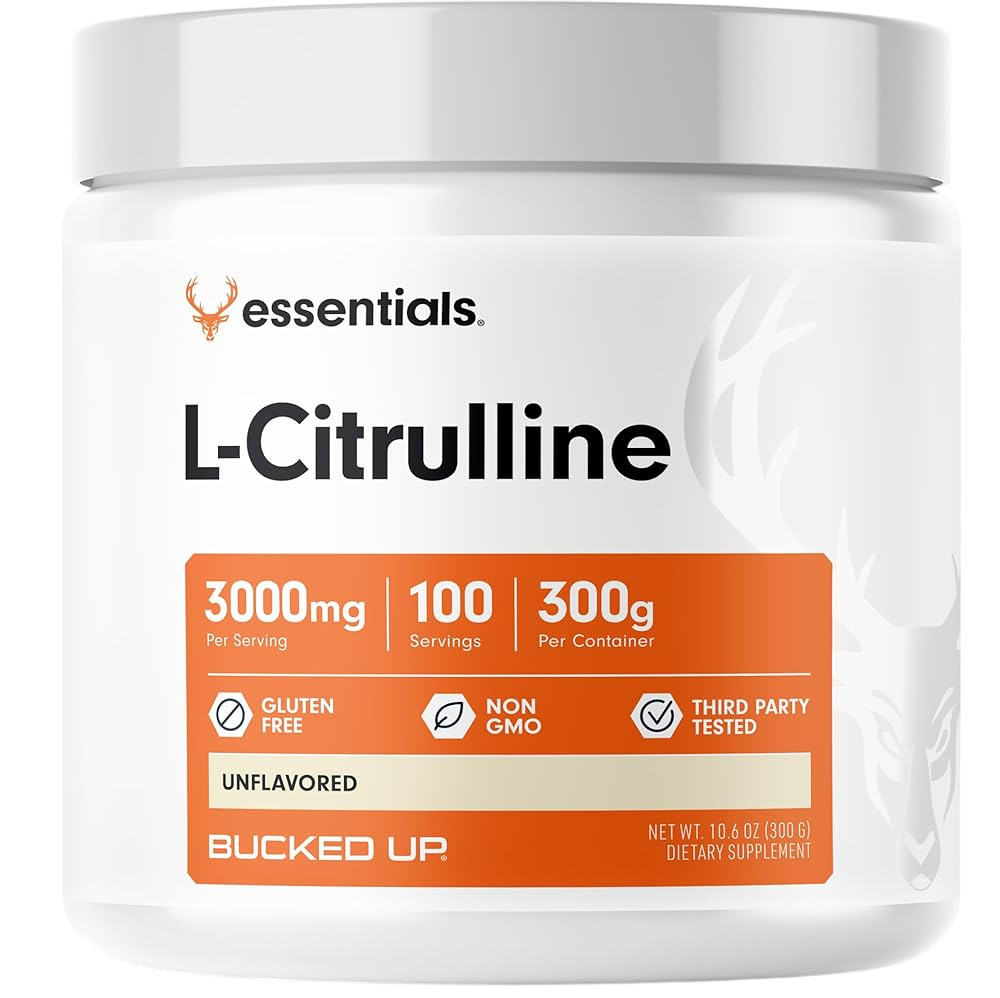
Race-day stacking works best when you build around a few proven ingredients instead of mixing products at random. Many runners start with L-Citrulline as a base, and Bucked Up’s Pre-Workout provides a 6,000 mg Citrulline Malate dose with Astragin to support absorption. For ongoing support between hard sessions, some athletes use 3-6 grams of Pure L-Citrulline powder on non-race days.
Clear labeling helps you match your stack to the research. Look for products that list exact ingredient amounts instead of proprietary blends. Bucked Up focuses on research-supported dosing of ingredients such as Citrulline Malate and Pure L-Citrulline. Explore Bucked Up’s L-Citrulline options to find a fit for your training plan. The inclusion of Astragin in Bucked Up formulations supports ingredient absorption compared to standard formulations without absorption aids.
FAQ
What supplements increase running endurance?
L-Citrulline often ranks high for endurance support, with Beta-Alanine close behind for lactate buffering and hard-effort durability.1 Caffeine adds measurable performance benefits in many studies, while creatine supports repeated high-intensity efforts during interval work.1 Electrolytes and carbohydrates help maintain performance during runs longer than 90 minutes by supporting hydration and energy.
What is the L-Citrulline dosage for runners?
Many protocols use 6-8 grams of Citrulline Malate taken about 60 minutes before running to support endurance.1 For daily maintenance and recovery, 3-6 grams of Pure L-Citrulline can help sustain nitric oxide production. A 2:1 ratio of Citrulline to Malate also supports the Krebs cycle and energy production.
What are the best supplements for long distance runners?
Evidence-based options for long distance runners include L-Citrulline for nitric oxide support and ammonia clearance, Beta-Alanine for lactate buffering, and caffeine for performance and focus.1 Nitrates can support oxygen efficiency, creatine can help with repeated sprint ability, electrolytes support hydration balance, and carbohydrates provide sustained energy during efforts longer than 90 minutes.
Citrulline Malate vs Pure L-Citrulline for endurance
Citrulline Malate offers nitric oxide support plus Krebs cycle benefits from the malate component, which suits athletes who want both circulation and energy support.1 Pure L-Citrulline delivers only the active amino acid for maximum nitric oxide potential and pairs well with other performance ingredients such as Nitrosigine.
Is L-Citrulline safe for daily use?
L-Citrulline shows a strong safety profile in research with few reported side effects.1 Some people may notice mild gastrointestinal discomfort with very high single doses above 10 grams.1 As with any supplement plan, consult a healthcare professional before starting daily use, especially if you have medical conditions or take medications.
Conclusion
L-Citrulline offers a science-backed option for long-distance runners who want additional support for endurance.1 Its ability to bypass liver metabolism while supporting nitric oxide production and ammonia clearance makes it a useful tool for long efforts.1 When combined with Beta-Alanine, caffeine, and smart fueling, runners can build a supplement plan that supports training and race performance.1
Bucked Up’s transparent, research-focused formulations provide clearly labeled doses without proprietary blends, which helps you align intake with the studies cited in this guide. As discussed in the stacking section, these products deliver the research-backed ingredients covered here, including Citrulline Malate and Pure L-Citrulline. Start your enhanced training with a tailored L-Citrulline choice and build a supplement routine that matches your long-distance goals.
1 The content provided in this article is for informational purposes only and is not medical advice. Consult with a medical professional before implementing any changes to your diet, health, or exercise routines.
Individual results will vary and are based on a combination of each individual’s diet, exercise, age, and health circumstances.
These statements have not been evaluated by the Food and Drug Administration. This product is not intended to diagnose, treat, cure or prevent any disease.
This article was written by Ryan Gardner, CEO of Bucked Up. As the maker of Bucked Up Protein Soda, we have a financial interest in this information. The views expressed are our own and should be read with that context in mind.