Last updated: April 22, 2026
Key Takeaways
- L-Citrulline often outperforms L-Arginine for nitric oxide support because it bypasses liver metabolism and elevates plasma arginine more effectively.1
- Combining 6–8g L-Citrulline with 3–5g creatine daily can support strength gains and improve nutrient delivery to working muscles.1
- Beta-alanine at 2.5–6.4g helps buffer lactic acid, which supports endurance alongside L-Citrulline’s vasodilation benefits.1
- Caffeine at 200–300mg supports focus and drive, while L-Citrulline helps counter its vasoconstriction for balanced energy and pumps.1
- Beetroot extract adds nitrate-based nitric oxide support; Bucked Up’s pure L-Citrulline helps you build this high-performance stack.1
#1 L-Citrulline: Cornerstone Nitric Oxide Support for Gym Performance
L-Citrulline works as the foundation of this nitric oxide stack because of its unique pharmacokinetic profile. Unlike L-Arginine, which undergoes significant first-pass metabolism in the gut and liver, L-Citrulline bypasses initial liver metabolism and converts to L-Arginine primarily in the kidneys. This pathway supports more sustained elevations in plasma arginine and nitric oxide levels.1
Research shows that L-Citrulline supplementation can support anaerobic performance and reduce muscle soreness in weight training.1 Studies using citrulline malate report improvements in training volume and recovery markers.1 The kidney-based conversion process supports oxygen delivery to working muscles and assists with ammonia detoxification during intense exercise.1
L-Citrulline vs Arginine for Gym Performance
In mice, supplemental L-Citrulline increases plasma arginine by about twice as much as an equal dose of L-Arginine (214 vs 159 μmol/L from basal 109 μmol/L), which highlights its strong role in nitric oxide support. The enzyme arginase competes with nitric oxide synthase for L-Arginine substrate, so direct L-Arginine supplementation can show diminishing returns in healthy individuals with adequate baseline levels.
#2 Creatine: Strength and ATP Powerhouse in Your Nitric Oxide Stack
Creatine monohydrate acts as the second pillar of this performance stack and pairs well with L-Citrulline. Together they support both power output and nutrient delivery.1 The standard 3–5 gram daily dose of creatine monohydrate supports ATP regeneration, while L-Citrulline supports delivery of creatine to muscle tissue through improved blood flow.1
#3 Beta-Alanine: Lactic Acid Buffering for Harder Sets
Beta-alanine supports the L-Citrulline foundation by targeting muscular endurance from a different angle. While L-Citrulline supports oxygen and nutrient delivery, beta-alanine helps buffer lactic acid accumulation in muscle tissue, which can directly support training capacity during high-intensity sessions.1 This buffering effect typically appears at doses of 2.5–6.4 grams daily and often produces a harmless tingling sensation that signals the compound is active.1
#4 Caffeine: Focus and Energy Paired with Pumps
Caffeine supplies the neurological drive needed for intense training sessions, yet its vasoconstrictive properties can counteract nitric oxide benefits when used alone. A caffeine blend combined with L-Citrulline can support performance while maintaining blood flow.1 The L-Citrulline component helps preserve vasodilation despite caffeine’s constrictive tendencies, which creates a more balanced mix of energy, focus, and nutrient delivery.
#5 Beetroot Extract: Nitrate-Based Nitric Oxide Support
Beetroot extract adds another nitric oxide pathway through dietary nitrates. These nitrates convert to nitrite and then to nitric oxide through a mechanism that differs from the L-Arginine pathway. Beetroot extract used alongside L-Citrulline can support post-exercise recovery and nutrient delivery.1 This dual-pathway approach can increase nitric oxide production through complementary mechanisms.1
To put this multi-pathway strategy into practice, use the following table as a quick guide for dosing, timing, and primary benefits for each component.
| Component | Dose | Timing | Primary Benefit |
|---|---|---|---|
| L-Citrulline | 6–8g | 60 minutes pre-workout | Nitric oxide production |
| Creatine Monohydrate | 3–5g | Daily (timing flexible) | ATP regeneration |
| Beta-Alanine | 2.5–6.4g | Pre-workout or divided doses | Lactic acid buffering |
| Caffeine | 200–300mg | 30–45 minutes pre-workout | Energy and focus |
| Beetroot Extract | 1g | 60 minutes pre-workout | Additional nitrate pathway |
Optimal Timing, Dosing and Protocols for Your Stack
Dialing in timing helps you get the most from this nitric oxide stack. L-Citrulline works best 30–60 minutes before exercise, with peak plasma concentrations falling in this window. For daily protocols, 3–6 grams of pure L-Citrulline can be split into morning and evening servings during high-volume training phases.
Beginner protocols can start with 6 grams of citrulline malate, while advanced athletes may experiment with 8 grams or slightly higher, as tolerated. Most people feel effects within 30–60 minutes of ingestion, so pre-workout timing matters for performance benefits. Creatine can be taken at any time of day because its effects build up over time rather than hitting all at once.
The combination of L-Citrulline with creatine supports uptake and utilization of both compounds.1 Research shows that this pairing produces greater increases in muscle cross-sectional area than either compound alone, which suggests enhanced nutrient delivery and muscle protein synthesis.1
Bucked Up Products: Stack-Ready Formulas for Gym Performance
Bucked Up offers pre-workouts that include these stack components at doses aligned with current research. The foundational Bucked Up Pre-Workout provides 6,000mg of Citrulline Malate (2:1 ratio) with 200mg caffeine, beta-alanine, and the absorption-support ingredient Astragin. For lifters with higher stimulant tolerance, Woke AF supplies 6,000mg Citrulline Malate with 333mg caffeine to balance stronger stimulant content with nitric oxide support.
The advanced Mother Bucker formula includes 4,000mg of pure L-Citrulline stacked with Nitrosigine and Hydroprime Glycerol, creating what the company calls a “Pump Trifecta” that targets vasodilation through several pathways. Each formula features Astragin to support citrulline absorption and address bioavailability challenges that may limit effectiveness in some other products.1
Safety, Side Effects and Stack Considerations
Healthy adults generally tolerate oral L-Citrulline supplementation up to 15 grams without serious adverse events.1 Mild gastrointestinal discomfort can appear with doses above 10 grams in a single serving.1 L-Citrulline intakes above 6g per day may cause mild gastrointestinal side effects such as bloating or diarrhea1, although most people tolerate recommended amounts well.
Individuals with low blood pressure should use caution, because L-Citrulline’s vasodilatory effects could potentially worsen hypotension.1 Anyone taking blood pressure medications or PDE5 inhibitors should speak with a healthcare provider before starting supplementation, since additive effects can occur.
FAQ
What supplement increases nitric oxide the most?
L-Citrulline at doses of 6 grams or higher often provides reliable support for nitric oxide production.1 L-Citrulline’s superior metabolic pathway, discussed earlier, produces more sustained nitric oxide elevation than direct arginine supplementation. Research consistently shows that L-Citrulline increases plasma arginine more than equivalent doses of L-Arginine.
Can I take nitric oxide boosters and creatine together?
Yes, combining L-Citrulline with creatine can create synergistic benefits for performance and muscle development.1 The enhanced vasodilation from L-Citrulline supports creatine delivery to muscle tissue, while creatine supports the energy demands of intense training.1 This pairing, as noted earlier, has outperformed either supplement used alone in research settings.
What is the optimal timing for nitric oxide boosters before workouts?
Taking L-Citrulline about 60 minutes before training supports peak effectiveness. This window allows for absorption and conversion to L-Arginine in the kidneys, with peak plasma concentrations appearing during that period. For pre-workout formulas that contain several ingredients, 30–45 minutes before training usually provides enough time for all components to reach effective levels.
Should I choose pure L-Citrulline or Citrulline Malate?
Both forms offer benefits, and your choice depends on specific training goals. Citrulline Malate (2:1 ratio) adds support for energy metabolism through the malic acid component, which can suit endurance-focused sessions.1 Pure L-Citrulline delivers 100 percent active compound and may appeal to lifters who want maximum nitric oxide support1 or who already stack other energy-supporting ingredients.
How does Bucked Up compare to other nitric oxide supplements?
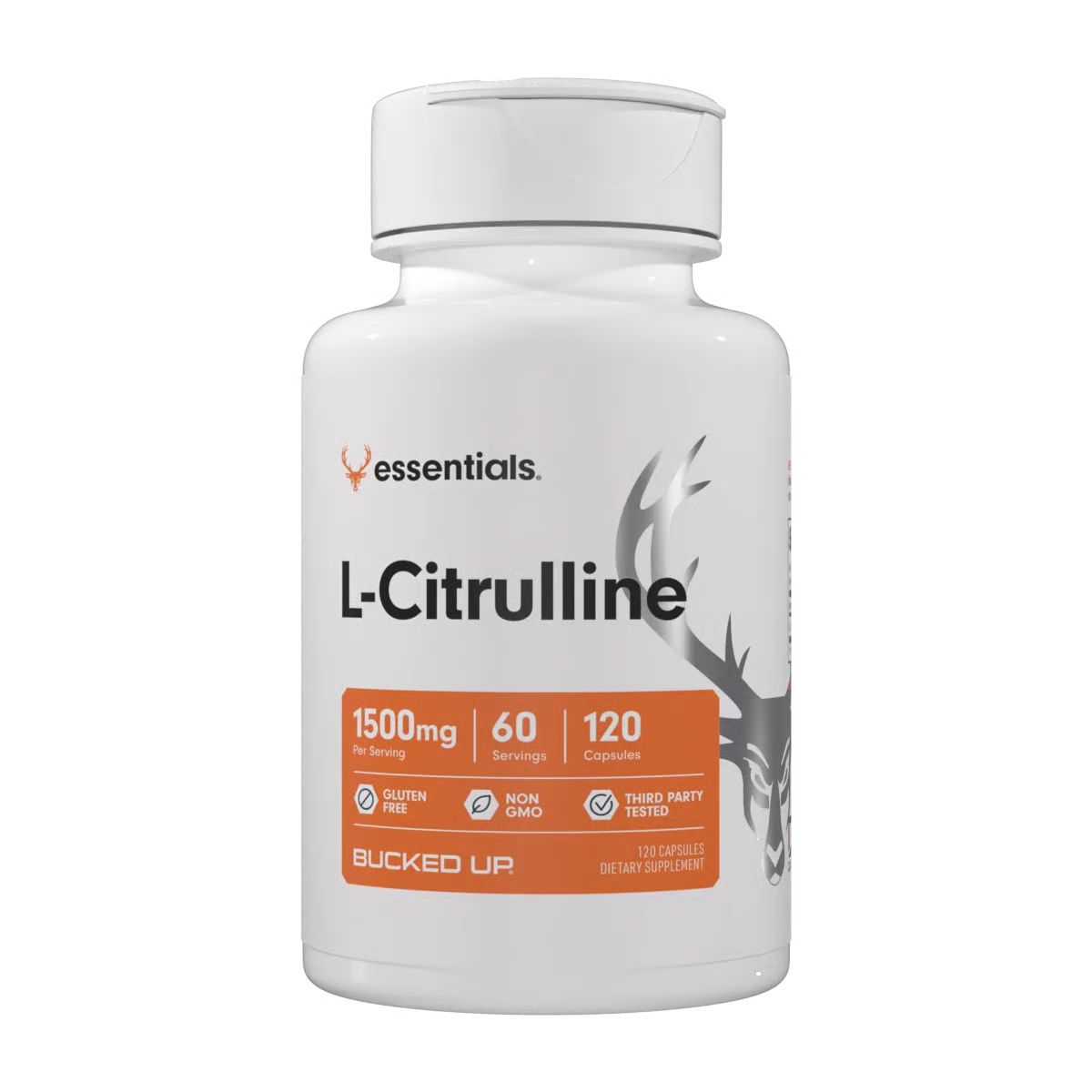
Bucked Up focuses on transparent labeling of effective doses and includes absorption enhancers like Astragin. Some competitors can use proprietary blends that hide actual ingredient amounts, while Bucked Up clearly lists 6,000mg of Citrulline Malate or 4,000mg of pure L-Citrulline in relevant formulas. The addition of Astragin helps address bioavailability concerns that can limit the impact of citrulline supplementation.1
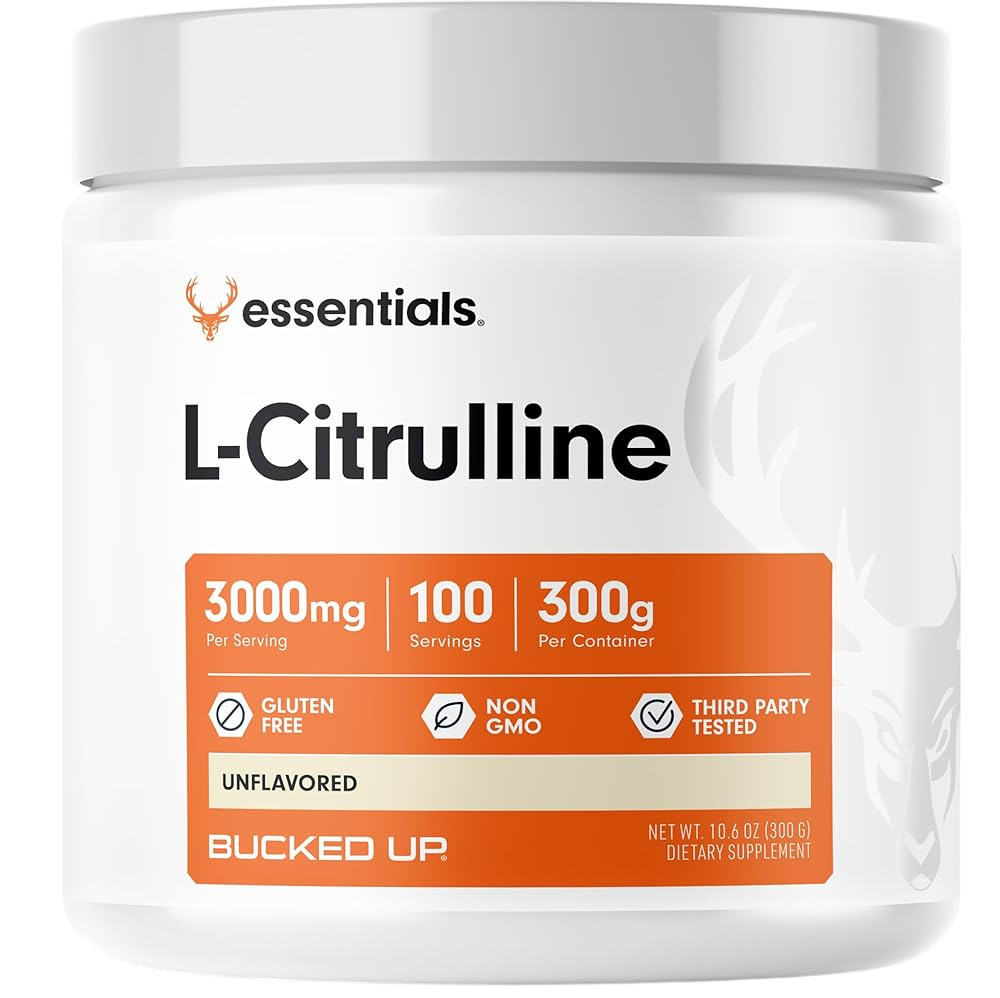
The most effective supplement stacks for gym performance and nitric oxide support often center on L-Citrulline as the foundational component, with creatine, beta-alanine, caffeine, and beetroot extract at scientifically referenced doses. This combination targets several performance pathways at once, including nitric oxide production, ATP regeneration, lactic acid buffering, and neurological drive.1 Start building your evidence-based stack with Bucked Up’s pure L-Citrulline, the foundation for every component discussed in this guide.
1 The content provided in this article is for informational purposes only and is not medical advice. Consult with a medical professional before implementing any changes to your diet, health, or exercise routines.
Individual results will vary and are based on a combination of each individual’s diet, exercise, age, and health circumstances.
These statements have not been evaluated by the Food and Drug Administration. This product is not intended to diagnose, treat, cure or prevent any disease.
This article was written by Ryan Gardner, CEO of Bucked Up. As the maker of Bucked Up Protein Soda, we have a financial interest in this information. The views expressed are our own and should be read with that context in mind.