Last updated: April 22, 2026
Key Takeaways
- L-Citrulline can reduce DOMS by about 40% by boosting nitric oxide and clearing ammonia that contributes to fatigue.1
- Tart cherry juice and curcumin support inflammation control, with 8–12 oz juice daily or 500 mg curcumin recommended.1
- Omega-3s (2–3 g daily) and whey protein (20–25 g post-workout) support inflammation resolution and muscle protein synthesis.1
- Creatine, BCAAs, and magnesium support ATP regeneration, reduce muscle damage, and aid muscle function at 3–5 g, 10–15 g, and 200–400 mg doses.1
- Stacking these with Bucked Up L-Citrulline can create a well-rounded recovery routine.
10 Evidence-Backed Supplements for Muscle Soreness Relief and Recovery
1. L-Citrulline for Muscle Recovery
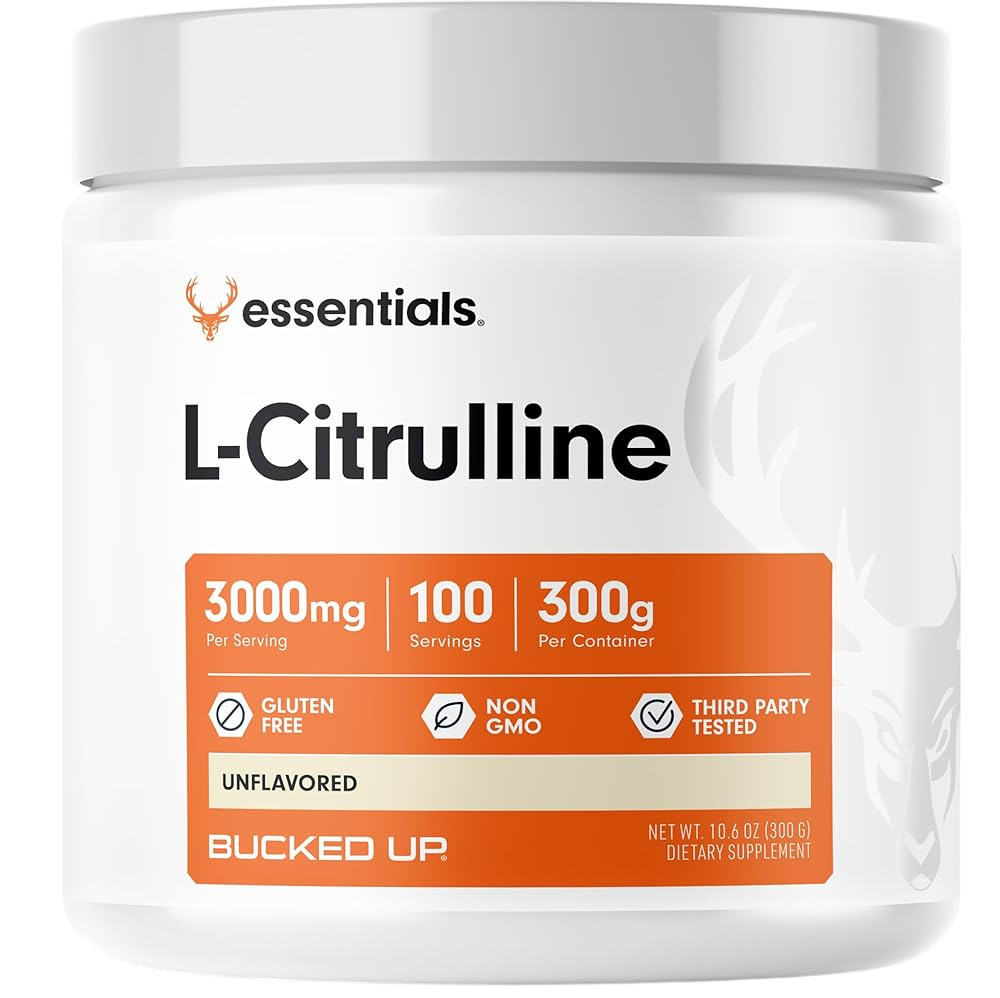
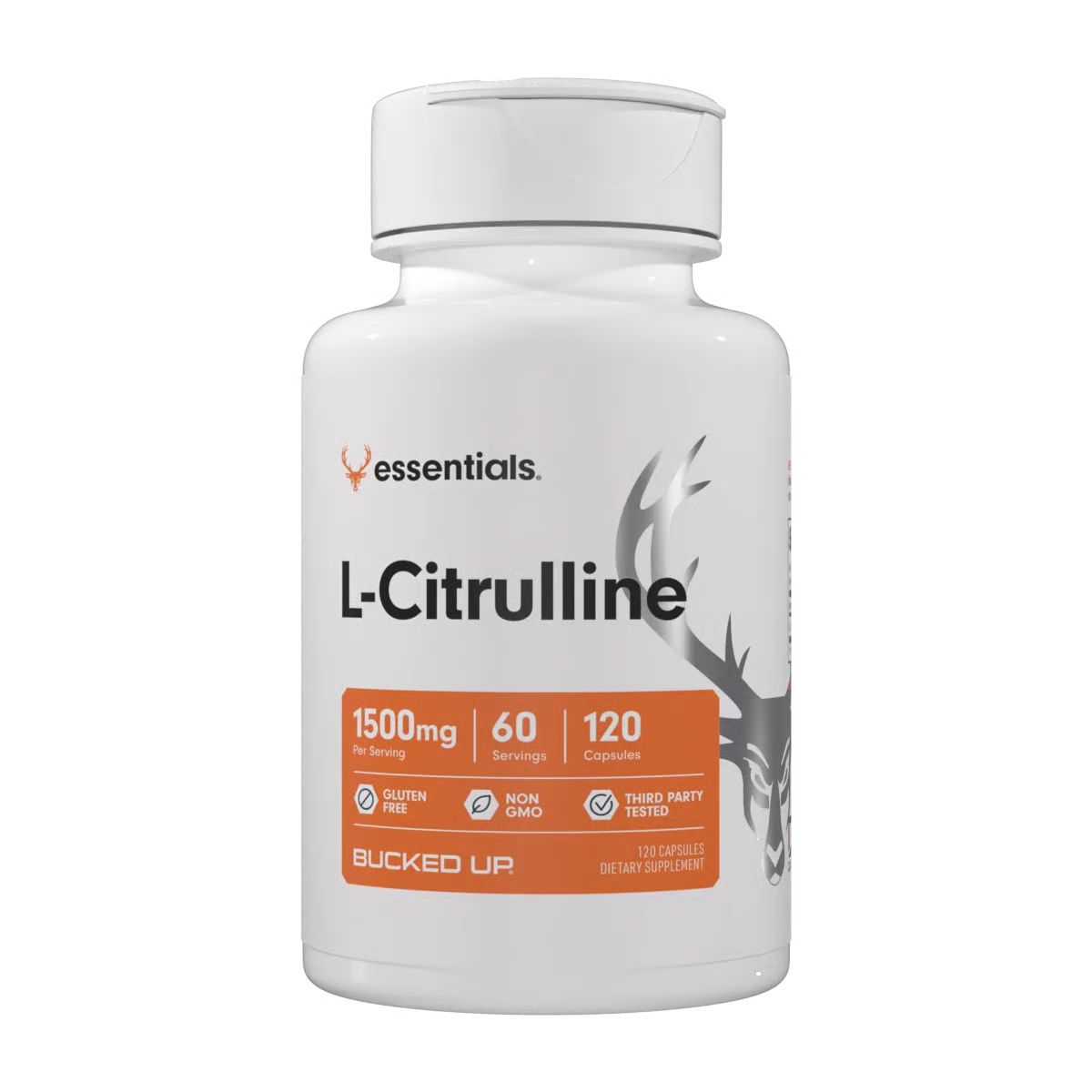
L-Citrulline helps reduce muscle soreness and supports faster recovery.1 This amino acid converts to L-arginine in the kidneys and raises nitric oxide levels more effectively than direct L-arginine.1 Better blood flow improves nutrient delivery and helps clear metabolic waste products like ammonia that drive fatigue.1
A 2010 randomized controlled trial with 41 men found that 8 grams of citrulline malate taken before resistance exercise enabled 53% more repetitions and delivered the 40% soreness reduction at 24–48 hours post-exercise.1 Many lifters use 6–8 grams of citrulline malate or 3–5 grams of pure L-citrulline about 60 minutes before training.
Bucked Up Pre-Workout provides 6,000 mg of citrulline malate (2:1 ratio) with Astragin to support absorption.1 Mother Bucker offers 4,000 mg of pure L-Citrulline with Nitrosigine and Hydroprime Glycerol for people who prefer a pure citrulline base with added pump and hydration support.1
2. Tart Cherry for Muscle Recovery
Tart cherry juice supplies natural compounds that help reduce inflammation and support muscle recovery.1 Research suggests 8–12 oz daily can help reduce muscle soreness and inflammation.1 Anthocyanins in tart cherries provide antioxidant support against exercise-induced oxidative stress.
Tart cherry juice also contains notable amounts of melatonin, and studies show that drinking it twice daily for one week increased total sleep time and sleep efficiency in healthy adults. Better sleep supports muscle recovery and growth hormone release.
Many people use about 240 ml of tart cherry juice twice daily, or a matching amount of concentrate mixed with water. This simple habit pairs well with L-Citrulline for a more complete recovery plan.
3. Curcumin for Muscle Recovery
Curcumin, the main active compound in turmeric, offers strong anti-inflammatory support that can limit exercise-induced muscle damage.1 A common approach is 500 mg daily with black pepper (piperine) to improve absorption.1 Piperine can significantly increase curcumin’s bioavailability.
Curcumin influences inflammatory pathways and can lower markers of muscle damage after hard training. Its antioxidant effects also help protect muscle tissue from free radical damage that slows recovery.
Taking curcumin with a fat source and piperine supports absorption. Many athletes pair curcumin with L-Citrulline so the anti-inflammatory support works alongside improved blood flow and nutrient delivery.
4. Omega-3 Fatty Acids for Muscle Recovery
Omega-3 fatty acids from fish oil help manage inflammation and support muscle recovery.1 Research often uses 2–3 g daily from fish oil to address chronic inflammation.1 EPA and DHA, the main omega-3s in fish oil, support inflammation resolution and muscle protein synthesis.
These fats help your body produce specialized pro-resolving mediators that actively wind down inflammation. This resolution phase supports proper muscle adaptation and recovery after training.
Look for fish oil that provides at least 1,000 mg combined EPA and DHA per serving. Taking omega-3s with meals can improve absorption and reduce digestive discomfort.
5. Whey Protein for Muscle Recovery
Whey protein supplies essential amino acids that drive muscle protein synthesis and repair.1 Its fast digestion makes it a solid choice right after training when muscles are primed for nutrients.
Many lifters aim for 20–25 g of whey protein within about 30 minutes after exercise to support muscle protein synthesis.1 Whey’s high leucine content helps trigger the muscle-building process.
Whey protein pairs well with L-Citrulline. Whey provides the raw materials for repair, while L-Citrulline supports blood flow so those amino acids reach muscle tissue efficiently.
6. Branched-Chain Amino Acids (BCAAs) for Muscle Recovery
BCAAs (leucine, isoleucine, and valine) can help limit exercise-induced muscle damage and support recovery when taken around workouts.1 Some research suggests citrulline malate can improve branched-chain amino acid utilization during exercise, which points to a complementary relationship.
Typical intake ranges from 10–15 g of BCAAs, often in a 2:1:1 ratio that favors leucine.1 You can use them before, during, or after training to support muscle protein synthesis and reduce breakdown.
BCAAs can be especially helpful when training fasted or during long sessions where muscle breakdown may outpace synthesis.
7. Magnesium for Muscle Recovery
Magnesium supports muscle function, protein synthesis, and energy metabolism.1 Intense training and heavy sweating can deplete magnesium, so many athletes benefit from topping up their intake.
Many people use 200–400 mg of magnesium daily. This range works best with highly bioavailable forms such as magnesium glycinate or citrate, which your body can absorb and use more effectively. When magnesium levels stay adequate, muscles contract and relax properly and may cramp less often.
Magnesium also supports sleep quality, which plays a major role in recovery and growth hormone release. Taking magnesium in the evening can support deeper sleep and overnight muscle repair.
8. Creatine for Muscle Recovery
Creatine monohydrate supports recovery by helping regenerate ATP stores quickly and by limiting exercise-induced muscle damage.1 Many people follow a loading phase of 20 g daily for 5 days, then move to 3–5 g daily for maintenance.
Research links creatine use with lower markers of muscle damage and inflammation after intense exercise. Faster ATP regeneration also supports higher training volume and better recovery between sets.
Creatine often pairs well with L-Citrulline. Improved blood flow from L-Citrulline can support creatine delivery into muscle cells.
9. Beta-Alanine for Muscle Recovery
Beta-alanine helps delay muscle fatigue by buffering acid buildup during high-intensity efforts.1 Studies associate this amino acid with better endurance and high-intensity performance, which can support recovery between sessions.
Effective intake usually falls between 3–5 g daily, often split into smaller servings to limit the tingling sensation many users notice. Several weeks of consistent use are needed to raise muscle carnosine levels.
Beta-alanine works alongside L-Citrulline by targeting a different part of fatigue. Beta-alanine buffers acid buildup, while L-Citrulline supports nutrient delivery and waste removal.
10. Vitamin D for Muscle Recovery
Vitamin D supports muscle function, protein synthesis, and immune health.1 Many athletes, especially those training indoors or living in northern regions, have lower-than-ideal vitamin D levels.
Many protocols use 1,000–4,000 IU daily, with higher intakes sometimes needed to correct deficiency. Vitamin D3 (cholecalciferol) is often preferred because it tends to have better bioavailability than D2.
Adequate vitamin D supports testosterone production, muscle strength, and recovery from exercise-related inflammation. Regular blood work helps dial in the right dose for each person.
| Supplement | Key Dose | Soreness Reduction Evidence | Bucked Up Product Match |
|---|---|---|---|
| L-Citrulline | 6–8 g | 40% DOMS reduction | Bucked Up Pre-Workout (6 g) |
| Tart Cherry | 8–12 oz juice | Reduces inflammation | Stack with L-Citrulline |
| Curcumin | 500 mg + piperine | Anti-inflammatory support | Stack with L-Citrulline |
| Omega-3s | 2–3 g daily | Reduces chronic inflammation | Stack with L-Citrulline |
Why L-Citrulline Stands Out for DOMS and Muscle Soreness Relief
L-Citrulline offers recovery support through its metabolic pathway and several mechanisms of action. Unlike L-arginine, which intestinal enzymes can degrade, L-Citrulline bypasses that step and converts to L-arginine in the kidneys. This process supports sustained nitric oxide production and better blood flow, which helps clear waste products that drive soreness.
Research also shows L-Citrulline supplementation improved physical performance in cyclists by 12% and reduced post-exercise fatigue. This metabolic advantage, which avoids the intestinal breakdown that limits L-arginine, helps explain why L-Citrulline often outperforms direct arginine in studies.
Bucked Up offers several L-Citrulline options. Mother Bucker provides 4,000 mg of pure L-Citrulline with Nitrosigine, while Woke AF includes 6,000 mg of citrulline malate for users who prefer a high-stimulant pre-workout. Bucked Up promotes science-backed ingredients, including citrulline malate and pure L-Citrulline. Find your preferred L-Citrulline formula at buckedup.com.
Smart Stacks and Timing for Post-Workout Muscle Soreness Relief
Strategic supplement stacking can amplify recovery benefits compared with using single ingredients alone. A popular soreness stack combines L-Citrulline with tart cherry and omega-3 fatty acids. L-Citrulline supports ammonia clearance, reduces lactic acid buildup, and improves nutrient delivery, while tart cherry and omega-3s address inflammation through different pathways.
Many athletes take 6–8 g of L-Citrulline about 60 minutes before training, then use tart cherry juice and omega-3s after the workout. Citrulline malate combines L-Citrulline with DL-malate, which supports energy production during exercise, so it fits well as a pre-workout choice.
Bucked Up Non-Stimulant Pre-Workout provides 6,000 mg of citrulline malate for evening or caffeine-sensitive users. The standard Bucked Up Pre-Workout offers the same citrulline dose with 200 mg caffeine for daytime training. Both formulas include beta-alanine for added acid buffering and broader recovery support.
Recovery Supplements for Athletes Over 40
Athletes over 40 often face slower recovery because of lower hormone levels, reduced protein synthesis, and higher baseline inflammation. L-Citrulline remains a practical option in this group because research supports its safety at commonly used doses. Studies have used 10–15 g per day of L-Citrulline with good tolerance and few reported side effects.
People with low blood pressure should talk with a healthcare provider before using L-Citrulline, since its vasodilating effects can sometimes cause dizziness.1 Anyone scheduled for surgery should stop use at least two weeks beforehand. Doses above 10 g can cause mild gastrointestinal discomfort for some, so many users stay in the 6–8 g range.1
This focus on transparent, evidence-based formulation can make Bucked Up products appealing for athletes who want reliable recovery support. Find the right L-Citrulline option to support your performance and recovery.
FAQ
What supplement helps most with muscle soreness?
L-Citrulline can meaningfully reduce muscle soreness, with research showing about a 40% drop in DOMS at 24–48 hours post-exercise.1 The amino acid supports better blood flow to muscles and faster removal of waste products like ammonia that contribute to soreness. Many people use 6–8 g of citrulline malate or 3–5 g of pure L-Citrulline about 60 minutes before training.
What is the best L-Citrulline dosage for muscle recovery?
A common approach for recovery is 6–8 g of citrulline malate or 3–5 g of pure L-Citrulline taken 30–60 minutes before exercise. Studies link this range with less muscle soreness, better performance, and faster recovery. Higher intakes up to 10–15 g daily appear well tolerated for many people, although some experience mild digestive discomfort at the upper end.
How does Bucked Up compare to other L-Citrulline supplements?
Bucked Up can stand out through clear labeling and straightforward dosing. Some competitors can use proprietary blends that hide exact L-Citrulline amounts, while Bucked Up lists 6,000 mg of citrulline malate in the standard pre-workout and 4,000 mg of pure L-Citrulline in Mother Bucker. Astragin appears across these formulas to support citrulline absorption and help you get more from each serving.
What are effective supplements for muscle fatigue and soreness?
Many people combine L-Citrulline (6–8 g), tart cherry juice (8–12 oz daily), curcumin (500 mg with piperine), and omega-3 fatty acids (2–3 g daily). L-Citrulline focuses on blood flow and waste removal, while the other supplements support inflammation control. Together, they address several key pathways involved in muscle recovery.
Can I stack L-Citrulline with other recovery supplements?
L-Citrulline stacks well with many recovery supplements and can often enhance their impact. Better blood flow from L-Citrulline helps transport compounds like creatine, BCAAs, and anti-inflammatory ingredients into muscle tissue. Popular stacks include L-Citrulline with tart cherry for broad recovery support, or with creatine for stronger ATP regeneration and less muscle damage.
1 The content provided in this article is for informational purposes only and is not medical advice. Consult with a medical professional before implementing any changes to your diet, health, or exercise routines.
Individual results will vary and are based on a combination of each individual’s diet, exercise, age, and health circumstances.
These statements have not been evaluated by the Food and Drug Administration. This product is not intended to diagnose, treat, cure or prevent any disease.
This article was written by Ryan Gardner, CEO of Bucked Up. As the maker of Bucked Up Protein Soda, we have a financial interest in this information. The views expressed are our own and should be read with that context in mind.