Key Takeaways for Building Running Stamina
- Follow the 80/20 training rule with 80% easy Zone 2 runs and 20% high-intensity sessions to raise VO2max by over 5%.
- Use progressive long runs with the 10% weekly increase rule to gain 3–7% performance improvements while avoiding overtraining.
- Blend HIIT, tempo runs, and strength training to improve lactate threshold, running efficiency, and injury resistance.
- Time your nutrition with 30–60g carbs per hour on long runs and aim for 7–9 hours of sleep to support recovery.
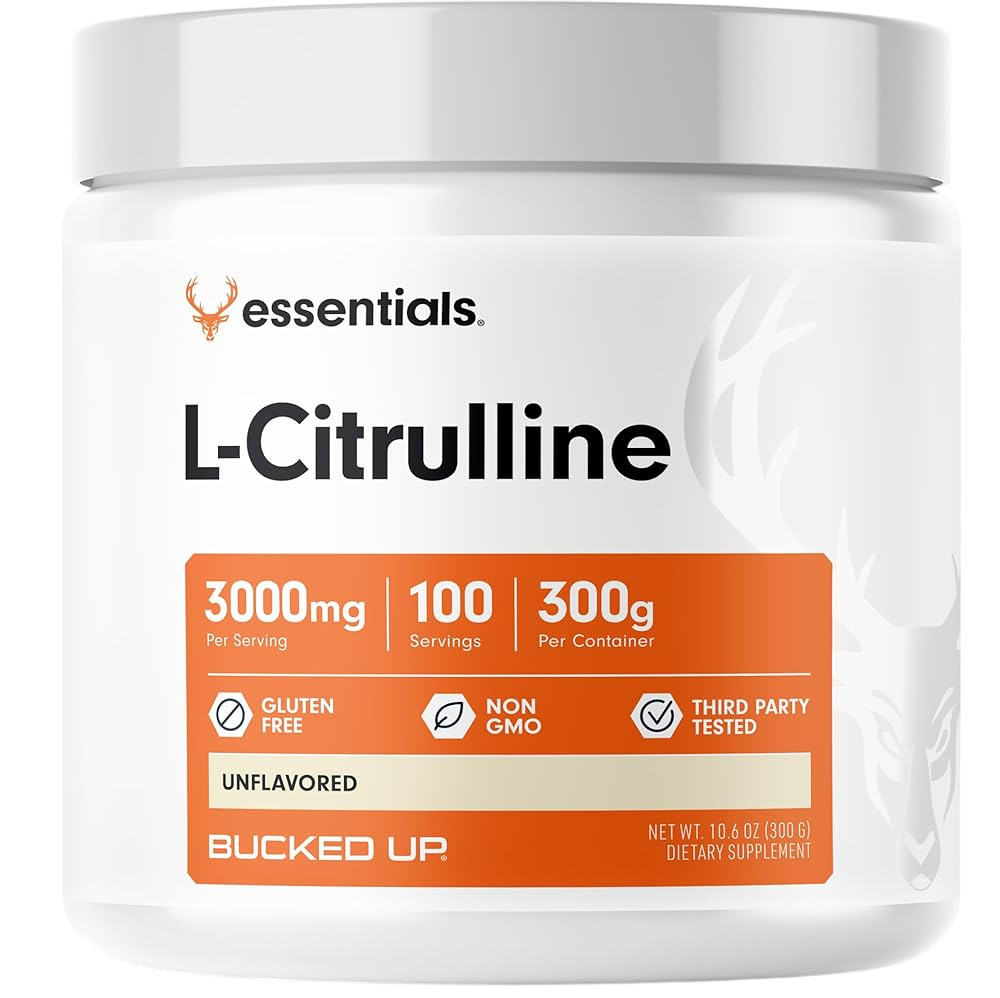
- Stack Bucked Up’s clinical-dose L-Citrulline to extend endurance by about 12%, cut fatigue, and boost nitric oxide production.
Core Pillars That Build Running Endurance
Running endurance improves fastest when you train several systems at once. Your plan should include:
- 80/20 Training Rule: 80% easy-paced Zone 2 runs, 20% high-intensity work
- Progressive Long Runs: Gradual weekly distance increases using the 10% rule
- HIIT and Tempo Work: Structured intervals that raise your lactate threshold
- Strength Training: Lower body power and joint protection
- Recovery Protocols: Quality sleep and active recovery days
- Smart Nutrition: Carbohydrate timing and hydration planning
- L-Citrulline Supplementation: Higher nitric oxide for better oxygen delivery
The aerobic base sits at the center of endurance gains, and Zone 2 training builds that base. These easy runs increase mitochondrial density and capillarization so your muscles use oxygen more efficiently. L-Citrulline supplementation elevates arginine levels for vasodilation and oxygen delivery, with studies showing 53% more repetitions and reduced muscle soreness. This amino acid bypasses liver metabolism and converts to arginine in the kidneys, which supports steady nitric oxide production and blood flow during long efforts.
7 Science-Backed Strategies to Build Running Stamina
1. Use the 80/20 Training Rule for Faster VO2max Gains
The 80/20 intensity distribution increases VO2max by 5.2% compared to 3.1% with mostly moderate training. Most of your runs should feel conversational in Zone 2. This approach builds your aerobic base, improves mitochondrial function, and increases fat use for fuel.
|
Experience Level |
Weekly Easy Runs |
High-Intensity Sessions |
Sample Week |
|
Beginner |
80% |
20% |
3x30min easy, 1x intervals |
|
Intermediate |
80% |
20% |
4x45min easy, 1x tempo, 1x long |
|
Advanced |
80% |
20% |
5x60min easy, 2x quality sessions |
2. Progress Your Long Run with the 10% Rule
Marathon runners using progressive long runs improved race times by 3.4% over 16 weeks and raised VO2max by 7.1%. A 10% weekly mileage increase keeps stress manageable while still driving aerobic adaptation.
|
Week |
Beginner Duration |
Intermediate Duration |
Advanced Duration |
|
1 |
20 minutes |
45 minutes |
75 minutes |
|
4 |
35 minutes |
60 minutes |
90 minutes |
|
8 |
50 minutes |
75 minutes |
105 minutes |
|
12 |
60 minutes |
90 minutes |
120 minutes |
3. Add HIIT and Tempo Sessions for Speed and Threshold
High-intensity interval training improves VO2max, speed, and agility through neuromuscular adaptations and greater motor unit recruitment. A classic workout uses 4×4-minute intervals at 90–95% max heart rate with 3-minute easy recoveries. This structure targets your lactate threshold and raises sustainable race pace.
4. Strength Train to Protect Joints and Improve Economy
Lower body strength training two or three times per week supports better running form and fewer injuries. A 150lb runner can start with squats and lunges at 50% body weight, or about 75lbs, for 3 sets of 10 reps. Plyometric moves such as jump squats build power and help each stride feel lighter and more efficient.
5. Time Carbs and Fuel for Long-Run Energy
Carbohydrate intake of 30–60g per hour during runs longer than 90 minutes helps maintain glycogen. Pre-run meals three to four hours before training should focus on easy-to-digest carbs with low fiber and fat so your stomach stays calm while you run.
6. Treat Recovery as Part of Training
Sleep of 7–9 hours per night supports growth hormone release and muscle repair. Light active recovery at 60–70% max heart rate improves circulation and reduces soreness without adding real training stress.
7. Stack L-Citrulline for Stronger Nitric Oxide Support
Training builds your aerobic engine, and L-Citrulline adds a performance edge that pure training cannot match. Cyclists taking L-Citrulline extended time to exhaustion by 12% and cut 4km time trial times by 1.5%. This amino acid converts to arginine in the kidneys and avoids liver breakdown, which supports sustained nitric oxide production and better oxygen delivery to working muscles.
Why L-Citrulline Outperforms Other Stamina Supplements
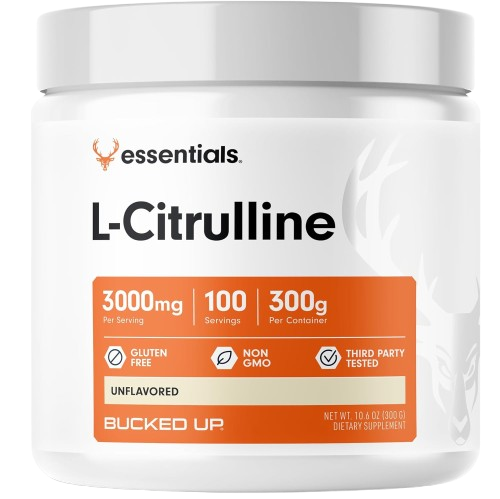
L-Citrulline functions as a highly effective nitric oxide booster for endurance athletes because it absorbs better than direct arginine. Arginine breaks down heavily in the liver, while L-Citrulline bypasses first-pass metabolism and converts to arginine in the kidneys for longer nitric oxide support.
Research demonstrates a 40% reduction in delayed onset muscle soreness and better creatine phosphate resynthesis during endurance exercise. The Citrulline Malate form pairs L-Citrulline with malic acid, which supports the Krebs cycle, ATP production, and ammonia clearance.
Bucked Up offers clinically dosed options, including 6g Citrulline Malate at a 2:1 ratio in Bucked Up and Woke AF pre-workouts. Mother Bucker provides 4g Pure L-Citrulline with Nitrosigine for advanced athletes. AstraGin appears in these formulas to enhance absorption and support high bioavailability.
For best results, take 6–8g Citrulline Malate about 60 minutes before exercise. A 150lb runner can target 6g Citrulline Malate or 3–4g Pure L-Citrulline. Studies show strong safety at recommended doses with minimal side effects.
Customer feedback often mentions quick performance changes. One example, “PR’d cycling session first use with Woke AF,” reflects the rapid vasodilation and oxygen delivery that set L-Citrulline apart from many endurance supplements.
Sample Weekly Training Plan with Bucked Up Support
|
Day |
Workout Type |
Duration |
Bucked Up Protocol |
|
Monday |
Easy Run |
30–45 minutes |
Optional: L-Citrulline powder |
|
Wednesday |
HIIT Intervals |
4×4 minutes |
Bucked Up Pre-Workout 60min prior |
|
Friday |
Tempo Run |
20–30 minutes |
Woke AF for sustained intensity |
|
Saturday |
Long Run |
60–90 minutes |
Mother Bucker for extended efforts |
Track perceived exertion on a 1–10 scale and use GPS apps to monitor pace. Focus on gradual duration increases during base building instead of sudden intensity spikes.
Common Training Mistakes and How to Fix Them
Overtraining often shows up as a higher resting heart rate, constant fatigue, and worse performance even when you work harder. Ignoring the 10% weekly increase rule or skipping the 80/20 intensity split raises burnout and injury risk. A better approach uses structured periodization, planned recovery, and targeted support from clinically dosed L-Citrulline so you improve oxygen delivery without piling on more training stress.
Frequently Asked Questions
What vitamins and supplements actually help boost running stamina?
L-Citrulline delivers the largest stamina boost by raising nitric oxide and improving oxygen delivery. Clinical doses of 6–8g Citrulline Malate or 3–4g Pure L-Citrulline taken 60 minutes before exercise improve time to exhaustion and lower perceived effort. Beta-alanine supports muscular endurance by buffering lactate, and caffeine improves focus and power. L-Citrulline stands out because it directly supports blood flow, which training alone cannot fully address.
How exactly does the 80/20 training rule work for building endurance?
The 80/20 rule assigns 80% of weekly training to easy Zone 2 efforts and 20% to harder work above lactate threshold. This split maximizes mitochondrial growth and capillary density while keeping fatigue manageable. Easy runs should feel comfortable enough for conversation, usually 60–70% of max heart rate. The 20% high-intensity block covers tempo runs, intervals, and race-pace work that improve lactate clearance and VO2max. This structure builds aerobic capacity more effectively than steady moderate training.
What L-Citrulline dosage works best for a 150lb runner?
A 150lb runner benefits from 6g Citrulline Malate at a 2:1 ratio or 3–4g Pure L-Citrulline about 60 minutes before training or racing. Citrulline Malate adds malic acid, which supports the Krebs cycle and ammonia removal. Daily use for at least seven days may enhance results compared to a single dose. Bucked Up formulas include AstraGin to support absorption and bioavailability. Start at the lower end of the range to check tolerance, since higher doses can cause mild digestive discomfort for some athletes.
Is L-Citrulline supplementation safe for beginner runners?
L-Citrulline shows strong safety data for beginners when used at recommended doses. It does not act like a stimulant and avoids jitters or crashes, because it works through natural vasodilation. New runners can start with 3g Citrulline Malate and increase toward clinical doses as tolerated. The supplement supports recovery and reduces soreness, which helps beginners adapt to new training loads. People who are pregnant, have severe kidney disease, or use blood pressure medications or nitrates should avoid use unless cleared by a healthcare provider.
How does Bucked Up L-Citrulline compare to other brands?
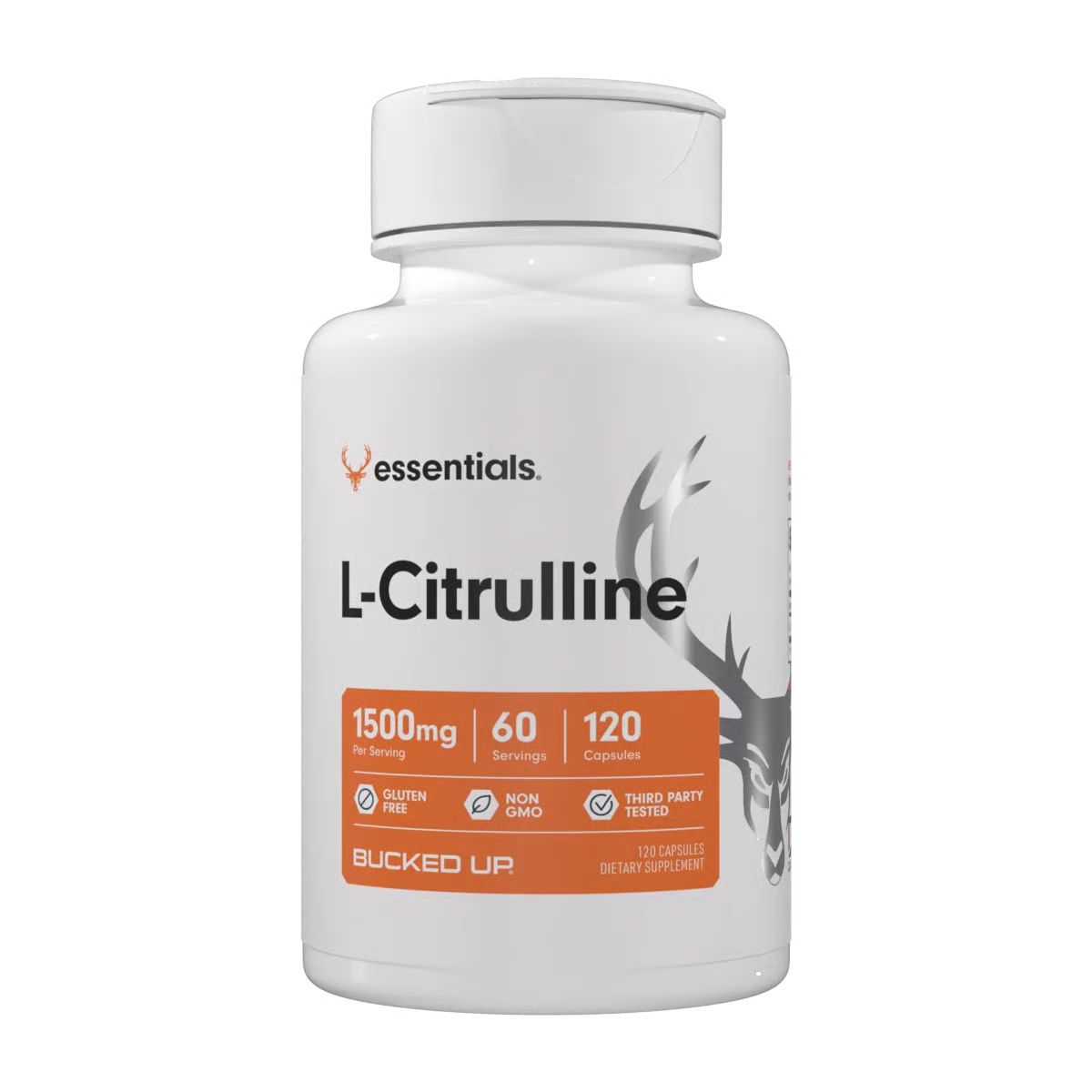
Bucked Up focuses on clinical dosing, proven ratios, and better absorption. Their Citrulline Malate uses the validated 2:1 ratio at a 6g total dose, and Pure L-Citrulline products provide 4g combined with Nitrosigine for added vascular support. AstraGin in every formula increases citrulline absorption compared to basic powders. Bucked Up also offers several delivery methods, including capsules, powders, and pre-workout blends for flexible use. Third-party testing and GMP manufacturing support consistent potency and purity.