Last updated: April 22, 2026
Key Takeaways for Building Running Stamina
- Use the 80/20 rule: spend about 80% of your weekly running time at an easy pace and 20% at higher intensity.
- Include structured HIIT such as 10-20-30 intervals and 5-4-3-2-1 sessions to improve VO₂max and stamina.
- Lift weights and do plyometrics 2-3 times per week to improve running economy by 3-5% and lower injury risk.
- Increase weekly running volume gradually, around 10% at a time, and support recovery with 7-9 hours of sleep and smart post-run nutrition.
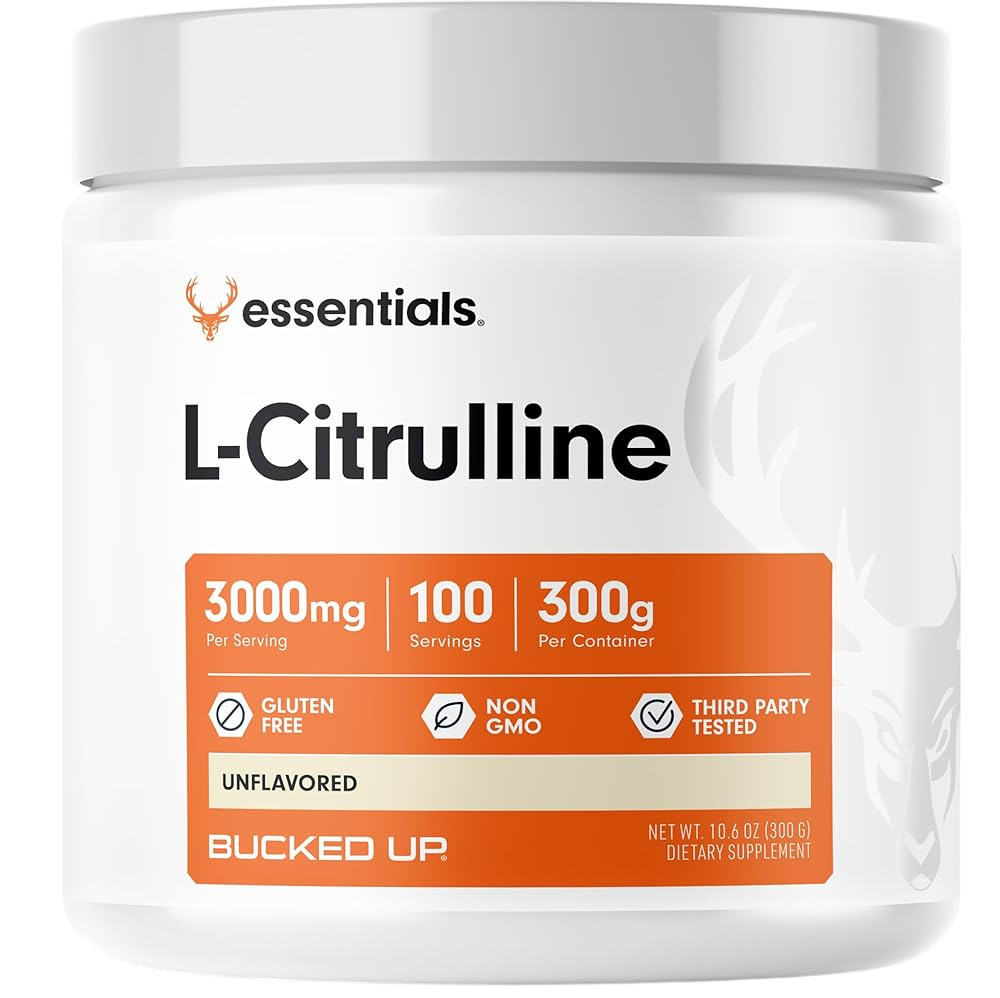
- Use L-Citrulline to support endurance, with research showing up to 12% longer exercise capacity; get Bucked Up L-Citrulline for clearly labeled dosing.1
Apply the 80/20 Running Rule for Faster Progress
The 80/20 training principle means most of your weekly running stays easy, with a smaller portion reserved for hard efforts. This balance builds aerobic capacity while reducing the risk of overtraining that can stall progress.
Easy runs develop mitochondrial density, capillarization, and fat use for fuel, which form the base of endurance performance. For beginners, this usually means 3-4 easy runs per week at a pace where you can still talk in full sentences. Intermediate runners can add one more easy run while keeping the same 80/20 intensity split.
The conversational pace test gives you a simple way to check intensity during these runs. If you cannot speak in complete sentences, you are likely running too hard and limiting the aerobic adaptations that support long-term stamina.
Use Intervals and Tempo Runs to Break Plateaus
High-intensity interval training, or HIIT, can drive strong improvements in VO₂max, so structured intervals play a key role when you want to break through stamina plateaus.
The 10-20-30 rule offers a simple format: 10 seconds of fast running, 20 seconds of jogging, and 30 seconds of walking, repeated for 5-10 cycles. The 5-4-3-2-1 method adds progression by using descending work periods: 5 minutes hard with 4 minutes recovery, then 4 minutes hard with 3 minutes recovery, and so on.
Bi et al.’s 2026 meta-analysis of 115 trials found HIIT often outperforms continuous training for improving maximal oxygen uptake, especially when running is the main exercise. Start with one interval session per week and build intensity and volume gradually.
Build Running Economy with Strength and Plyometrics
Llanos-Lagos et al.’s 2024 systematic review reported that structured strength training can improve running economy by 3-5%, which can translate into faster times at the same effort.
Center your lifting on compound movements such as squats, lunges, deadlifts, and single-leg variations that resemble running mechanics. Add plyometric drills like box jumps, bounding, and jump squats to build power and reactive strength that support smoother, more efficient strides.
Two to three strength sessions per week, scheduled on easy running days or rest days, usually provide enough stimulus without disrupting key workouts. This combination can lower injury risk while improving movement economy.
Support Training with Recovery and Nutrition Basics
Runners generally perform better when they consistently get 7-9 hours of sleep per night, which supports recovery and hormone balance. Short sleep can impair endurance, slow tissue repair, and raise injury risk.
Post-run nutrition timing also matters: aim for 0.5-0.7 grams of carbohydrates per pound of body weight within 30-60 minutes to support glycogen replenishment. Hydration usually requires 16-24 ounces of fluid per pound of body weight lost through sweat, ideally with sodium and carbohydrates from sports drinks or electrolyte mixes.
Recovery is an active part of training, because that is when your body actually adapts. Connective tissue remodeling begins around day 21 and can continue for up to 2 years, depending on the injury. Adequate rest between hard sessions supports this process and helps long-term progress.
Use L-Citrulline to Support Endurance
L-Citrulline travels through the liver and converts to L-Arginine in the kidneys, which can significantly increase nitric oxide production.1 Higher nitric oxide levels help deliver oxygen to working muscles and support ammonia clearance, which may delay fatigue.1
Studies in cyclists have shown that L-Citrulline can extend exercise duration before exhaustion by about 12%, with better power output during efforts.1 Direct arginine supplements often have poor absorption, while L-Citrulline tends to produce more sustained increases in plasma arginine.1
Dosing depends on the form you use and when you take it. The table below outlines typical ranges and timing for pure L-Citrulline and citrulline malate.
| Form | Dose | Bucked Up Product | Timing |
|---|---|---|---|
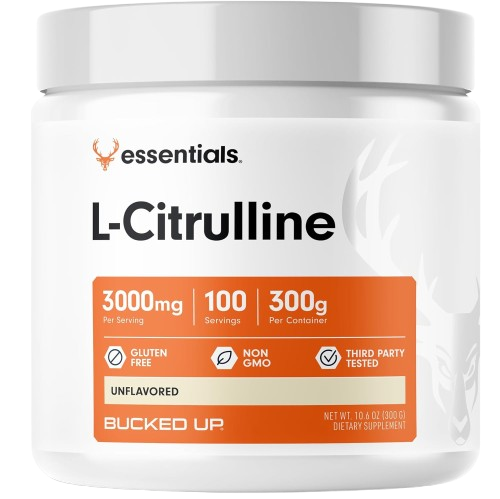
| Pure L-Citrulline | 3-6g daily | L-Citrulline Powder (3g/scoop) | 60min pre-exercise |
| Citrulline Malate 2:1 | 6-8g pre-exercise | Bucked Up/Woke AF (6g) | 30-60min pre-exercise |
Bucked Up formulations include AstraGin® to support absorption, which helps you get the stated dose into your system.1 The Citrulline Malate 2:1 ratio supplies both nitric oxide support and malic acid, which plays a role in energy metabolism.1
Choose your optimal citrulline dose based on the form and timing that match your training schedule.
Your 4-Week Running Stamina Plan
This four-week plan brings together easy runs, intervals, strength work, and citrulline supplementation while still allowing recovery.
| Week | Running Volume | Intensity/Strength | Supplement Protocol |
|---|---|---|---|
| 1 | 3 easy runs (20-25min), 1 interval session | 2x strength, basic plyometrics | 6g Citrulline Malate pre-intervals |
| 2 | Increase easy runs by about 10%, add tempo work | Progress loads, add jump training | Daily 3g pure L-Citrulline |
| 3 | Continue ~10% progression, longer intervals | Compound movements, reactive drills | 6g Citrulline Malate pre-hard sessions |
| 4 | Peak volume, race-pace segments | Power emphasis, movement quality | Stack with 4g pure L-Citrulline daily |
Track perceived exertion and running times so you can see how your body responds to each week. These metrics help you judge whether you are ready to increase volume or need to repeat a week before progressing.
Get the citrulline supplementation outlined in this 4-week plan to support your stamina training.
Common Running Mistakes and Safer Alternatives
Rapid jumps in training volume or intensity often cause plateaus and injuries. Previous injury also raises risk, often because tissues did not fully recover before training ramped back up. As outlined in the 4-week plan above, gradual progression and consistency matter more than aggressive intensity when you want to stay healthy.
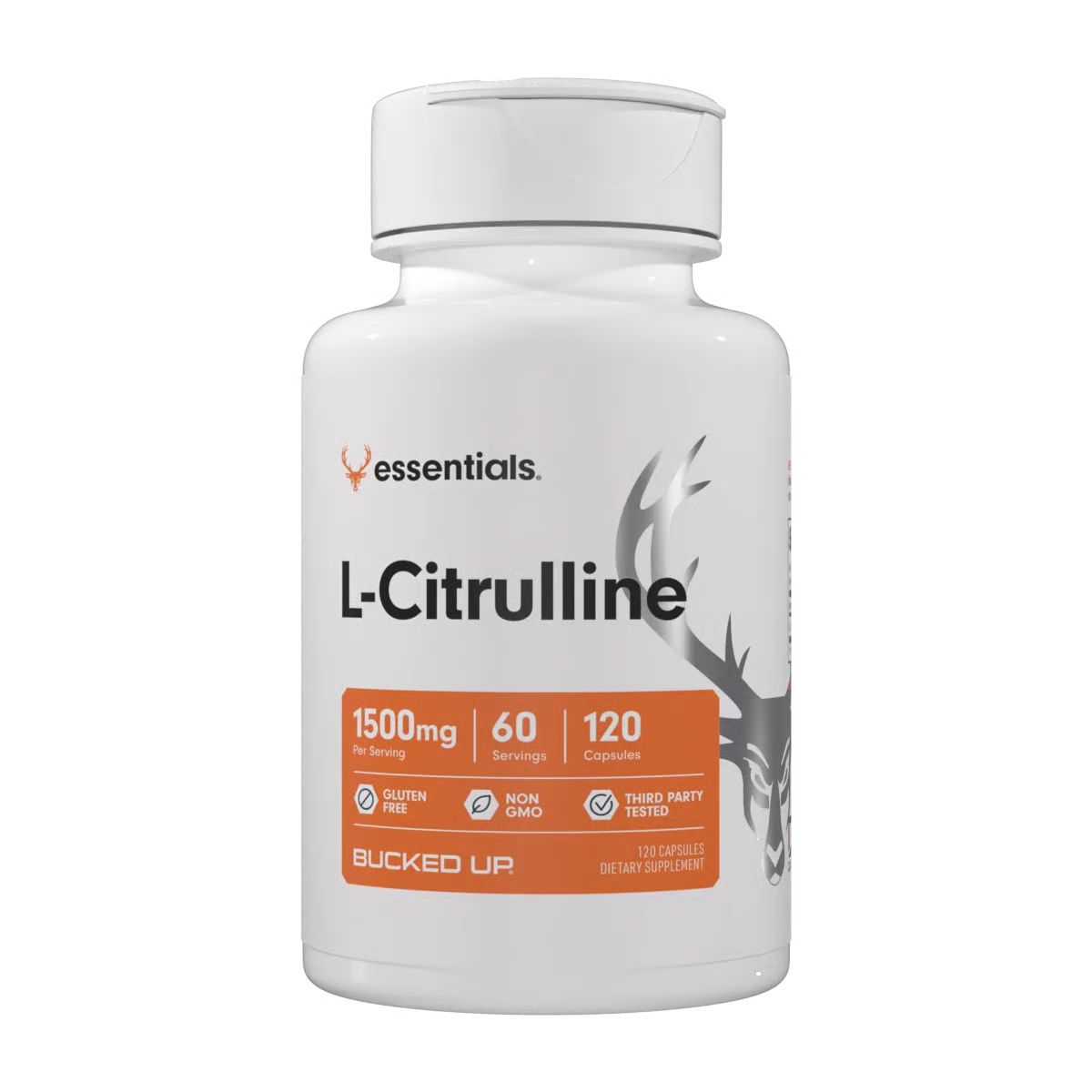
Ignoring early recovery signals can create a layer of fatigue that hides fitness gains. Many overuse injuries start when new sessions begin before tissues finish repairing from earlier workouts. L-Citrulline may support recovery by helping reduce exercise-related muscle soreness and aiding removal of metabolic waste.1
Advanced Strategies for Long-Term Endurance
Periodized training helps prevent staleness and supports better timing for peak performances. Rotate higher-volume base phases with blocks that focus more on intensity, and schedule 2-3 weeks of reduced training before key races.
Advanced athletes can consider stacking Mother Bucker’s 4g pure L-Citrulline with Nitrosigine® and Hydroprime® Glycerol during peak phases to support pumps, blood flow, and hydration-related performance.1
FAQ
How much L-Citrulline should I take for running?
For endurance support, many runners use 3-6g of pure L-Citrulline daily or 6-8g of Citrulline Malate 30-60 minutes before training.1 Bucked Up L-Citrulline Powder provides 3g per scoop of pure L-Citrulline, and Bucked Up pre-workouts include 6g of Citrulline Malate per serving.
What is the 80/20 rule in running?
The 80/20 rule means about 80% of your weekly training time stays at an easy, conversational pace and about 20% at higher intensity. This mix supports strong aerobic development and helps reduce the overtraining that often happens when too much work falls in the moderate zone.
Can I build running stamina in 2 weeks?
Some fitness changes can appear within 2 weeks, but meaningful stamina gains usually take 4-6 weeks of steady training. Early progress often reflects neuromuscular changes and better running efficiency rather than large cardiovascular adaptations.
Which Bucked Up product works well for endurance?
For a focus on endurance and dosing flexibility, L-Citrulline Powder lets you adjust pure L-Citrulline amounts.1 For a broader pre-workout option, Bucked Up pre-workouts provide 6g of Citrulline Malate along with energy and focus ingredients.1 Advanced athletes may choose Mother Bucker with 4g pure L-Citrulline plus Nitrosigine®.
What is the 10-20-30 running rule?
The 10-20-30 rule structures intervals as 10 seconds of fast running, 20 seconds of jogging, and 30 seconds of walking, repeated for several cycles. This format delivers a strong high-intensity stimulus while still allowing short recovery periods between efforts.
How does the 5-4-3-2-1 running method work?
The 5-4-3-2-1 method uses descending work intervals with paired recovery periods. You run 5 minutes hard with 4 minutes easy, then 4 minutes hard with 3 minutes easy, and continue the pattern. This structure challenges multiple energy systems while helping you maintain quality across the workout.
Is running a 5K three times per week enough?
Running a 5K three times per week can build a basic aerobic base, but progress may slow without intensity variety. Add one interval workout and one tempo run each week, and keep at least one 5K at an easy pace to support balanced endurance development.
1 The content provided in this article is for informational purposes only and is not medical advice. Consult with a medical professional before implementing any changes to your diet, health, or exercise routines.
Individual results will vary and are based on a combination of each individual’s diet, exercise, age, and health circumstances.
These statements have not been evaluated by the Food and Drug Administration. This product is not intended to diagnose, treat, cure or prevent any disease.
This article was written by Ryan Gardner, CEO of Bucked Up. As the maker of Bucked Up Protein Soda, we have a financial interest in this information. The views expressed are our own and should be read with that context in mind.