Written by: Ryan Gardner, Owner, Managing Partner, CEO, Bucked Up
Key Takeaways: L-Citrulline vs L-Arginine for Your Pump
-
L-citrulline bypasses first-pass metabolism in the gut and liver, so it delivers higher and more sustained plasma arginine than oral L-arginine.1*
-
Oral L-arginine is rapidly broken down by arginase enzymes, which limits how much arginine reaches the bloodstream and supports nitric oxide production.1*
-
Research-backed performance ranges typically land at 3–6 g of pure L-citrulline or 6–8 g of citrulline malate taken about 60 minutes before training.1*
-
L-citrulline generally shows better tolerability, with fewer gastrointestinal side effects than the higher L-arginine doses needed for similar effects.1*
-
Bucked Up applies this research with fully disclosed gram amounts and Astragin® across its lineup, including the science-backed Pure L-Citrulline Powder.1*
Nitric Oxide, L-Arginine, and Your Training Pump
Nitric oxide (NO) is a gaseous signaling molecule that your body makes from L-arginine using enzymes called Nitric Oxide Synthases (NOS). When NOS converts L-arginine to L-citrulline, nitric oxide is released as a byproduct. That nitric oxide then signals vascular smooth muscle cells to relax, which supports vasodilation and blood flow to active tissues, including skeletal muscle, cardiac muscle, and the brain.* The practical takeaway for training is simple. More available L-arginine for NOS means more support for nitric oxide production, which supports the pump and nutrient delivery during exercise.1*
*These statements have not been evaluated by the Food and Drug Administration. This product is not intended to diagnose, treat, cure, or prevent any disease.
Why Oral L-Arginine Often Underperforms
Supplementing L-arginine directly runs into a metabolic roadblock in the gut and liver. Arginase enzymes in intestinal cells and hepatocytes break down a substantial portion of ingested L-arginine before it reaches systemic circulation. This first-pass metabolism means that even large oral doses of L-arginine create only a modest and short-lived rise in plasma arginine. The Mayo Clinic notes that orally taken L-arginine is quickly absorbed but also rapidly metabolized, which limits how much remains available in the bloodstream. As a result, the dose required to meaningfully raise plasma arginine with direct L-arginine becomes impractically high, and at those higher doses, gastrointestinal complaints become more common.
L-Citrulline’s Route Through the Kidneys
L-citrulline follows a more efficient route for raising arginine. It is absorbed efficiently from the small intestine and largely avoids arginase degradation in the gut and liver because arginase has low affinity for citrulline as a substrate. From the intestine, citrulline travels through the portal circulation to the kidneys, where the enzymes argininosuccinate synthase and argininosuccinate lyase convert it into L-arginine. That newly synthesized arginine then enters systemic circulation and provides substrate for NOS throughout the body.1*
Pharmacokinetic data from Schwedhelm et al. (2008) show that a single 3 g dose of L-citrulline raises plasma L-arginine levels by 40 to 50 percent within one to two hours1, which outperforms an equivalent oral arginine dose. Peak plasma citrulline concentrations typically occur within 0.7 to 2 hours after ingestion, which supports the common recommendation to take it 30 to 60 minutes before training. This bypass of hepatic first-pass metabolism, and the more sustained elevation of plasma arginine that follows, forms the core pharmacokinetic advantage of L-citrulline over direct L-arginine supplementation.1*
*These statements have not been evaluated by the Food and Drug Administration. This product is not intended to diagnose, treat, cure, or prevent any disease.
Real-World Dosing: How Much L-Citrulline to Use
Performance-focused dosing ranges are specific enough that they matter when you read a supplement label. For weight training, 6 to 8 g of citrulline malate (providing about 3.4 to 4.5 g of pure L-citrulline, since 1.76 g of citrulline malate 2:1 yields roughly 1 g of L-citrulline) taken about 60 minutes before exercise, with effects peaking at 45 to 90 minutes, represents a common research-backed protocol.1* For pure L-citrulline, studied ranges for performance and vascular function support generally fall between 3 g and 6 g per day.1*
Reaching even 3 g of citrulline from food alone would require roughly 2.2 to 3.3 lbs of watermelon daily, which is unrealistic for most people. Supplementation provides a practical way to reach ergogenic doses without turning every day into a watermelon challenge.
*These statements have not been evaluated by the Food and Drug Administration. This product is not intended to diagnose, treat, cure, or prevent any disease.
L-Citrulline vs L-Arginine: Side Effects and Tolerability
Tolerability often becomes the deciding factor in the arginine vs citrulline nitric oxide comparison. L-citrulline supplementation appears less likely to cause gastrointestinal upset than L-arginine supplementation, and in studies lasting from one week to several months, daily L-citrulline doses up to about 10 g per day were generally well tolerated, with mild side effects (nausea, diarrhea, stomach discomfort, heartburn) reported in fewer than 5 percent of users.1* Citrulline malate may be slightly more likely to cause heartburn than pure L-citrulline because the malate component is more acidic. L-arginine, by comparison, is more often linked with gastrointestinal complaints such as nausea, bloating, diarrhea, and cramps at the higher doses needed to meaningfully raise plasma arginine. Always consult your healthcare provider before starting any new supplementation protocol, especially if you have existing health conditions or take prescription medications.
Stacking L-Citrulline and L-Arginine Together
Some products combine L-citrulline and L-arginine, based on the idea that citrulline supports systemic delivery while a modest arginine dose supplies direct local substrate. The evidence base for this combination in healthy, training adults is less developed than the evidence for citrulline alone. The pharmacokinetic rationale for adding arginine on top of citrulline also remains less clearly established in peer-reviewed literature. Because L-citrulline already converts to L-arginine in the kidneys and raises systemic arginine more effectively than oral arginine itself, the incremental benefit of adding oral arginine to a citrulline-containing formula remains an open question.* For most training scenarios, current evidence points toward dialing in citrulline dose and absorption rather than layering in extra arginine.1*
*These statements have not been evaluated by the Food and Drug Administration. This product is not intended to diagnose, treat, cure, or prevent any disease.
How Bucked Up Builds Its Citrulline-Based Formulas
Bucked Up approaches the arginine vs citrulline nitric oxide question by following the pharmacokinetics and disclosing every gram on the label. The line avoids proprietary blends and underdosed “fairy dusting” and instead focuses on clear gram amounts.
In the foundational pre-workouts, Bucked Up Pre-Workout and Woke AF, the formula includes 6,000 mg of Citrulline Malate 2:1, which sits at the threshold studied for supporting nitric oxide production and training performance.1* That 2:1 ratio delivers dual support. The citrulline component supports vasodilation, while the malic acid component, a Krebs Cycle intermediate, supports the energy side of the equation.1* To help that full 6,000 mg dose absorb effectively, Astragin® appears across the entire pre-workout line, and it has been studied to support citrulline absorption and bioavailability.1*
For advanced athletes who want more targeted support, Mother Bucker stacks 4,000 mg of Pure L-Citrulline with Nitrosigine® and Hydroprime® Glycerol, a combination Bucked Up calls the Pump Trifecta. Pure L-citrulline (without malate) is used here to leave room for the Nitrosigine® and glycerol stack, which supports vasodilation and cellular hydration through multiple biological pathways.1* Astragin® is present here as well, because citrulline that does not absorb simply passes through without delivering its intended support.
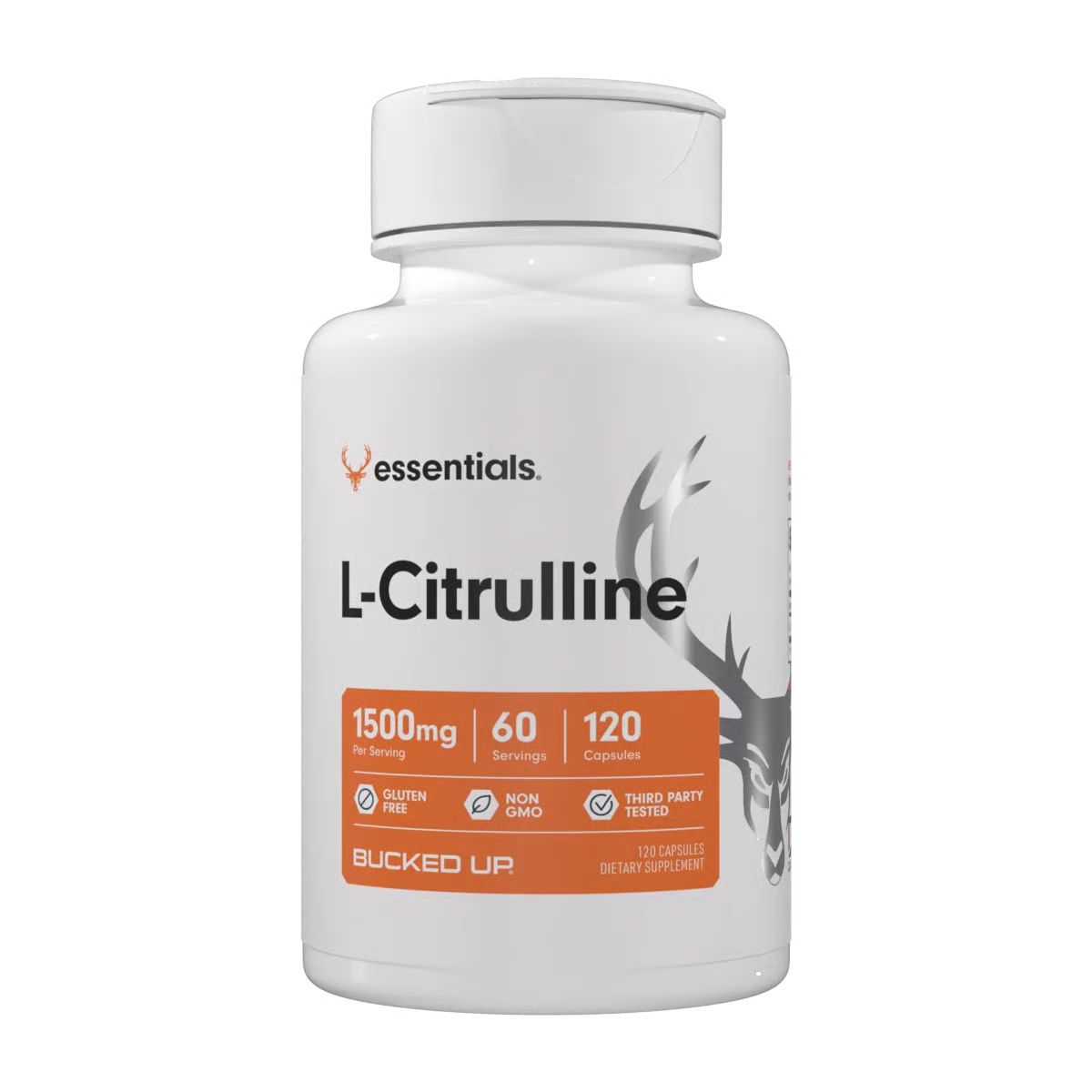
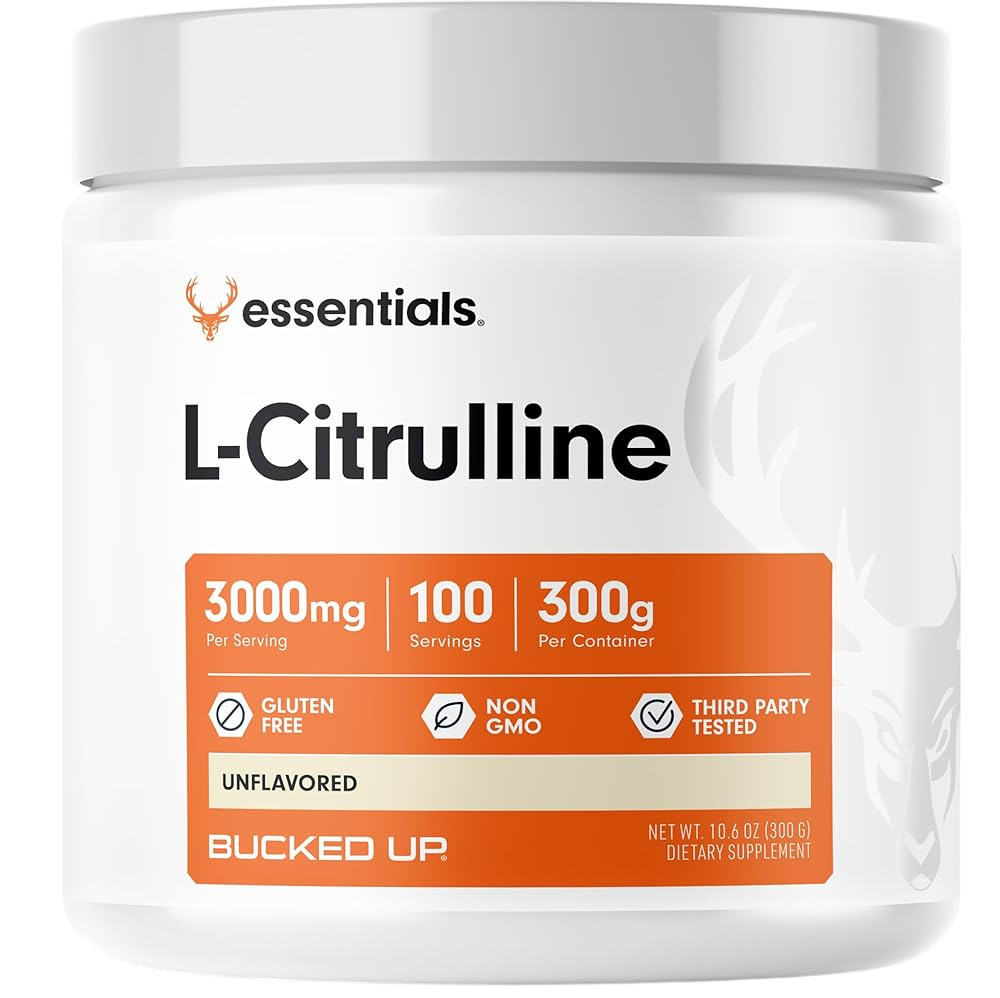
For athletes who want standalone dosing flexibility, Bucked Up’s Pure L-Citrulline Powder (300 g) provides 3,000 mg per scoop of unflavored, pure L-citrulline that can be mixed into any beverage or stacked with any pre-workout formula. The L-Citrulline Capsules option supplies 750 mg per capsule for precise, portable dosing.
*These statements have not been evaluated by the Food and Drug Administration. This product is not intended to diagnose, treat, cure, or prevent any disease.
What This Means for Your Pre-Workout Choice
The science-based arginine vs citrulline nitric oxide comparison points toward a clear pharmacokinetic pattern. L-citrulline bypasses first-pass metabolism, converts to L-arginine in the kidneys, and supports a more sustained elevation of plasma arginine than an equivalent oral arginine dose, while showing a milder tolerability profile at studied performance doses.1* In practice, a pre-workout formula built around disclosed, research-aligned doses of L-citrulline or citrulline malate, paired with an absorption-supporting compound such as Astragin®, can offer an evidence-informed option for athletes who want to support nitric oxide production and training performance.1*
Bucked Up reflects that science with gram amounts on the label across every formula in the line, from the 6,000 mg Citrulline Malate 2:1 in the foundational pre-workouts to the Pure L-Citrulline and Nitrosigine® Pump Trifecta in Mother Bucker.
*These statements have not been evaluated by the Food and Drug Administration. This product is not intended to diagnose, treat, cure, or prevent any disease.
Frequently Asked Questions
Why does L-citrulline raise plasma arginine more effectively than L-arginine?
Oral L-arginine runs into arginase enzymes in the intestinal lining and liver, which break down a significant portion before it reaches systemic circulation. This first-pass metabolism limits how much arginine can serve as substrate for nitric oxide synthase. L-citrulline sidesteps this arginase issue by converting to arginine in the kidneys instead of in the gut. That renal conversion supports a more sustained supply of nitric oxide precursor in the bloodstream, which creates a pharmacokinetic advantage for oral supplementation in many people.*
*These statements have not been evaluated by the Food and Drug Administration. This product is not intended to diagnose, treat, cure, or prevent any disease.
How should I choose between citrulline malate and pure L-citrulline?
Citrulline malate combines L-citrulline and malic acid, usually in a 2:1 ratio by weight, so about 1.76 g of citrulline malate provides roughly 1 g of pure L-citrulline. The malic acid component is a Krebs Cycle intermediate that may support aerobic ATP production and phosphocreatine recovery, which can support endurance alongside the nitric oxide-related effects of citrulline. Pure L-citrulline delivers only citrulline per gram, which makes it more dose-efficient when nitric oxide support and vasodilation are the main goals. Citrulline malate at 6 to 8 g is the form most often used in resistance training research, while pure L-citrulline at 3 to 6 g per day is more commonly studied for vascular function support.*
If you are stacking citrulline with other ingredients, as in Bucked Up’s Mother Bucker, which pairs pure L-citrulline with Nitrosigine® and Hydroprime® Glycerol, pure L-citrulline allows more precise control of the citrulline dose without additional malate. Consult your healthcare provider if you are unsure which form fits your training goals.*
*These statements have not been evaluated by the Food and Drug Administration. This product is not intended to diagnose, treat, cure, or prevent any disease.
When should I take L-citrulline around my workout?
For acute performance support, many protocols use L-citrulline about 60 minutes before intense physical activity. Peak plasma citrulline concentrations occur roughly 0.7 to 2 hours after ingestion, and the downstream rise in plasma arginine and nitric oxide-related effects follows that curve, with effects often peaking 45 to 90 minutes after ingestion. Taking it only 10 to 15 minutes before training may leave you on the upswing of the absorption curve during your first sets. For daily vascular function support rather than pre-exercise use, timing matters less, and doses can be split into two servings. Always follow the dosing guidance on your specific product label and consult your healthcare provider with any questions.*
*These statements have not been evaluated by the Food and Drug Administration. This product is not intended to diagnose, treat, cure, or prevent any disease.
Is L-citrulline safe, and what interactions should I consider?
In studies lasting from one week to several months, daily L-citrulline doses up to about 10 g per day were generally well tolerated, and acute doses up to 15 g were reported as safe in short-term research. Mild side effects such as nausea, diarrhea, stomach discomfort, and heartburn occur in a small minority of users, and citrulline malate may be slightly more likely to cause heartburn than pure L-citrulline because of its acidity. L-citrulline has self-affirmed GRAS (Generally Recognized As Safe) status for oral use in food products.*
Certain populations and medication combinations still require caution. Individuals with naturally low blood pressure, kidney conditions, or upcoming surgery should consult a healthcare provider before use, since L-citrulline’s vasodilatory effects may interact with their baseline status or with medications such as blood pressure medications, nitrate medications, and phosphodiesterase-5 inhibitors. Pregnant or breastfeeding individuals should avoid use or speak with a healthcare provider first. Always consult your healthcare provider before starting any new supplementation protocol.*
*These statements have not been evaluated by the Food and Drug Administration. This product is not intended to diagnose, treat, cure, or prevent any disease.
What is Astragin®, and why does Bucked Up use it in every pre-workout?
Astragin® is a patented compound derived from Astragalus membranaceus and Panax notoginseng that has been studied to support the absorption and bioavailability of certain amino acids, including L-citrulline.1* The logic for including it is straightforward. A disclosed gram amount of citrulline on a label only delivers its intended support if it actually absorbs. Bucked Up includes Astragin® across the entire pre-workout line (Bucked Up, Woke AF, Mother Bucker, and the Non-Stimulant Pre-Workout) to support the bioavailability of every gram of citrulline listed on the label. This aligns with Bucked Up’s broader focus on transparent formulation, where disclosing ingredient amounts pairs with strategies to help those ingredients absorb effectively.*
*These statements have not been evaluated by the Food and Drug Administration. This product is not intended to diagnose, treat, cure, or prevent any disease.
References
Schwedhelm, E., Maas, R., Freese, R., Jung, D., Lukacs, Z., Jambrecina, A., Spickler, W., Schulze, F., & Böger, R. H. (2008). Pharmacokinetic and pharmacodynamic properties of oral L-citrulline and L-arginine: Impact on nitric oxide metabolism. British Journal of Clinical Pharmacology, 65(1), 51–59. https://pmc.ncbi.nlm.nih.gov/articles/PMC2291275/
Mayo Clinic Staff. (2023). L-arginine. Mayo Clinic Drugs & Supplements. mayoclinic.org.
1 The content provided in this article is for informational purposes only and is not medical advice. Consult with a medical professional before implementing any changes to your diet, health, or exercise routines. Individual results will vary and are based on a combination of each individual’s diet, exercise, age, and health circumstances. These statements have not been evaluated by the Food and Drug Administration. This product is not intended to diagnose, treat, cure or prevent any disease.
This article was written by Ryan Gardner, CEO of Bucked Up. As the maker of Bucked Up Protein Soda, we have a financial interest in this information. The views expressed are our own and should be read with that context in mind.