Last updated: April 22, 2026
Key Takeaways
- L-Citrulline boosts nitric oxide production, which improves oxygen delivery and vasodilation during endurance exercise.1
- It supports ammonia detoxification through the urea cycle, helping delay fatigue in long training sessions.1
- Supplementation can reduce muscle soreness (DOMS) at 24 to 48 hours, which supports faster recovery and consistent training.1
- Citrulline Malate adds malic acid, which supports ATP energy production in the Krebs cycle.1
- L-Citrulline often outperforms arginine for nitric oxide support due to superior bioavailability. Bucked Up’s pure L-Citrulline powder can help support endurance-focused goals.1
1. Nitric Oxide Support for Better Oxygen Delivery
How L-Citrulline Drives Vasodilation
L-Citrulline acts as a nitric oxide precursor by converting to L-arginine in the kidneys. Arginine then serves as substrate for nitric oxide synthase enzymes. This process produces nitric oxide, a signaling molecule that relaxes vascular smooth muscle and promotes vasodilation.
Research on Oxygen Delivery and Performance
Bailey et al. demonstrated that L-citrulline supplementation at 6 grams or more per day for seven days improves muscle oxygenation, O2 uptake kinetics, and high-intensity exercise performance in humans1. The enhanced oxygen delivery to working muscles supports endurance capacity and delays fatigue during prolonged exercise sessions.1 This research-backed dosage threshold helps guide effective product formulation for endurance athletes.
Bucked Up Formulas That Use This Research
Bucked Up Pre-Workout contains 6,000 mg of Citrulline Malate in a 2:1 ratio, which aligns with research-supported dosing for nitric oxide support. The formula also includes Astragin® to support citrulline absorption and bioavailability. This combination helps endurance athletes who want more reliable oxygen delivery during training.1
2. Ammonia Detoxification and Fatigue Delay
How Citrulline Supports the Urea Cycle
L-Citrulline serves as a key intermediate in the urea cycle, which converts toxic ammonia into urea for excretion. During intense endurance exercise, ammonia can build up in skeletal muscle and contribute to central fatigue and performance decline.
Evidence for Reduced Fatigue
Evidence shows that L-citrulline acts as an intermediate in the urea cycle, converting ammonia into urea via ornithine transcarbamoyltransferase and subsequent enzymes. This ammonia clearance mechanism helps maintain exercise capacity during long training sessions and can reduce perceived exertion.1
How Endurance Athletes Can Use This
The ammonia detoxification benefit matters most during high-volume phases when metabolic byproducts can lower session quality. Bucked Up citrulline formulations support this clearance pathway while also supplying other performance-focused ingredients that target blood flow and energy.1
3. Reduced Muscle Soreness and Faster Recovery
Why Citrulline Can Ease DOMS
Delayed onset muscle soreness (DOMS) stems from exercise-induced muscle damage and inflammatory responses. L-Citrulline supports nitric oxide production and blood flow, which can improve nutrient delivery and waste removal. These effects support recovery processes and may reduce soreness intensity.1
Recovery Research in Real Athletes
A randomized controlled trial found that 8 grams of citrulline malate reduced muscle soreness at 24 and 48 hours post-exercise in 41 men. This reduction in DOMS can support more frequent training and better long-term adaptation.1
Recovery-Focused Supplement Protocol
The soreness reduction benefits help endurance athletes who need quick turnaround between hard sessions. Mother Bucker provides 4 grams of Pure L-Citrulline along with additional recovery-supporting compounds. This profile suits athletes who stack demanding workouts with limited rest days.1
4. Citrulline Malate vs Pure L-Citrulline for Energy Support
Role of the Malic Acid Component
Citrulline Malate combines L-Citrulline with malic acid in a 2:1 ratio. The malic acid component participates in the Krebs cycle, which supports ATP production. This pairing targets both nitric oxide production and cellular energy metabolism.
Energy and Endurance Benefits
Citrulline malate reduces muscular soreness, increases endurance, improves recovery, and supports increased ATP synthesis. The malic acid component may enhance oxidative ATP production and phosphocreatine recovery. These effects can help athletes who perform long or repeated efforts that demand sustained energy output.1
Choosing Between Citrulline Malate and Pure L-Citrulline
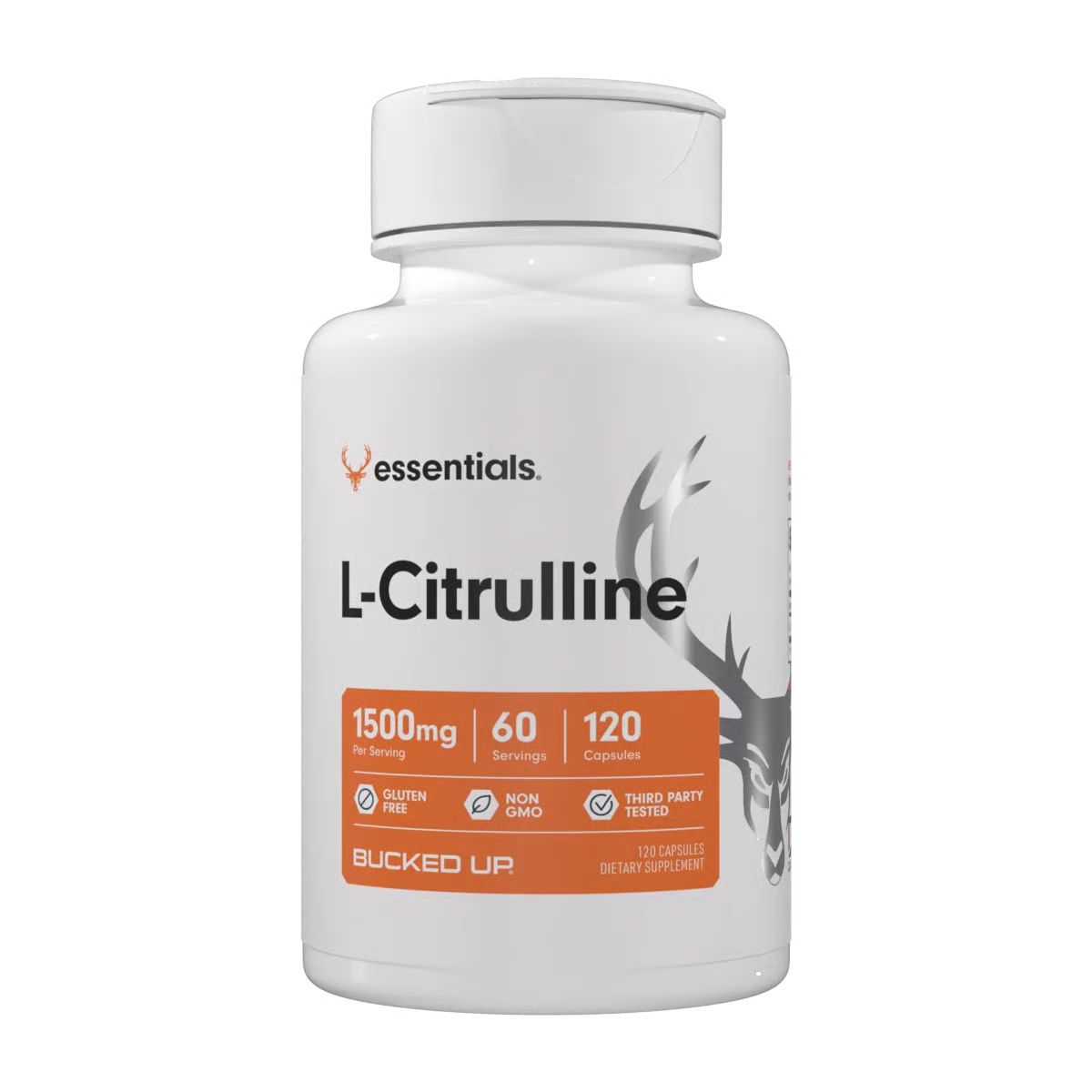
Bucked Up offers both forms so athletes can match their supplement choice to training goals. Citrulline Malate appears in foundational pre-workouts that suit endurance-focused athletes who want energy and blood flow support. Pure L-Citrulline features in Mother Bucker for athletes who prioritize maximum vasodilation and pump effects.1
Research highlights how citrulline supports several performance markers that matter to endurance athletes:
| Benefit | Key Finding | Source |
|---|---|---|
| Time-to-Exhaustion | Improvements in cycling performance | Suzuki et al., 2016 |
| Muscle Soreness | The soreness reduction mentioned above | Pérez-Guisado et al., 2010 |
| Exercise Volume | Increased repetitions to failure | Pérez-Guisado et al., 2010 |
5. Citrulline vs Arginine for Endurance Performance
Why Citrulline Has a Bioavailability Edge
Direct L-arginine supplementation faces limits because of extensive first-pass metabolism in the liver and digestive tract. L-arginine loses effectiveness due to breakdown in the gut and liver organs, while L-Citrulline largely bypasses this early degradation.
Plasma Arginine and Nitric Oxide Signaling
Schwedhelm et al.’s 2008 randomized controlled trial demonstrated that oral L-citrulline dose-dependently raises plasma arginine levels and nitric oxide-dependent signaling more effectively than L-arginine. This conversion efficiency can translate to more consistent performance support for endurance athletes.
Performance Outcomes in Clinical Trials
Clinical trials show L-citrulline and citrulline malate have a clearer advantage over L-arginine for exercise performance, including improved time-to-exhaustion with 6 to 8 grams citrulline malate in multiple RCTs1. This evidence supports citrulline as a strong option for endurance-focused supplementation strategies. Once citrulline forms the foundation, advanced athletes can build on it with strategic ingredient combinations.
6. Strategic Stacking for Maximum Performance
Combining Citrulline With Complementary Ingredients
Advanced athletes can benefit from pairing Pure L-Citrulline with additional nitric oxide enhancers and hydration compounds. This multi-pathway approach targets vasodilation, cellular hydration, and nutrient delivery at the same time.
How Mother Bucker Uses Stacking
Mother Bucker applies this stacking strategy with 4 grams of Pure L-Citrulline combined with Nitrosigine® and Hydroprime® Glycerol. This combination targets blood flow through several mechanisms and supports intramuscular hydration for sustained performance during demanding sessions.1
Absorption Support Across the Line
All Bucked Up formulations include Astragin® to support citrulline absorption and bioavailability.1 This design helps the listed dosages translate to effective plasma concentrations that can influence performance.1 Choose the L-Citrulline formulation that matches your training demands and preferred stacking approach.
Optimal Citrulline Dosage for Endurance Athletes
Effective citrulline dosing varies with training goals, body weight in lbs, and individual response. Performance Lab recommends 6 to 8 grams per day of pure L-citrulline or approximately 8 grams per day citrulline malate (2:1 ratio) before training for better nitric oxide production, endurance, and reduced perceived exertion.1
Timing recommendations suggest taking L-citrulline 30 to 60 minutes pre-workout for acute benefits, with daily use supporting consistency during high-volume training phases. Dembicki et al.’s 2025 comprehensive review found that both L-citrulline and L-arginine supplementation are associated with improved endothelial-dependent vasodilation and moderate reductions in blood pressure, particularly at daily doses of 6 grams or higher1.
Match your citrulline strategy to your specific training demands:
| Training Focus | Dosage | Timing | Bucked Up Product |
|---|---|---|---|
| Endurance Training | 6–8 g Citrulline Malate | 30–60 min pre-workout | Bucked Up Pre-Workout |
| High-Intensity Sessions | 6 g Citrulline Malate | 30–60 min pre-workout | Woke AF |
| Advanced Performance | 4 g Pure L-Citrulline + Stack | 30–60 min pre-workout | Mother Bucker |
| Daily Support | 3–6 g Pure L-Citrulline | Divided doses | L-Citrulline Powder |
Why Bucked Up Stands Out for L-Citrulline Athletes
Bucked Up focuses on transparent labeling, research-aligned dosing, and absorption support. Some competitors can use proprietary blends that hide ingredient quantities, while Bucked Up clearly lists citrulline content and includes Astragin® for improved bioavailability. The product line ranges from the foundational 6,000 mg Citrulline Malate in Bucked Up Pre-Workout to the advanced 4,000 mg Pure L-Citrulline stack in Mother Bucker.
The emphasis on a 2:1 Citrulline Malate ratio supports malic acid intake for energy metabolism. Premium formulations also include complementary ingredients like Nitrosigine®, which target additional performance pathways. This combined approach can help endurance athletes who want consistent, trackable improvements in training capacity and recovery.1
Frequently Asked Questions
Is L-Citrulline good for endurance athletes?
L-Citrulline supports several key needs for endurance athletes, including oxygen delivery, exercise capacity, and fatigue resistance. The amino acid converts to arginine in the kidneys, which supports nitric oxide production and vasodilation. Research shows measurable improvements in time-to-exhaustion and perceived exertion during prolonged exercise.1
How much citrulline per day for athletes?
Endurance athletes often use 6 to 8 grams of Citrulline Malate or 3 to 6 grams of Pure L-Citrulline daily. Studies have tested doses up to 10 grams safely, although benefits may level off beyond about 8 grams. Individual response can vary with body weight in lbs, training intensity, and specific performance goals.
When should I take citrulline malate for workouts?
Take citrulline malate 30 to 60 minutes before exercise to align peak blood levels with your session. This window allows conversion to arginine and nitric oxide production that can support performance throughout the workout. Consistent daily use may offer extra support during high-volume training blocks.
Is citrulline better than arginine for performance?
L-Citrulline often shows greater effectiveness than direct arginine supplementation because of better bioavailability and reduced first-pass metabolism. Arginine undergoes significant breakdown in the liver and digestive tract. Citrulline converts efficiently to arginine in the kidneys, which can produce higher plasma arginine levels and more reliable performance support.1
Is daily citrulline use safe for endurance training?
Daily citrulline supplementation appears well tolerated in healthy adults at commonly used doses. Studies using 3 to 10 grams per day for extended periods report no serious adverse effects. Mild gastrointestinal discomfort can occur with very high single doses above 10 grams. Athletes with kidney conditions or those taking blood pressure medications should speak with a healthcare provider before use.
Conclusion
L-Citrulline offers endurance athletes six science-backed benefits: enhanced nitric oxide production, improved ammonia clearance, reduced muscle soreness, energy metabolism support, favorable bioavailability compared with arginine, and stacking potential with other performance ingredients. These mechanisms can translate to measurable changes in exercise capacity, recovery, and training consistency for runners, cyclists, and triathletes.1
1 The content provided in this article is for informational purposes only and is not medical advice. Consult with a medical professional before implementing any changes to your diet, health, or exercise routines.
Individual results will vary and are based on a combination of each individual’s diet, exercise, age, and health circumstances.
These statements have not been evaluated by the Food and Drug Administration. This product is not intended to diagnose, treat, cure or prevent any disease.
This article was written by Ryan Gardner, CEO of Bucked Up. As the maker of Bucked Up Protein Soda, we have a financial interest in this information. The views expressed are our own and should be read with that context in mind.