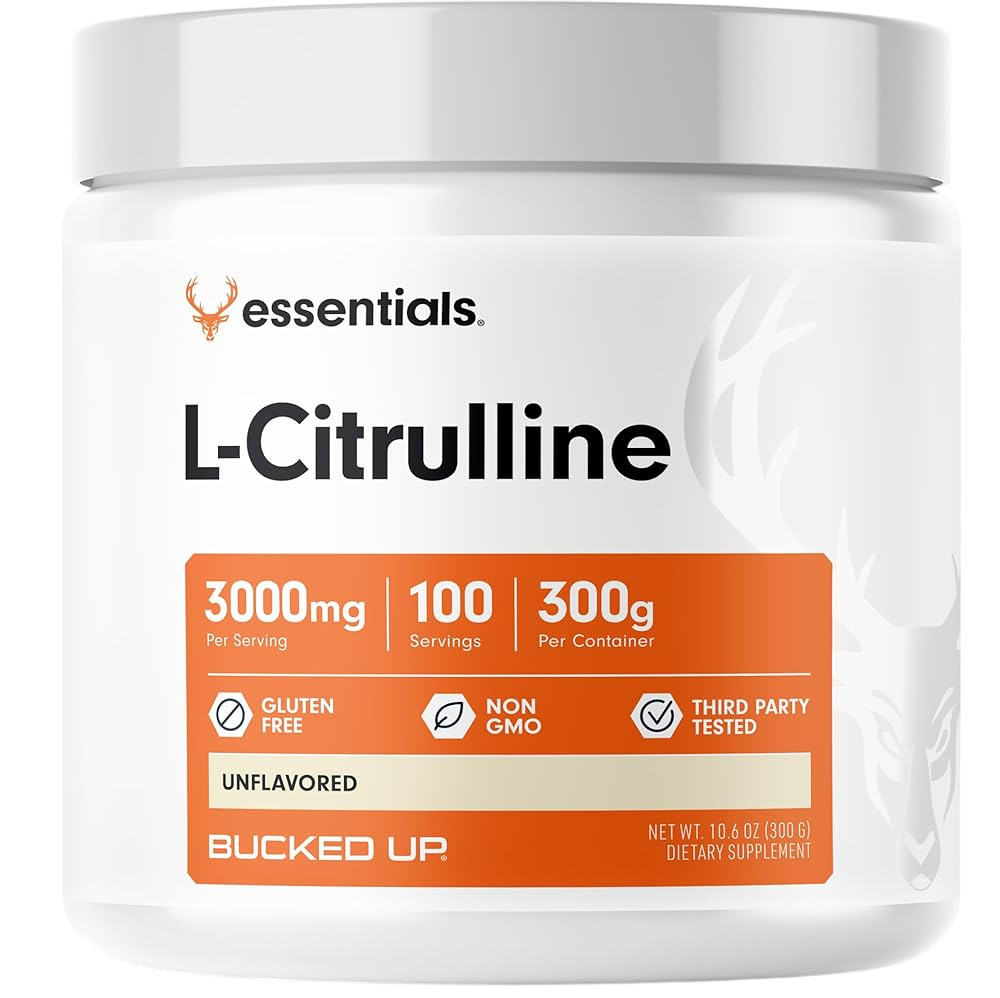
Last updated: April 22, 2026
Key Takeaways: Citrulline Malate for Strength & Muscle
- Citrulline malate increases nitric oxide through L-arginine conversion, which improves blood flow and nutrient delivery to working muscles.1
- Research using 8 grams of citrulline malate shows higher reps to failure, better endurance, and up to 40% less muscle soreness.1
- Most lifters respond well to 6–8 grams of citrulline malate, or 3–6 grams of pure L-citrulline, taken 30–60 minutes before training.1
- Key performance benefits include stronger multi-set performance, bigger pumps, better fatigue resistance, and support for long-term hypertrophy through higher training volume.1
- For a research-style dose, try Bucked Up’s 6g citrulline-focused formula to support strength, pumps, and endurance.1
How Citrulline Malate Works in Your Body
Citrulline malate combines L-citrulline with malic acid in a typical 2:1 ratio. In this form, 1.76 grams of citrulline malate delivers about 1 gram of pure L-citrulline. This structure improves how your body absorbs and uses the amino acid compared with L-arginine alone.1 Unlike L-arginine, which undergoes significant first-pass metabolism in the gut and liver, L-citrulline bypasses this degradation and converts to arginine in the kidneys, which keeps plasma arginine levels elevated for longer.1
Citrulline malate works through three main pathways. First, L-citrulline serves as a precursor to L-arginine via conversion primarily in the kidneys, where L-arginine acts as the direct substrate for nitric oxide synthesis by nitric oxide synthase. Higher nitric oxide levels promote vasodilation, which improves oxygen and nutrient delivery during training.1 Second, citrulline participates in the urea cycle and helps clear ammonia, a byproduct that can interfere with mitochondrial ATP production.1 Third, the malic acid component may support Krebs cycle function, although this potential benefit still needs stronger research.1
These mechanisms help explain why timing matters. Peak plasma concentrations appear within 0.7–2 hours after ingestion, so pre-workout dosing becomes crucial for performance. The citrulline malate versus L-citrulline discussion mainly focuses on dosing accuracy, since pure L-citrulline gives an exact amino acid amount while citrulline malate adds the possible energy support from malic acid.
Strength & Muscle Benefits You Can Expect
Citrulline malate consistently improves performance across several training markers. The landmark study by Pérez-Guisado and Jakeman found that 8 grams of citrulline malate increased repetitions to failure by 53%, especially in later sets where fatigue usually hits hardest.1
The seven key strength and muscle performance benefits include:
1. Increased repetitions to failure: Research shows up to 53% more repetitions in resistance training, with the largest gains in sets 2–8 as fatigue builds.1
2. Enhanced lower body strength: Multiple studies report better performance in leg-focused movements, with benefits in both single-set and multi-set protocols.1
3. Extended endurance capacity: Cycling research shows about 12% longer time to exhaustion, along with stronger power output maintenance across the session.1
4. Reduced muscle soreness: Delayed onset muscle soreness can drop by roughly 40% at 24–48 hours post-exercise, which supports faster turnaround between hard workouts.1
5. Better multi-set performance: Citrulline malate shines when you perform several working sets, helping you maintain reps and load as cumulative fatigue rises.
6. Stronger muscle pump: Nitric oxide-driven vasodilation produces a noticeable pump while also improving nutrient and oxygen delivery to the muscle.1
7. Fatigue buffering: Improved ammonia clearance and oxygen use help delay both muscular and central fatigue during high-intensity efforts.1
Citrulline malate supports muscle growth indirectly. Higher training volume and quicker recovery create more chances for mechanical tension and metabolic stress, which drive hypertrophy over time.1
Citrulline Malate Dosing, Forms, Timing & Stacks
| Form/Dose | L-Citrulline Equivalent | Timing |
|---|---|---|
| 6–8g Citrulline Malate (2:1) | 3.4–4.5g | 30–60 minutes pre-workout |
| 3–6g Pure L-Citrulline | 3–6g | About 60 minutes pre-workout |
The conversion stays simple: 1.76 grams of citrulline malate at a 2:1 ratio provides 1 gram of pure L-citrulline. Studies indicate that 8 grams of citrulline malate should be taken 30–60 minutes pre-workout for optimal performance benefits.1 Many athletes also stack citrulline with beta-alanine for extra fatigue resistance and with absorption aids such as AstraGin to support uptake.1 You can explore Bucked Up’s citrulline options to match the dose and form to your current training plan.
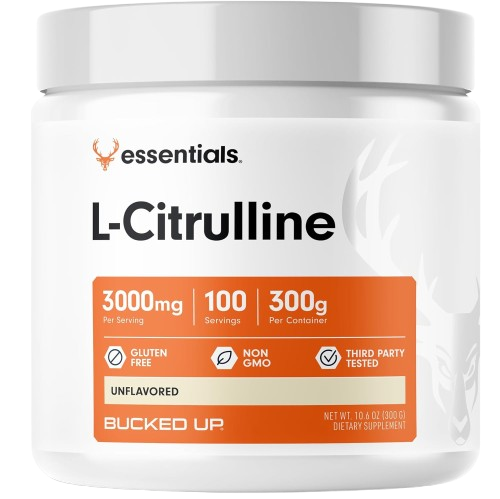
How Bucked Up Uses Citrulline for Performance
Bucked Up tackles the common issue of underdosed pre-workouts through clear labels and research-aligned dosing. The foundational Bucked Up and Woke AF pre-workouts each provide 6 grams of citrulline malate at a 2:1 ratio, which aligns with the performance threshold highlighted in current research.
For more advanced athletes, Mother Bucker includes 4 grams of pure L-citrulline along with Nitrosigine and HydroPrime glycerol. This combination creates a pump-focused matrix that targets vasodilation and cellular hydration through several pathways.1 All formulas also include AstraGin, which supports citrulline absorption and helps your body use the labeled dose effectively.1
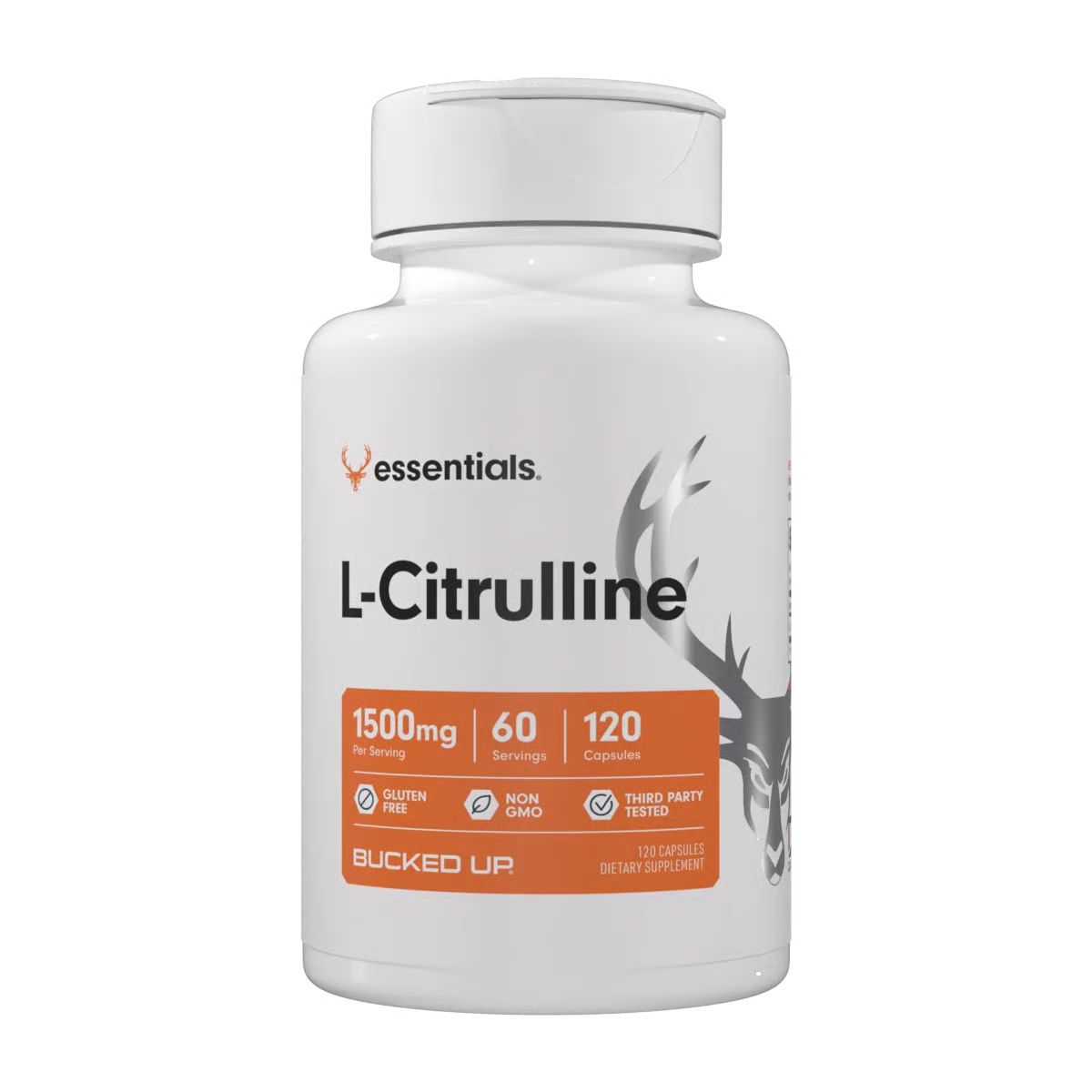
GMP-certified manufacturing supports consistent potency and purity from batch to batch.
This transparent dosing approach sets Bucked Up apart from competitors that can use proprietary blends, which may hide exact ingredient amounts. Clear labels let you see what you are taking and adjust your total intake based on tolerance, bodyweight in lbs, and goals. You can see the exact citrulline content in every Bucked Up formula and choose the option that fits your needs.
Safety, Common Issues & Citrulline Myths
Most citrulline malate side effects relate to digestion and cardiovascular response.1 Doses above 10 grams can cause digestive discomfort without adding performance benefits.1 People with naturally low blood pressure should stay cautious because citrulline can further lower blood pressure through vasodilation.1
Research indicates that citrulline doses up to 15 grams daily are generally well-tolerated, although most performance data centers on 6–8 gram doses. Possible interactions may occur with antihypertensive drugs and PDE5 inhibitors because of combined blood pressure effects. Pregnant and breastfeeding women should avoid citrulline supplements due to limited safety data, and anyone with kidney issues should speak with a healthcare professional before use.
Several myths still circulate. Higher doses do not always mean better results, especially once you pass the studied range. Not every citrulline malate product uses the same ratio or provides the amount listed on the label. Quality checks such as transparent dosing and third-party testing help confirm actual citrulline content.
Conclusion: Using Citrulline Malate for Real-World Strength
Citrulline malate supports strength and muscle performance through well-documented mechanisms and research-backed dosing. Typical 6–8 gram servings can improve reps, endurance, and perceived recovery, while nitric oxide production and ammonia clearance provide the physiological foundation for these changes. You can review Bucked Up’s citrulline lineup and select a formula that fits your training style and performance goals.
Frequently Asked Questions
Does citrulline malate actually increase strength?
Citrulline malate supports strength performance by increasing repetition capacity and delaying fatigue.1 The 53% increase in repetitions to failure seen in research can translate into higher training volume and more progressive overload, which are key drivers of long-term strength gains.
What is the optimal citrulline malate dosage for bodybuilding?
Many bodybuilders use 6–8 grams of citrulline malate 30–60 minutes before lifting. This range usually provides about 3.4–4.5 grams of pure L-citrulline, which supports nitric oxide production and the higher training volumes common in hypertrophy programs.1
How long does citrulline malate take to kick in?
Most people feel effects within 30–60 minutes after taking citrulline malate. Peak plasma levels appear between 0.7 and 2 hours after ingestion, so taking it about an hour before training lines up well with your working sets.
What is the difference between citrulline malate and pure L-citrulline?
Citrulline malate pairs L-citrulline with malic acid in a 2:1 ratio, while pure L-citrulline contains only the amino acid. Both forms raise nitric oxide through the same pathway, and citrulline malate may also support energy production through malic acid, although that effect still needs more research.
Are there any side effects from citrulline malate supplementation?
Citrulline malate is usually well-tolerated at standard doses. Some people may notice mild digestive upset at very high intakes or a drop in blood pressure if they are sensitive.1 Most users do not report side effects when staying within the 6–8 gram range.
1 The content provided in this article is for informational purposes only and is not medical advice. Consult with a medical professional before implementing any changes to your diet, health, or exercise routines.
Individual results will vary and are based on a combination of each individual’s diet, exercise, age, and health circumstances.
These statements have not been evaluated by the Food and Drug Administration. This product is not intended to diagnose, treat, cure or prevent any disease.
This article was written by Ryan Gardner, CEO of Bucked Up. As the maker of Bucked Up Protein Soda, we have a financial interest in this information. The views expressed are our own and should be read with that context in mind.